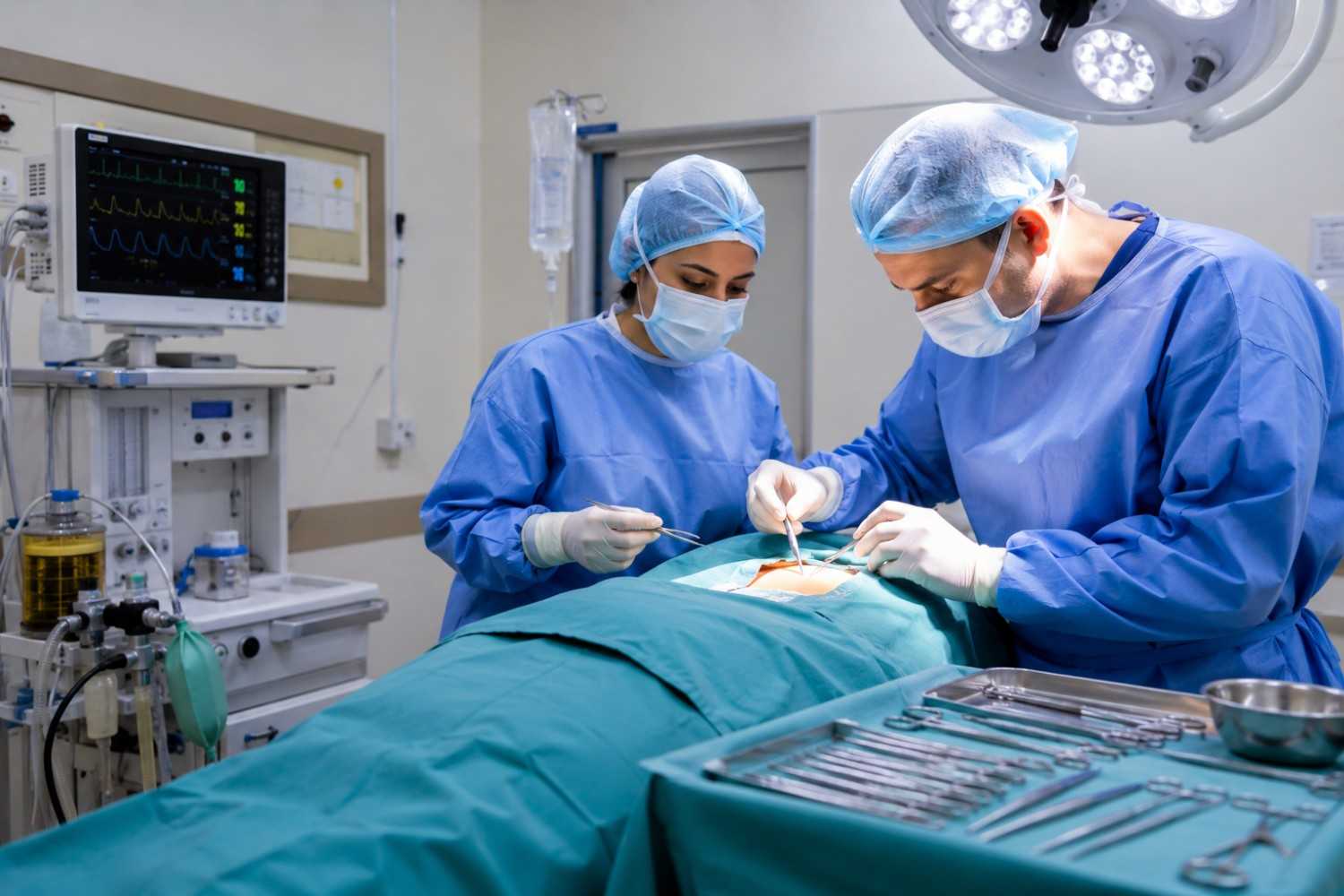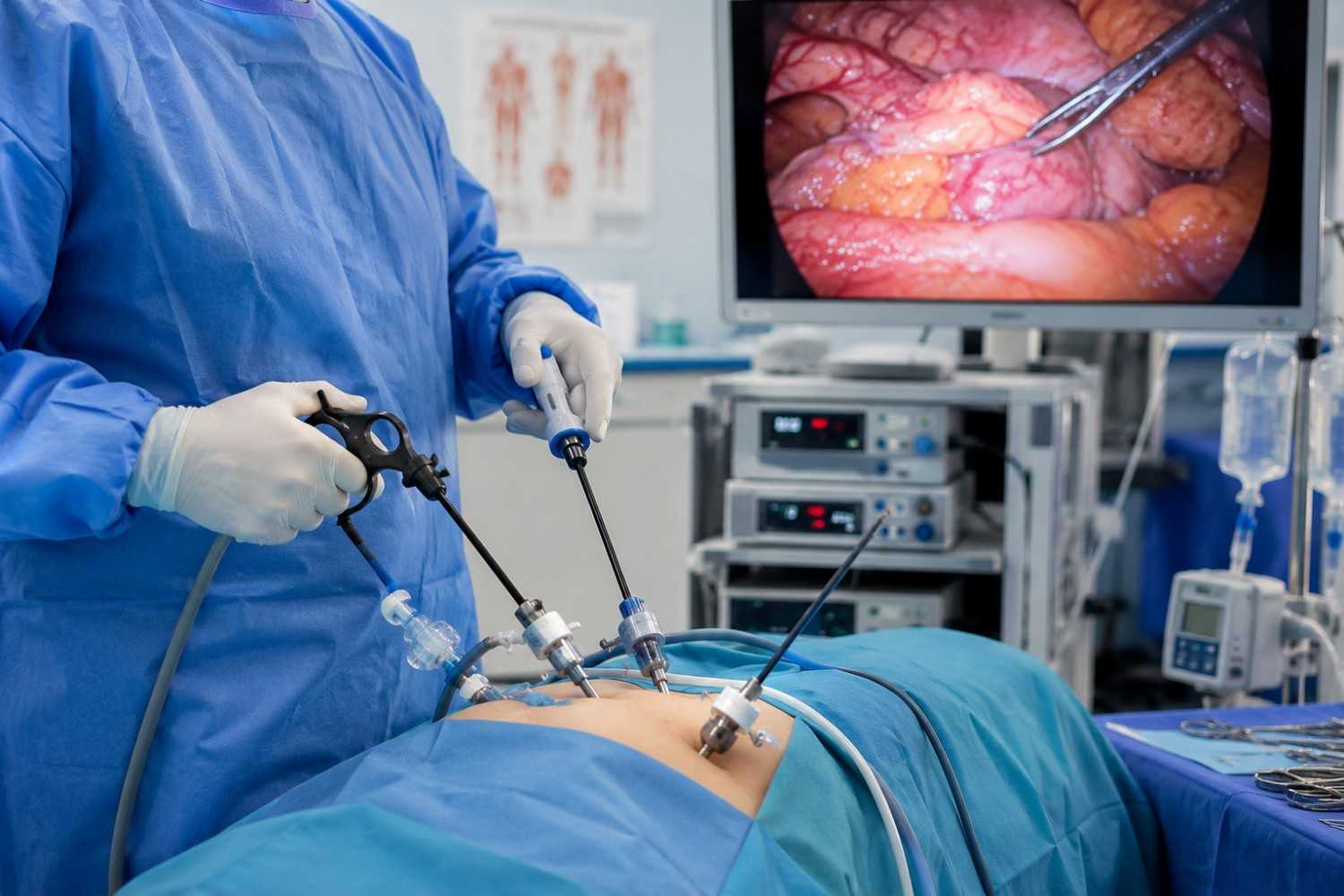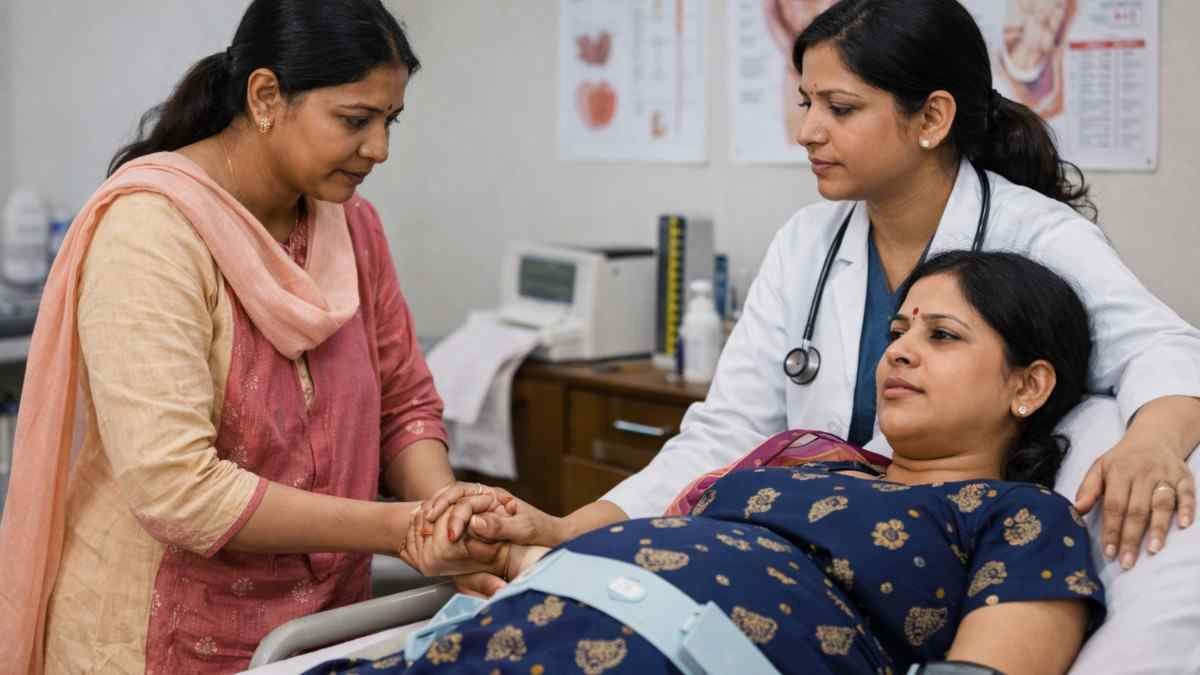
Pregnancy is a deeply personal journey, but for some women, it comes with added medical complexities that require specialised attention. A high-risk pregnancy can bring anxiety, uncertainty, and many questions for expectant parents. With the right medical guidance, monitoring, and emotional support, these challenges can be managed safely and confidently. At Shanbhag Hospital, high-risk pregnancies are handled with a calm, structured, and patient-focused approach, ensuring that both mother and baby receive the care they need at every stage. Through experienced specialists and continuous monitoring, Shanbhag Hospital supports families through even the most delicate pregnancy journeys with compassion and expertise.
This guide explains what high-risk pregnancy management involves, common risk factors, care approaches, and how expert maternity care plays a vital role in achieving healthy outcomes.
Understanding High-Risk Pregnancy
A pregnancy is considered high-risk when there is an increased chance of health complications for the mother, baby, or both. This does not mean complications will definitely occur, but it does mean closer monitoring and specialised care are required.
High-risk pregnancies may result from:
- Pre-existing medical conditions
- Pregnancy-related complications
- Age-related factors
- Lifestyle or environmental influences
With proper care, many high-risk pregnancies result in healthy deliveries.
Pregnancy Management in Bangalore and the Need for Specialised Care
Access to advanced healthcare has significantly improved outcomes for expectant mothers. Pregnancy treatment in Bangalore today includes specialised obstetric services, advanced diagnostics, and multidisciplinary care teams that work together to monitor and manage complex pregnancies.
This specialised care allows for:
- Early identification of potential complications
- Timely medical interventions
- Personalised treatment plans
- Better coordination across pregnancy stages
Early and continuous management plays a key role in reducing risks.
Common Factors That Make a Pregnancy High Risk
Understanding risk factors helps families recognise the importance of specialised monitoring.
Common causes include:
- High blood pressure or diabetes
- Thyroid disorders
- Heart or kidney conditions
- Previous pregnancy complications
- Multiple pregnancies (twins or more)
Early identification of these factors allows doctors to plan appropriate care.
Age and Its Impact on Pregnancy Risk
Maternal age can influence pregnancy outcomes. Women above 35 or below 18 may require closer observation.
Age-related risks may involve:
- Higher chances of gestational diabetes
- Increased blood pressure concerns
- Genetic screening requirements
- Labour-related complications
Age-specific care strategies help minimise potential challenges.
Role of Early Diagnosis in High-Risk Pregnancies
Early diagnosis is one of the most powerful tools in high-risk pregnancy management.
Benefits of early detection include:
- Preventing complications before they escalate
- Timely medication or lifestyle adjustments
- Closer fetal growth monitoring
- Reduced emergency interventions
Proactive care improves safety and confidence.
Medical Conditions Requiring Special Monitoring
Certain medical conditions demand ongoing observation throughout pregnancy.
These may include:
- Gestational diabetes
- Pre-eclampsia
- Anemia
- Autoimmune disorders
Regular check-ups ensure these conditions are managed effectively.
Importance of Regular Antenatal Visits
High-risk pregnancies require more frequent antenatal visits than routine pregnancies.
These visits focus on:
- Monitoring maternal vitals
- Tracking fetal development
- Adjusting treatment plans
- Addressing new symptoms promptly
Consistency in care reduces uncertainty and risk.
Advanced Diagnostic and Monitoring Tools
Modern maternity care relies on advanced technology to support high-risk pregnancies.
Monitoring may involve:
- High-resolution ultrasounds
- Doppler studies
- Fetal heart rate monitoring
- Blood and urine tests
These tools provide real-time insights into maternal and fetal health.
Individualised Care Plans for Every Pregnancy
No two high-risk pregnancies are the same. Personalised care is essential.
Individual care plans are based on:
- Medical history
- Current pregnancy condition
- Lifestyle and nutrition
- Emotional wellbeing
Customised plans ensure focused and effective treatment.
Lifestyle Adjustments and Medical Guidance
Lifestyle plays a significant role in managing pregnancy risks.
Doctors may recommend:
- Dietary modifications
- Controlled physical activity
- Stress management techniques
- Adequate rest schedules
Small lifestyle changes can significantly improve outcomes.
Nutritional Support in High-Risk Pregnancies
Nutrition becomes even more critical when managing pregnancy risks.
Focused nutritional care includes:
- Blood sugar control diets
- Iron and calcium supplementation
- Balanced calorie intake
- Hydration monitoring
Proper nutrition supports both maternal strength and fetal growth.
Emotional and Mental Health Support
High-risk pregnancies can be emotionally taxing. Anxiety and fear are common.
Support systems help by:
- Offering reassurance and counselling
- Encouraging open communication
- Involving partners and family
- Addressing emotional wellbeing alongside physical health
Mental health care is an essential part of holistic pregnancy management.
Managing Gestational Diabetes and Hypertension
Two of the most common high-risk conditions are gestational diabetes and pregnancy-related hypertension.
Management strategies include:
- Regular blood sugar and BP monitoring
- Dietary and lifestyle control
- Medication if required
- Frequent fetal assessments
Early control reduces complications during delivery.
Monitoring Fetal Growth and Development
Ensuring the baby’s healthy development is a priority in high-risk pregnancies.
Monitoring focuses on:
- Growth patterns
- Placental function
- Amniotic fluid levels
- Fetal movements
Any deviation is addressed promptly.
Preparing for Labour and Delivery
Delivery planning is a crucial aspect of high-risk pregnancy care.
Preparation includes:
- Deciding the safest mode of delivery
- Planning for possible early delivery
- Ensuring neonatal support availability
- Emergency readiness
Clear planning reduces last-minute stress.
Role of Multidisciplinary Care Teams
High-risk pregnancies often require collaboration between specialists.
Care teams may include:
- Obstetricians
- Physicians and endocrinologists
- Anaesthetists
- Neonatologists
Team-based care ensures comprehensive support.
High Risk Pregnancy Treatment in Bangalore and Expert Intervention
When complications arise, high risk pregnancy treatment in Bangalore provides access to experienced doctors and advanced medical facilities that can handle complex situations with confidence.
Expert intervention allows for:
- Rapid response to complications
- Continuous monitoring in critical stages
- Improved maternal and neonatal outcomes
Timely expertise saves lives.
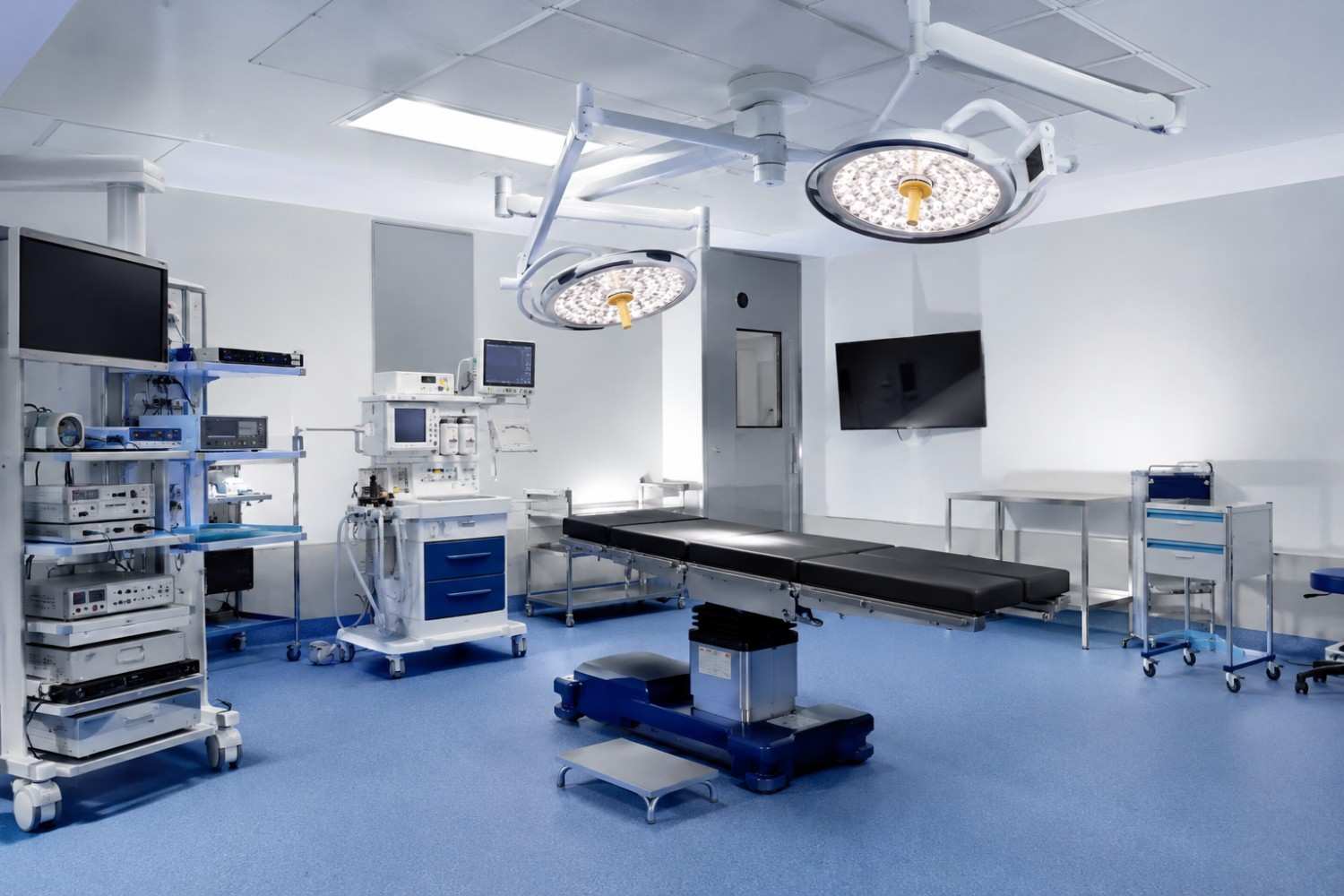
Hospital Infrastructure and Emergency Readiness
Facilities play a vital role in managing high-risk cases.
Important infrastructure elements include:
- Well-equipped labour rooms
- Advanced neonatal care units
- Emergency operation theatres
- 24/7 monitoring facilities
Preparedness ensures safety during unexpected situations.
Importance of Choosing the Right Hospital
Selecting the right care centre significantly impacts pregnancy outcomes.
Experienced maternity hospitals in Bangalore offer structured protocols, skilled specialists, and advanced facilities required for high-risk pregnancy management.
Key considerations include:
- Availability of specialists
- Emergency care readiness
- Neonatal support services
- Continuity of care
The right environment builds confidence.
Post-Delivery Care for High-Risk Mothers
Care doesn’t stop after delivery. High-risk mothers require careful postnatal monitoring.
Post-delivery care includes:
- Blood pressure and sugar monitoring
- Recovery support
- Breastfeeding guidance
- Emotional wellbeing checks
Postnatal care ensures long-term health.
Neonatal Care and Early Baby Support
Babies born from high-risk pregnancies may need additional care.
Support may involve:
- NICU monitoring
- Feeding and growth support
- Early developmental assessment
Early intervention supports healthy development.
Family Involvement and Support Systems
Family support plays a major role in managing high-risk pregnancies.
Involvement helps by:
- Reducing emotional stress
- Supporting lifestyle changes
- Encouraging adherence to care plans
Strong support systems improve outcomes.
Education and Awareness for Expectant Parents
Understanding the condition reduces fear and uncertainty.
Education focuses on:
- Recognising warning signs
- Knowing when to seek help
- Preparing for delivery scenarios
- Understanding treatment plans
Informed parents feel more empowered.
Building Trust Through Continuous Care
High-risk pregnancy management is built on trust and communication.
Consistent care allows:
- Better understanding of patient needs
- Early response to concerns
- Strong doctor-patient relationships
Trust enhances comfort and safety.
Frequently Asked Questions (FAQs)
1. What defines a high-risk pregnancy?
A pregnancy with increased chances of complications for the mother or baby.
2. Can high-risk pregnancies result in healthy deliveries?
Yes, with proper monitoring and expert care.
3. How often are check-ups required in high-risk cases?
Visits are more frequent and depend on individual conditions.
4. Are lifestyle changes important in high-risk pregnancy management?
Yes, diet, activity, and stress management play a major role.
5. Should delivery plans differ for high-risk pregnancies?
Yes, delivery is planned carefully to ensure safety for both mother and baby.
Conclusion
A high-risk pregnancy requires more than routine check-ups—it demands vigilance, expertise, and compassionate care. With the right medical team, advanced monitoring, and emotional support, even complex pregnancies can progress safely. Shanbhag Hospital is committed to providing comprehensive, patient-focused care for high-risk pregnancies, ensuring that every mother feels supported and informed throughout her journey. By combining medical excellence with personalised attention, Shanbhag Hospital continues to guide families toward safe deliveries and healthy beginnings, even in the most challenging pregnancy situations.