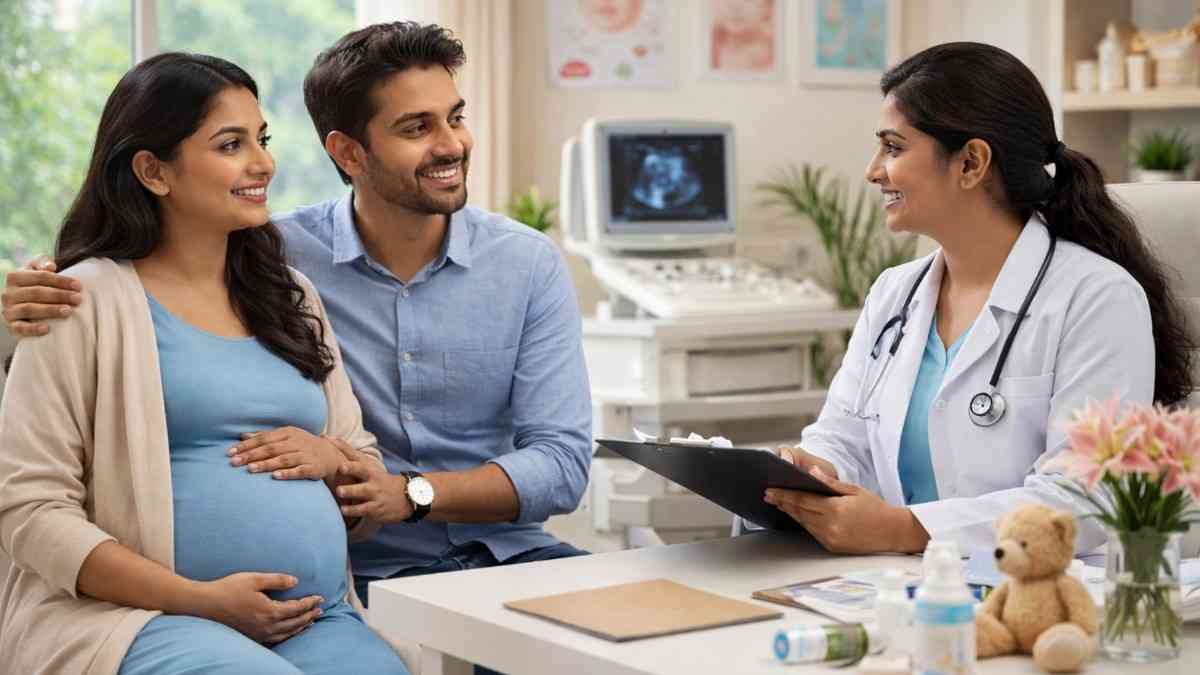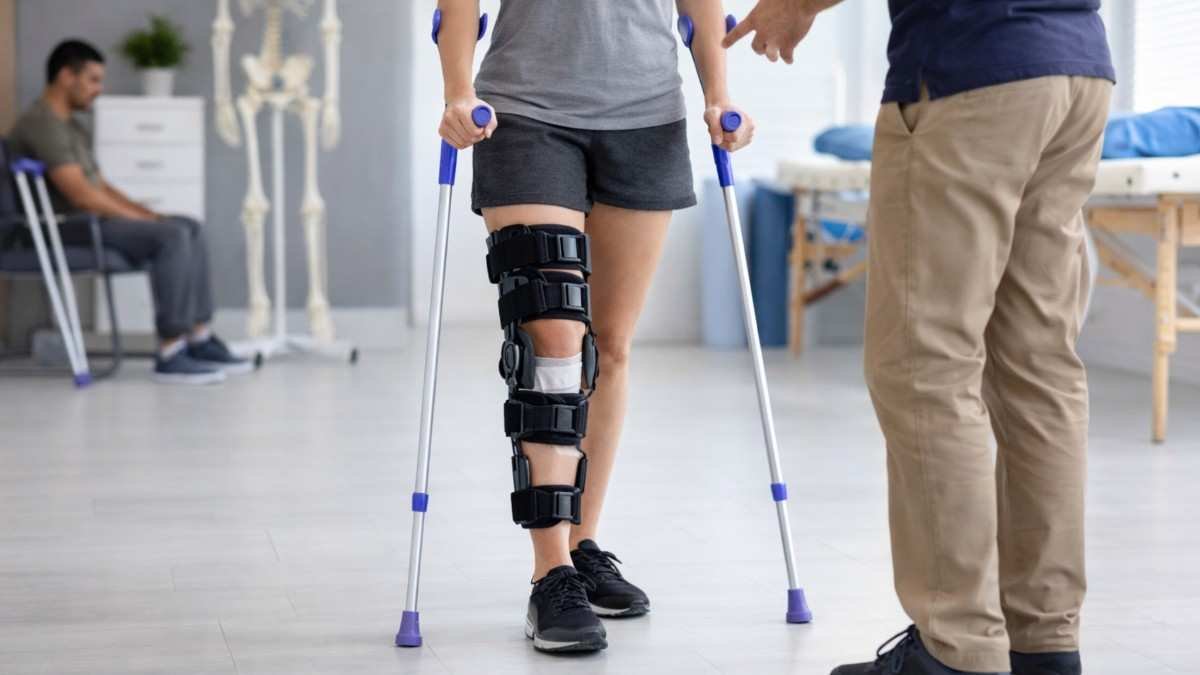
Orthopaedic problems can quietly disrupt everyday life, whether it’s difficulty climbing stairs, persistent back pain, or a sports injury that refuses to heal. Timely and appropriate treatment plays a crucial role in preventing long-term discomfort and supporting a smooth return to an active lifestyle. At Ananya Hospital, residents in and around Rajajinagar benefit from access to advanced orthopaedic care close to home, enabling faster diagnosis, effective treatment, and improved recovery outcomes.
Recognised for offering best orthopaedic care in Rajajinagar, Ananya Hospital has become a trusted destination for patients seeking specialized care for bone, joint, and muscle conditions. With a patient-focused approach and modern treatment options, the hospital supports individuals of all ages in regaining mobility, reducing pain, and improving overall quality of life.
Understanding Orthopaedic Care
Orthopaedics is the branch of medicine that focuses on the musculoskeletal system, bones, joints, ligaments, tendons, muscles, and nerves. These structures help us move, work, play, and perform daily tasks. When any part of this system is injured or affected by disease, even simple activities can become challenging.
Orthopaedic care includes:
- Diagnosis of bone and joint problems
- Treatment of injuries and degenerative conditions
- Surgical and non-surgical management
- Rehabilitation and physical therapy
- Preventive care to avoid future injuries
Whether it’s knee pain from arthritis, a slipped disc in the spine, or a torn ligament from sports, timely orthopaedic treatment prevents complications and speeds up recovery.
Expert Orthopaedic Care in Rajajinagar for Knee, Spine & Sports Injuries
Quality orthopaedic care in Rajajinagar brings convenience and continuity, allowing patients to attend follow-ups and physiotherapy sessions regularly without the burden of travel.
Key advantages include:
- Early diagnosis using advanced imaging
- Personalized treatment plans
- Availability of minimally invasive procedures
- Comprehensive rehabilitation support
- Patient education for long-term joint and spine health
When care is close to home, patients are more likely to complete their treatment and rehabilitation, leading to better outcomes.
Common Knee Problems and Their Treatment
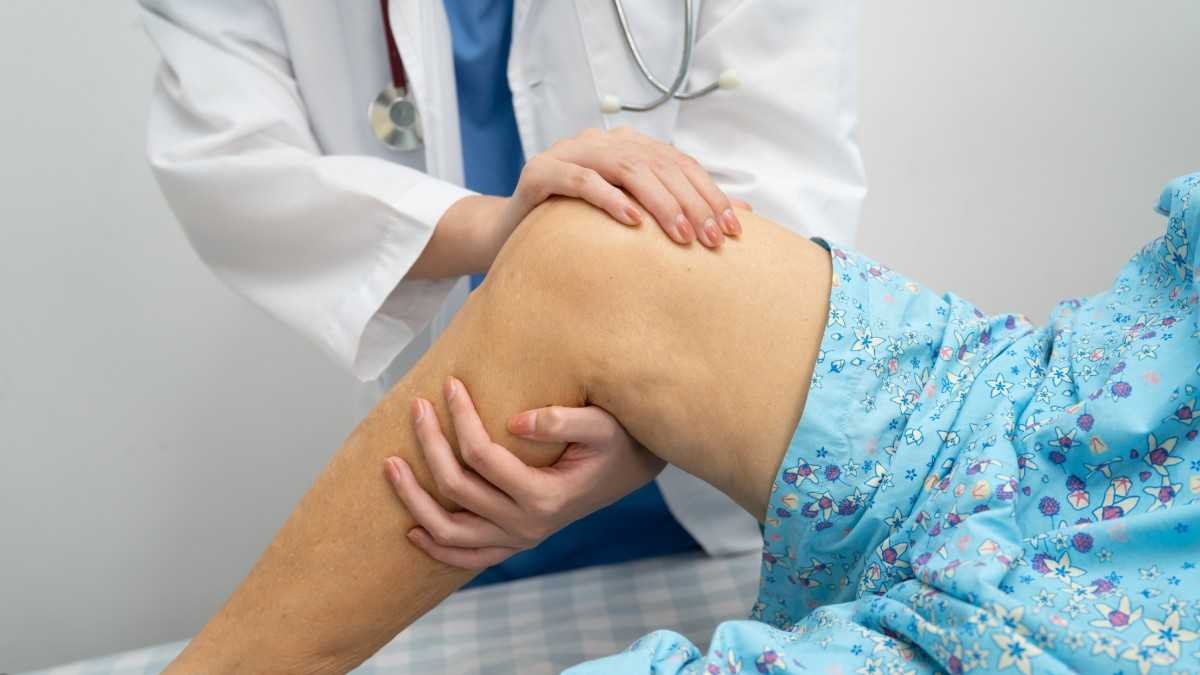
The knee plays a crucial role in almost every movement we make. It supports body weight, absorbs impact, and enables actions such as walking, running, and jumping. Due to this continuous strain, knee-related issues are common and often require specialized orthopaedic care services for proper diagnosis, treatment, and long-term relief.
1. Knee Arthritis
Arthritis causes the cartilage in the knee joint to wear away, leading to pain, stiffness, and swelling. It is more common in older adults but can also affect younger people due to injuries or obesity.
Treatment options include:
- Medications to reduce pain and inflammation
- Lifestyle changes such as weight management
- Physiotherapy to strengthen muscles around the knee
- Injections for joint lubrication or pain relief
- Knee replacement surgery in severe cases
2. Ligament Injuries (ACL, PCL, MCL)
Ligament injuries often occur during sports or sudden twisting movements. Symptoms include pain, instability, and difficulty walking.
Management may involve:
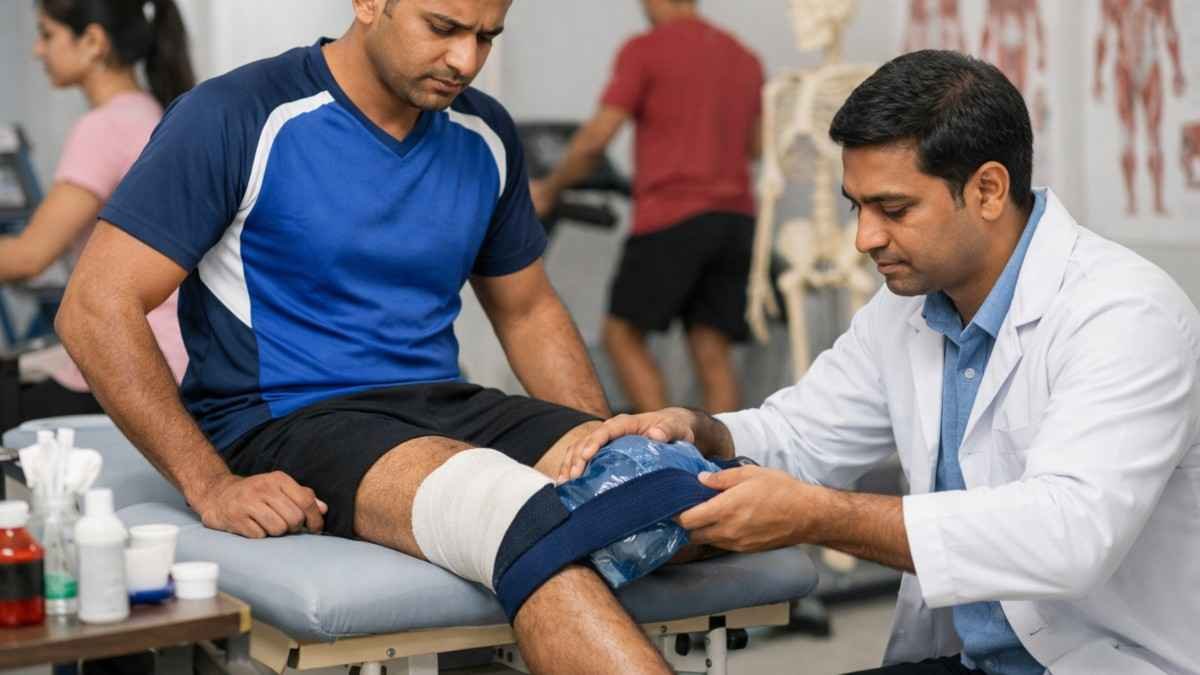
- Bracing and rest
- Physiotherapy to regain strength and stability
- Arthroscopic ligament reconstruction when necessary
3. Meniscus Tears
The meniscus acts as a cushion between the bones in the knee. Tears can happen due to sudden movements or age-related wear.
Treatment depends on severity:
- Rest and physiotherapy for minor tears
- Minimally invasive surgery for severe cases
Spine Care for Back and Neck Pain
Spine problems can affect both young professionals and older adults. Long hours of sitting, poor posture, heavy lifting, and age-related changes often contribute to back and neck pain.
Common Spine Conditions
1. Slipped Disc (Herniated Disc)
When the soft inner portion of a spinal disc bulges out, it can press on nerves and cause pain, numbness, or weakness in the arms or legs.
Treatment includes:
- Pain management and anti-inflammatory medications
- Physiotherapy and posture correction
- Lifestyle modifications
- Minimally invasive spine procedures if pain persists
2. Cervical and Lumbar Spondylosis
This is age-related wear and tear of the spinal discs and joints. This can contribute to stiffness, lasting pain, and irritation of nearby nerves.
Management approaches:
- Exercises to strengthen back and neck muscles
- Ergonomic adjustments at work
- Medications and physical therapy
- Surgical treatment in advanced cases
3. Sciatica
Sciatica causes pain that travels from the lower back down the leg due to nerve irritation.
Care focuses on:
- Reducing nerve pressure
- Improving flexibility and strength
- Guided physiotherapy programs
Early spine care prevents minor issues from turning into long-term disabilities.
Sports Injuries: Fast and Effective Recovery
Sports injuries are not limited to professional athletes. Weekend cricket players, gym-goers, runners, and even school children can experience injuries during physical activity.
Common Sports Injuries
- Sprains and strains
- Torn ligaments
- Fractures
- Tendon injuries
- Shoulder dislocations
Importance of Early Treatment
Ignoring a sports injury or returning to activity too soon can make the condition worse. Proper evaluation helps determine whether rest, bracing, physiotherapy, or surgery is required.
Rehabilitation Matters
Recovery doesn’t end with pain relief. Rehabilitation focuses on:
- Restoring strength and flexibility
- Improving balance and coordination
- Preventing re-injury
- Safe return to sports and daily activities
A structured rehab plan ensures long-term recovery rather than temporary relief.
When Should You See an Orthopaedic Specialist?
Many people ignore pain until it becomes severe. However, early consultation can prevent long-term damage.
You should seek orthopaedic care if you experience:
- Joint pain lasting more than a few days
- Swelling or stiffness in joints
- Difficulty walking or climbing stairs
- Back or neck pain with numbness or tingling
- Sports injuries with persistent pain or instability
- Limited movement in shoulders, knees, or hips
Prompt evaluation ensures the right treatment begins at the right time.
Non-Surgical vs Surgical Treatment
Not all orthopaedic problems require surgery. In fact, many conditions improve with conservative care.
Non-Surgical Treatments
- Medications
- Physiotherapy
- Lifestyle changes
- Braces and supports
- Joint injections
Surgical Treatments
Surgery is considered when conservative methods fail or when the injury is severe.
Modern orthopaedic surgery often uses minimally invasive techniques, which offer:
- Smaller incisions
- Less pain after surgery
- Shorter hospital stays
- Faster recovery
The goal is always to restore function while minimizing discomfort and downtime.
Role of Physiotherapy in Recovery
Physiotherapy is a crucial part of orthopaedic treatment. It helps patients regain strength, flexibility, and confidence in movement.
Benefits of physiotherapy include:
- Reduced pain and stiffness
- Faster recovery after surgery
- Improved posture and balance
- Prevention of future injuries
- Better joint and muscle function
Following the recommended exercise plan at home is just as important as attending therapy sessions.
Tips for Maintaining Bone and Joint Health
Prevention is always better than treatment. Simple lifestyle habits can keep bones and joints strong.
- Maintain a healthy body weight
- Exercise regularly with a mix of strength and flexibility training
- Practice good posture while sitting and standing
- Use proper techniques while lifting heavy objects
- Wear appropriate footwear during sports
- Get enough calcium and vitamin D
- Avoid smoking and excessive alcohol
Taking care of your musculoskeletal health today reduces the risk of problems later in life.
FAQs
1. When should knee pain be taken seriously?
Knee pain that lasts more than a few days, causes swelling, or makes walking difficult should be evaluated by an orthopaedic specialist.
2. Can back pain be treated without surgery?
Yes, most back pain improves with medications, physiotherapy, posture correction, and lifestyle changes. Surgery is needed only in specific cases.
3. How long does recovery from a sports injury take?
Healing time differs depending on how severe and what kind of injury it is. Minor sprains may heal in weeks, while ligament surgeries can take several months with rehabilitation.
4. Is physiotherapy necessary after orthopaedic surgery?
Yes, physiotherapy is essential to restore strength, mobility, and proper joint function after surgery.
5. How can I prevent sports injuries?
Warm up before exercise, use proper techniques, wear supportive gear, and avoid overtraining to reduce the risk of sports injuries.
Conclusion
Living with knee pain, back problems, or sports injuries can affect both work and everyday life. The right orthopaedic support helps individuals regain mobility and confidence. With modern treatment techniques, care from an experienced orthopaedic surgeon in Rajajinagar, and a strong focus on rehabilitation, patients receive comprehensive, personalised treatment at Ananya Hospital, contact now to take the first step toward recovery. From accurate diagnosis to complete recovery, Ananya Hospital is committed to helping people in Rajajinagar return to an active, pain-free lifestyle.