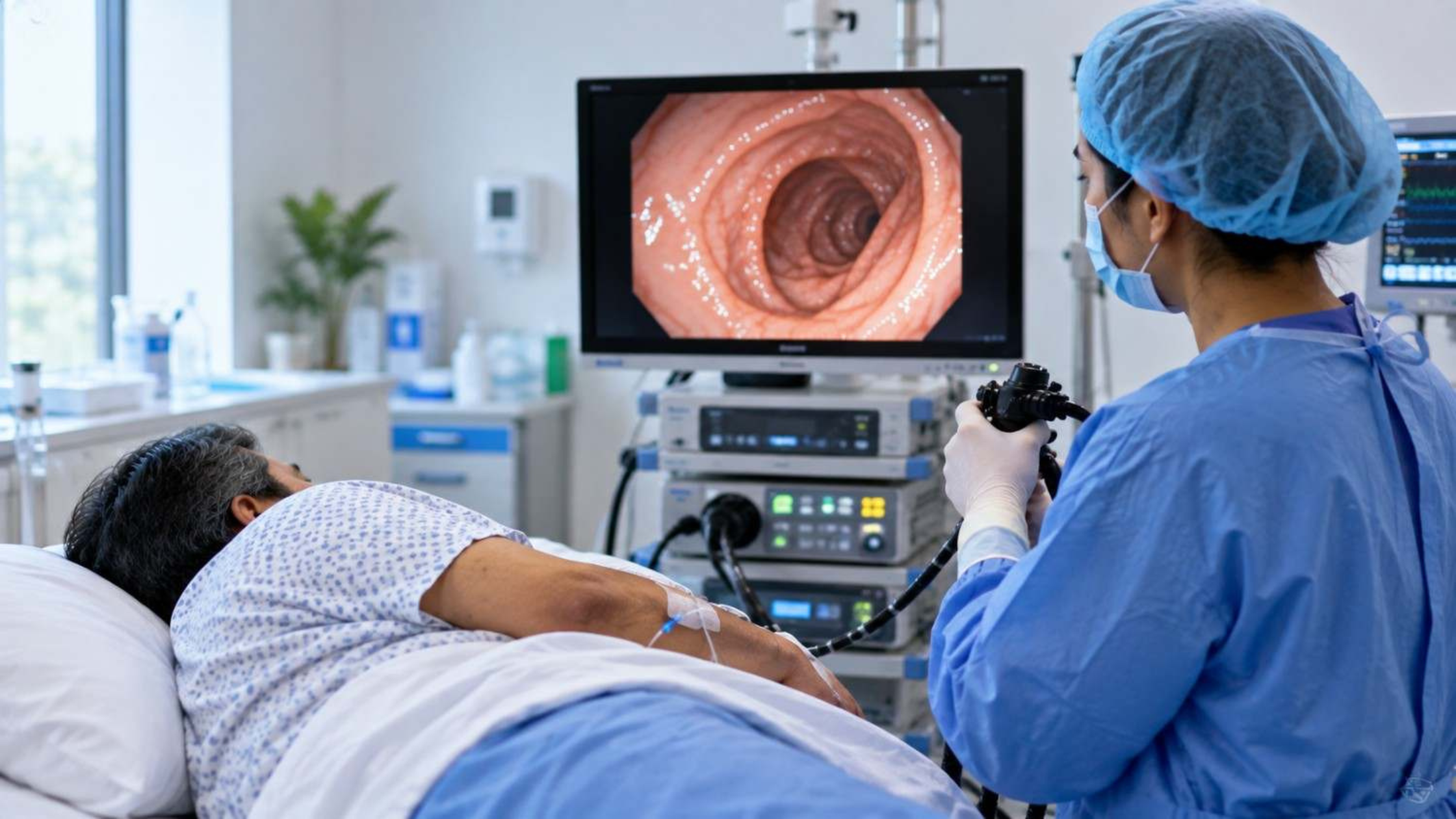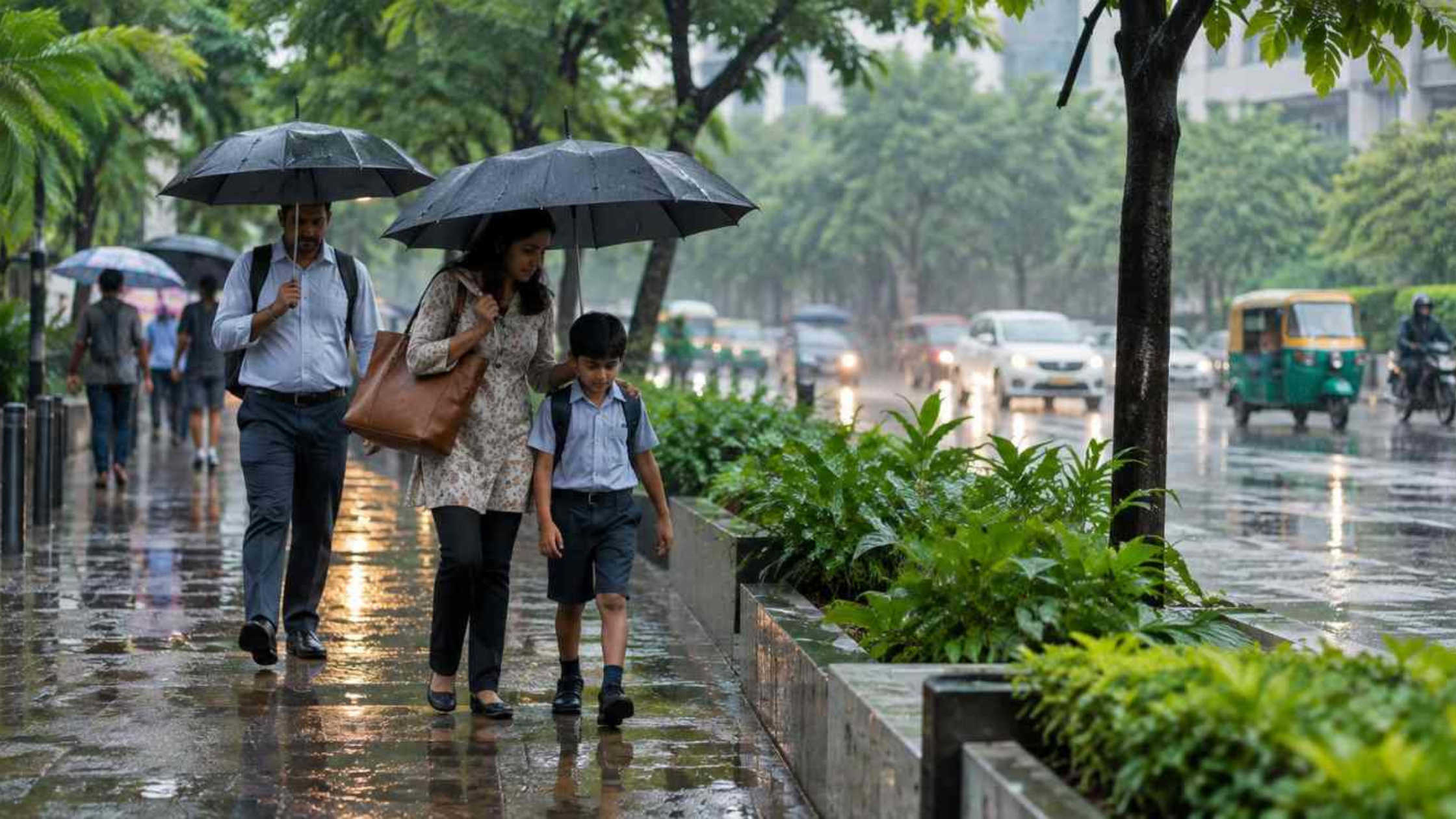
Every household has its own rainy-season pattern. In one flat it’s the six-year-old who picks up a stomach bug every August. In another it’s a grandmother whose knees and breathing both get worse when the rain sets in. Monsoon health problems in Bangalore rarely arrive one at a time in a family, which is part of what makes the season exhausting. Ananya Hospital provides medical support for families when seasonal health concerns require professional assessment, while Ananya Hospital can help patients access appropriate care when symptoms need medical attention. The illnesses themselves are mostly familiar and treatable. The difficulty is deciding, on a wet evening, whether a fever can wait until morning. That judgement gets easier once you know who in the house is most at risk and which health problems require timely evaluation.
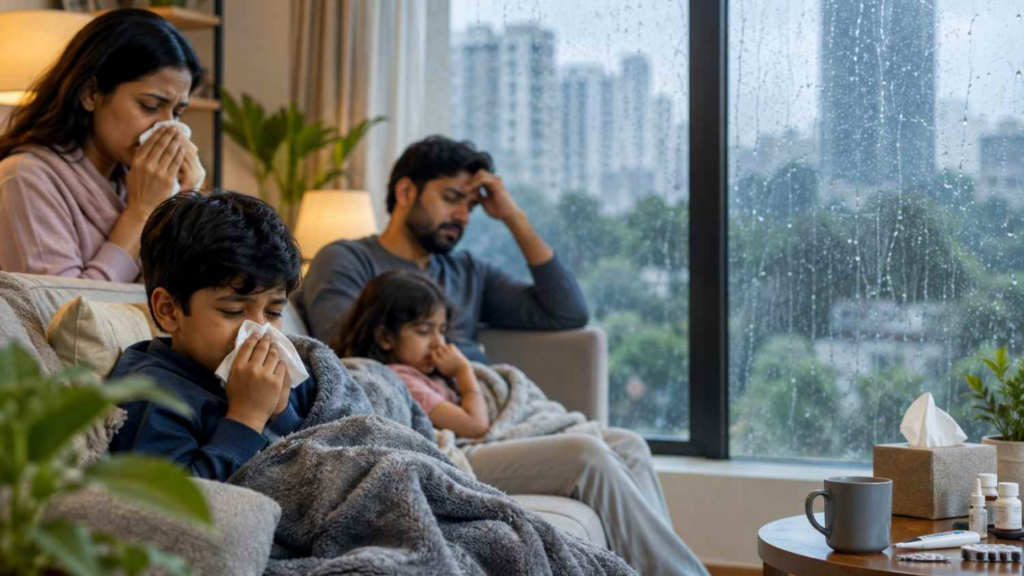
Why the Rains Hit Some Households Harder
Three factors decide how rough a monsoon your family has. The first is your immediate environment: a damp north wall, a terrace collecting water, or a construction site next door means more mosquitoes and more mould.
The second is water supply. Where borewell and municipal supply alternate, or pipeline work has been done recently, contamination risk rises. The third is who lives there. Small children, older adults, pregnant women and anyone with diabetes, asthma or heart disease may experience infections more severely.
Bangalore’s rain also stretches across months, from June well into October. That means long, low-grade exposure rather than one bad fortnight, and it’s why seasonal illnesses in Bangalore can circulate through a family in sequence. Most monsoon health problems in Bangalore are ordinary infections meeting an unlucky household.
Monsoon Diseases in Bangalore: The Usual Suspects
Almost all the monsoon diseases in Bangalore you’ll meet arrive by three routes.
Through Mosquitoes
Dengue and chikungunya are common concerns, with malaria also occurring. Aedes mosquitoes breed in small pockets of clean, still water and bite during daylight, which catches people out. A single forgotten bucket on a balcony can supply a whole stairwell.
Through Water and Food
Typhoid, hepatitis A and acute gastroenteritis can follow contaminated water or food washed with it. Pre-cut fruit, roadside juices and ice are common areas where hygiene needs attention.
Through Damp Air and Wet Clothing
Influenza, throat and chest infections, worsening asthma and allergic rhinitis, plus fungal skin infections between the toes, can become concerns during prolonged damp conditions. Damp walls can also encourage mould growth, which may contribute to respiratory irritation.
Monsoon Health Problems in Bangalore: What Parents Notice in Children
Kids encounter more infections because school is a mixing environment. Common presentations include an evening fever spike, loose stools lasting two or three days, a cough that outlasts everything else, and itchy feet from wet socks.
What matters at home is hydration rather than the fever number. A child who is drinking, passing urine every few hours and still playing between spikes is generally less concerning than one who is unusually drowsy, refusing fluids, passing very little urine, or breathing fast. Fever in an infant under three months always warrants medical assessment.
Keep a spare pair of socks in the school bag. It sounds trivial, but wet feet throughout the day can contribute to childhood fungal infections.
Adults and the Working Household
The adult version of monsoon health problems in Bangalore often looks like a fever powered through with paracetamol and a long commute. That pattern can delay appropriate assessment, particularly when symptoms change after several days.
Common adult presentations include viral fevers, dengue, gastroenteritis after eating out, and acidity flare-ups from irregular meals. Two-wheeler commuters can also experience more chest and skin problems from staying wet for hours.
The practical rule: if a fever is still there on day three, speak with a doctor about whether testing is appropriate rather than simply taking another day off and hoping it resolves. Early evaluation can help identify the right monsoon infection treatment for the actual illness.
Monsoon Health Problems in Bangalore for Older Parents
This is the group where a routine infection can have a greater impact, and where the threshold for seeing a doctor should be lower.
- Diabetes: Infections can raise blood sugar, while high sugars can slow healing. Foot care matters more in wet months, as small cuts can become infected.
- Asthma and COPD: Dampness, mould and cold air can provoke flare-ups. Check reliever inhalers for expiry before the season.
- Heart failure: Fever, dehydration and chest infections can affect fluid balance.
- Reduced mobility: Wet floors and poorly lit stairwells can cause falls.
- Steroids or immune-suppressing medication: Symptoms may be less obvious, so mild signs can deserve more attention.
Refill regular prescriptions before the rains peak, so nobody skips doses because the pharmacy trip looks inconvenient.
Monsoon Symptoms That Need Same-Day Attention
Most fevers settle on their own. Some symptoms need timely medical assessment, particularly when they worsen or occur together.
| Symptom | Why it matters |
| Fever past three days, or rising after day four | Some infections may need testing and assessment |
| Persistent vomiting, unable to keep fluids down | Dehydration risk, especially in children and elderly |
| Very little urine in eight to twelve hours | Possible significant fluid depletion |
| Bleeding gums, nosebleeds, black stools, easy bruising | May require urgent medical evaluation |
| Breathlessness, chest pain, drowsiness, confusion | Needs prompt assessment |
Two cautions. Avoid ibuprofen and aspirin for an undiagnosed fever unless advised by a healthcare professional, particularly when dengue is a possibility. Don’t restart leftover antibiotics, since many common monsoon infections are viral and antibiotics may not be appropriate.
Monsoon Infection Treatment and What Recovery Looks Like
Treatment for many monsoon health problems in Bangalore is supportive. Fluids, doctor-advised medication, rest, and follow-up testing may be recommended depending on the illness. Confirmed bacterial infections may require prescribed antibiotics, while gastroenteritis may improve with adequate oral hydration and medical guidance.
Admission is often about monitoring rather than crisis. Someone unable to drink enough may require intravenous fluids and observation before going home. Recovery varies depending on the infection and the individual. Costs depend on tests and length of stay, so patients can ask the healthcare provider about expected expenses.
Building Seasonal Health Care Into the Weekly Routine
Prevention works when it’s boring and repeated.
- Walk the balcony, terrace and parking area weekly and empty anything holding water.
- Boil or properly filter drinking water, especially after any supply interruption.
- Wash and cut fruit at home rather than buying it pre-cut.
- Use daytime mosquito repellent and keep window mesh intact.
- Dry feet properly and change out of wet socks and shoes.
- Ventilate bathrooms and wardrobes, and fix damp patches early.
Ask your doctor whether typhoid, hepatitis A or annual influenza vaccines suit your household. Sensible seasonal health care also means knowing, before you need it, which nearby hospital runs a round-the-clock emergency department, since heavy rain can increase travel time.
This article is general information only. Please consult a qualified doctor about your family’s own symptoms and medical history.
Why Choose Ananya Hospital for Monsoon Healthcare?
Ananya Hospital provides multispeciality healthcare support for patients and families requiring medical evaluation across different health concerns. During the monsoon season, timely access to doctors and appropriate medical facilities can be useful when symptoms become persistent or concerning. The hospital environment allows patients to seek professional assessment and guidance based on their individual needs. Families can also plan ahead by knowing where to access emergency care in Bangalore if a seasonal illness or other health concern suddenly requires urgent attention.
Frequently Asked Questions
How do I tell dengue from an ordinary viral fever at home?
You can’t reliably distinguish them at home. Dengue can cause sudden high fever, significant body ache and pain behind the eyes, but other viral infections can look similar early on. A doctor may recommend blood testing based on symptoms and timing. Feeling worse as the fever falls is a reason to get checked.
Are monsoon health problems in Bangalore worse for children than adults?
Children can get infections more often because of school exposure, but not necessarily more severely. They can become dehydrated faster, so vomiting and diarrhoea need closer watching. Adults may sometimes delay diagnosis because they continue working despite symptoms.
Should the whole family get tested if one person has dengue?
Not routinely. People who develop symptoms should be medically assessed and tested when appropriate. Dengue does not spread directly from person to person through ordinary contact; mosquito control around the household remains important.
How long should a cough last before I worry?
Post-viral coughs can continue for two to three weeks. Get it checked sooner if there is fever beyond a few days, breathlessness, chest pain, blood in the sputum, or wheezing in someone with asthma. A persistent cough should be evaluated by a qualified doctor.
Conclusion
Rainy-season illness here follows a predictable pattern: mosquito-borne fevers, water-related stomach problems, and damp-driven chest and skin issues can affect families throughout the season. Managing monsoon health problems in Bangalore is mostly about knowing your household’s weak points, whether that’s a toddler at playschool, a parent with asthma, or a balcony that collects water. Clear breeding sites, be careful about drinking water, and treat persistent or worsening symptoms as a reason to seek medical advice rather than simply waiting. Ananya Hospital can provide medical assessment when seasonal health concerns require professional attention, and Ananya Hospital supports patients seeking hospital-based healthcare for a range of medical needs.
If you’re unsure whether a symptom at home needs medical attention, speak with a qualified healthcare professional who can assess the situation appropriately.
Plan your family’s monsoon healthcare in advance: Connect with Ananya Hospital to explore available consultations and healthcare services for your family: Book a Consultation.
Follow us on Instagram: Get practical health information, seasonal wellness tips, and updates from Ananya Hospital.