Most families discover their weak spot the hard way. A bucket left on the terrace, a filter cartridge nobody changed since last Diwali, a school bag that never dries out. Monsoon illness prevention in Bangalore isn’t complicated medicine, and it very rarely involves anything you’d buy from a chemist. It’s mostly a handful of household habits repeated every week during the rainy season. Ananya Hospital provides medical care for families when seasonal health concerns require professional attention, while Ananya Hospital can also help patients understand when symptoms need medical evaluation. What follows are practical steps that can help reduce common monsoon-related health risks

Where Monsoon Illness Actually Starts in a Home
Three routes cover nearly everything. Mosquitoes breeding in small pockets of still water within your own building. Contaminated drinking water, usually after a supply interruption or pipeline work. And damp indoor air that encourages mould, along with wet clothes and shoes that stay wet all day.
Notice what’s missing: bad luck, cold weather, getting caught in the rain. Getting drenched doesn’t give you dengue or typhoid. What it does is keep you damp for hours, a real problem for skin and airways but a separate one. Monsoon illness prevention in Bangalore works when you aim effort at those three actual routes.
Monsoon Illness Prevention in Bangalore Starts With a Weekly Water Walk
Aedes mosquitoes, which carry dengue and chikungunya, breed in clean, still water in surprisingly small amounts. A saucer under a potted plant is enough. They also bite in daylight, so night-time precautions alone miss them. Any serious monsoon disease prevention at home has to start with this step.
Inside the Flat
Check plant saucers, vases, water dispensers’ drip trays, the tray under the fridge, air cooler tanks and any bucket kept “just in case”. Empty and scrub rather than only tipping out, since eggs stick to the sides and survive drying.
Outside and Shared Areas
Terraces collect water in unexpected places. So do parking areas, unused sinks in the utility balcony, sunshades over windows, and open overhead tanks. If your building has a construction site next door, raise it with the association rather than assuming someone else has.
Do this walk weekly at a fixed time. Sunday morning works for most households, because you’ll actually remember. No other single habit does more for monsoon disease prevention at home.
Drinking Water and Food: Seasonal Infection Prevention That Works
Typhoid, hepatitis A and gastroenteritis can enter the household through contaminated food or water, which makes seasonal infection prevention fairly straightforward. The precautions are unglamorous but reliable.
- Boil water for a rolling minute, or use a properly maintained RO or UV filter. Set a calendar reminder for cartridge changes, since overdue filters are worse than none.
- Be stricter for a few days after any supply disruption, tanker delivery or pipeline repair in your area.
- Wash and cut fruit at home instead of buying it pre-cut, where the washing water is the unknown.
- Skip ice from roadside stalls and juices made with unfiltered water.
- Eat freshly cooked food. Reheat leftovers thoroughly rather than eating them cold from the fridge.
- Keep raw and cooked food separate, and wash hands before cooking and eating.
If you eat out often, the compromise for monsoon illness prevention in Bangalore is to favour hot, freshly cooked dishes over salads, chutneys and anything served at room temperature. Heat is the variable that matters.
Monsoon Hygiene Tips for Wet Commutes and School Bags
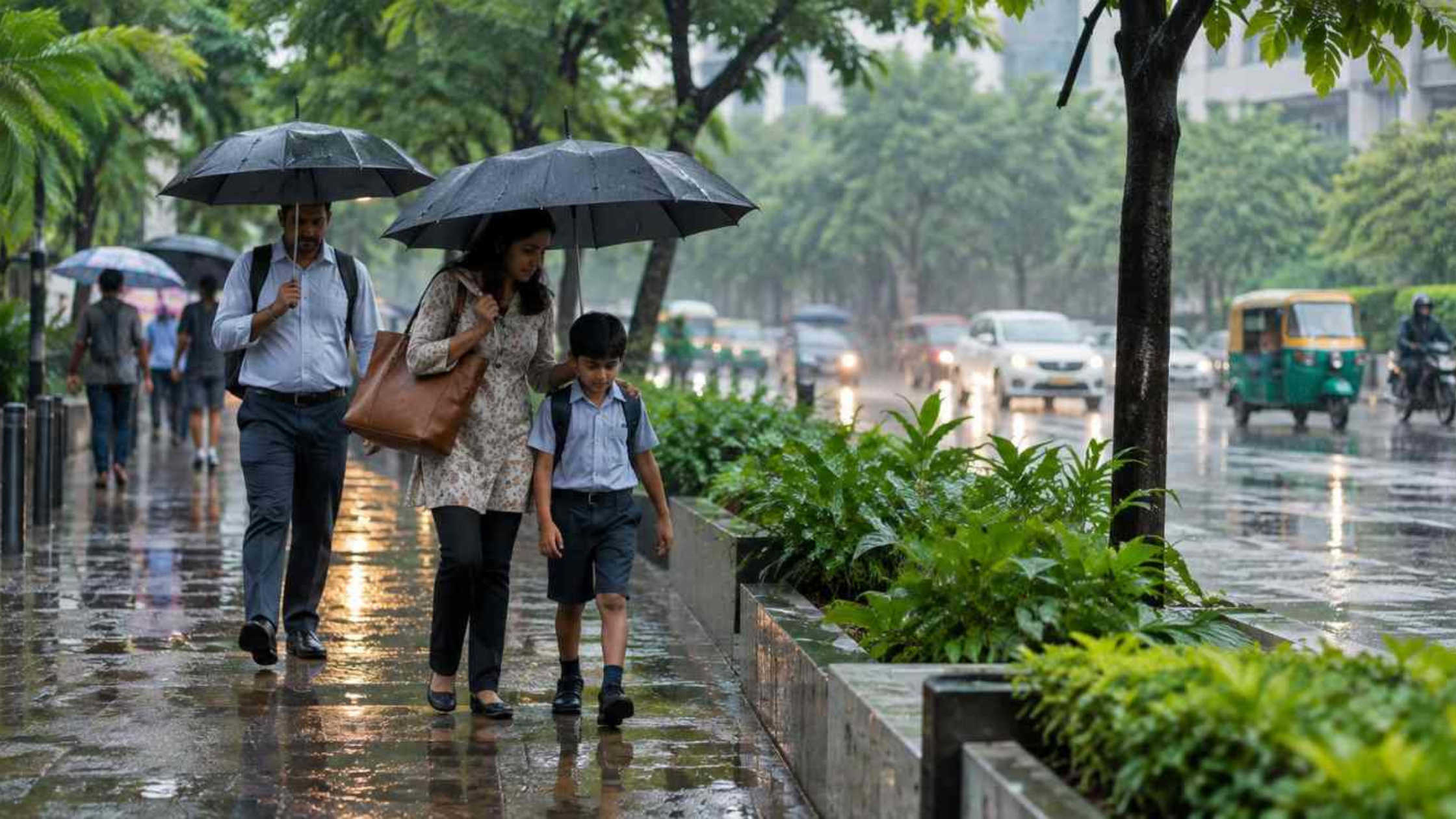
Two-wheeler riders and schoolchildren spend the most hours wet, and they can experience more skin and respiratory problems as a result.
Carry spare socks and change out of wet ones rather than letting them dry on your feet. Dry between the toes. Rotate two pairs of shoes so each gets a full day to dry, because wearing the same damp pair daily can encourage fungal infections. A raincoat covering the legs beats an umbrella on a scooter.
For children, pack a small towel and spare socks, and check between the toes weekly. Sensible monsoon hygiene tips also include not sharing towels, since that can contribute to skin problems moving between siblings.
Wash hands properly after commuting, before eating and after using shared toilets. It sounds obvious. It remains one of the simplest steps in monsoon illness prevention in Bangalore.
Damp, Mould and Breathing
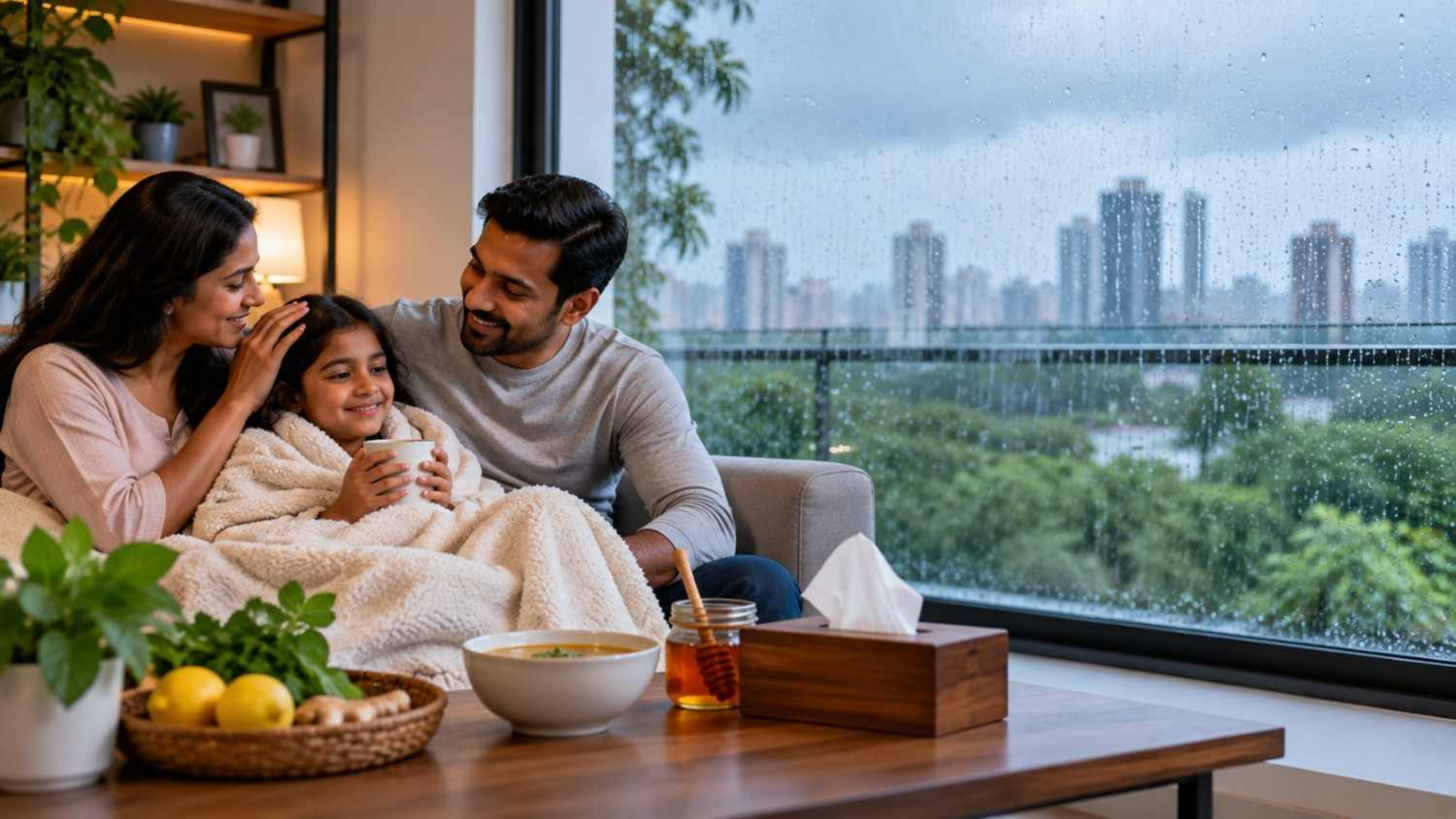
Bangalore homes rarely get truly cold, but they do get persistently humid, and that grows mould on walls, behind cupboards and inside wardrobes. Preventing seasonal illnesses affecting the chest starts with controlling dampness indoors.
What Helps
Open windows whenever the rain pauses, even in a small flat. Use exhaust fans in bathrooms and kitchens rather than leaving doors open. Dry clothes outside the bedroom, since indoor drying raises humidity sharply. Treat damp patches on walls when they first appear instead of repainting over them.
Who Should Care Most
Anyone with asthma, allergic rhinitis or COPD should pay particular attention to indoor dampness. Check reliever inhalers for expiry before the season, and ask your doctor whether preventive treatment needs adjusting. A flare-up avoided is worth more than one treated well.
Monsoon Illness Prevention in Bangalore: Preparing Before the Peak
A little preparation before the rainy season can save a lot of scrambling later.
- Ask your doctor whether typhoid, hepatitis A or annual influenza vaccination suits your household, particularly with young children or older adults at home.
- Refill regular prescriptions for diabetes, blood pressure, asthma and thyroid so nobody skips doses during a bad rain week.
- Restock a basic home kit: thermometer, oral rehydration salts, paracetamol, mosquito repellent, and any inhalers.
- Get a pending routine check-up done before the season rather than during it.
- Find out which hospital near you runs a round-the-clock emergency department, and how long it takes to reach in heavy traffic.
That last point matters more than people expect. Preventing seasonal illnesses is the goal, but knowing where to go at midnight limits the damage when prevention fails. Good monsoon disease prevention includes having a plan for the times it doesn’t work.
Monsoon Health Tips in Bangalore for Higher-Risk Family Members
Not everyone needs the same level of caution. These groups do.
| Who | Extra precaution during the rains |
| Infants and toddlers | Strict water safety, daytime mosquito nets, early review for any fever |
| Pregnant women | Prompt review for fever, careful food hygiene, no self-medication |
| Older adults | Non-slip footwear indoors, flu vaccination discussion, lower threshold to see a doctor |
| Diabetes | Daily foot checks, prompt care for any cut, tighter sugar monitoring |
| Asthma or COPD | Damp control at home, inhaler review before the season |
| On immune-suppressing drugs | Early medical review even for mild symptoms |
Practical monsoon health tips in Bangalore for these groups are less about doing more things and more about acting sooner. A fever a healthy adult might watch for three days is often worth a call on day one here.
For children with persistent fever or other concerning symptoms, parents can consult a pediatrician specialist in Bangalore for appropriate medical guidance. Adults with ongoing symptoms can discuss their concerns with a general physician in Bangalore before deciding on further care.
This article is general information only. Please consult a qualified doctor about your own health and your family’s, rather than relying on general advice alone.
Why Choose Ananya Hospital for Family Healthcare?
Ananya Hospital provides medical care across multiple specialties, supporting families with access to doctors and healthcare services for different health concerns. For seasonal illnesses that require professional assessment, having access to a multispeciality hospital can help patients receive appropriate evaluation and guidance. Families can also consider a hospital with emergency care hospital in Rajajinagar services when a health concern becomes urgent. Choosing the right healthcare facility in advance can make it easier to seek timely medical attention during the monsoon season.
Frequently Asked Questions
Does getting wet in the rain actually cause fever?
Not directly. Rain doesn’t carry dengue or typhoid. What being wet for hours does is irritate airways, encourage fungal skin infections and make you uncomfortable, which is reason enough to dry off promptly. The infections themselves come from mosquitoes, contaminated water or other people.
How often should I change my water filter cartridge?
Follow the manufacturer’s schedule, usually based on months or litres filtered. Overdue cartridges can harbour bacteria, so a neglected filter is genuinely worse than boiling. Many households boil as well during heavy rain weeks or after any supply interruption, which is a sensible extra layer.
Is there a vaccine that covers monsoon illness prevention in Bangalore?
No single vaccine covers everything. Typhoid, hepatitis A and annual influenza vaccines are available and worth discussing with your doctor. There’s no single vaccine that prevents all common monsoon illnesses, so mosquito control, food safety and hygiene remain important.
Do mosquito repellent plug-ins work against dengue mosquitoes?
They can help indoors but shouldn’t be your only measure. Aedes mosquitoes bite in daylight and often outdoors or on balconies, where plug-ins do nothing. Removing breeding sites, using topical repellent during the day and keeping window mesh intact together provide broader protection.
Conclusion
Nearly all of this comes down to three habits: clear standing water every week, be disciplined about drinking water and food, and don’t stay wet for hours. Effective monsoon illness prevention in Bangalore is repetitive rather than clever, and households that manage the season well are usually the ones doing ordinary things consistently. Prepare in advance for anyone at higher risk, keep regular medicines stocked, and lower your threshold for getting a fever checked once the rains set in. Ananya Hospital can provide medical support when seasonal health concerns require professional assessment, and Ananya Hospital remains an option for families seeking hospital-based healthcare when symptoms need evaluation.
If you’re unsure which precautions or vaccinations are appropriate for your household, speak with a qualified doctor rather than relying on general advice.
Need medical guidance? Contact Ananya Hospital to discuss your healthcare needs or book a consultation.
Follow us on Instagram: Stay connected with Ananya Hospital for health tips, patient information, and healthcare updates.