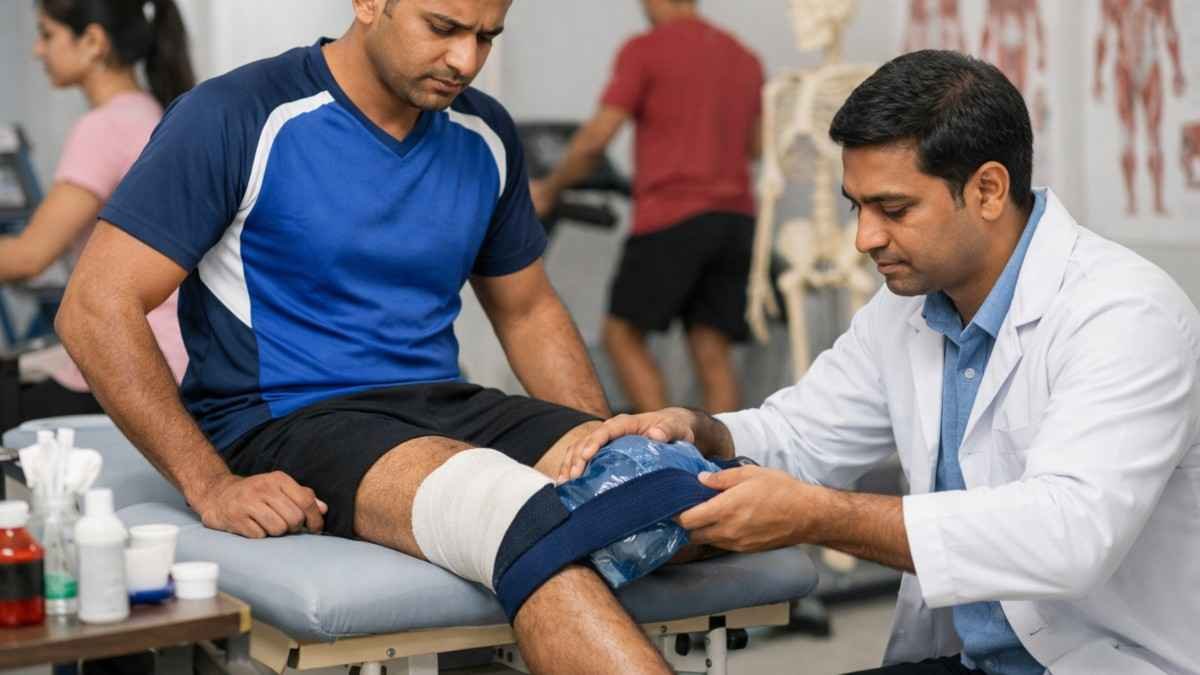
Staying active is an important part of a healthy lifestyle, but physical activity can sometimes lead to injuries. Whether you are a professional athlete, a fitness enthusiast, or someone who enjoys weekend games, sports injuries can happen unexpectedly. Quick and proper treatment is essential to prevent long-term complications and ensure a safe return to activity.
For individuals seeking dependable treatment, Ananya Hospital, known for offering the best sports injury care services in Vijayanagar, provides structured injury management programs focused on faster healing and complete recovery. With a patient-centered approach and modern treatment options, Ananya Hospital supports people of all ages in restoring strength, improving mobility, and regaining confidence after a sports-related injury.
Understanding Sports Injuries
Sports injuries occur during physical activities such as running, football, cricket, gym workouts, cycling, or even yoga. These injuries can affect muscles, ligaments, tendons, bones, and joints.
Sports injuries are generally divided into two types:
Acute Injuries
These happen suddenly due to a fall, collision, or improper movement. Examples include fractures, sprains, dislocations, ligament and muscle tears.
Overuse Injuries
These develop gradually due to repetitive strain on a particular body part. Examples include tendinitis, stress fractures, and shin splints.
Both types require proper evaluation and care to prevent worsening of the condition.
Common Sports Injuries Seen in Active Individuals
Various activities put stress on different areas of the body. Some of the most commonly treated sports injuries include:
- Ankle sprains from twisting movements
- Knee ligament injuries during sudden stops or direction changes
- Shoulder dislocations in contact sports
- Muscle strains from overexertion
- Tennis elbow due to repetitive arm movements
- Stress fractures from continuous impact activities
Ignoring pain or continuing activity after injury can increase recovery time and lead to chronic issues.
Specialized Sports Injury Care in Vijayanagar to Help You Recover Faster
Access to expert sports injury care in Vijayanagar – expert treatment for faster recovery, allows patients to receive specialized care close to home. This ensures consistent follow-ups, easier physiotherapy sessions, and better monitoring of healing progress.
Expert sports injury care focuses on:
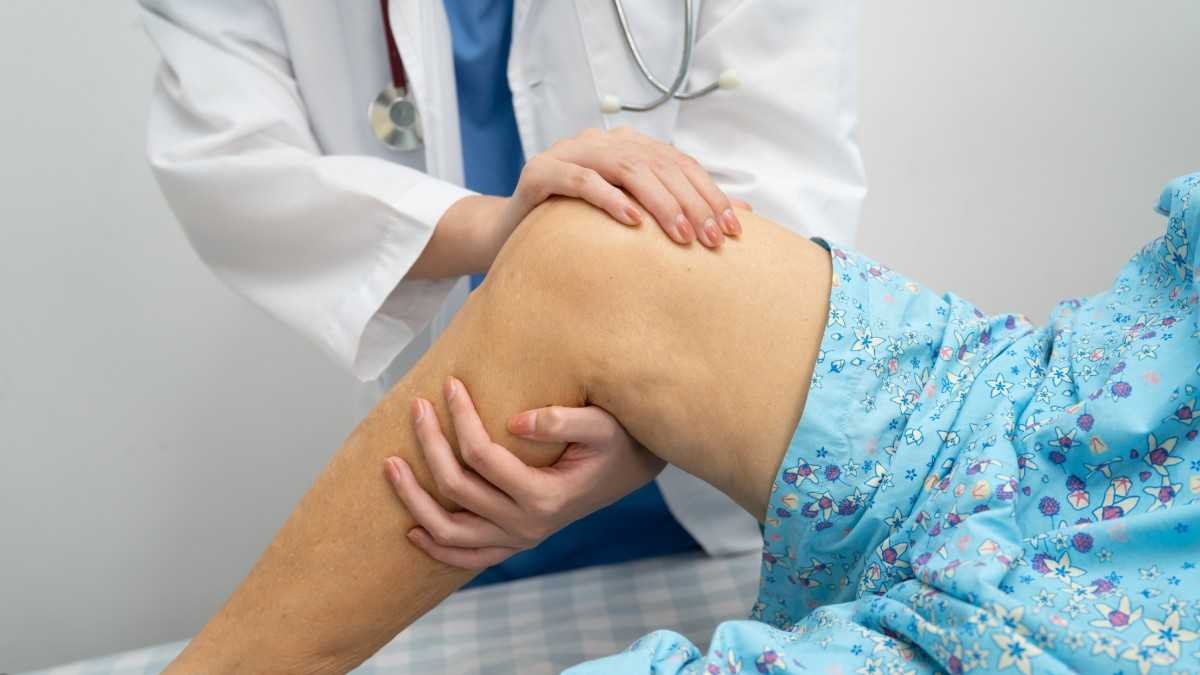
- Accurate assessment using imaging when required
- Individualized treatment plans
- Combination of medical care and rehabilitation
- Gradual return-to-sport strategies
- Education on injury prevention
A balanced approach ensures recovery without rushing back into activity too soon.
Non-Surgical Treatment Options
Not all sports injuries require surgery. Many conditions respond well to conservative treatment.
Rest and Activity Modification
Allowing the injured area to heal is the first step. Temporary restriction of activity prevents further strain.
Medications
Pain relievers and anti-inflammatory medicines reduce swelling and discomfort.
Physiotherapy
Physiotherapy helps restore strength, flexibility, and balance. It is essential for proper recovery and injury prevention.
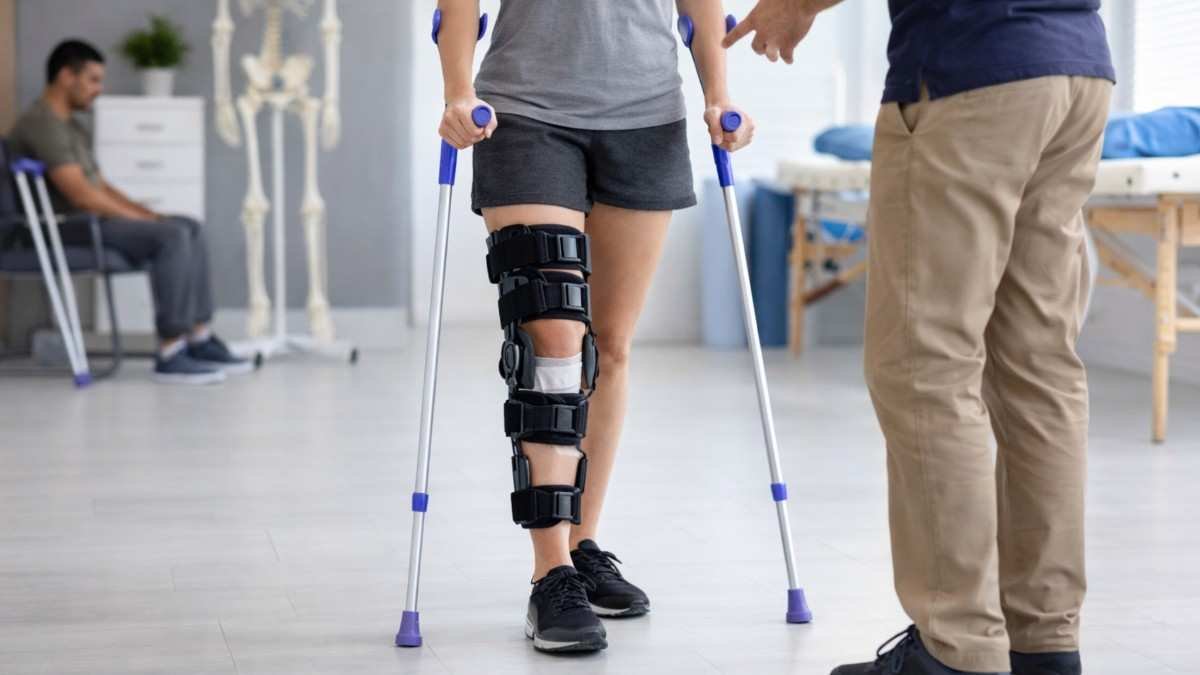
Braces and Supports
Knee braces, ankle supports, or shoulder slings protect the injured area during healing.
Importance of Early Diagnosis
Many athletes try to “push through the pain,” assuming it will go away on its own. However, untreated injuries can worsen and lead to long-term joint instability or muscle weakness.
Early diagnosis helps:
- Identify the exact cause of pain
- Prevent further damage
- Start appropriate treatment quickly
- Reduce recovery time
- Avoid future complications
Prompt medical evaluation ensures a structured recovery plan instead of temporary relief.
When Is Surgery Needed?
Surgical treatment is considered when injuries are severe or do not improve with non-surgical care.
Common conditions that may need surgery include:
- Torn ligaments such as ACL injuries
- Severe cartilage damage
- Complex fractures
- Recurrent joint dislocations
- Ligament and rotator cuff injuries of shoulder
Modern surgical techniques often use minimally invasive methods that reduce pain and speed up recovery.
Role of Rehabilitation in Faster Recovery
Rehabilitation is one of the most important aspects of sports injury treatment. It ensures that the injured area regains full function.
Goals of Rehabilitation
- Restore range of motion
- Rebuild muscle strength
- Improve balance and coordination
- Prevent stiffness
- Prepare the body for safe return to activity
Skipping rehabilitation increases the risk of re-injury.
Gradual Return to Sports
Returning to sports too early can delay healing progress. A step-by-step plan is essential.
Return-to-Play Process
- Pain-free movement in daily activities
- Light strengthening exercises
- Sport-specific drills
- Supervised practice sessions
- Full return to competition
This structured approach reduces the chance of repeated injury.
Preventing Sports Injuries
Prevention is always better than treatment. Simple precautions can lower the risk of injury.
- Warm up before exercise
- Stretch after workouts
- Wear proper sports footwear
- Use correct techniques
- Avoid overtraining
- Stay hydrated
- Take rest days
Listening to your body and addressing minor pain early can prevent serious injuries.
Nutrition and Hydration for Healing
Proper nutrition supports tissue repair and overall recovery.
Key Nutrients
- Protein for muscle repair
- Calcium and Vitamin D for bone strength
- Iron for energy levels
- Fluids to prevent dehydration
A balanced diet improves healing speed and overall performance.
Psychological Support During Recovery
Injuries can be mentally challenging, especially for active individuals. Temporary restrictions may cause frustration or anxiety. Encouragement, realistic goals, and professional guidance help patients stay motivated during recovery.
When to Seek Medical Help
You should consult a specialist if you experience:
- Chronic Swelling
- Severe pain during movement
- Joint instability
- Difficulty bearing weight
- Numbness or tingling
- Repeated injuries in the same area
Timely care ensures proper healing and reduces downtime.
FAQs
1. What is the typical recovery time for a sports injury?
Healing time depends on how severe the injury is and the type of tissue involved. Minor injuries may heal in weeks, while ligament injuries can take several months.
2. Can I continue exercising with mild pain?
It is not advisable. Exercising with pain can worsen the injury. A medical evaluation is recommended.
3. Is physiotherapy necessary after a sports injury?
Yes, physiotherapy helps restore strength, flexibility, and proper movement, reducing the risk of re-injury.
4. How can I prevent ankle sprains?
Wear supportive footwear, strengthen ankle muscles, and warm up before physical activity.
5. When is surgery required for sports injuries?
Surgery may be needed for severe ligament tears, fractures, or injuries that do not improve with non-surgical treatment.
Conclusion
Sports injuries can disrupt daily routines and athletic goals, but timely and appropriate care helps make recovery safer and more effective. Early diagnosis, expert medical treatment, and structured rehabilitation play a key role in achieving better healing outcomes. With comprehensive sports injury services, Ananya Hospital, offering sports injury treatment in Vijayanagar, supports individuals in restoring strength and mobility after injury. Through personalized treatment plans and guided rehabilitation programs, Ananya Hospital remains committed to helping patients return to active lifestyles with confidence. Consult now to begin your recovery journey with expert care.