Medical advancements have transformed the way procedures are performed today. Traditional open procedures, which often required large incisions and longer recovery periods, are now being replaced by safer and more efficient techniques. One such advancement is minimally invasive surgery, a modern approach that allows doctors to perform procedures with smaller incisions, less discomfort, and faster recovery.
For patients seeking surgical care, Ananya Hospital offers expert laparoscopy procedures in Bangalore and minimally invasive orthopaedic surgery designed to improve patient comfort and treatment outcomes. With modern equipment and experienced specialists, Ananya Hospital focuses on providing safe procedures, reduced hospital stays, and faster healing for patients.
What Is Minimally Invasive Surgery?
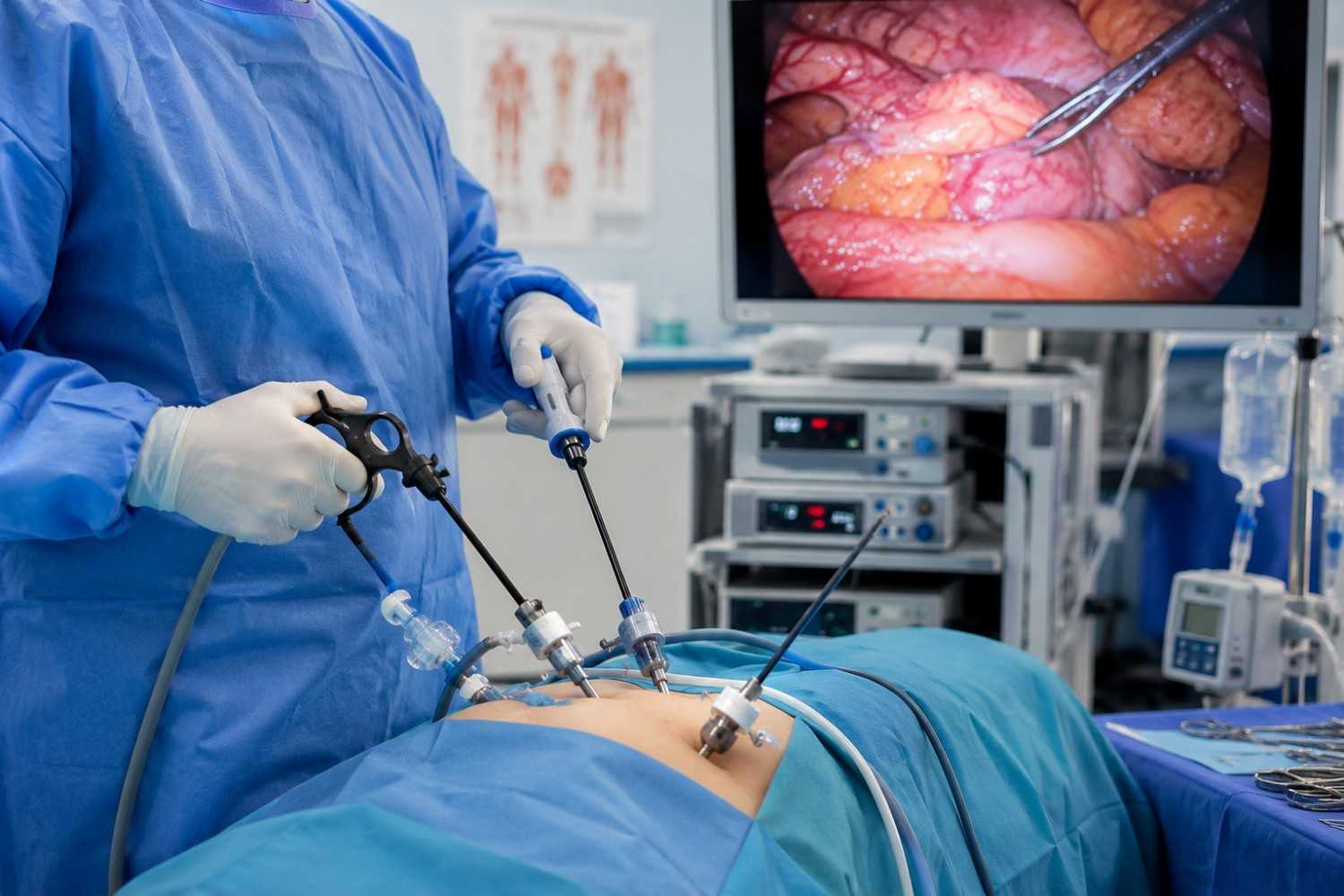
Minimally invasive surgery is a technique where operations are performed using small incisions instead of large cuts. Specialized instruments and a camera are used to guide the specialist during the procedure.
Common Types Include:
- Laparoscopic procedures
- Arthroscopic procedures
- Endoscopic procedures
These methods are widely used for treating conditions related to the abdomen, joints, and other parts of the body.
How Does Minimally Invasive Surgery Work?
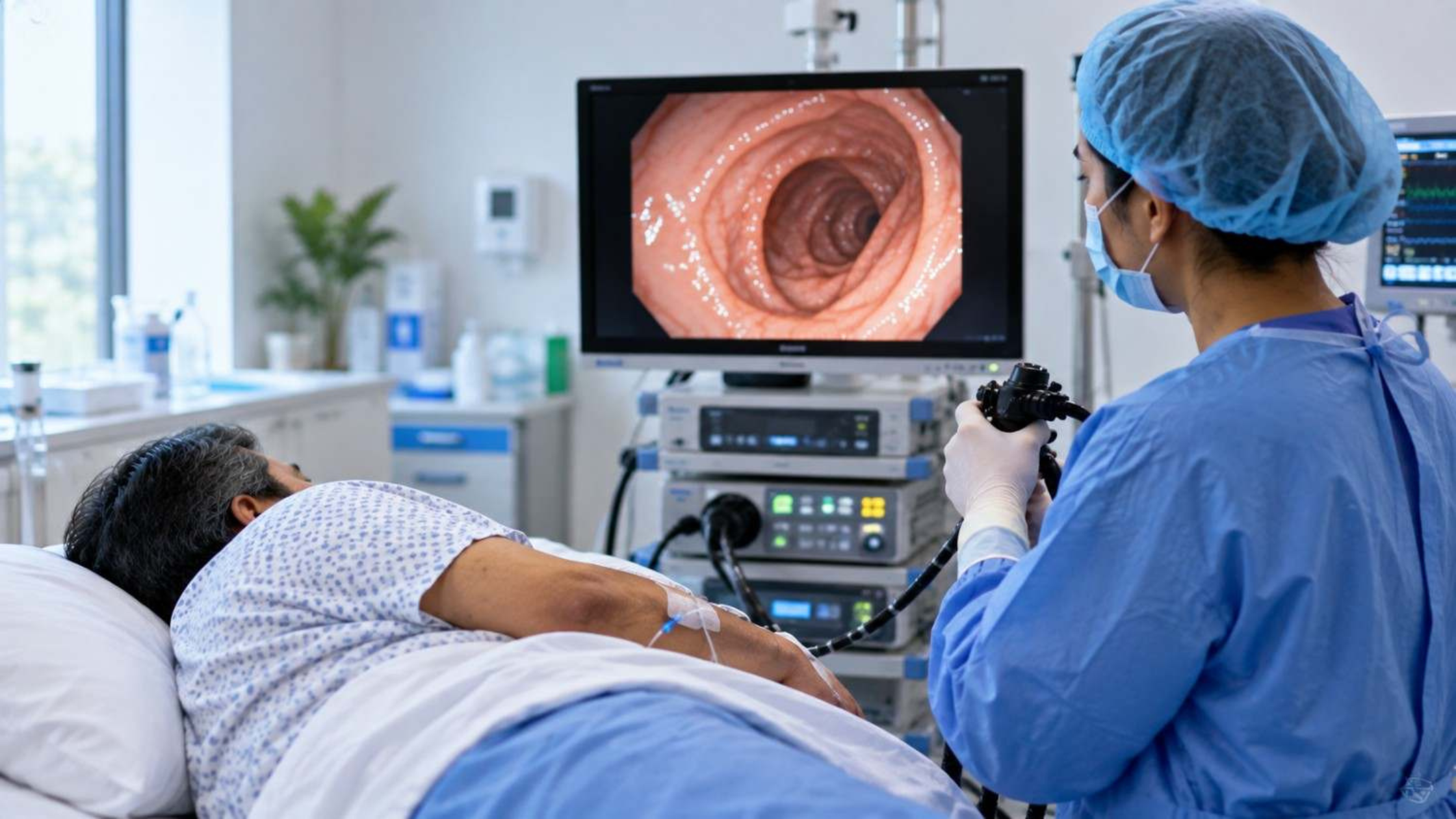
During the procedure, small incisions are made through which a camera and surgical tools are inserted. The camera displays images on a monitor, allowing the specialist to perform the procedure with precision.
Key Features:
- Small surgical cuts
- High precision
- Use of instruments
- Reduced impact on surrounding tissues
This approach makes the procedure safer and more effective.
The 10 Benefits of Minimally Invasive Surgery
Understanding the 10 Benefits of Minimally Invasive Surgery You Should Know can help patients make informed decisions when considering treatment.
1. Smaller Incisions
One of the biggest advantages is the use of small incisions. Unlike traditional procedures, this technique minimizes damage to the skin and surrounding tissues.
2. Less Discomfort After Surgery
Patients often feel much less discomfort after minimally invasive surgery compared to traditional open procedures. This reduces the need for strong medications and improves comfort.
3. Faster Recovery Time
Recovery is much quicker, allowing patients to return to their daily activities sooner. Many individuals resume normal routines within a short period.
4. Shorter Hospital Stay
Minimally invasive procedures often require a shorter hospital stay. In certain cases, patients may be discharged and return home on the very same day.
5. Reduced Risk of Infection
Smaller incisions mean less exposure to external elements, lowering the risk of infections.
6. Minimal Scarring
Since the cuts are small, scarring is minimal and less noticeable, which is an important benefit for many patients.
7. Less Blood Loss
These procedures involve less bleeding, reducing the need for blood transfusions and improving safety.
8. Higher Precision
Tools and cameras allow specialists to perform procedures with greater accuracy, improving outcomes.
9. Lower Risk of Complications
With reduced trauma to the body, the chances of complications are significantly lower compared to traditional procedures.
10. Improved Overall Experience
From treatment to recovery, patients benefit from a smoother and more comfortable experience.
Conditions Treated with Minimally Invasive Surgery
This modern surgical approach is used to treat a wide range of medical conditions.
Common Applications:
- Gallbladder removal
- Appendix procedures
- Hernia repair
- Joint problems
- Gynecological conditions
Its versatility makes it a preferred option for many treatments.
Who Can Benefit from Minimally Invasive Surgery?
Not all patients are suitable candidates, but many can benefit from this approach.
Suitable Candidates Include:
- Patients with early-stage conditions
- Individuals in good overall health
- Those looking for faster recovery
A doctor evaluates each case to determine the best treatment option.
Preparation Before Surgery
Proper preparation helps ensure a successful procedure.
Steps to Follow:
- Undergo medical evaluation
- Follow dietary instructions
- Avoid certain medications
- Stay informed about the procedure
Being prepared reduces risks and improves outcomes.
What to Expect During the Procedure
Patients are usually given anesthesia to ensure comfort during surgery.
During Surgery:
- Small incisions are made
- Instruments and camera are inserted
- Procedure is performed with precision
- Incisions are closed with minimal stitching
The duration depends on the type of procedure.
Recovery After Minimally Invasive Surgery
Recovery is generally faster compared to traditional methods.
Post-Procedure Care:
- Mild discomfort may be present
- Patients can resume light activities quickly
- Follow-up visits ensure proper healing
- Diet and activity guidelines may be provided
Following medical advice helps in smooth recovery.
Tips for Faster Healing
- Get enough rest
- Eat a balanced diet
- Stay hydrated
- Avoid heavy lifting
- Follow doctor’s instructions
These steps support quicker healing and better results.
Risks and Limitations
While minimally invasive surgery is safe, it may not be suitable for all cases.
Possible Limitations:
- Not ideal for very complex conditions
- Requires specialized equipment
- Needs experienced specialists
Doctors assess each case to determine the best approach.
Importance of Choosing the Right Care
The success of any procedure depends on proper medical care and expertise. Choosing experienced professionals for minimally invasive surgery in Bangalore helps ensure greater safety, faster recovery, and better outcomes.
Future of Minimally Invasive Surgery
With ongoing advancements, minimally invasive techniques continue to evolve. New technologies are making procedures even more precise and effective.
Emerging Trends:
- Technology-assisted procedures
- Improved imaging systems
- Enhanced recovery protocols
These innovations are shaping the future of surgical care.
FAQs
1. Is minimally invasive surgery safe?
Yes, it is generally safe and widely used, with fewer risks compared to traditional procedures.
2. How long does recovery take?
Recovery time varies depending on the procedure but is usually shorter than open procedures.
3. Are there any risks involved?
Like any procedure, there are minimal risks, but they are significantly lower.
4. Can all procedures be done using this method?
Not all, but many procedures can be performed using minimally invasive techniques.
5. When can I return to normal activities?
Most patients can resume daily activities within a few days to weeks, depending on the procedure.
Conclusion
Minimally invasive surgery has transformed modern healthcare by offering safer procedures, faster recovery, and greater patient comfort. It has become a preferred choice for many treatments because of its numerous benefits. If you are experiencing a condition that may require treatment, consult a specialist early to explore minimally invasive treatment options for quicker recovery and better outcomes.
With medical support and a patient-focused approach, Ananya Hospital, supported by the best laparoscopic doctor in Bangalore , provides reliable minimally invasive surgical care tailored to individual needs. From diagnosis to recovery, Ananya Hospital ensures patients receive the right support for a smooth and successful treatment journey.