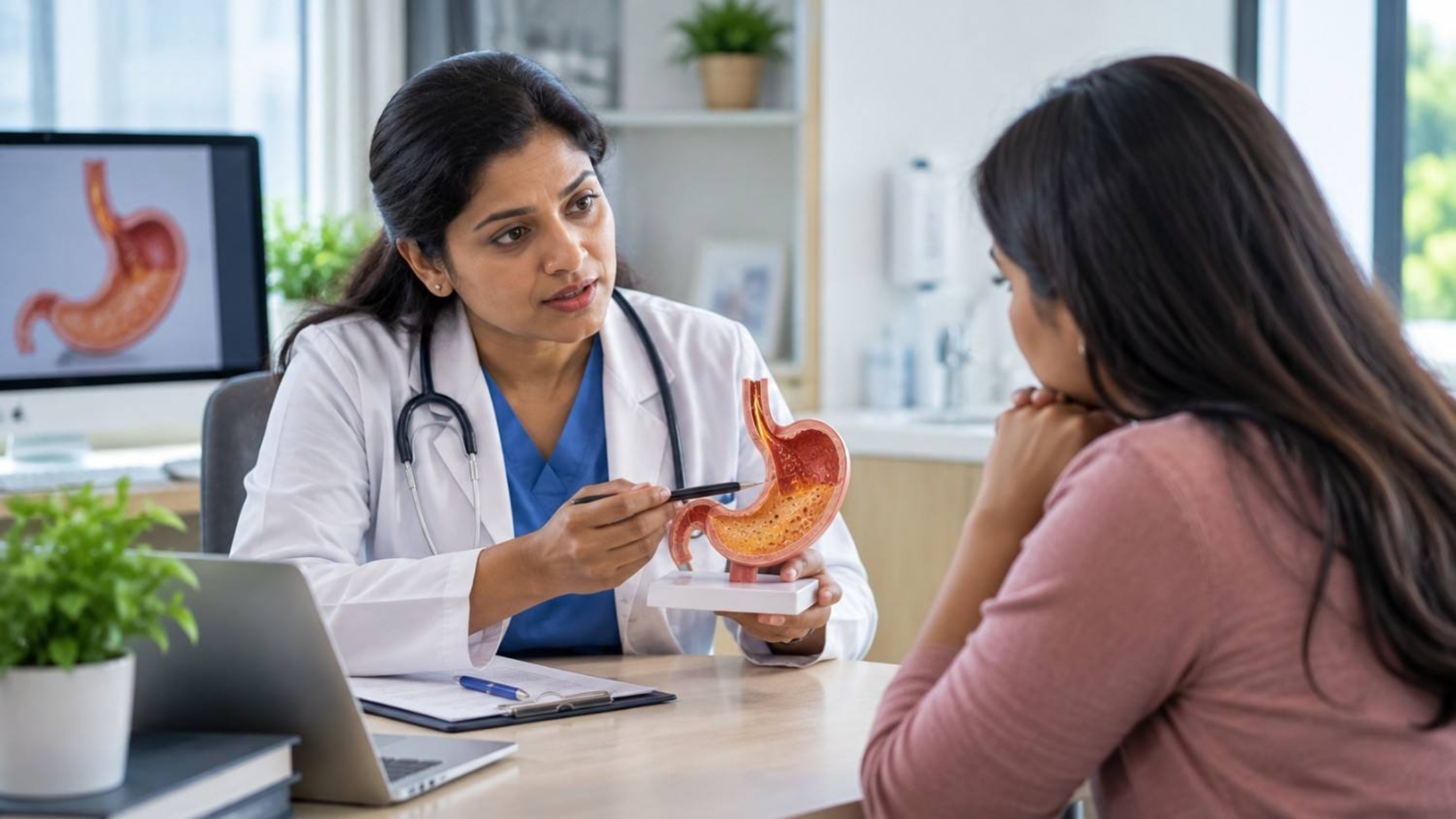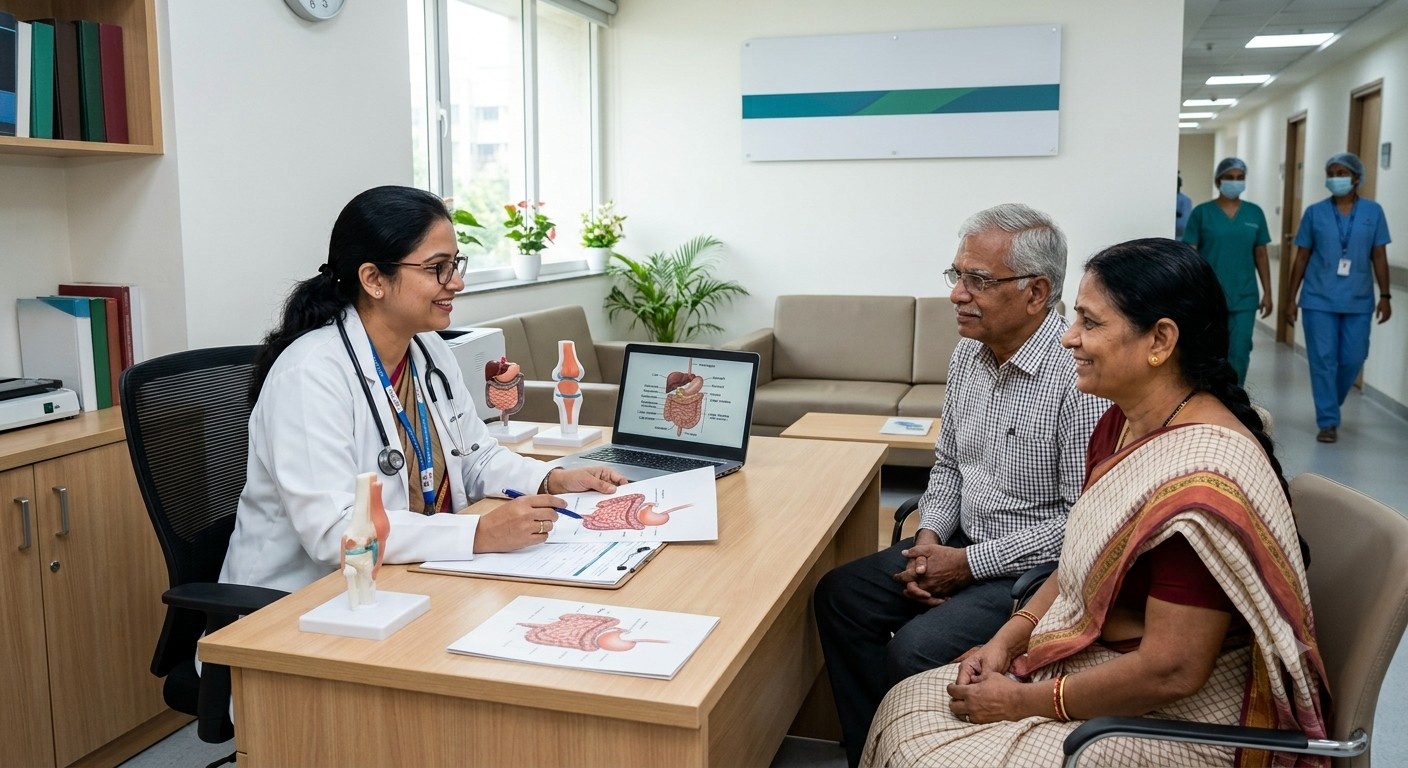
Digestive health plays an important role in your overall well-being. Problems such as acidity, stomach pain, bloating, constipation, diarrhea, liver disorders, and ulcers can affect your daily routine and quality of life. While some digestive issues may seem minor, others can indicate more serious conditions that require timely diagnosis and treatment. Seeking medical attention early can help prevent complications and support faster recovery.
Ananya Hospitals is committed to providing comprehensive digestive care with a patient-first approach. Backed by experienced specialists, advanced diagnostic facilities, and personalized treatment plans, the hospital focuses on helping patients achieve better digestive health through accurate diagnosis and effective care. Whether you are dealing with a common digestive problem or a complex gastrointestinal condition, receiving the right treatment at the right time makes all the difference.
When it comes to choosing the Best Gastroenterology Hospital in Bangalore, patients look for experienced doctors, modern facilities, compassionate care, and a hospital they can trust. Ananya Hospitals brings all these qualities together to deliver quality healthcare for people of all ages.
Understanding Gastroenterology
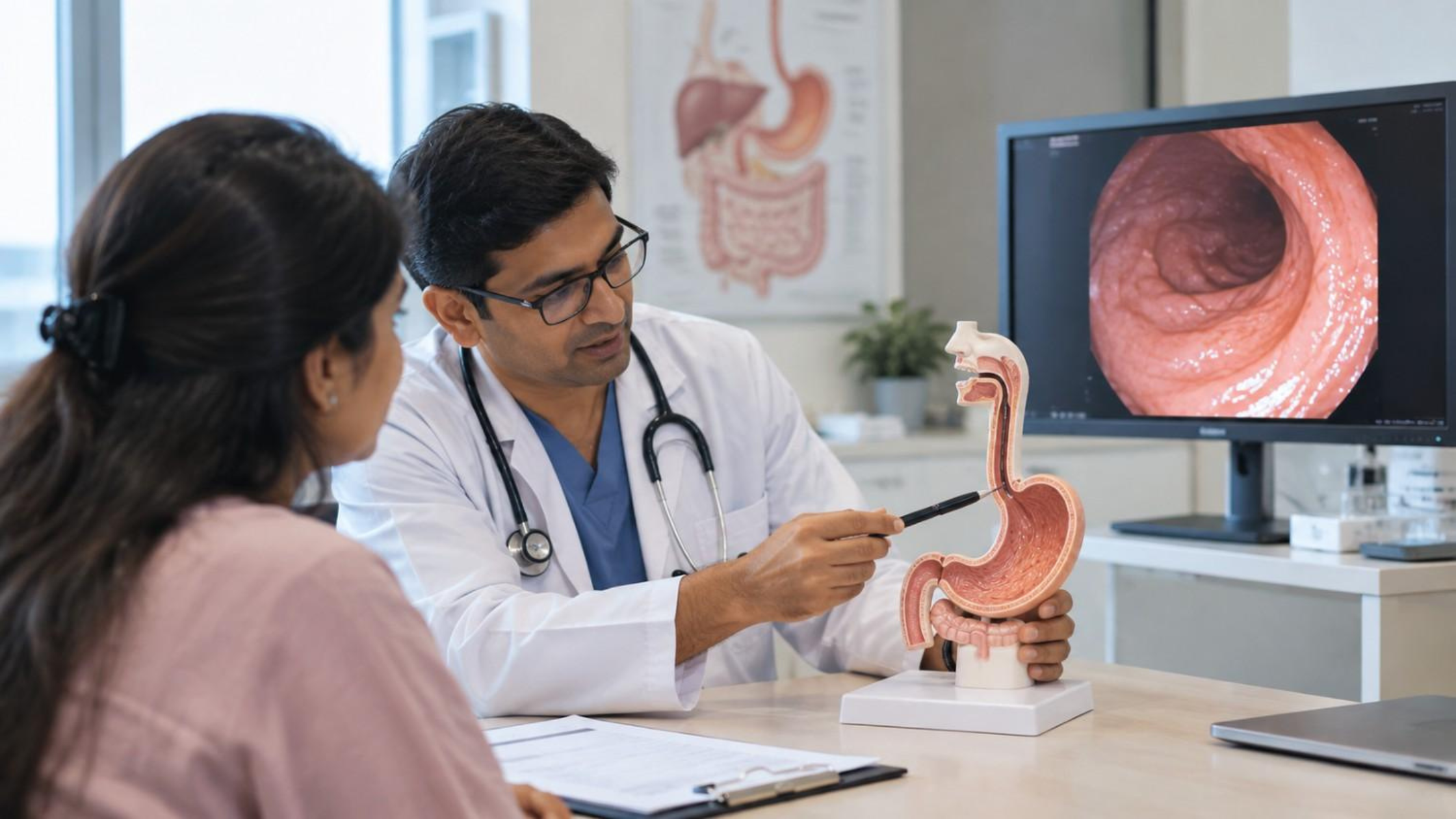
Gastroenterology is a branch of medicine that focuses on diagnosing and treating disorders affecting the digestive system. The digestive system includes the esophagus, stomach, intestines, liver, pancreas, gallbladder, and rectum. These organs work together to digest food, absorb nutrients, and remove waste from the body.
When any part of this system is not functioning properly, it can lead to symptoms that interfere with daily life. Gastroenterologists are trained to identify the underlying causes of digestive disorders and recommend the most suitable treatment.
Common Digestive Problems That Should Not Be Ignored
Many people experience digestive discomfort occasionally. However, persistent digestive symptoms should not be ignored. Common conditions treated by gastroenterologists include acid reflux, gastritis, peptic ulcers, IBS, constipation, chronic diarrhea, liver disorders, gallbladder diseases, pancreatic conditions, digestive infections, and gastrointestinal bleeding. If you notice an unusual swelling or lump in your abdomen along with these symptoms, consulting a Stomach Lump Specialist in Bangalore can help identify the underlying cause and ensure timely treatment. Early medical attention improves diagnosis and helps prevent complications.
Signs That You Should Visit a Gastroenterologist
Many people try home remedies or over-the-counter medicines for digestive discomfort. While these may provide temporary relief, certain symptoms require professional evaluation.
Consult a gastroenterologist if you experience:
- Frequent stomach pain
- Persistent acidity
- Difficulty swallowing
- Continuous bloating
- Blood in stools
- Unexplained weight loss
- Persistent vomiting
- Black-colored stools
- Chronic constipation
- Frequent diarrhea
- Loss of appetite
- Persistent nausea
These symptoms may indicate an underlying digestive condition that requires proper diagnosis.
Why Early Diagnosis Is Important
Many gastrointestinal disorders develop gradually. Initially, symptoms may appear mild or occur only occasionally. Delaying treatment can allow the condition to worsen over time.
Early diagnosis offers several benefits:
- Faster recovery
- Less complicated treatment
- Prevention of disease progression
- Reduced risk of hospitalization
- Better long-term digestive health
- Improved quality of life
Routine health check-ups and timely consultations help identify digestive conditions before complications arise.
Comprehensive Gastroenterology Services
A good gastroenterology department provides complete care, from diagnosis to treatment and follow-up. Patients benefit from personalized care plans designed according to their medical condition and overall health.
Services commonly include:
Diagnosis of Digestive Disorders
Doctors evaluate symptoms carefully using medical history, physical examination, laboratory investigations, and imaging studies to identify the exact cause of digestive problems.
Endoscopy
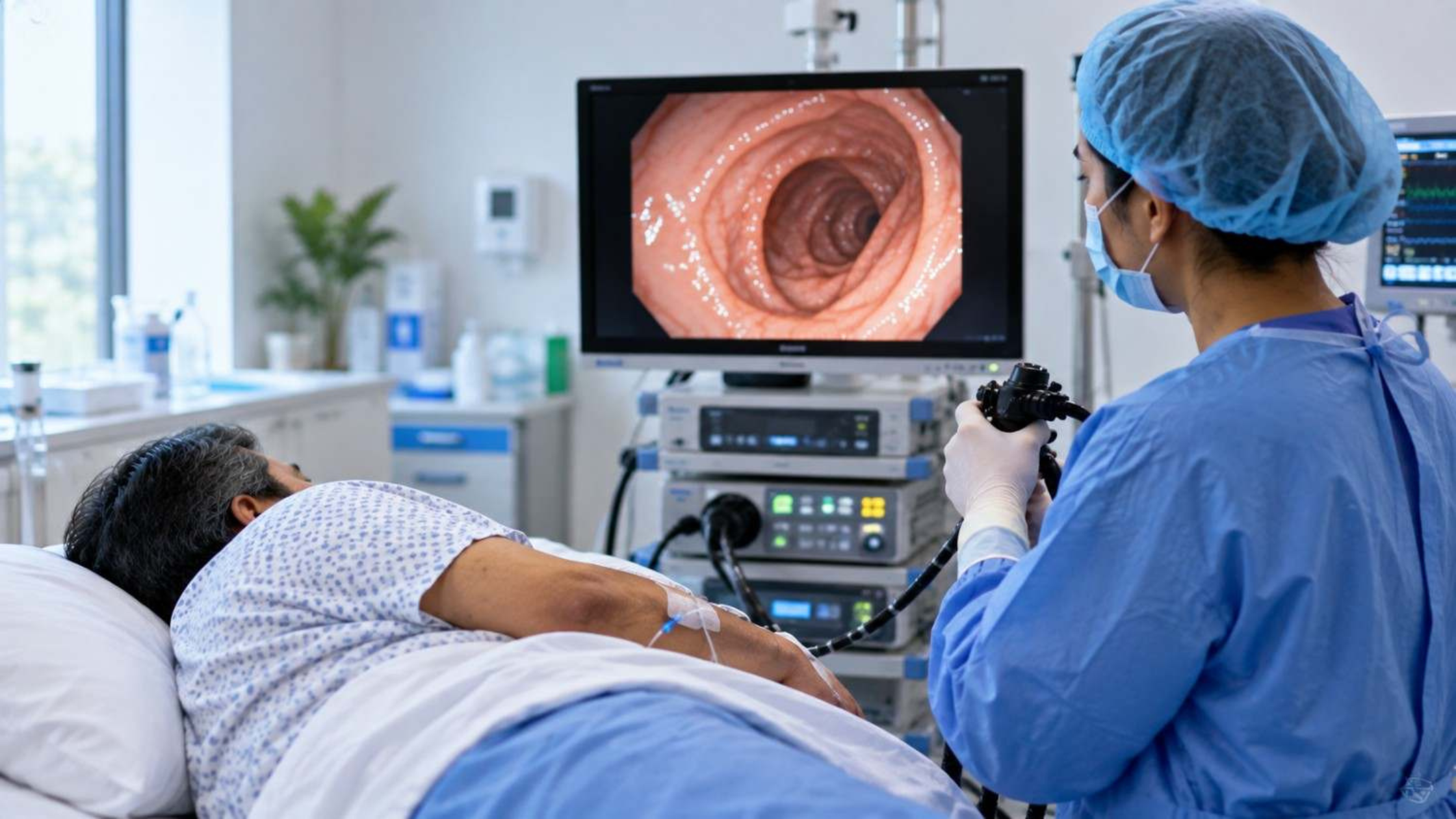
Endoscopy is a minimally invasive procedure used to examine the digestive tract and diagnose gastrointestinal conditions. It helps diagnose ulcers, inflammation, bleeding, polyps, and other gastrointestinal conditions.
Colonoscopy
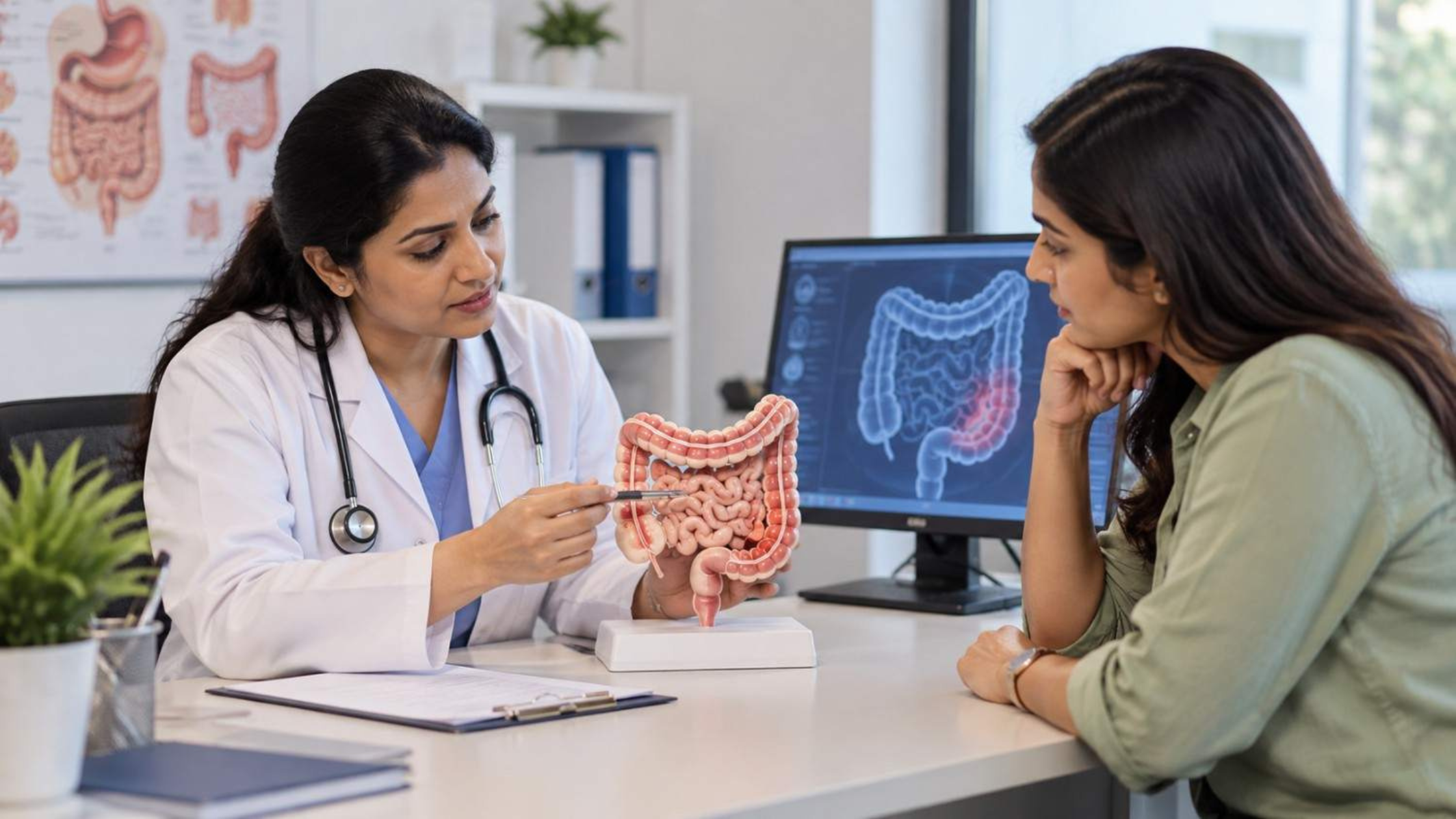
Colonoscopy allows doctors to examine the large intestine and detect abnormalities such as polyps, inflammation, ulcers, or early signs of colorectal diseases.
Liver Disease Management
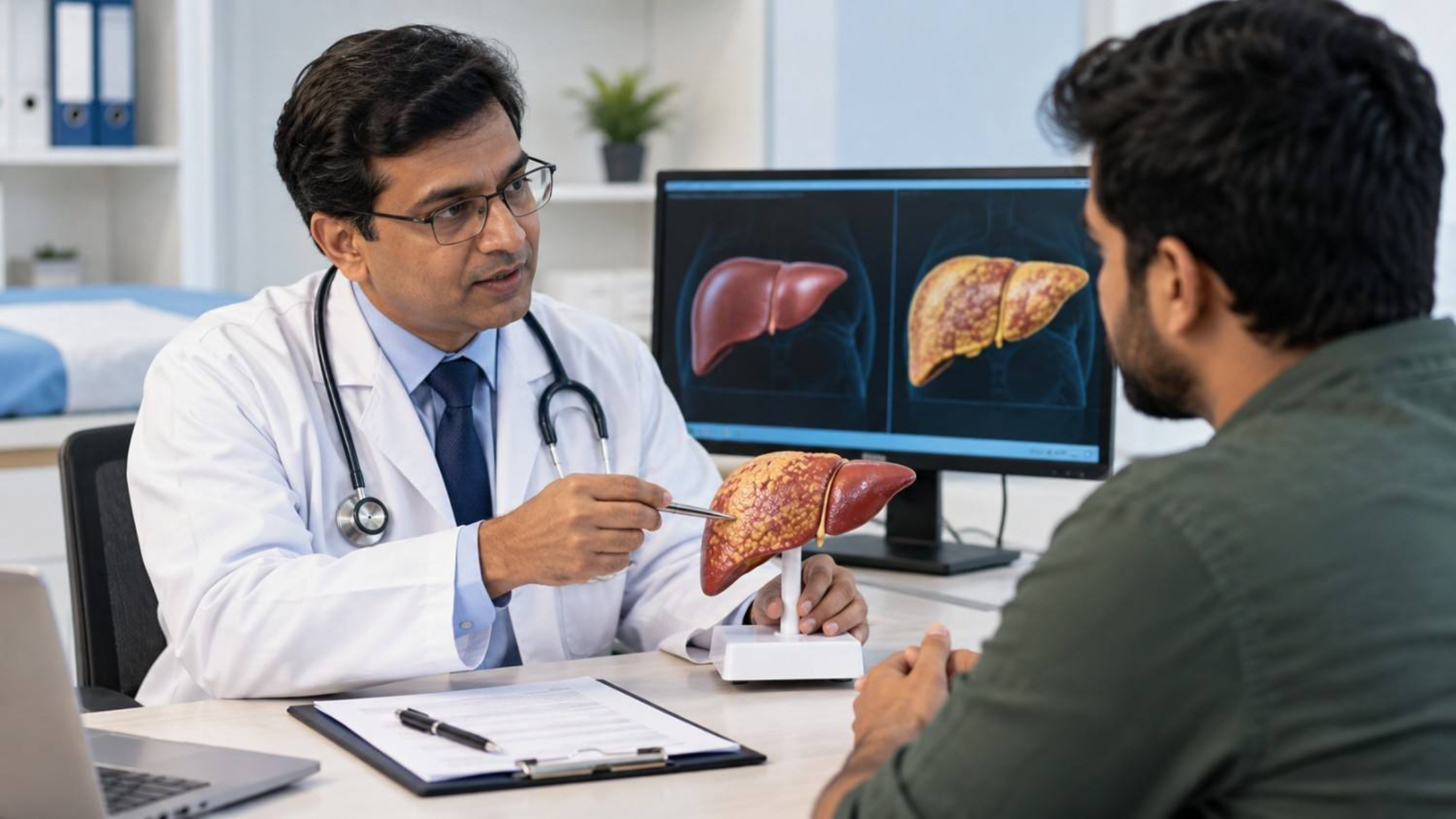
Patients with fatty liver disease, hepatitis, liver inflammation, and other liver-related conditions receive appropriate medical evaluation and long-term management.
Pancreatic Disease Care
The pancreas plays an essential role in digestion. Proper diagnosis and treatment help manage pancreatic disorders effectively.
Long-Term Digestive Care
Certain gastrointestinal disorders require continuous monitoring. Personalized follow-up care helps patients manage chronic conditions successfully.
Advanced Diagnostic Facilities
Accurate diagnosis is the foundation of successful treatment. Modern diagnostic technologies help specialists identify digestive disorders with greater precision.
Advanced investigations assist in:
- Identifying the root cause of symptoms
- Detecting diseases at an early stage
- Monitoring treatment progress
- Planning personalized treatment
- Preventing unnecessary procedures
Timely diagnosis allows doctors to recommend the most effective treatment plan.
Personalized Treatment for Every Patient
Every patient experiences digestive disorders differently. Factors such as age, medical history, lifestyle, diet, and existing health conditions influence treatment decisions.
Instead of following a one-size-fits-all approach, specialists create customized treatment plans that may include:
- Lifestyle modifications
- Dietary recommendations
- Medication
- Endoscopic procedures
- Long-term disease monitoring
- Preventive healthcare advice
Individualized care improves treatment outcomes and patient satisfaction.
Conditions Treated by Gastroenterologists
Gastroenterologists manage a wide variety of digestive diseases, including:
- Gastroesophageal reflux disease (GERD)
- Gastritis
- Peptic ulcer disease
- Irritable bowel syndrome
- Crohn’s disease
- Ulcerative colitis
- Fatty liver disease
- Hepatitis
- Gallstones
- Pancreatitis
- Digestive tract infections
- Colon polyps
Each condition requires careful evaluation to determine the most suitable treatment approach.
Importance of Healthy Lifestyle Habits
Maintaining digestive health involves more than medical treatment. Healthy daily habits can reduce the risk of many gastrointestinal disorders.
Some simple lifestyle practices include:
- Eat balanced meals.
- Drink adequate water.
- Exercise regularly.
- Avoid smoking.
- Limit alcohol intake.
- Reduce stress.
- Get enough sleep.
- Avoid overeating.
- Include fiber-rich foods in your diet.
- Attend regular health check-ups.
These habits support overall digestive wellness and help prevent common gastrointestinal problems.
Experienced Specialists for Better Digestive Health
Choosing the right specialist is one of the most important decisions when dealing with digestive problems. An experienced gastroenterologist understands that every patient is different and requires a personalized approach.
From diagnosing common conditions like acidity and gastritis to managing more complex disorders involving the liver, pancreas, or intestines, expert medical guidance helps patients receive the right treatment at the right time. Regular follow-up and patient education also play an important role in achieving long-term digestive health.
Patients searching for the Best Gastroenterologist in Bangalore often look for a combination of clinical expertise, modern diagnostic facilities, and compassionate care. These qualities help build confidence and ensure patients receive comprehensive treatment throughout their healthcare journey.
Modern Facilities for Accurate Diagnosis
Successful treatment begins with an accurate diagnosis. Modern gastroenterology departments use advanced diagnostic techniques to identify digestive disorders at an early stage.
These facilities help doctors:
- Detect diseases quickly
- Identify the exact cause of symptoms
- Monitor ongoing treatment
- Plan effective medical care
- Reduce the chances of complications
With the support of advanced technology, patients can receive timely diagnosis and appropriate treatment without unnecessary delays.
A Patient-Centered Approach to Care
Good healthcare is not only about treating diseases but also about understanding the patient’s concerns.
A patient-centered approach includes:
- Listening carefully to symptoms
- Explaining medical conditions in simple language
- Discussing treatment options clearly
- Answering patient questions
- Providing emotional support throughout treatment
This approach helps patients feel comfortable and actively participate in their recovery.
Conditions That Need Immediate Medical Attention
While many digestive problems can be treated with medication and lifestyle changes, certain symptoms require urgent medical evaluation.
Seek immediate medical care if you experience:
- Severe abdominal pain
- Vomiting blood
- Blood in stools
- Black-colored stools
- Persistent high fever with abdominal pain
- Sudden swelling of the abdomen
- Continuous vomiting
- Difficulty swallowing food or liquids
- Severe dehydration due to diarrhea
Prompt medical attention can help prevent serious complications.
The Importance of Preventive Digestive Care
Preventing digestive diseases is often easier than treating them. Regular health check-ups and healthy lifestyle habits play a major role in maintaining digestive wellness.
Preventive care includes:
- Regular health screenings
- Early consultation for persistent symptoms
- Maintaining a healthy body weight
- Eating nutritious meals
- Staying physically active
- Managing diabetes and blood pressure
- Limiting processed foods
- Drinking enough water
Small lifestyle changes can significantly improve digestive health over time.
When Should You Consider Specialized Evaluation?
Many digestive symptoms come and go, making people believe they are harmless. However, symptoms that continue for weeks or repeatedly return should always be evaluated.
Medical consultation is recommended if you notice:
- Recurrent acidity
- Frequent bloating
- Persistent indigestion
- Difficulty swallowing
- Loss of appetite
- Ongoing stomach discomfort
- Unexplained weight loss
- Long-term constipation or diarrhea
Early evaluation allows doctors to diagnose conditions before they become more serious.
Specialized Care for Complex Digestive Conditions
Some digestive disorders require multidisciplinary care involving different specialists.
These conditions may include:
- Advanced liver disease
- Pancreatic disorders
- Gastrointestinal bleeding
- Inflammatory bowel disease
- Digestive cancers
- Complicated ulcers
Comprehensive care ensures patients receive appropriate investigations, treatment planning, and follow-up under one healthcare system.
What Makes Quality Gastroenterology Care Different?
Quality digestive healthcare focuses on more than treating symptoms.
It includes:
- Accurate diagnosis
- Personalized treatment plans
- Modern diagnostic procedures
- Experienced specialists
- Patient education
- Preventive healthcare guidance
- Continuous follow-up care
This comprehensive approach helps patients recover faster while reducing the chances of future complications.
Frequently Asked Questions
1. What does a gastroenterologist treat?
A gastroenterologist diagnoses and treats disorders affecting the digestive system, including the stomach, intestines, liver, pancreas, gallbladder, and esophagus.
2. When should I visit a gastroenterologist?
You should consult a specialist if you have persistent acidity, stomach pain, bloating, constipation, diarrhea, difficulty swallowing, or blood in your stool.
3. Is endoscopy a painful procedure?
Endoscopy is generally a safe and minimally invasive procedure. Most patients experience little discomfort, and doctors take measures to ensure the procedure is as comfortable as possible.
4. Can digestive problems be prevented?
Many digestive disorders can be prevented by eating a balanced diet, exercising regularly, staying hydrated, avoiding smoking, limiting alcohol, and attending regular health check-ups.
5. Can a stomach lump indicate a serious condition?
A lump in the stomach area should always be evaluated by a medical professional, as it may have various causes. If you need expert assessment, consulting a Stomach Lump Specialist in Bangalore can help determine the underlying condition and recommend the appropriate treatment.
Conclusion
Maintaining good digestive health is essential for living an active and healthy life. Ignoring persistent digestive symptoms can lead to complications, while timely medical consultation helps ensure accurate diagnosis and effective treatment. Choosing experienced specialists, advanced diagnostic facilities, and a patient-focused approach can make a significant difference in your recovery and long-term well-being.
Whether you are experiencing common digestive discomfort or require specialized evaluation for a complex gastrointestinal condition, Ananya Hospitals is dedicated to providing compassionate, evidence-based care tailored to your individual needs. If you are looking for trusted digestive healthcare, Contact Ananya Hospitals to schedule a consultation with the specialist team. Ananya Hospitals remains committed to helping patients achieve better digestive health through quality treatment, personalized care, and ongoing medical support.