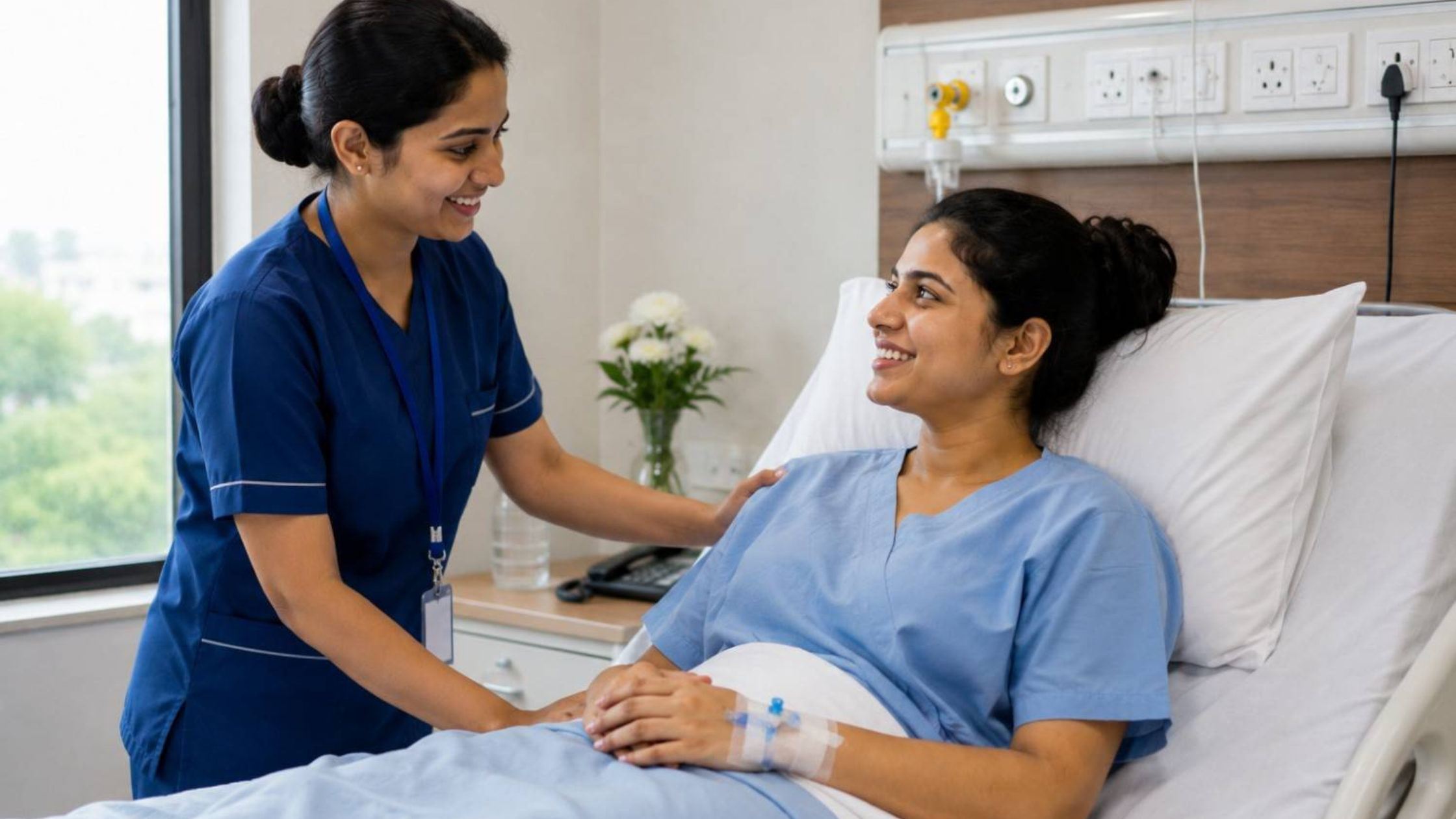
Knee pain can gradually take away the comfort of everyday life. Simple activities such as walking, climbing stairs, or standing for long periods may start to feel challenging when the knee joint is damaged. For many people living with severe arthritis or long-standing joint issues, knee replacement surgery offers a dependable way to restore mobility and reduce ongoing pain. At Ananya Hospital, patients frequently explore options for Knee replacement surgery Bangalore to understand whether the procedure suits their condition and what the treatment journey involves. Gaining clear knowledge about the process helps reduce anxiety and supports patients in making confident, informed decisions about their health.
Understanding the Knee Joint
The knee is among the biggest and most critical joints in the human body. It joins the thigh bone to the shin bone. The joint enables bending, extending, and turning. A smooth layer of cartilage covers the ends of the bones to facilitate easy movement without friction. There is also a shock-absorbing component known as the meniscus and ligaments that offer support to the joint.
Bones start rubbing against each other when cartilage deteriorates as a result of aging, injury, or diseases. This results in pain, swelling, stiffness, and loss of mobility, which are symptoms that the joint is damaged.
When Is Knee Replacement Needed?
Doctors usually recommend knee replacement only after non-surgical treatments fail to provide relief. Some common signs that surgery may be necessary include:
- Severe knee pain even at rest
- Difficulty walking or climbing stairs
- Swelling that does not improve with medication
- Stiffness that limits daily activities
- Bowing of the leg due to joint damage
- Poor quality of life because of constant discomfort
Conditions that often lead to knee replacement include osteoarthritis, rheumatoid arthritis, post-traumatic arthritis, and severe knee injuries.
Knee Replacement in Bangalore: What Patients Should Expect
Choosing to undergo knee replacement in bangalore involves several steps, starting from evaluation to rehabilitation. Understanding this journey helps patients feel prepared and less anxious.
Pre-Surgery Assessment
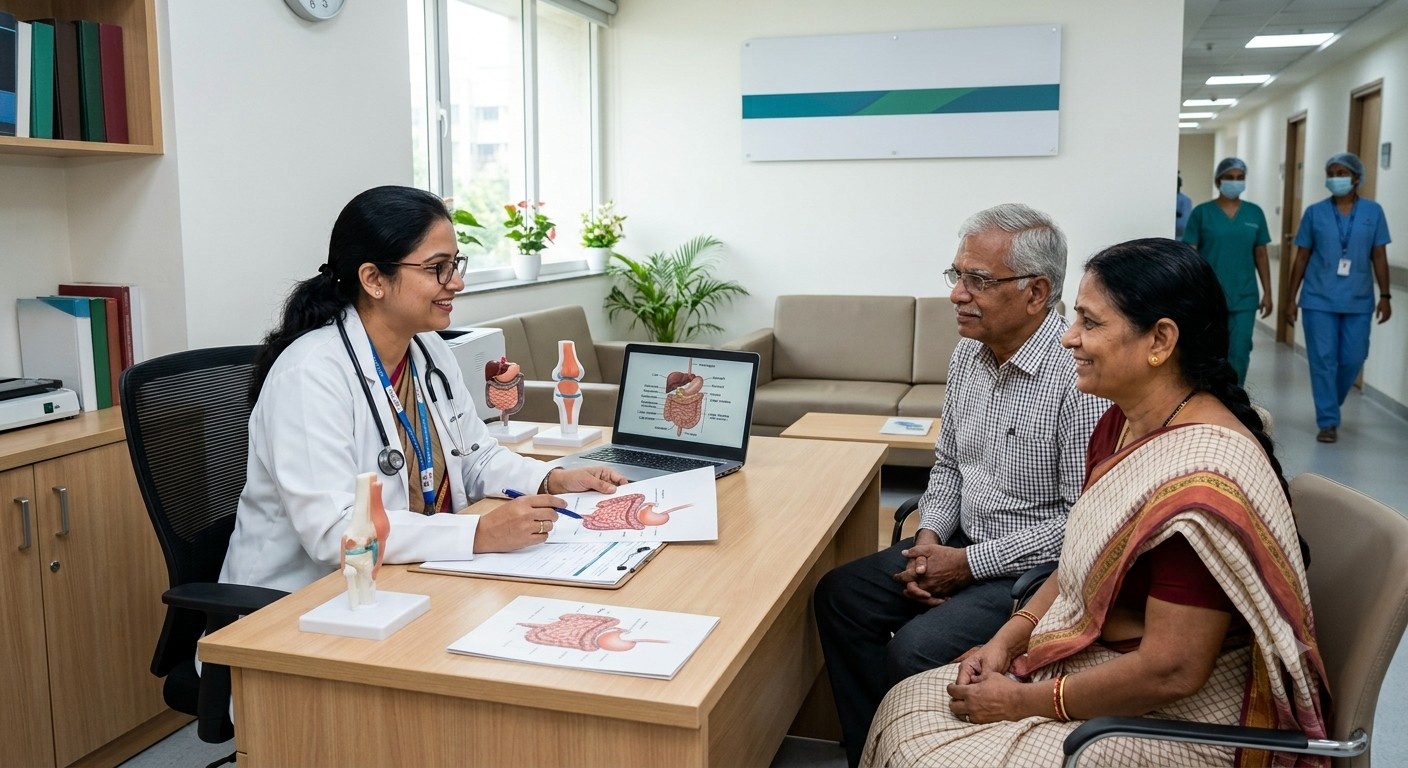
The doctors conduct a physical examination, X-rays, and in some cases, MRI scans. Blood work and cardiac assessments are also done to ensure that the patient is healthy enough for surgery. Patients are also informed about medications to avoid before surgery.
Preparing for Surgery
Patients may be guided to strengthen leg muscles through mild exercises. Arranging support at home for the first few weeks after surgery is also important.
The Surgical Procedure
The procedure of knee replacement surgery typically lasts one to two hours. The defective cartilage and bone are excised and replaced with artificial parts that are engineered to function like a natural knee. Modern methods emphasize accuracy and avoiding damage to tissue.
Hospital Stay
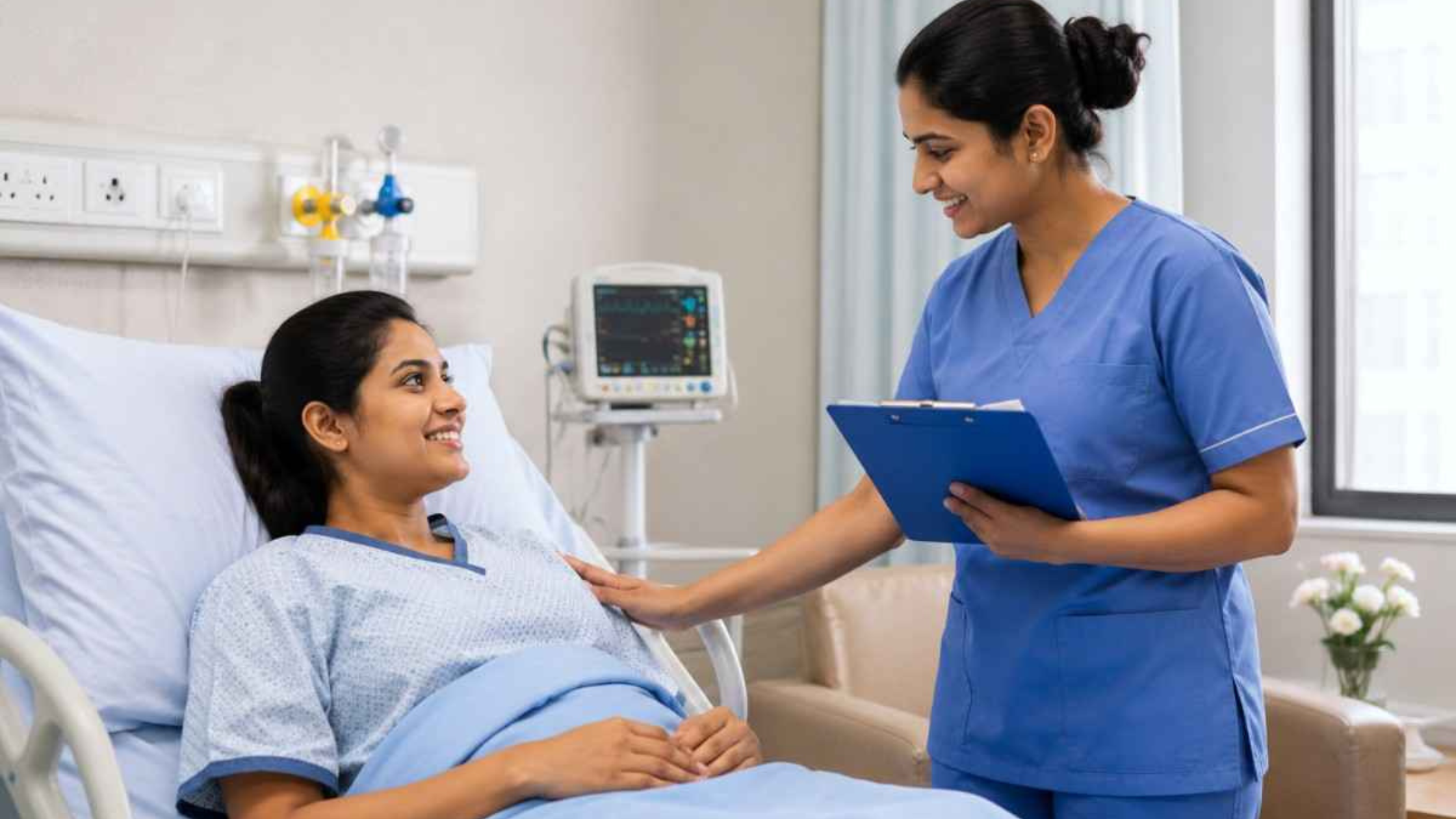
Patients usually remain hospitalized for approximately three to five days. During this time, pain management, wound care, and early physiotherapy begin.
Types of Knee Replacement Surgery
Not all knee replacements are the same. The type of surgery depends on how much of the joint is damaged.
Total Knee Replacement (TKR)
In this procedure, the entire knee joint surface is replaced with artificial components made of metal and medical-grade plastic. It is the most common type and is suitable when arthritis affects the whole joint.
Partial Knee Replacement (PKR)
If damage is limited to only one part of the knee, surgeons may replace only that section. This surgery involves a smaller incision and often allows faster recovery.
Revision Knee Replacement
This is done when a previous knee replacement fails due to wear, infection, or loosening of the implant.
Benefits of Knee Replacement
Knee replacement surgery has helped millions of people return to active living. Major benefits include:
- Significant reduction or complete relief from pain
- Improved mobility and flexibility
- Better sleep due to reduced discomfort
- Ability to perform daily activities independently
- Enhanced overall quality of life
While artificial knees may not feel exactly like natural ones, most patients report dramatic improvement compared to their condition before surgery.
Risks and Possible Complications
Like any major surgery, knee replacement has some risks. However, complications are relatively uncommon when proper care is taken.
Possible risks include:
- Infection at the surgical site
- Blood clots in the legs
- Implant loosening over time
- Stiffness in the joint
- Nerve or blood vessel injury
Following medical advice before and after surgery greatly reduces these risks.
Recovery After Knee Replacement
Healing happens gradually and requires patience along with regular physiotherapy.
First Few Days
Early movement is promoted, with patients typically standing and walking with help within the first day. Early movement prevents stiffness and improves circulation.
Physiotherapy
Physical therapy is a key part of recovery. Exercises help restore strength, flexibility, and balance. Patients usually continue therapy for several weeks.
At Home
Swelling and mild pain are normal for a few weeks. Using ice packs, keeping the leg elevated, and taking prescribed medicines help manage discomfort.
Returning to Normal Life
Patients typically get back to their day-to-day activities within six to eight weeks of recovery. Driving may be possible after about a month, depending on the doctor’s advice. Exercises involving heavy impact, such as running or jumping, are typically discouraged.
How Long Does a Knee Implant Last?
Contemporary knee replacements are made to be strong. With proper care, one can expect long-term outcomes for 15 to 20 years or longer. Keeping fit, maintaining a healthy weight, and not overstressing the joint are ways to prolong the life of the prosthesis.
Younger patients may require revision surgery in the future, but technology is constantly improving the longevity of the replacement.
Lifestyle Tips After Knee Replacement
The procedure is just one part of the treatment and recovery plan. Long-term joint health depends on lifestyle choices.
- Maintain a healthy body weight
- Continue regular low-impact exercises like walking or swimming
- Avoid sitting in one position for long periods
- Use supportive footwear
- Attend regular follow-up visits
Strong muscles around the knee provide better support and reduce stress on the implant.
Emotional and Mental Preparation
Many patients feel nervous before surgery. This is completely normal. Talking openly with doctors, understanding the procedure, and connecting with others who have undergone knee replacement can ease anxiety.
Setting realistic expectations is also important. Improvement happens gradually, and consistent effort in rehabilitation leads to the best outcomes.
FAQs
1. How painful is knee replacement surgery?
Pain during surgery is controlled with anesthesia. After surgery, medications and physiotherapy help manage discomfort. Most patients find post-surgery pain manageable and temporary.
2. When can I walk after knee replacement?
Patients are usually encouraged to stand and take a few steps with support within a day after surgery. Walking improves gradually over the next few weeks.
3. Will I be able to climb stairs again?
Yes, most patients regain the ability to climb stairs after rehabilitation. Physiotherapy strengthens muscles and improves balance for safe stair movement.
4. Can both knees be replaced at the same time?
In some cases, doctors may perform bilateral knee replacement. However, this depends on the patient’s overall health and medical condition.
5. What activities should I avoid after knee replacement?
Patients are usually advised to stay away from high-impact exercises like running, jumping, and contact sports. Low-impact exercises such as walking, cycling, and swimming are recommended.
Conclusion
However, living with severe knee pain can limit one’s independence and make simple tasks, which were once enjoyable, a chore. Knee replacement surgery offers a chance to move around easily and do the things that were previously difficult or impossible. With the right medical attention and rehabilitation, knee replacement surgery can be very effective. At Ananya Hospital, patients consult with knee replacement surgeons bangalore who focus on personalized treatment and recovery plans. If you are suffering from knee pain, which is impacting your quality of life, then consulting with our experts at Ananya Hospital will enable you to make an informed decision about whether this treatment option is for you.