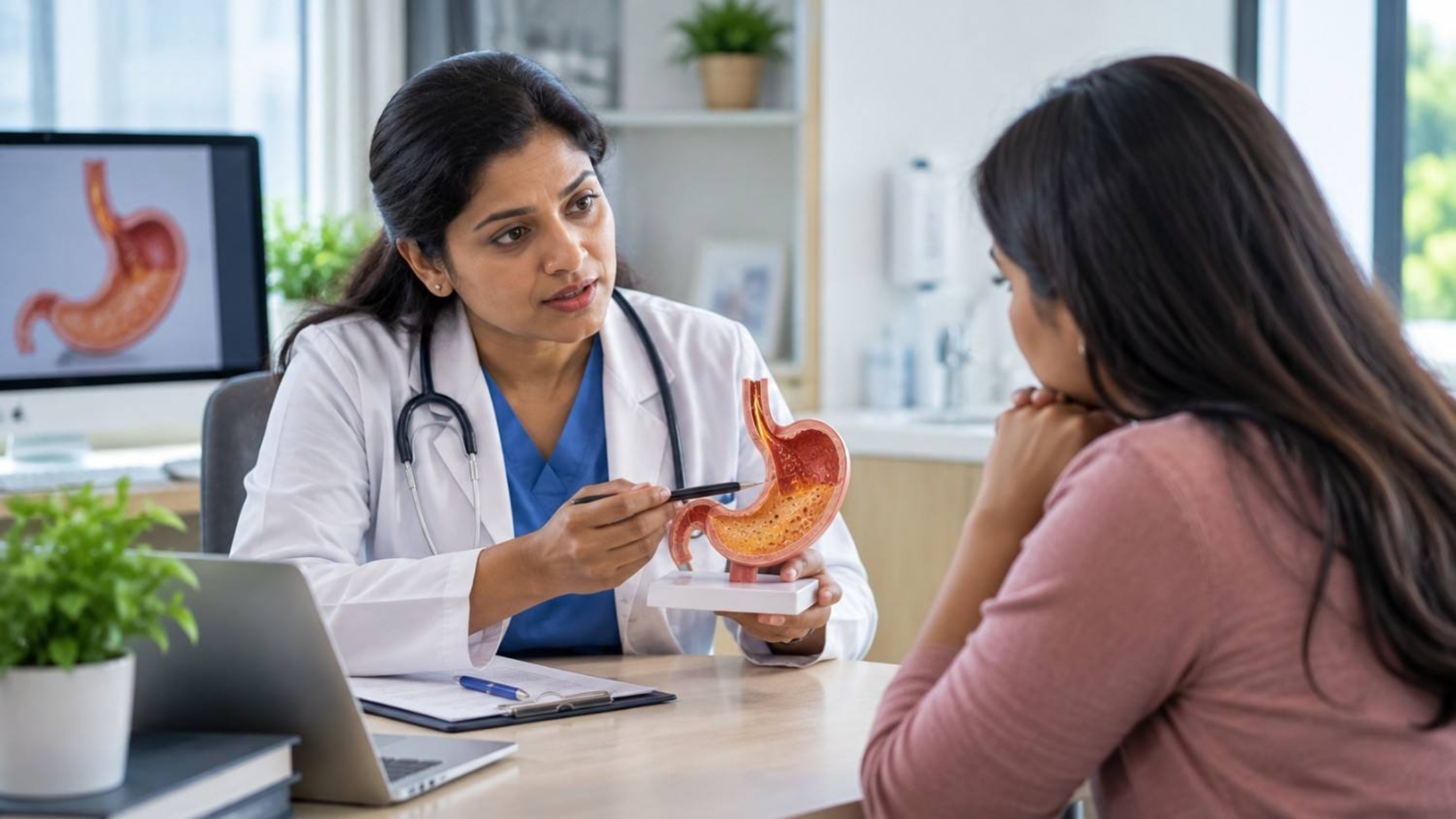
Digestive health is essential for maintaining overall well-being. When symptoms such as persistent stomach pain, acidity, difficulty swallowing, unexplained weight loss, blood in the stool, or changes in bowel habits occur, doctors may recommend diagnostic procedures to identify the underlying cause. Two of the most commonly performed procedures are endoscopy and colonoscopy. Although both help examine the digestive system, they serve different purposes and evaluate different parts of the body.
Ananya Hospitals offers advanced diagnostic services for a wide range of digestive disorders with a patient-centered approach. Experienced specialists use modern technology to provide accurate diagnosis and personalized treatment plans for every patient. Understanding the difference between these procedures can help you feel more informed and confident if your doctor recommends one. Ananya Hospitals believes that informed patients make better healthcare decisions and encourages early evaluation for persistent digestive symptoms.
What Is an Endoscopy?
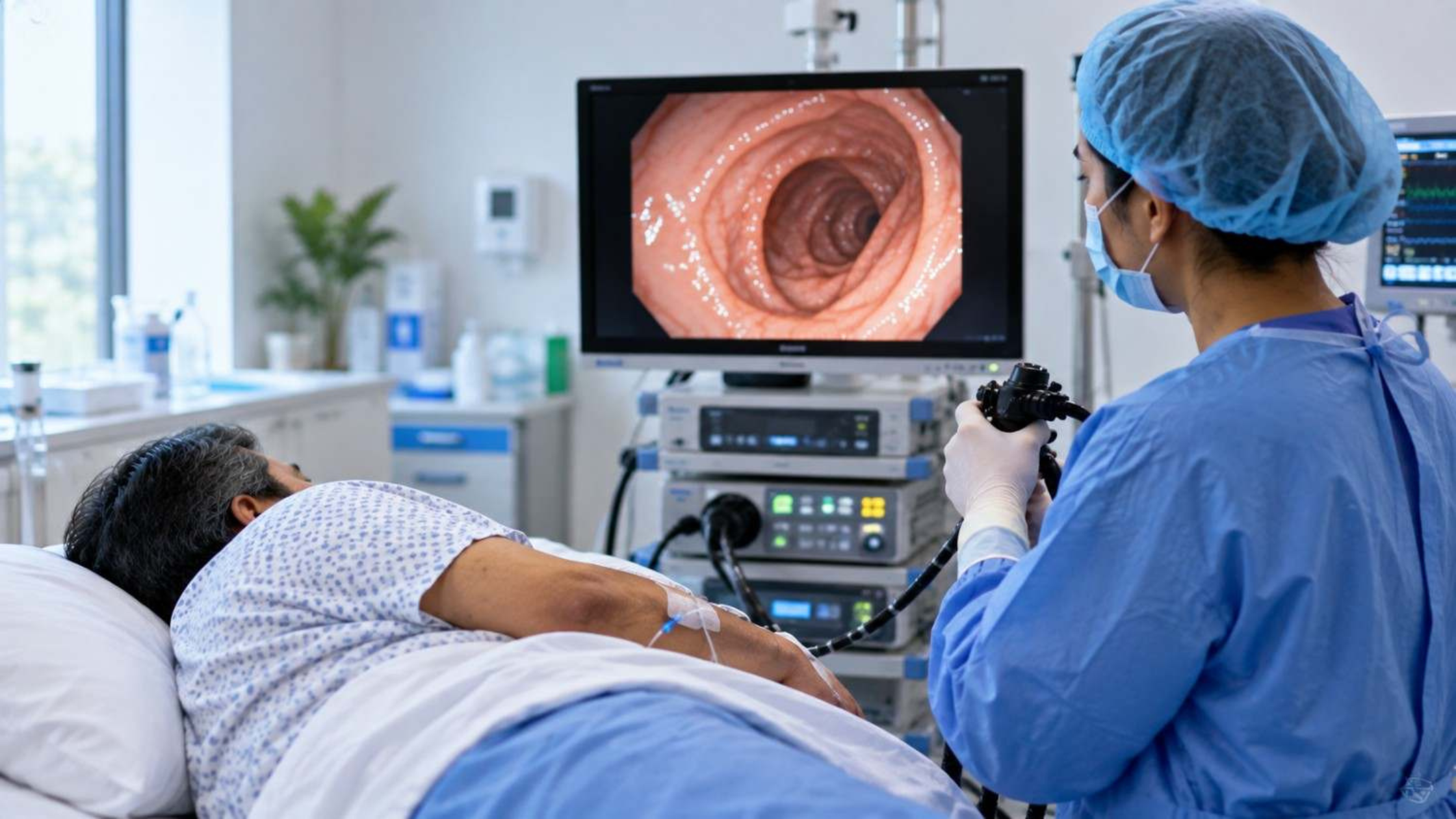
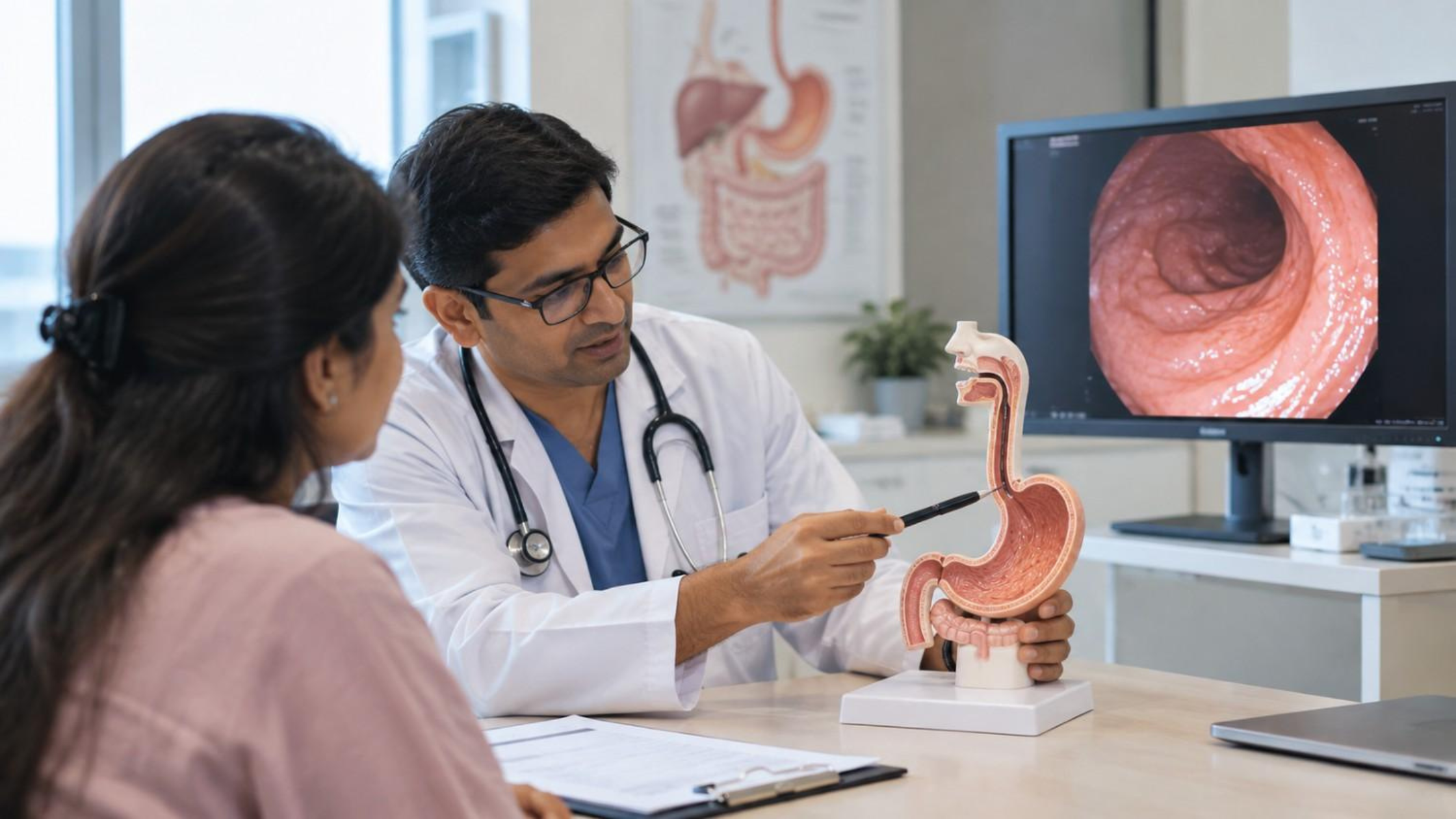
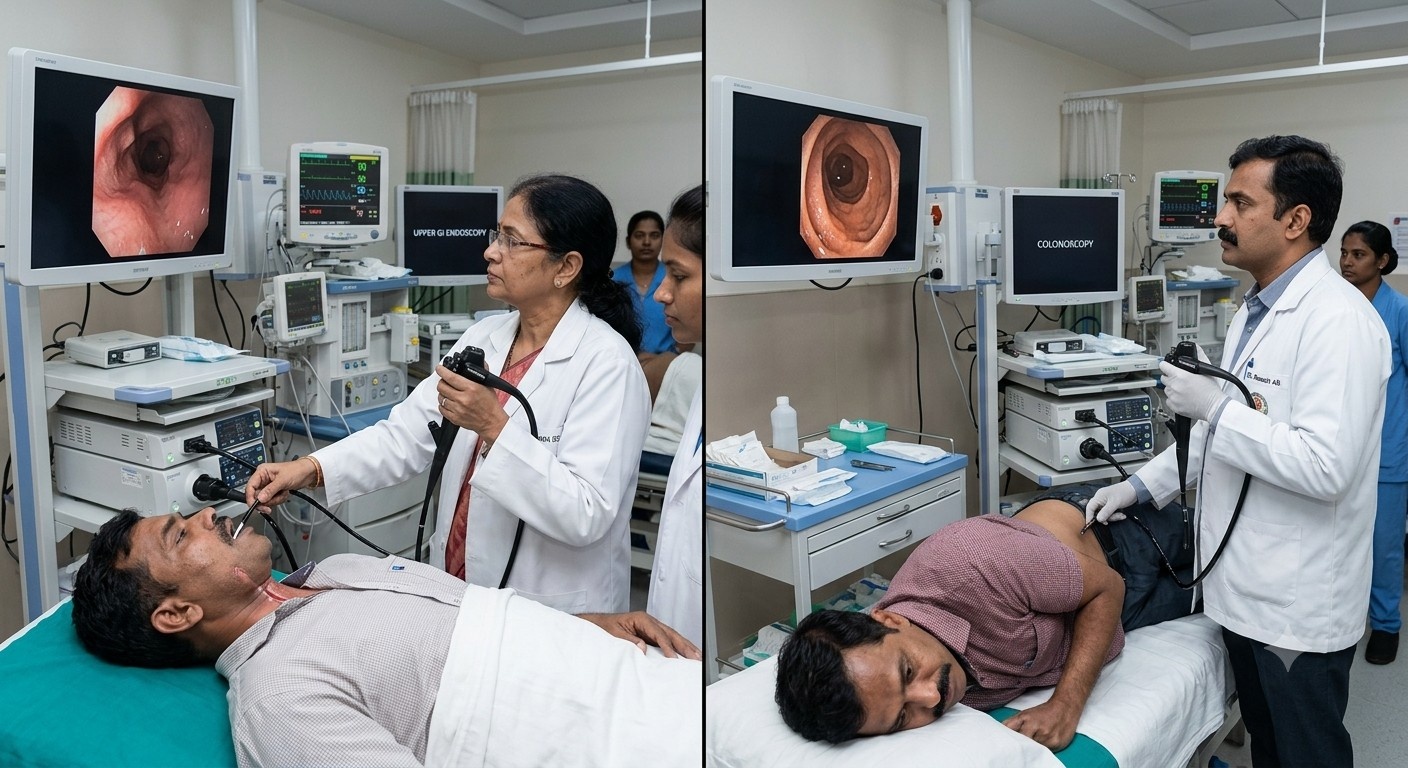
An endoscopy is a minimally invasive procedure that allows doctors to examine the upper digestive tract using a thin, flexible tube with a small camera attached to its tip.
The upper digestive tract includes:
- Esophagus
- Stomach
- First part of the small intestine (duodenum)
The camera sends real-time images to a monitor, allowing the doctor to identify abnormalities inside the digestive tract.
What Is a Colonoscopy?
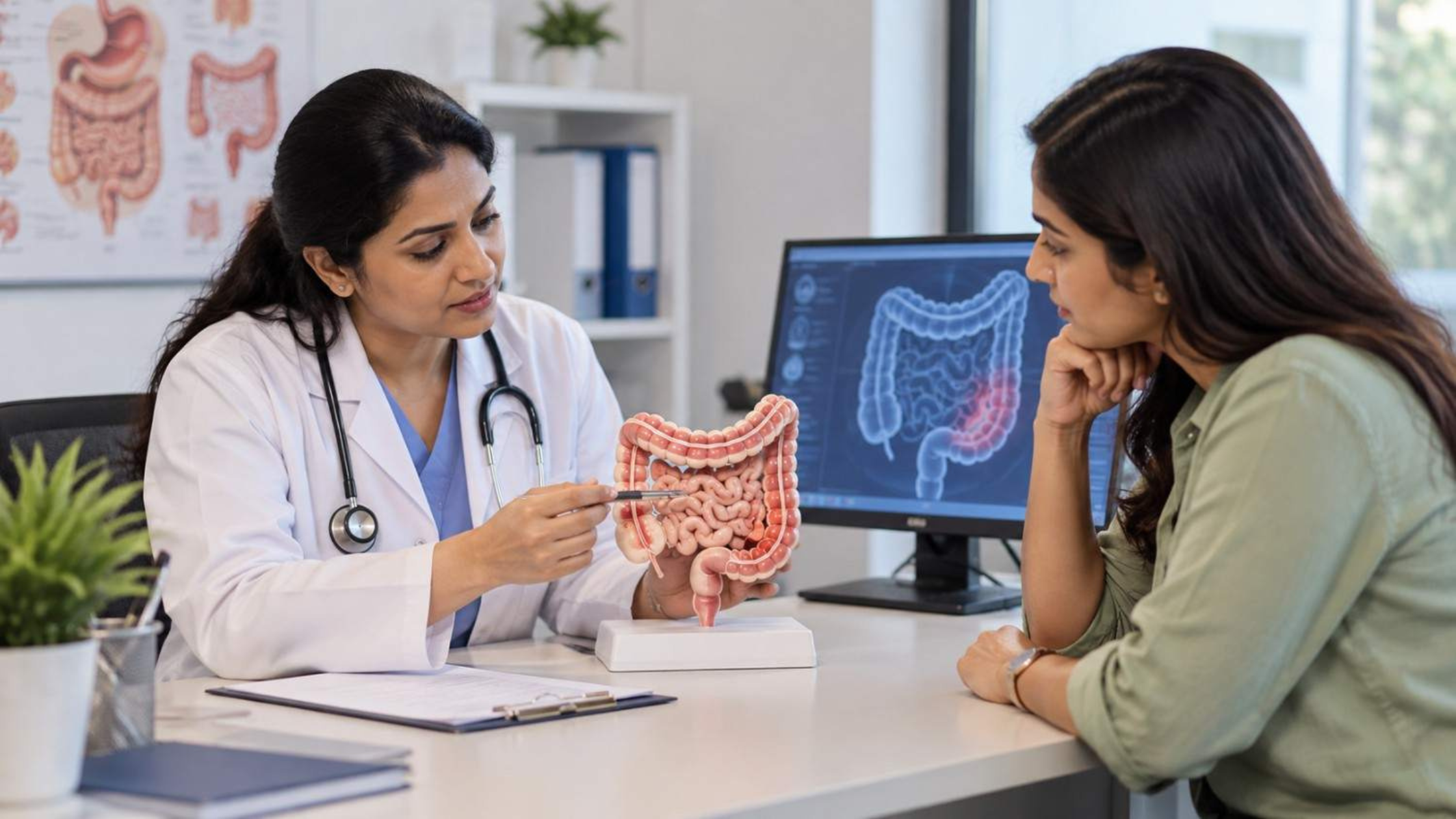
A colonoscopy is another minimally invasive procedure that examines the lower digestive tract.
During this procedure, a flexible tube with a camera is inserted through the rectum to examine:
- Rectum
- Entire large intestine (colon)
This procedure helps doctors detect inflammation, ulcers, bleeding, polyps, and other abnormalities affecting the colon.
Endoscopy vs Colonoscopy: The Main Difference
Although both procedures use a flexible camera, they examine different parts of the digestive system.
| Endoscopy | Colonoscopy |
| Examines the upper digestive tract | Examines the lower digestive tract |
| Inserted through the mouth | Inserted through the rectum |
| Evaluates the esophagus, stomach, and duodenum | Evaluates the rectum and colon |
| Helps diagnose upper digestive disorders | Helps diagnose lower digestive disorders |
Your doctor recommends the appropriate procedure based on your symptoms and medical history.
Why Are These Procedures Performed?
Both procedures help doctors diagnose digestive diseases accurately.
An endoscopy is commonly recommended for:
- Persistent acidity
- Heartburn
- Difficulty swallowing
- Chronic nausea
- Vomiting
- Stomach pain
- Upper abdominal discomfort
- Suspected ulcers
- Gastrointestinal bleeding
A colonoscopy may be advised for:
- Blood in stools
- Persistent constipation
- Chronic diarrhea
- Changes in bowel habits
- Lower abdominal pain
- Unexplained weight loss
- Colon cancer screening
- Inflammatory bowel disease
Conditions Diagnosed with Endoscopy
An endoscopy helps identify several conditions affecting the upper digestive tract.
These include:
- Acid reflux (GERD)
- Gastritis
- Peptic ulcers
- Esophagitis
- Hiatal hernia
- Stomach infections
- Stomach bleeding
- Polyps
- Early cancers
Early diagnosis helps start treatment before complications arise.
Conditions Diagnosed with Colonoscopy
A colonoscopy helps evaluate disorders affecting the colon and rectum.
Common conditions include:
- Colon polyps
- Ulcerative colitis
- Crohn’s disease
- Diverticular disease
- Colon cancer
- Rectal bleeding
- Chronic constipation
- Chronic diarrhea
- Inflammatory bowel disease
Regular screening can help detect certain conditions before symptoms become severe.
Preparing for an Endoscopy
Preparation for an endoscopy is usually simple.
Patients are generally advised to:
- Avoid eating for several hours before the procedure.
- Inform the doctor about current medications.
- Share details of allergies or existing medical conditions.
- Follow all instructions provided by the healthcare team.
Proper preparation helps improve the accuracy of the examination.
Preparing for a Colonoscopy
Preparing for a colonoscopy is more detailed because the colon must be completely clean.
Preparation usually includes:
- Following a special diet before the procedure.
- Drinking bowel-cleansing medication.
- Avoiding certain foods as advised.
- Following fasting instructions carefully.
A clean colon allows doctors to examine the intestinal lining clearly.
Are These Procedures Painful?
Many patients worry that these procedures may be painful.
In reality, both endoscopy and colonoscopy are generally well tolerated. Most patients receive medication or sedation to help them remain comfortable during the procedure.
After the examination, some patients may experience mild bloating, gas, or throat discomfort, but these symptoms usually improve within a short time.
How Long Do the Procedures Take?
Both procedures are relatively quick.
- An endoscopy usually takes about 15 to 30 minutes to complete.
- Colonoscopy generally takes about 30 to 60 minutes.
Additional time may be required before and after the procedure for preparation and recovery.
Are They Safe?
Endoscopy and colonoscopy are considered safe procedures when performed by experienced specialists.
Complications are uncommon but may include:
- Mild bleeding
- Infection
- Temporary discomfort
- Rare injury to the digestive tract
Doctors discuss potential risks and benefits before the procedure to ensure patients are well informed.
Choosing the Right Healthcare Facility
The quality of the procedure depends on experienced specialists, modern equipment, and proper patient care.
Many patients looking for the Best Endoscopy Hospital in Bangalore prefer a healthcare facility that offers advanced diagnostic technology, experienced gastroenterologists, and comprehensive follow-up care to ensure accurate diagnosis and effective treatment.
Benefits of Early Diagnosis
Many digestive disorders begin with mild symptoms that people often ignore. However, early diagnosis can improve treatment outcomes. Endoscopy and colonoscopy allow doctors to identify problems at an early stage, helping patients receive timely care before conditions become more serious.
Some benefits of early diagnosis include:
- Detecting digestive diseases in their initial stages
- Starting treatment before complications develop
- Improving recovery outcomes
- Reducing the need for more extensive treatment
- Monitoring existing digestive conditions effectively
- Providing peace of mind through accurate diagnosis
Seeking medical advice as soon as symptoms appear can help prevent unnecessary discomfort and improve long-term digestive health.
What Happens During the Procedure?
Both endoscopy and colonoscopy are performed in a controlled medical environment by trained specialists.
Before the procedure:
- Your medical history is reviewed.
- Vital signs are checked.
- The doctor explains the procedure and answers any questions.
During the procedure:
- Sedation may be given to help you stay comfortable.
- The camera-equipped scope is gently inserted.
- Images are displayed on a monitor for careful examination.
- If necessary, tissue samples (biopsies) may be collected for further analysis.
Once the examination is complete, you will be moved to a recovery area until you are ready to go home.
Recovery After Endoscopy or Colonoscopy
Recovery is usually quick for most patients.
After the procedure, you may experience:
- Mild bloating
- Temporary throat irritation after an endoscopy
- Mild abdominal discomfort
- Sleepiness due to sedation
These symptoms generally improve within a few hours.
Doctors usually recommend:
- Drinking plenty of fluids
- Eating light meals initially
- Avoiding driving for the rest of the day if sedation was used
- Following all post-procedure instructions carefully
Most people can return to their normal routine the following day unless advised otherwise.
Which Procedure Do You Need?
Many patients wonder whether they need an endoscopy or a colonoscopy. The answer depends entirely on your symptoms and the area of the digestive tract that needs evaluation.
Your doctor may recommend:
Endoscopy if you have:
- Persistent heartburn
- Difficulty swallowing
- Upper abdominal pain
- Frequent vomiting
- Suspected stomach ulcers
- Chronic indigestion
Colonoscopy if you have:
- Blood in stools
- Persistent constipation
- Chronic diarrhea
- Changes in bowel habits
- Lower abdominal pain
- Colon cancer screening needs
Your gastroenterologist will determine the most appropriate investigation after evaluating your symptoms.
Choosing an Experienced Specialist
Having your procedure performed by an experienced gastroenterologist ensures accurate diagnosis and safe treatment.
Patients searching for the Best Endoscopy Doctor in Bangalore often look for specialists with expertise in advanced diagnostic procedures, patient-focused care, and comprehensive management of digestive disorders.
An experienced doctor can also explain the findings clearly and recommend the most suitable treatment plan based on your condition.
Comprehensive Healthcare Under One Roof
Some patients undergoing digestive evaluation may also require care from other medical specialties depending on their diagnosis. Access to a multispeciality hospital allows seamless coordination between different specialists whenever additional treatment is needed.
For example, patients diagnosed with conditions unrelated to the digestive tract may benefit from specialized services available within the same healthcare system, including the Best Hospital for Kidney Stone Treatment in Bangalore, ensuring convenient and coordinated care when required.
Tips for Maintaining Good Digestive Health
While medical procedures are important for diagnosis, healthy lifestyle habits play a major role in preventing digestive disorders.
Here are a few simple tips:
- Eat a balanced diet with plenty of fruits and vegetables.
- Stay hydrated throughout the day.
- Exercise regularly.
- Avoid excessive consumption of processed foods.
- Limit alcohol intake.
- Avoid smoking.
- Manage stress effectively.
- Maintain a healthy body weight.
- Do not ignore persistent digestive symptoms.
- Schedule regular medical check-ups if you have ongoing digestive concerns.
These habits can help support a healthy digestive system and reduce the risk of many gastrointestinal conditions.
Frequently Asked Questions
1. Is an endoscopy different from a colonoscopy?
Yes. An endoscopy examines the upper digestive tract through the mouth, while a colonoscopy examines the rectum and large intestine through the rectum.
2. Which procedure takes longer?
An endoscopy usually takes about 15–30 minutes, while a colonoscopy generally takes 30–60 minutes, depending on the individual case.
3. Will I be awake during the procedure?
Most patients receive sedation to help them remain relaxed and comfortable during the examination.
4. Can I eat after the procedure?
Yes. Your doctor will advise you when you can resume eating. Most patients can start with light meals once the effects of sedation have worn off.
5. Are these procedures safe?
Yes. Both procedures are commonly performed and are generally considered safe when carried out by experienced healthcare professionals.
Conclusion
Endoscopy and colonoscopy are valuable diagnostic procedures that help identify a wide range of digestive disorders. Although they examine different parts of the digestive system, both play an important role in detecting conditions early, guiding treatment, and supporting better long-term health. Understanding the differences between these procedures can help patients feel more informed and confident when undergoing evaluation.
Ananya Hospitals is dedicated to providing advanced gastroenterology care with experienced specialists, modern diagnostic technology, and personalized treatment plans for every patient. If you are experiencing persistent digestive symptoms or your doctor has recommended further evaluation, Contact Ananya Hospitals to schedule a consultation and receive expert guidance. Ananya Hospitals remains committed to delivering compassionate, comprehensive digestive care to help you achieve better health and peace of mind.