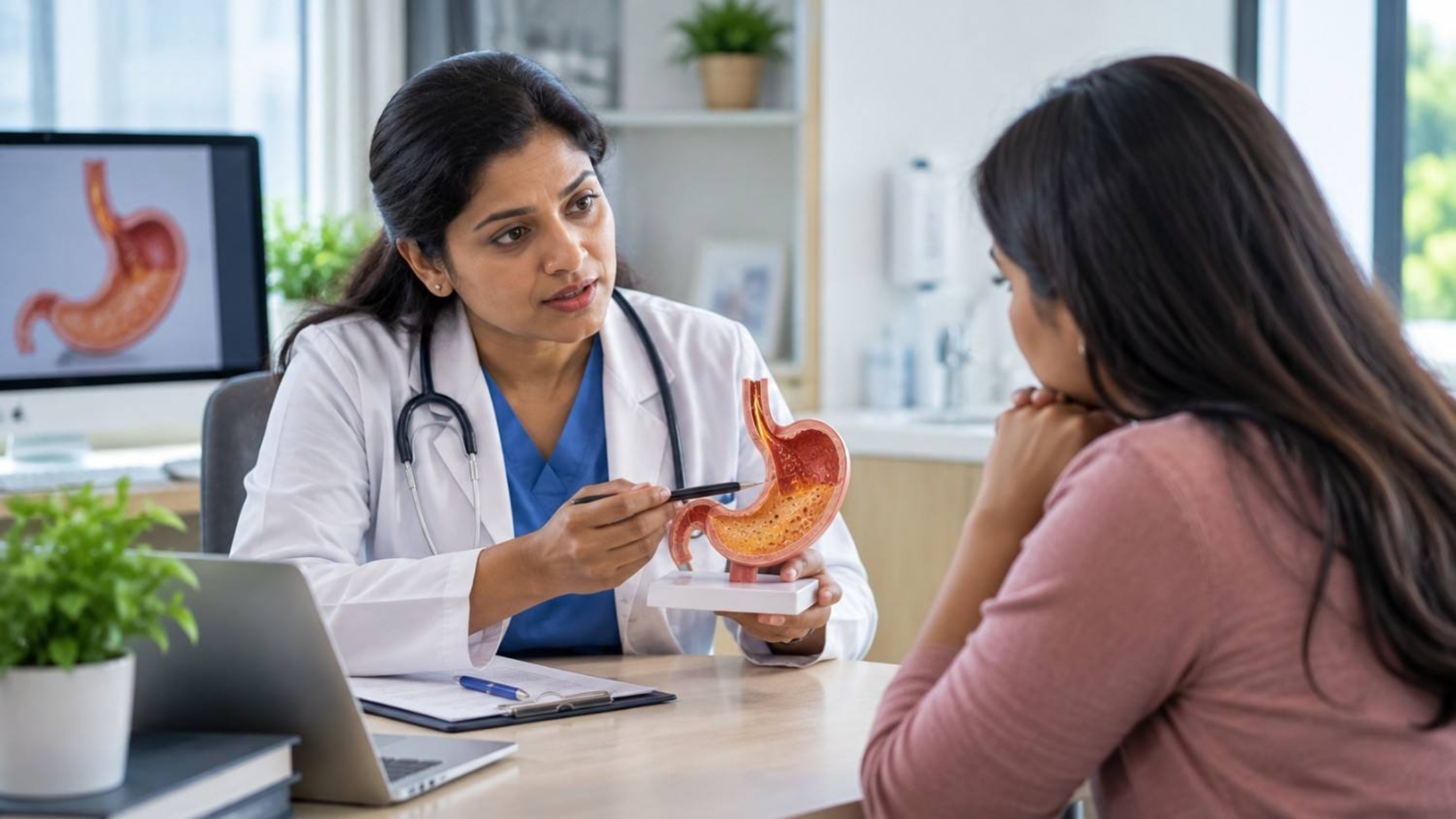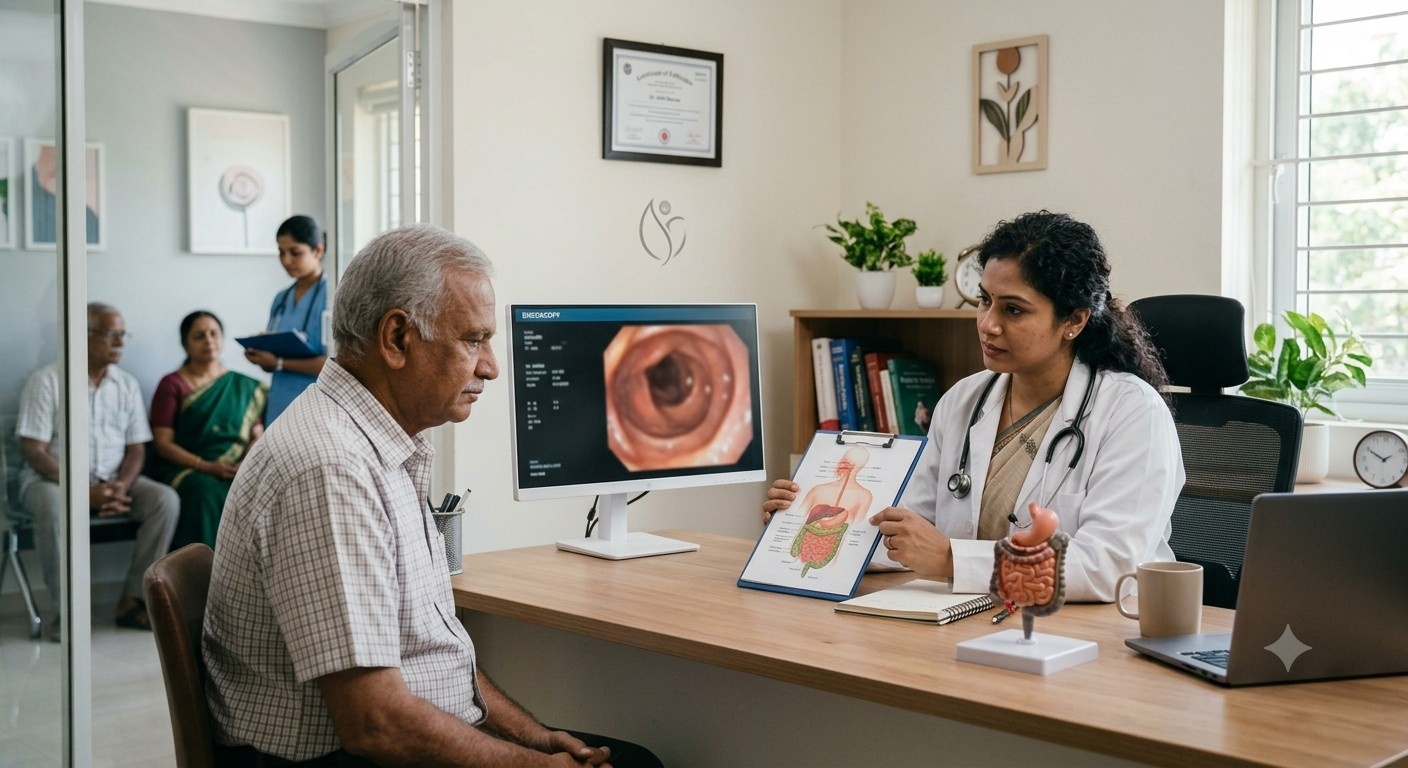
Digestive health is one of the most important aspects of overall well-being. Your digestive system helps your body absorb nutrients, maintain energy levels, and remove waste efficiently. When it does not function properly, even simple daily activities can become uncomfortable. Problems like acidity, stomach pain, bloating, constipation, diarrhea, and indigestion are common, but if these symptoms continue for a long time, they should not be ignored.
Ananya Hospitals is committed to providing comprehensive gastroenterology care with a patient-first approach. With experienced specialists, advanced diagnostic facilities, and personalized treatment plans, patients receive the care they need for both common and complex digestive disorders. Choosing the right hospital and specialist plays a significant role in achieving better health outcomes. Ananya Hospitals focuses on accurate diagnosis, compassionate care, and effective treatment to help patients regain their digestive health.
What Is Gastroenterology?
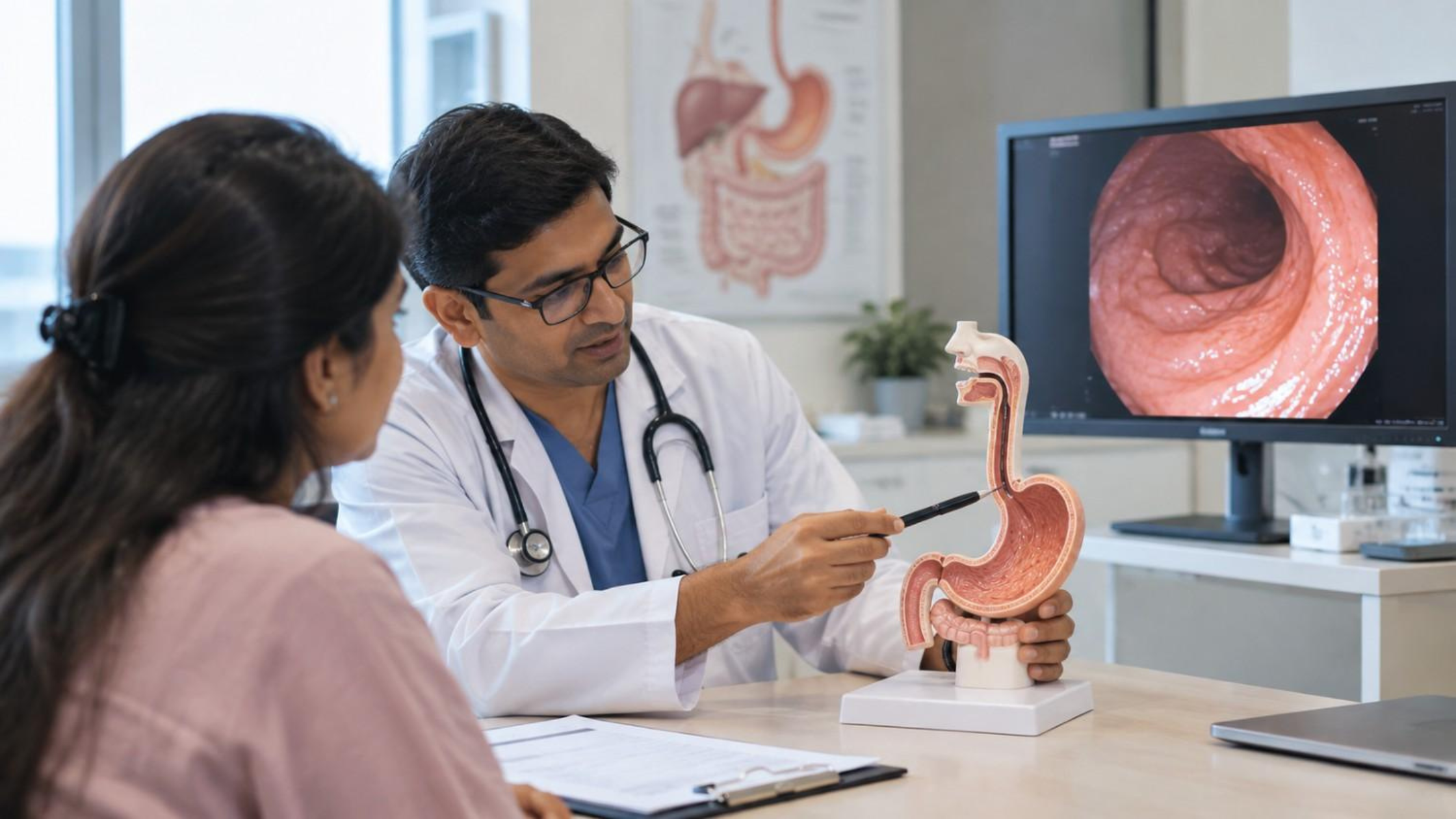
Gastroenterology is a medical specialty that focuses on diagnosing and treating diseases affecting the digestive system. It covers the esophagus, stomach, small intestine, large intestine, liver, pancreas, gallbladder, and rectum.
A gastroenterologist is trained to identify digestive disorders, recommend suitable treatments, and help patients manage both short-term and long-term gastrointestinal conditions.
Why Digestive Health Matters
A healthy digestive system supports every part of the body. It helps absorb nutrients, strengthens immunity, and provides the energy needed for daily life.
Ignoring digestive symptoms may allow certain conditions to become more serious over time. Early diagnosis and treatment can prevent complications and improve recovery.
Maintaining good digestive health also contributes to better overall wellness and quality of life.
Common Digestive Problems
Many digestive conditions can affect people of all ages. Some of the most common problems include:
- Acid reflux
- Heartburn
- Gastritis
- Peptic ulcers
- Irritable Bowel Syndrome (IBS)
- Constipation
- Chronic diarrhea
- Fatty liver disease
- Hepatitis
- Gallbladder disorders
- Pancreatitis
- Digestive infections
- Gastrointestinal bleeding
These conditions can often be treated successfully when diagnosed early.
Signs You Should Visit a Gastroenterologist
Many digestive symptoms disappear within a few days, but persistent problems should always be evaluated by a specialist.
Consult a gastroenterologist if you experience:
- Frequent stomach pain
- Continuous acidity
- Difficulty swallowing
- Persistent bloating
- Blood in stools
- Black-colored stools
- Unexplained weight loss
- Ongoing nausea
- Repeated vomiting
- Chronic constipation
- Frequent diarrhea
- Loss of appetite
Timely consultation helps identify the exact cause of these symptoms and allows treatment to begin before complications develop.
Qualities of a Good Gastroenterologist
Choosing the right specialist is an important step in your treatment journey.
A good gastroenterologist should have:
- Strong clinical experience
- Good communication skills
- Patient-centered approach
- Knowledge of advanced diagnostic procedures
- Ability to explain treatment options clearly
- Experience in managing both simple and complex digestive diseases
Patients looking for the Gastroenterologist specialist in Bangalore often consider these qualities before making their decision.
Conditions Treated by Gastroenterologists
Gastroenterologists manage a wide range of digestive disorders.
Some commonly treated conditions include:
Acid Reflux (GERD)
A condition where stomach acid flows back into the food pipe, causing heartburn and chest discomfort.
Gastritis
Inflammation of the stomach lining that may cause pain, nausea, and indigestion.
Peptic Ulcers
Open sores that develop in the stomach or upper small intestine due to excess acid or bacterial infection.
Irritable Bowel Syndrome (IBS)
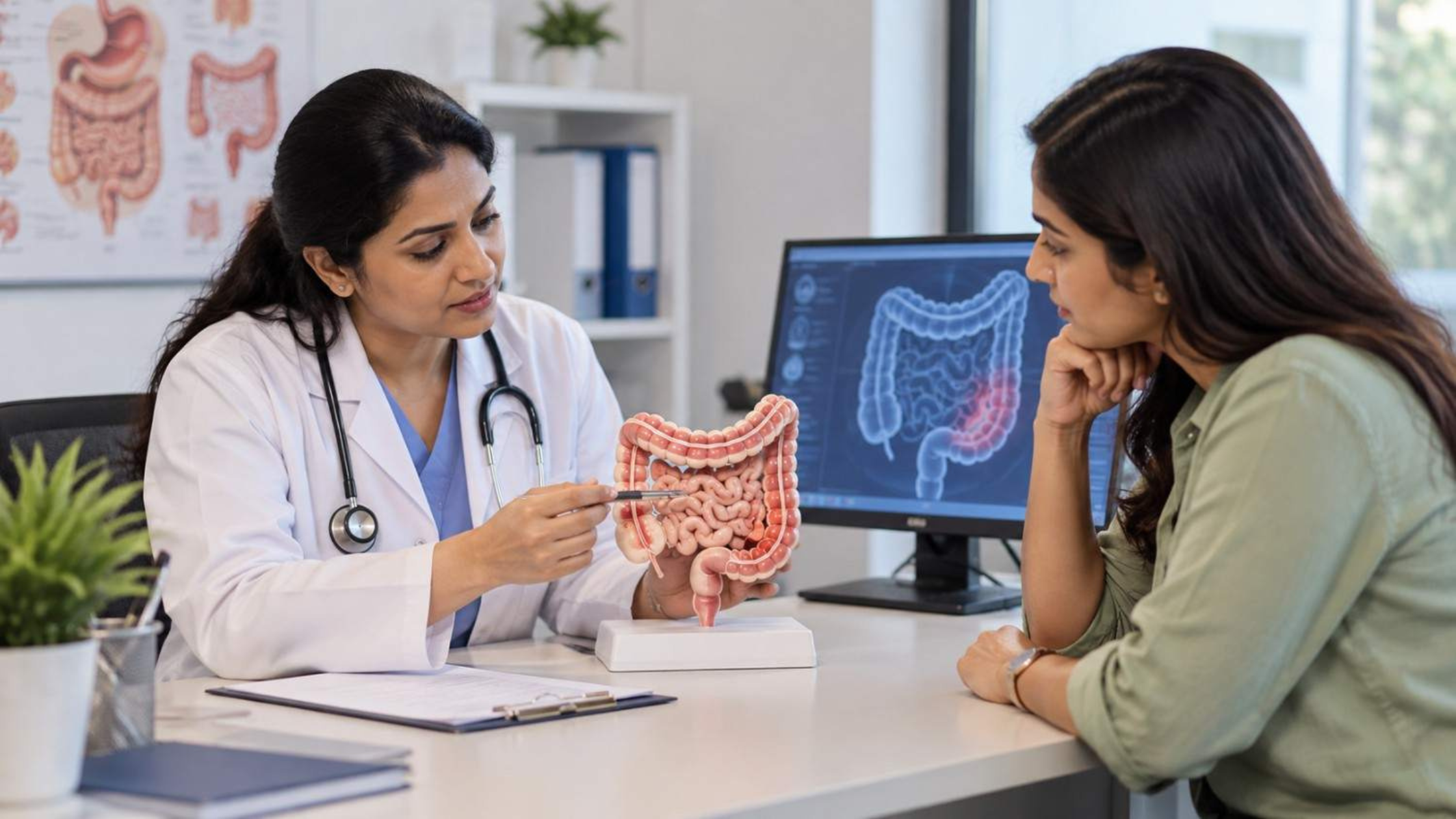
A long-term digestive disorder that causes abdominal pain, bloating, constipation, or diarrhea.
Liver Disorders
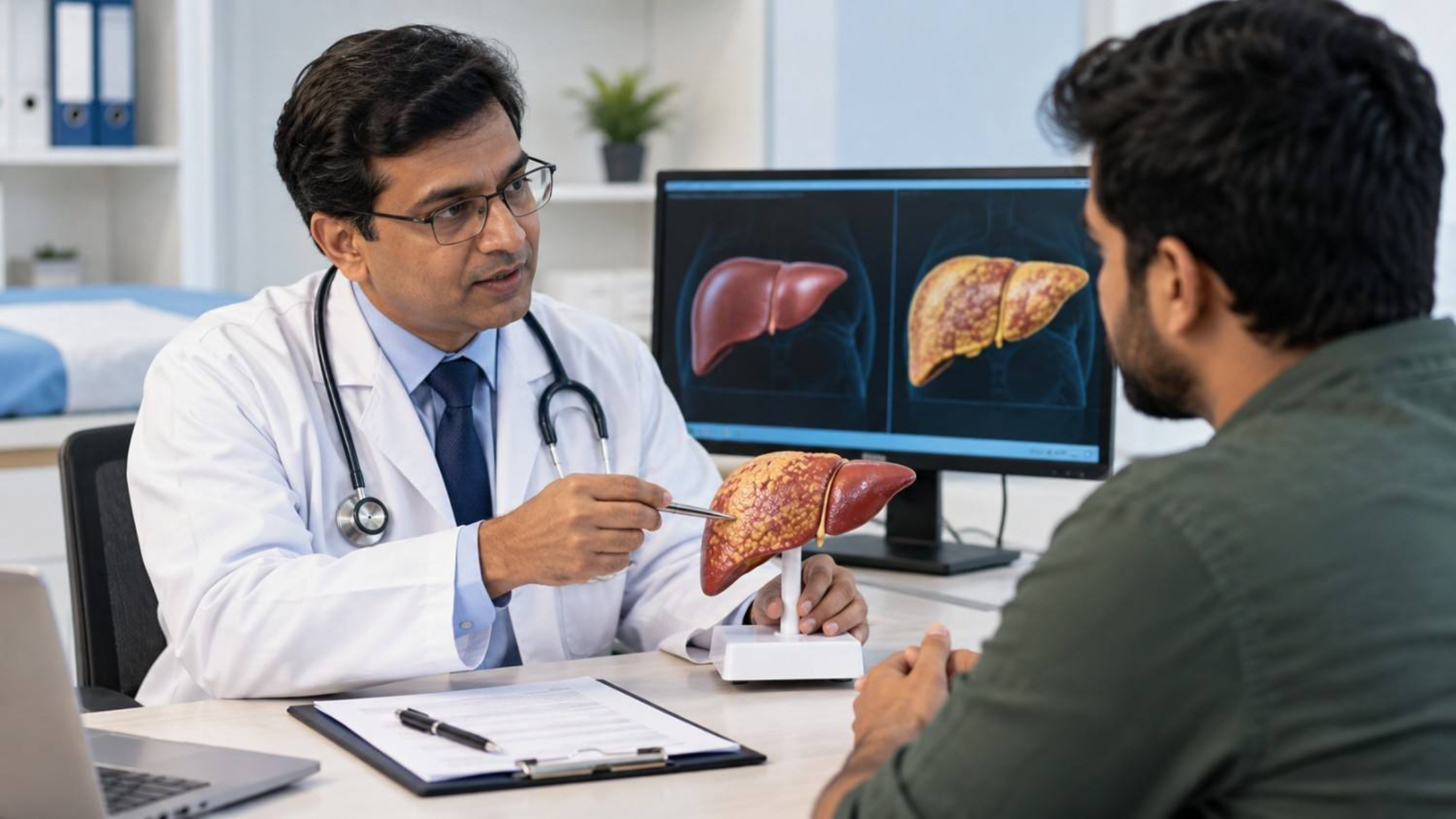
Conditions such as fatty liver disease, hepatitis, and liver inflammation require early diagnosis and proper management.
Gallbladder Diseases
Gallstones and inflammation of the gallbladder may cause severe abdominal pain and digestive discomfort.
Pancreatic Disorders
Diseases affecting the pancreas can interfere with digestion and require specialized medical care.
Importance of Early Diagnosis
Many digestive diseases develop gradually. Initially, symptoms may seem mild or occur only occasionally.
Early diagnosis helps:
- Detect diseases sooner
- Prevent complications
- Reduce treatment time
- Improve recovery
- Avoid unnecessary hospital admissions
- Improve long-term digestive health
Ignoring persistent digestive symptoms can delay treatment and increase the risk of complications.
Diagnostic Procedures Used in Gastroenterology
Accurate diagnosis is the first step toward successful treatment.
Common diagnostic procedures include:
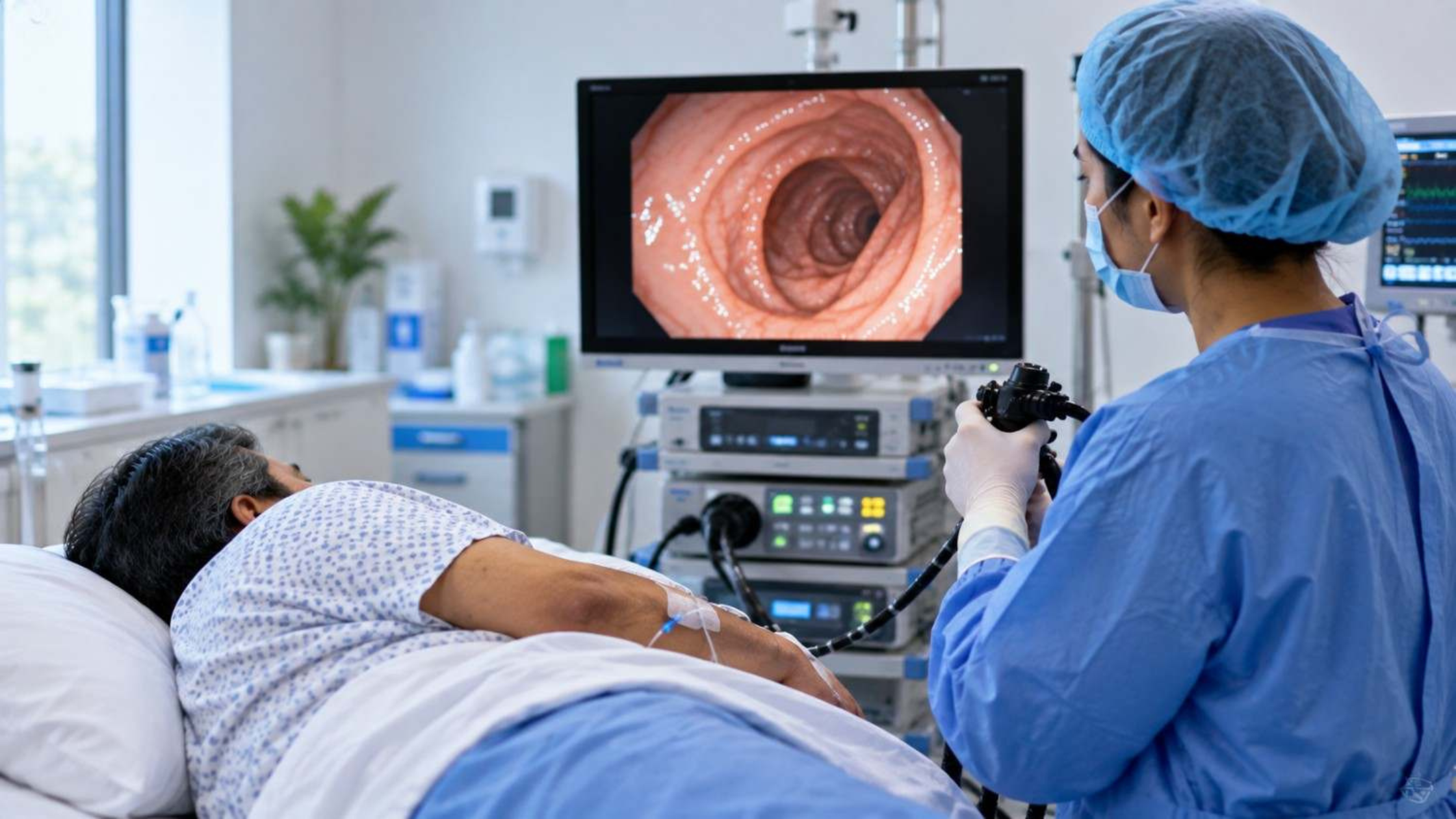
Endoscopy
A minimally invasive procedure that helps doctors examine the digestive tract and diagnose gastrointestinal disorders.
Colonoscopy
A procedure used to examine the large intestine for polyps, inflammation, ulcers, and other abnormalities.
Blood Tests
Blood investigations help detect infections, liver disorders, anemia, and nutritional deficiencies.
Ultrasound
Ultrasound imaging helps evaluate the liver, gallbladder, pancreas, and surrounding organs.
CT Scan and MRI
Advanced imaging techniques provide detailed information about digestive organs when required.
Treatment Options for Digestive Disorders
Treatment depends on the patient’s condition and overall health.
Common treatment options include:
- Lifestyle modifications
- Healthy diet plans
- Medications
- Endoscopic procedures
- Long-term disease management
- Regular follow-up care
The goal is to relieve symptoms, treat the underlying cause, and improve the patient’s quality of life.
Healthy Lifestyle Tips for Better Digestion
Simple lifestyle habits can improve digestive health significantly.
Some useful tips include:
- Eat balanced meals.
- Stay hydrated.
- Exercise regularly.
- Avoid smoking.
- Limit alcohol intake.
- Eat more fruits and vegetables.
- Include fiber-rich foods.
- Avoid overeating.
- Manage stress effectively.
- Get adequate sleep.
- Attend regular health check-ups.
Following these habits can reduce the risk of many digestive disorders and support long-term health.
Advanced Gastroenterology Care
Modern gastroenterology combines experienced specialists with advanced technology to deliver better patient outcomes.
Hospitals equipped with modern diagnostic facilities can provide:
- Accurate diagnosis
- Faster treatment planning
- Better disease monitoring
- Personalized medical care
- Improved patient safety
Choosing the Best Gastroenterology Hospital in Bangalore ensures access to comprehensive digestive care supported by experienced healthcare professionals and advanced medical technology.
Personalized Care Makes a Difference
Every patient has different health concerns, medical history, and treatment needs. A personalized approach helps doctors understand the root cause of digestive problems and recommend the most suitable treatment plan.
During a consultation, the specialist carefully reviews symptoms, previous medical history, lifestyle habits, medications, and dietary patterns before recommending investigations or treatment. This approach not only improves treatment outcomes but also helps patients understand their condition and make informed decisions about their health.
Why Experience Matters
Digestive disorders often have similar symptoms, making accurate diagnosis extremely important. An experienced gastroenterologist can identify the underlying cause of symptoms and recommend appropriate investigations before beginning treatment.
Experience also helps in:
- Early disease detection
- Better treatment planning
- Managing chronic digestive disorders
- Preventing complications
- Providing long-term follow-up care
Patients benefit from medical advice that is based on clinical expertise and evidence-based practices.
Preventive Gastroenterology
Many digestive disorders can be prevented through healthy lifestyle choices and regular medical check-ups.
Preventive care includes:
- Eating a balanced diet
- Drinking enough water
- Exercising regularly
- Maintaining a healthy body weight
- Avoiding tobacco products
- Limiting alcohol consumption
- Managing stress effectively
- Getting adequate sleep
- Undergoing routine health screenings
Simple lifestyle changes can reduce the risk of developing many gastrointestinal conditions and support overall health.
When Is Surgery Needed?
Most digestive disorders can be managed with medication, lifestyle changes, or minimally invasive procedures. However, some conditions may require surgery when other treatments are not effective.
Surgery may be recommended for:
- Complicated gallbladder disease
- Severe intestinal obstruction
- Certain gastrointestinal tumors
- Advanced hernias
- Appendicitis
- Complicated ulcers
- Some colorectal conditions
Choosing an experienced Abdominal Surgery Hospital in Bangalore ensures that patients receive comprehensive evaluation, safe surgical care, and proper post-operative recovery under expert medical supervision.
Importance of Regular Follow-Up
Treatment does not always end after the first consultation. Many digestive conditions require regular monitoring to ensure the patient is responding well to treatment.
Follow-up appointments help doctors:
- Monitor recovery
- Adjust medications if required
- Identify new symptoms
- Prevent recurrence
- Provide ongoing dietary guidance
Regular follow-up plays an important role in maintaining long-term digestive health.
How to Maintain a Healthy Digestive System
Good digestive health starts with simple daily habits.
Here are some practical tips:
- Eat meals on time.
- Chew food slowly.
- Include fresh fruits and vegetables in your diet.
- Avoid excessive spicy and processed foods.
- Drink plenty of water throughout the day.
- Stay physically active.
- Avoid self-medicating for persistent digestive problems.
- Do not ignore recurring symptoms.
- Schedule routine health check-ups.
These healthy habits can help improve digestion and reduce the risk of many gastrointestinal disorders.
Frequently Asked Questions
1. What does a gastroenterologist treat?
A gastroenterologist diagnoses and treats disorders affecting the stomach, intestines, liver, pancreas, gallbladder, and digestive tract.
2. When should I consult a gastroenterologist?
You should seek medical advice if you experience persistent acidity, stomach pain, bloating, constipation, diarrhea, difficulty swallowing, or unexplained weight loss.
3. Is endoscopy a safe procedure?
Yes. Endoscopy is a commonly performed minimally invasive procedure that helps doctors examine the digestive tract and diagnose gastrointestinal conditions safely.
4. Can digestive problems be prevented?
Many digestive disorders can be prevented through healthy eating habits, regular exercise, adequate hydration, stress management, and timely medical check-ups.
5. How often should I undergo digestive health screening?
The need for screening depends on your age, symptoms, family history, and overall health. Your doctor can recommend the appropriate schedule based on your individual risk factors.
Conclusion
Choosing the right specialist for digestive health is an important step toward better overall well-being. Early diagnosis, experienced medical care, advanced diagnostic facilities, and personalized treatment can help manage digestive disorders effectively while improving long-term health. Paying attention to persistent symptoms and seeking timely medical advice can prevent complications and support a faster recovery.
Ananya Hospitals is dedicated to providing comprehensive gastroenterology care with experienced specialists, modern technology, and compassionate patient support. Whether you need evaluation for a common digestive problem or treatment for a complex gastrointestinal condition, expert care is available to guide you through every stage of recovery. Contact Ananya Hospitals to schedule your consultation and receive personalized digestive healthcare. Ananya Hospitals remains committed to helping every patient achieve better digestive health through quality treatment and patient-centered care.