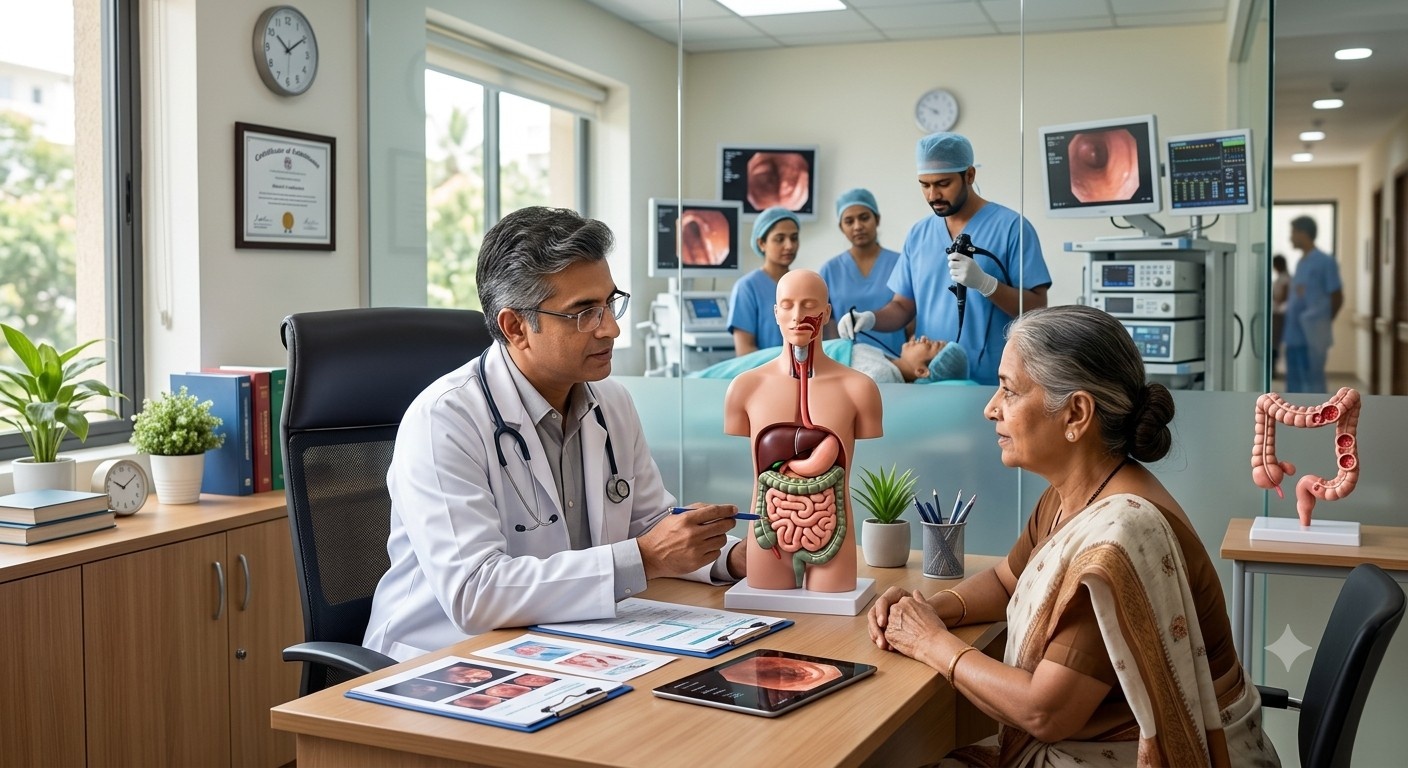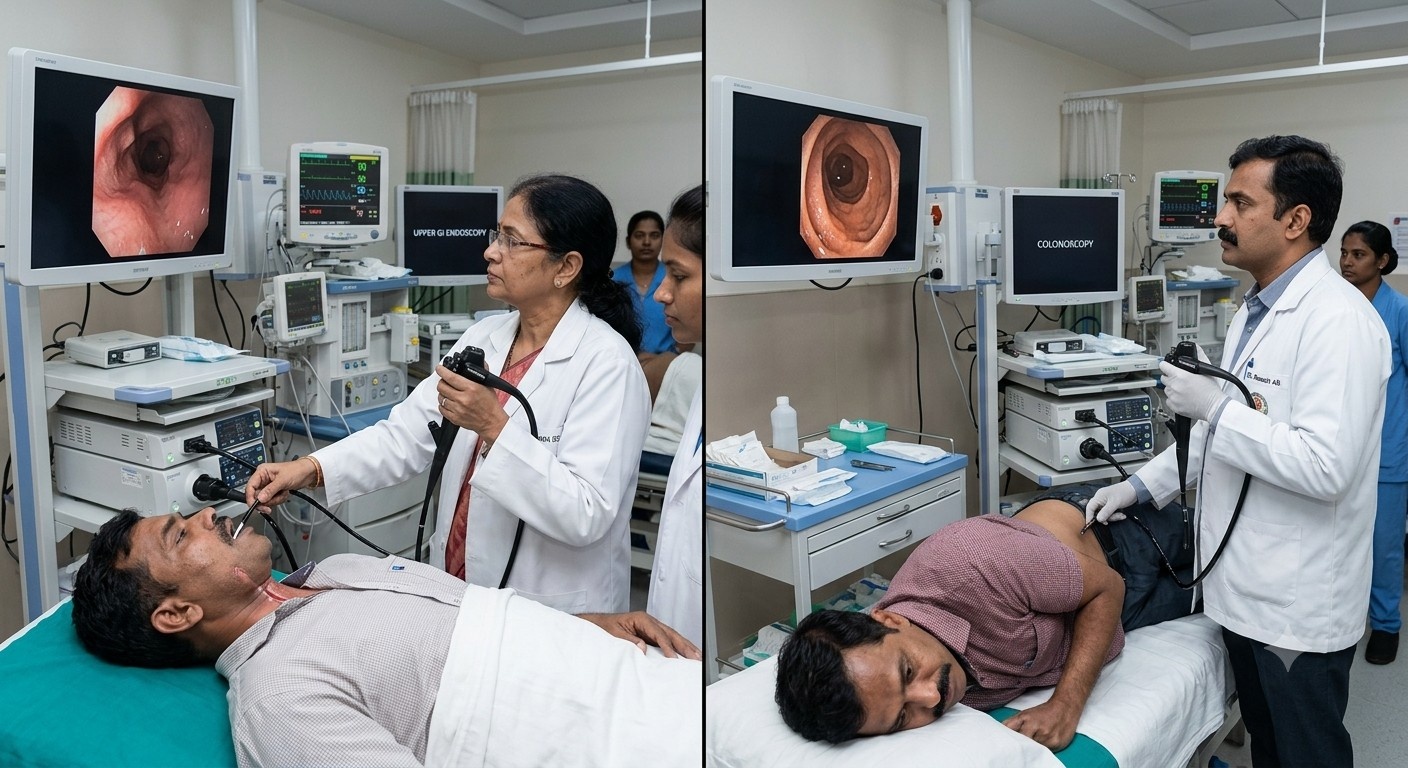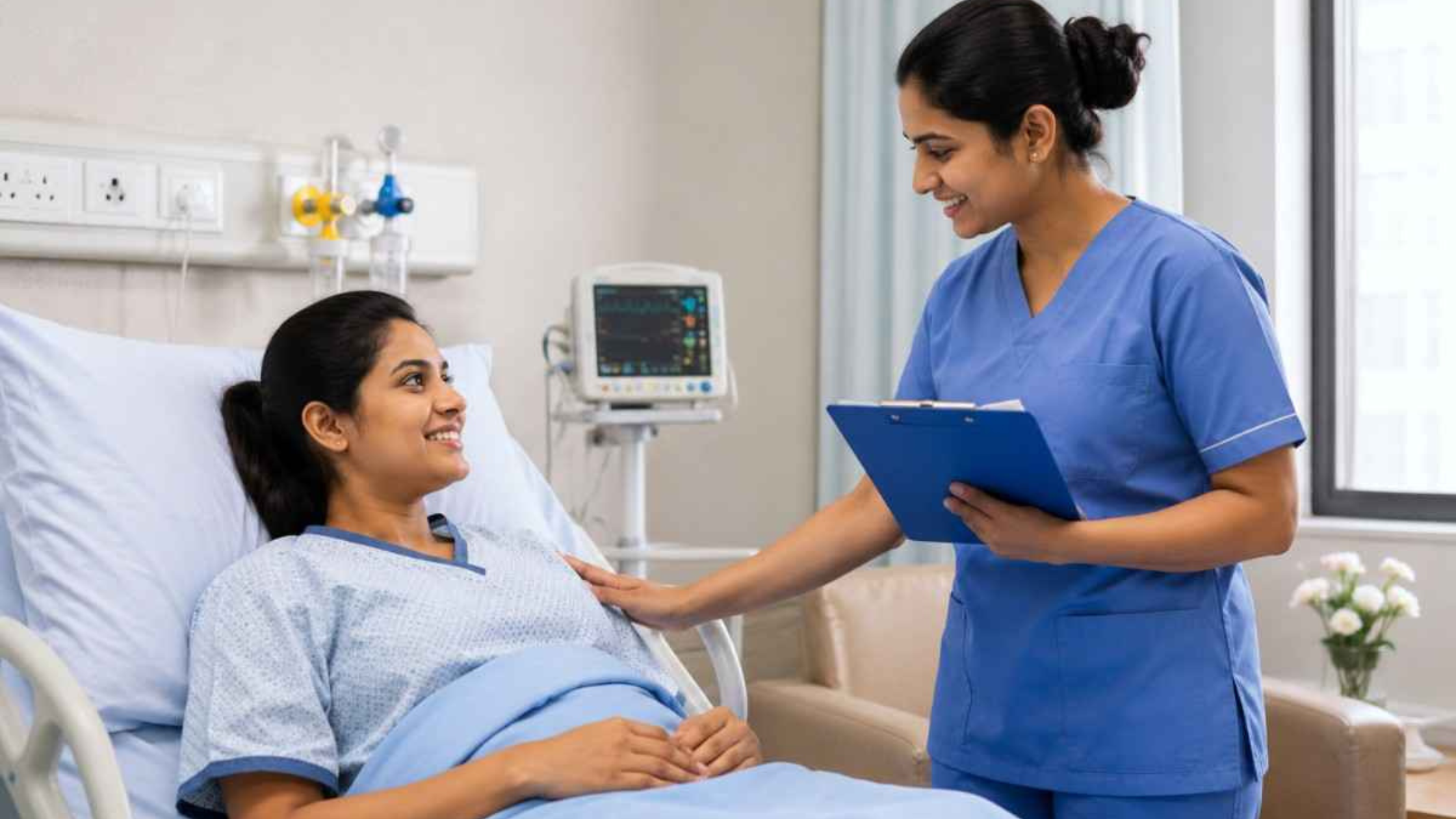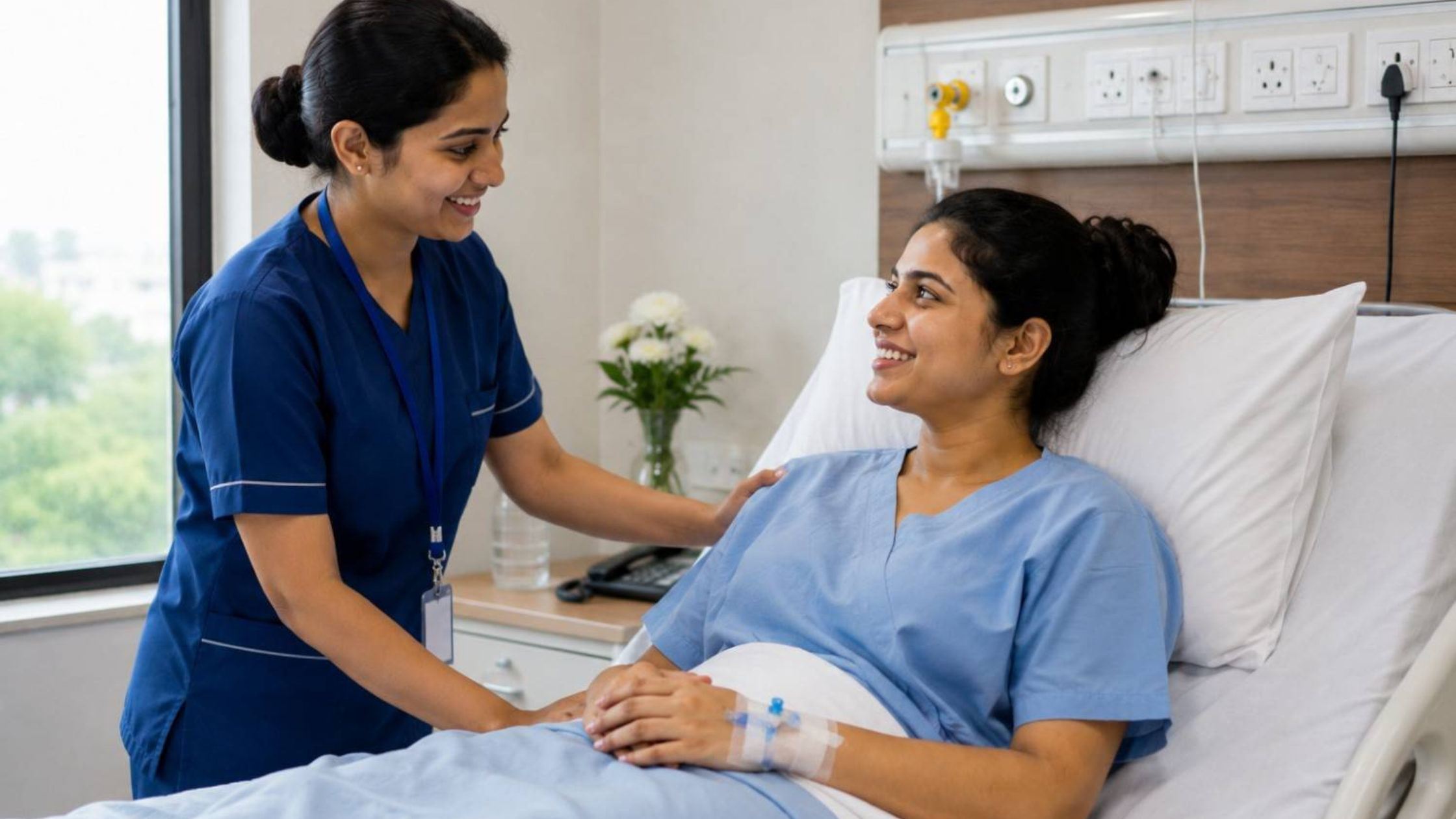
Piles or hemorrhoids are a frequent health issue that can be uncomfortable for people of all ages.Many individuals hesitate to talk about it due to embarrassment, which often delays proper treatment. At Ananya Hospital, doctors frequently see patients who have been silently suffering for months or even years before seeking help. The good news is that medical advancements now offer safer, less painful solutions. Piles Treatment specialists at Ananya Hospital use modern techniques that focus on faster healing and minimal discomfort, helping patients return to their normal lives quickly.
What Are Piles?
Piles are enlarged veins located in the lower rectum and anus, and they may develop either inside the rectum (internal) or beneath the skin around the anus (external). While they are not usually dangerous, they can cause significant discomfort and affect daily activities.
Common Symptoms Include:
- Pain during bowel movements
- Bleeding while passing stool
- Itching or irritation around the anus
- Swelling or a lump near the anus
- Mucus discharge
Symptoms can vary depending on the type and severity of piles.
Causes of Piles
Several lifestyle and health factors can lead to piles:
- Chronic constipation or diarrhea
- Straining during bowel movements
- Sitting for long periods
- Pregnancy
- Obesity
- Low-fiber diet
These factors increase pressure in the rectal veins, causing them to swell.
Understanding Piles Treatment: Modern Surgical Approaches Explained
When lifestyle modifications and medications fail to provide adequate relief, surgical intervention may be advised. With the availability of painless piles surgery, modern treatment approaches are designed to minimize discomfort, shorten hospital stays, and support quicker recovery compared to conventional surgical methods.
Let’s explore these advanced treatment options.
Non-Surgical Treatments (Early Stages)
Before considering surgery, doctors often suggest:
1. Lifestyle Changes
- Eating a high-fiber diet
- Drinking plenty of water
- Avoiding straining during bowel movements
- Regular physical activity
2. Medications
- Creams and ointments to reduce pain and swelling
- Oral medicines to improve bowel movements
These methods work well for mild cases but may not be enough for severe or long-standing piles.
When Is Surgery Needed?
Surgery is considered when:
- Bleeding becomes frequent
- Pain is severe
- Piles prolapse (come out of the anus)
- Non-surgical treatments fail
- There is repeated infection or clotting
Modern surgical options are less invasive and far more comfortable than older methods.
Modern Surgical Treatments for Piles
1. Laser Surgery for Piles
Laser treatment is one of the most advanced and popular options today.
How it works:
A focused laser beam shrinks the swollen blood vessels without large cuts.
Benefits:
- Minimal pain
- Very little bleeding
- Faster recovery
- Short hospital stay
This method is especially useful for early to moderate stages of piles.
2. Stapler Surgery (Stapled Hemorrhoidopexy)
This is a modern alternative to traditional hemorrhoid removal.
How it works:
A circular stapling device is used to reposition and reduce blood supply to the hemorrhoids, causing them to shrink.
Benefits:
- Less post-surgery pain
- Quick return to normal activities
- Shorter healing time
This technique is often used for internal piles that prolapse.
3. Minimally Invasive Hemorrhoidectomy
In this procedure, advanced surgical tools are used to remove hemorrhoids with precision and minimal damage to surrounding tissues.
Benefits:
- Effective for large or severe piles
- Reduced bleeding
- Improved comfort compared to older open surgery methods
4. Doppler-Guided Hemorrhoidal Artery Ligation (DG-HAL)
This technique uses a special device to locate and tie off blood vessels supplying the piles.
Benefits:
- Less pain
- No large wounds
- Faster recovery
It is suitable for certain types of internal hemorrhoids.
Advantages of Modern Surgical Methods
Compared to traditional surgery, modern techniques offer several benefits:
- Smaller or no incisions
- Less pain after the procedure
- Reduced hospital stay
- Lower risk of complications
- Faster return to work and daily life
These improvements make piles surgery far less frightening than it used to be.
What to Expect During Recovery
Recovery depends on the type of procedure performed, but modern treatments generally allow quick healing.
After Surgery:
- Mild discomfort for a few days
- Pain relief medications may be prescribed
- High-fiber diet is recommended
- Plenty of fluids help prevent constipation
- Light walking is encouraged
Most patients resume routine activities within a few days to a week.
Possible Risks and Complications
Although modern piles surgery is safe, some minor risks may include:
- Temporary pain or swelling
- Mild bleeding
- Difficulty passing urine for a short time
- Infection (rare with proper care)
Following medical advice carefully reduces the chances of complications.
Preventing Piles After Treatment
Surgery removes existing piles, but healthy habits help prevent recurrence.
Simple Preventive Tips:
- Eat fiber-rich foods like fruits and vegetables
- Drink 2–3 liters of water daily
- Avoid sitting too long on the toilet
- Exercise regularly
- Respond to the urge to pass stool without delay
These steps support smooth digestion and reduce strain on rectal veins.
Emotional Well-Being Matters
Many people feel embarrassed discussing piles, which can delay treatment. It is important to remember that piles are a medical condition like any other. Seeking help early prevents complications and ensures simpler treatment options.
Modern procedures are designed with patient comfort in mind, making treatment far less stressful than most people imagine.
Frequently Asked Questions (FAQs)
1. Is piles surgery very painful?
Modern techniques like laser and stapler surgery cause much less pain compared to traditional methods.
2. How long does it take to recover after piles surgery?
Most patients recover within a few days to a week, depending on the procedure.
3. Can piles come back after surgery?
Yes, if lifestyle habits don’t improve. A healthy diet and avoiding constipation reduce the risk.
4. Is laser treatment safe for piles?
Yes, it is considered safe and effective for many patients, with minimal discomfort and quick healing.
5. When should I see a doctor for piles?
If you have bleeding, severe pain, or symptoms lasting more than a week, you should seek medical advice.
Conclusion
Living with piles can impact comfort, confidence, and everyday activities, but effective treatment options are available. With advanced medical techniques, piles treatment today is safer, less painful, and offers faster recovery than traditional methods. At Ananya Hospital, experienced piles surgeons use modern surgical approaches that focus on patient comfort and long-term relief. The medical team at Ananya Hospital provides personalized care, clear guidance, and carefully chosen treatment plans to achieve lasting results, book an appointment to take the first step toward relief.