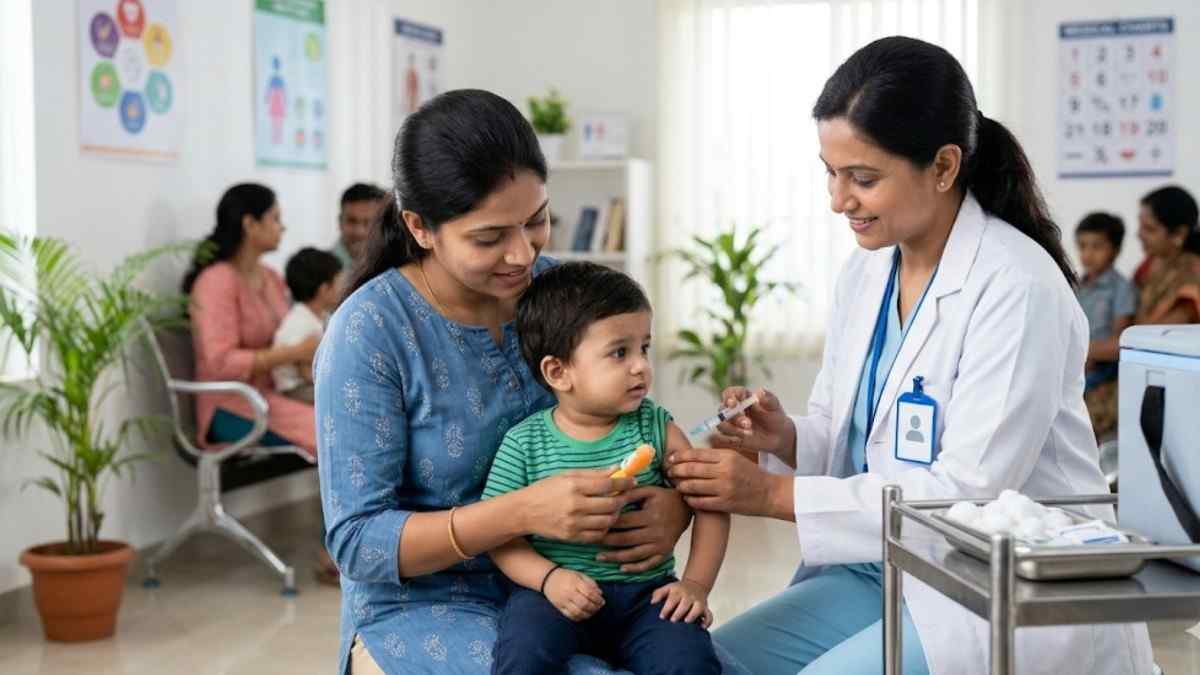
As parents, one of the most important responsibilities is protecting your child from preventable diseases. Vaccination plays a vital role in building immunity during the early and most vulnerable years of life. With accurate information and timely action, parents can ensure their children grow up healthy and strong. At Shanbhag Hospital, child healthcare focuses on preventive medicine, parental education, and safe immunization practices. With expert paediatric care and compassionate guidance, Shanbhag Hospital supports families in making informed decisions about their child’s health.
Immunization is not just about individual protection — it also helps safeguard communities by reducing the spread of infectious diseases. Understanding how vaccines work, when they should be given, and why they matter empowers parents to follow the schedule with confidence.
Why Childhood Vaccination Is Essential
Vaccines protect children during the early stages of life when their immune systems are still developing. By introducing weakened or inactive parts of germs, vaccines help the body build immunity without causing illness.
Key benefits of childhood vaccination include:
- Protection against serious and life-threatening diseases
- Reduced risk of disease outbreaks
- Long-term community immunity
- Lower healthcare costs due to disease prevention
Vaccination is one of the safest and most effective public health measures available today.
Understanding the Vaccine Schedule for Kids
The vaccine schedule for kids is carefully designed based on scientific research to provide protection at the right age. Each vaccine is timed to match a child’s immune system development and exposure risk.
The schedule ensures:
- Early protection during infancy
- Booster doses for long-term immunity
- Minimal risk with maximum effectiveness
Following the recommended schedule helps avoid missed or delayed doses.
How Immunization Protects Children Over Time
Vaccines work by training the immune system to recognise and fight infections. Once vaccinated, the body can respond quickly if exposed to the disease in the future.
Long-term benefits include:
- Reduced severity of infections
- Lower chances of complications
- Protection that lasts into adulthood for many diseases
Immunization is an investment in lifelong health.
Difference Between Immunization and Vaccination
Although often used interchangeably, the terms have slightly different meanings.
- Vaccination refers to the act of giving a vaccine
- Immunization refers to the process of developing immunity
Both are essential parts of preventive healthcare.
What Parents Should Know About Vaccine Safety
Vaccines go through extensive testing before approval and are continuously monitored for safety.
Key safety facts include:
- Side effects are usually mild and temporary
- Serious reactions are extremely rare
- Benefits far outweigh potential risks
Trusting credible healthcare providers ensures safe vaccination practices.
Common Childhood Vaccines and Their Purpose
Each vaccine protects against specific diseases that once caused severe illness or death in children.
Common vaccines include protection against:
- Tuberculosis
- Polio
- Hepatitis
- Measles, mumps, and rubella
Together, they form a strong shield against infections.
Importance of Timely Vaccination
Delaying vaccines can leave children vulnerable to infections during critical periods.
Timely vaccination helps:
- Maintain continuous immunity
- Prevent disease spread in schools and communities
- Avoid unnecessary health risks
Sticking to the schedule is crucial for effectiveness.
Understanding the Immunization Schedule for Children
The immunization schedule for children is structured to provide vaccines at specific ages, from birth through adolescence.
The schedule is based on:
- Age-related immune response
- Disease exposure risk
- Scientific evidence
Healthcare providers guide parents through each stage.
Role of Booster Doses
Some vaccines require booster doses to strengthen immunity over time.
Boosters help:
- Maintain long-term protection
- Reinforce immune memory
- Reduce the chance of breakthrough infections
Skipping boosters can weaken protection.
Managing Mild Side Effects After Vaccination
Mild reactions are normal and indicate the immune system is responding.
Common side effects include:
- Low-grade fever
- Mild swelling at injection site
- Temporary irritability
These symptoms usually resolve within a day or two.
When to Consult a Doctor After Vaccination
Medical attention may be needed if symptoms persist or worsen.
Consult a doctor if there is:
- High fever
- Unusual swelling
- Persistent crying or discomfort
Prompt care ensures peace of mind.
Importance of Maintaining Vaccination Records
Accurate records help track completed and upcoming doses.
Benefits of maintaining records include:
- Easy reference for school admissions
- Avoiding missed or duplicate doses
- Clear medical history
Keeping records organised is essential.
Vaccination and School Readiness
Many schools require proof of immunization for admission.
Vaccinated children:
- Are less likely to miss school due to illness
- Contribute to a healthier school environment
Immunization supports uninterrupted learning.
Addressing Common Vaccine Myths
Misinformation can cause unnecessary fear.
Key facts include:
- Vaccines do not weaken immunity
- Vaccines do not cause the diseases they prevent
- Scientific evidence supports vaccine safety
Relying on medical advice helps counter myths.
How Vaccines Support Community Health
When a large number of people are vaccinated, disease spread is reduced.
Community benefits include:
- Protection for infants and vulnerable individuals
- Reduced outbreaks
- Stronger public health systems
This collective protection is known as herd immunity.
Vaccination During Special Health Conditions
Children with certain health conditions may need adjusted schedules.
Doctors may customise vaccination plans for:
- Premature babies
- Children with chronic illnesses
- Those with allergies
Personalised care ensures safety and effectiveness.
Understanding the Paediatric Vaccination Schedule
The paediatric vaccination schedule covers multiple stages of childhood, ensuring protection as children grow.
It includes:
- Birth vaccines
- Infant and toddler doses
- Preschool and adolescent boosters
Each stage supports continued immunity.
Role of Parents in Immunization Success
Parents play a crucial role in ensuring vaccines are given on time.
Parental responsibilities include:
- Staying informed
- Scheduling appointments
- Monitoring post-vaccination health
Active involvement leads to better outcomes.
Importance of Regular Paediatric Check-Ups
Vaccination visits also allow doctors to monitor growth and development.
Regular check-ups help:
- Detect health concerns early
- Provide nutritional guidance
- Track developmental milestones
Preventive care extends beyond vaccines.
Travel and Vaccination Considerations
Certain travel destinations may require additional vaccines.
Travel-related vaccination benefits include:
- Protection against region-specific diseases
- Safe international travel
Consulting a doctor before travel is recommended.
Supporting Children Emotionally During Vaccination
Fear of injections is common in children.
Helpful strategies include:
- Explaining the process calmly
- Offering comfort and reassurance
- Praising bravery
Positive experiences reduce anxiety.
Long-Term Impact of Childhood Immunization
Vaccinated children grow into healthier adults.
Long-term benefits include:
- Reduced disease burden
- Lower healthcare costs
- Improved quality of life
Immunization shapes a healthier future.
Building Trust in Preventive Healthcare
Trust between parents and healthcare providers strengthens preventive care.
Open communication ensures:
- Clear understanding
- Addressed concerns
- Informed decisions
Trust encourages consistent care.
Creating a Healthy Start for Life
Vaccination is the foundation of preventive child healthcare.
Healthy beginnings lead to:
- Strong immunity
- Better growth and development
- Confidence in parenting decisions
Every dose matters.
Frequently Asked Questions (FAQs)
1. Are vaccines mandatory for children?
Vaccines are strongly recommended for protecting children and communities.
2. Can vaccines be delayed safely?
Delays increase vulnerability and are generally not advised.
3. Do vaccines cause long-term side effects?
No, vaccines are proven to be safe through extensive research.
4. What if a dose is missed?
Doctors can help reschedule without restarting the entire series.
5. Can vaccinated children still get sick?
Vaccines greatly reduce severity even if infection occurs.
Conclusion
Vaccination is one of the most powerful tools parents have to protect their children’s health. With the right information, timely action, and professional guidance, immunization becomes a confident and reassuring part of parenting. Shanbhag Hospital remains committed to delivering safe, reliable, and compassionate vaccination services while supporting families at every step. By prioritising preventive care and education, Shanbhag Hospital helps children begin life with stronger immunity, better protection, and a healthier future.