A scooter clips your rear wheel on Outer Ring Road, you land badly, and your wrist sits at an angle it shouldn’t. Or your father slips on the bathroom floor and can’t get up. The next few hours matter, and so do the next few months. Fracture and trauma care in Bangalore covers everything from that first X-ray to the day you finally regain normal movement. Ananya Hospital provides orthopaedic care for patients with fractures, injuries and mobility concerns, while Ananya Hospital can help patients access medical evaluation and treatment when an injury requires specialist attention. Most people focus on the operation or the plaster. Recovery, though, is where the outcome is decided. This guide covers what to expect and what you can influence. It’s general information, not personal advice, so discuss your own case with a qualified doctor.
What Fracture and Trauma Care in Bangalore Covers
Orthopaedic trauma spans a wide range. Road traffic injuries are a common cause of serious injuries among younger adults, while falls at home can result in fractures among older adults, particularly around the hip, wrist and spine. There are also workplace injuries, sports fractures, and stress fractures that may appear after a sudden increase in physical activity.
Care isn’t just about setting bone. It includes pain control, wound management, checking nerves and blood supply, preventing complications, addressing underlying bone weakness where relevant, and organising rehabilitation. Orthopedic trauma care in Bangalore may involve coordination between orthopaedic specialists, radiology, anaesthesia and physiotherapy teams.
The First Few Hours After an Injury
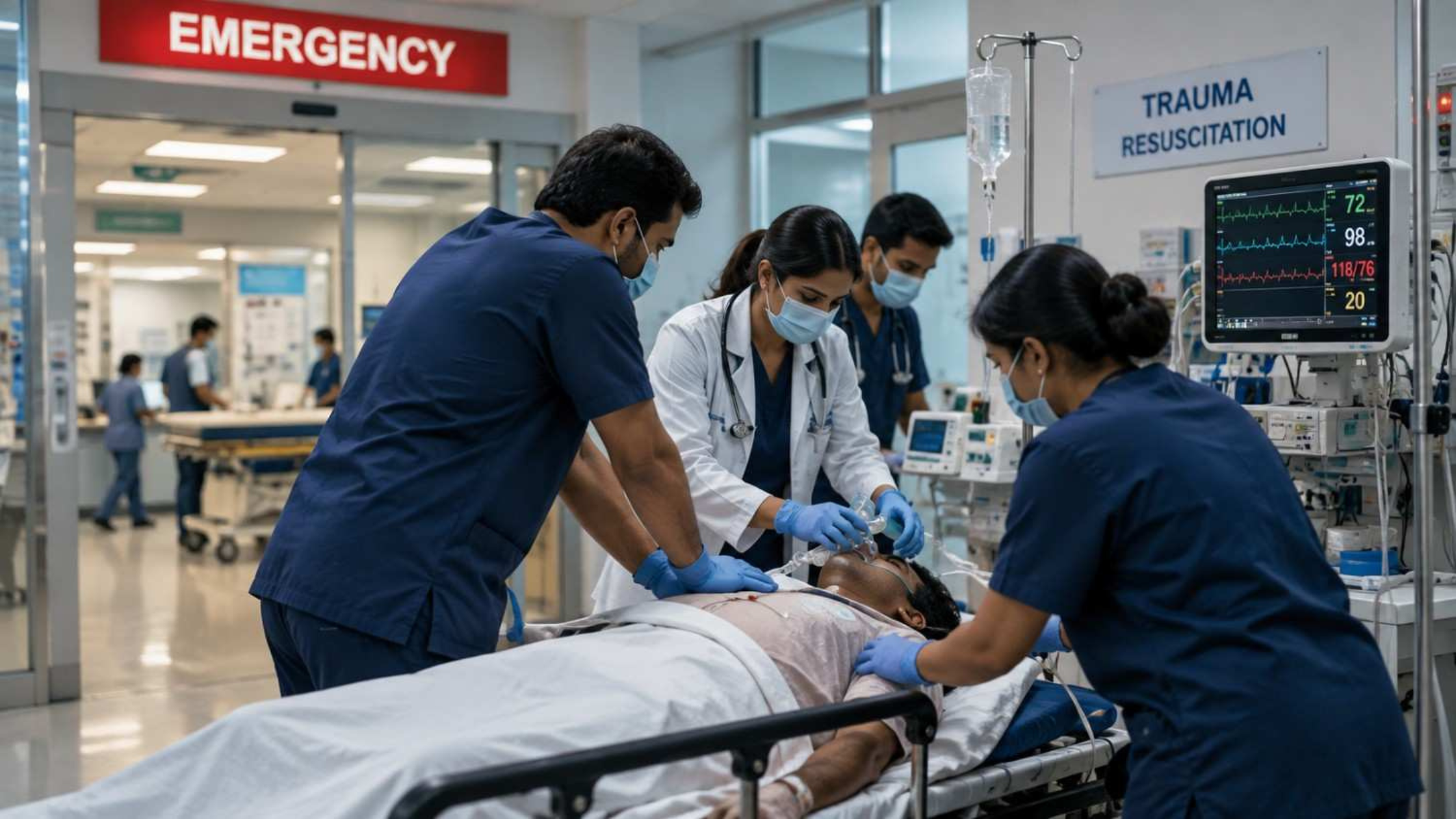
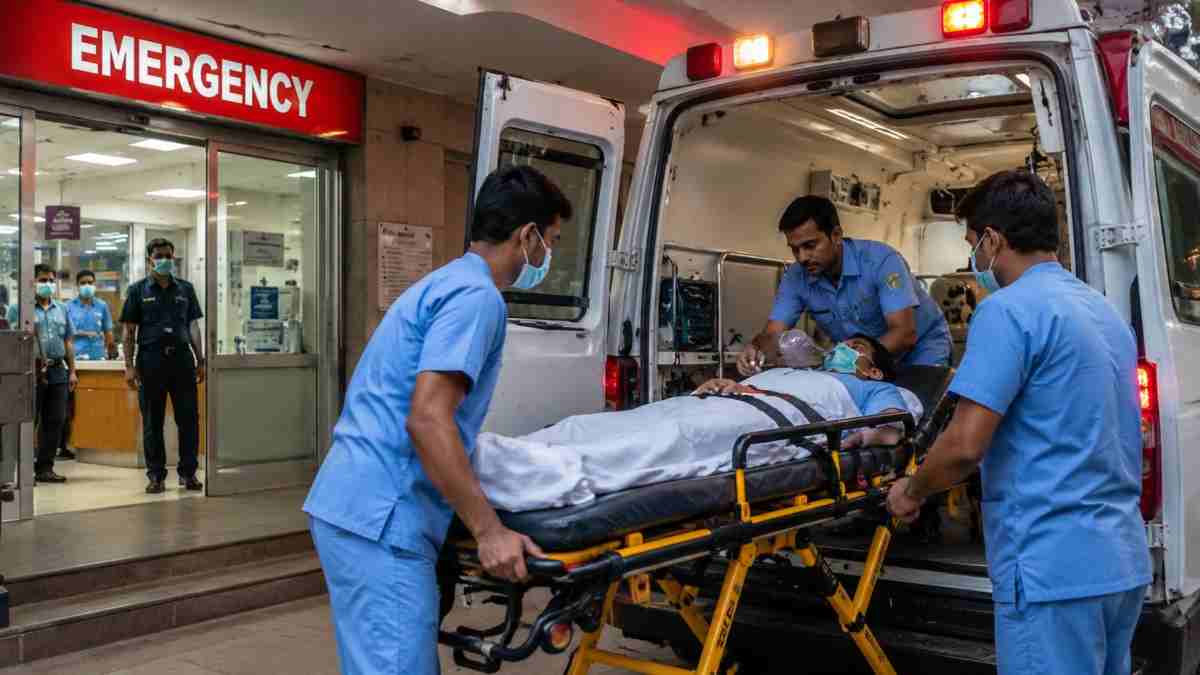
If a limb is deformed, you can’t bear weight, there’s numbness, or bone has broken the skin, seek urgent medical attention. Splint the limb as it lies, don’t try to straighten it, control bleeding with pressure, and reach a hospital with appropriate imaging.
Assessment follows a set order: airway and breathing if the injury was significant, then circulation, followed by assessment of the injured limb. X-rays can confirm the fracture pattern, and a CT scan may be needed for complex joint or spine injuries. Swelling can increase during the first day or two, which is why elevation and cold therapy may be advised early and why some surgery is delayed until soft tissues are suitable.
Open fractures, where bone has pierced the skin, require urgent medical management. Tetanus protection may also be checked. This is the part of fracture care that can depend heavily on timely treatment.
Fracture Treatment in Bangalore: Casts, Plates and Nails
The method depends on which bone is injured, whether fragments are displaced, whether the joint surface is involved, and the patient’s age and general health.
Non-Surgical Treatment
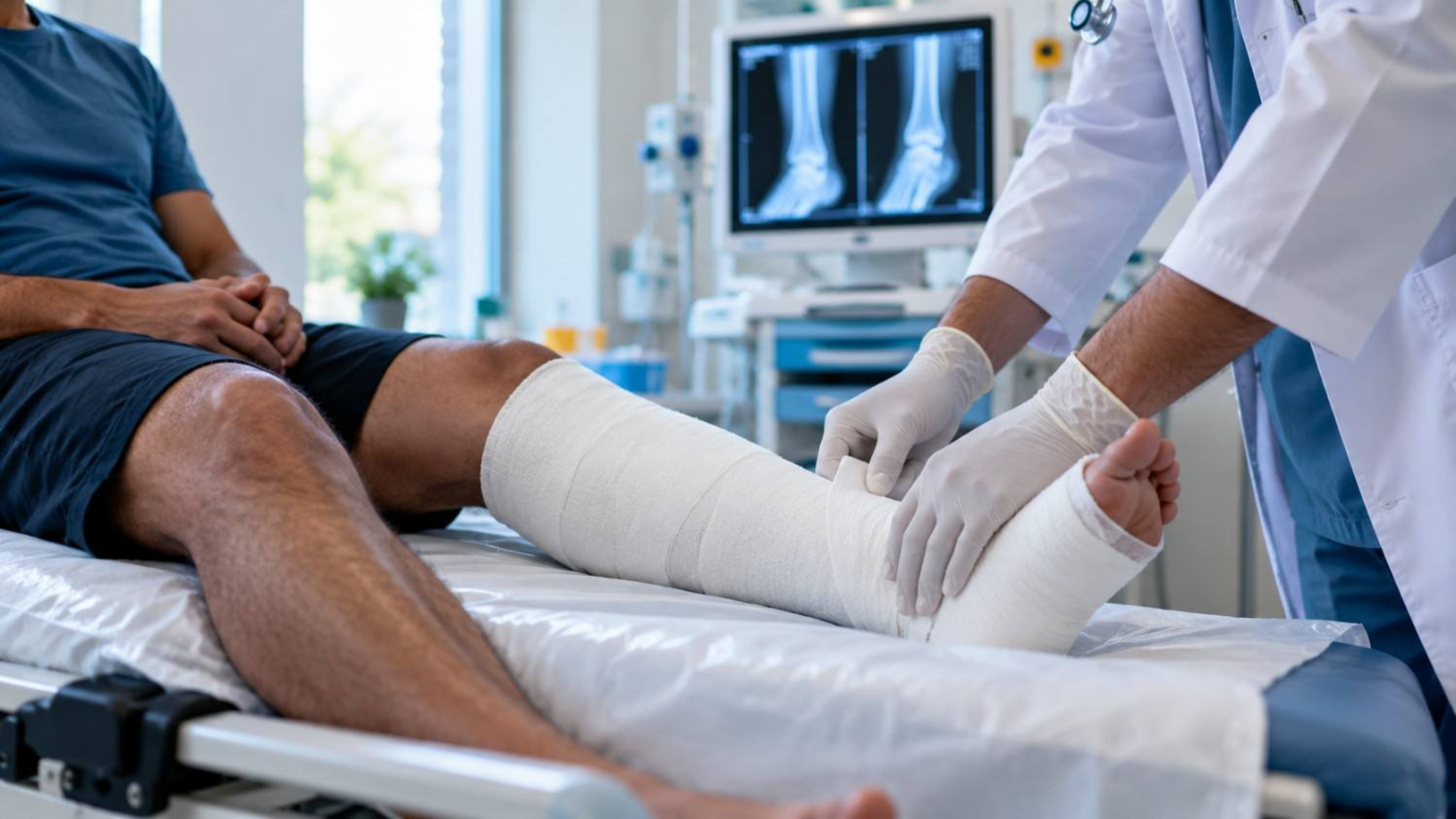
Plaster casts, splints and functional braces can work well for undisplaced fractures and many childhood injuries, where bone can remodel effectively. Expect follow-up X-rays to confirm the position remains satisfactory, along with advice on keeping the cast dry.
Plates and Screws
These may be used when fragments require precise alignment, especially around joints. Fixation can allow earlier movement in suitable cases, helping reduce stiffness. The trade-off is a surgical wound and hardware that may occasionally require removal.
Intramedullary Nails
A rod is passed through the hollow centre of a long bone and is commonly used for selected femur and tibia fractures. It can permit earlier weight-bearing in suitable cases and generally involves smaller incisions than some plating techniques.
External Fixators
An external frame may be used for severe open fractures, contamination or badly swollen limbs. It can sometimes be temporary until definitive treatment is considered safe.
How Long Bones Actually Take to Heal
| Fracture | Typical union time | Return to normal function |
| Wrist (distal radius) | 6 to 8 weeks | 3 to 4 months |
| Collarbone | 6 to 8 weeks | Around 3 months |
| Ankle | 6 to 10 weeks | 4 to 6 months |
| Tibia (shin) | 12 to 20 weeks | 6 to 12 months |
| Hip (in older adults) | 10 to 12 weeks | 6 months, sometimes longer |
| Children’s forearm | 4 to 6 weeks | 2 to 3 months |
These are indicative ranges, not promises. A bone fracture specialist in Bangalore assesses healing using clinical examination and imaging rather than relying only on a calendar.
What Slows Healing Down
Some factors are out of your hands. Several aren’t.
- Smoking: Can significantly delay bone healing.
- Poorly controlled diabetes: Can slow healing and increase infection risk.
- Low vitamin D and calcium intake: May affect bone health when deficiencies are present.
- Certain medicines: Long-term steroids and some other medicines can influence healing, so tell your doctor everything you take.
- Weight-bearing too early: Can affect fixation and alignment in some fractures.
- Skipping follow-up X-rays: A change in fracture position is easier to address when identified early.
Nutrition helps but works no miracles. Adequate protein, calcium and vitamin D support normal healing; supplements should be used appropriately, particularly when a deficiency is identified.
Rehabilitation: The Part Most People Underestimate
Immobilised muscle wastes fast. Stiffness sets in quietly. By the time a cast comes off, the joints above and below may have lost range of movement, while grip or calf strength can have dropped noticeably.
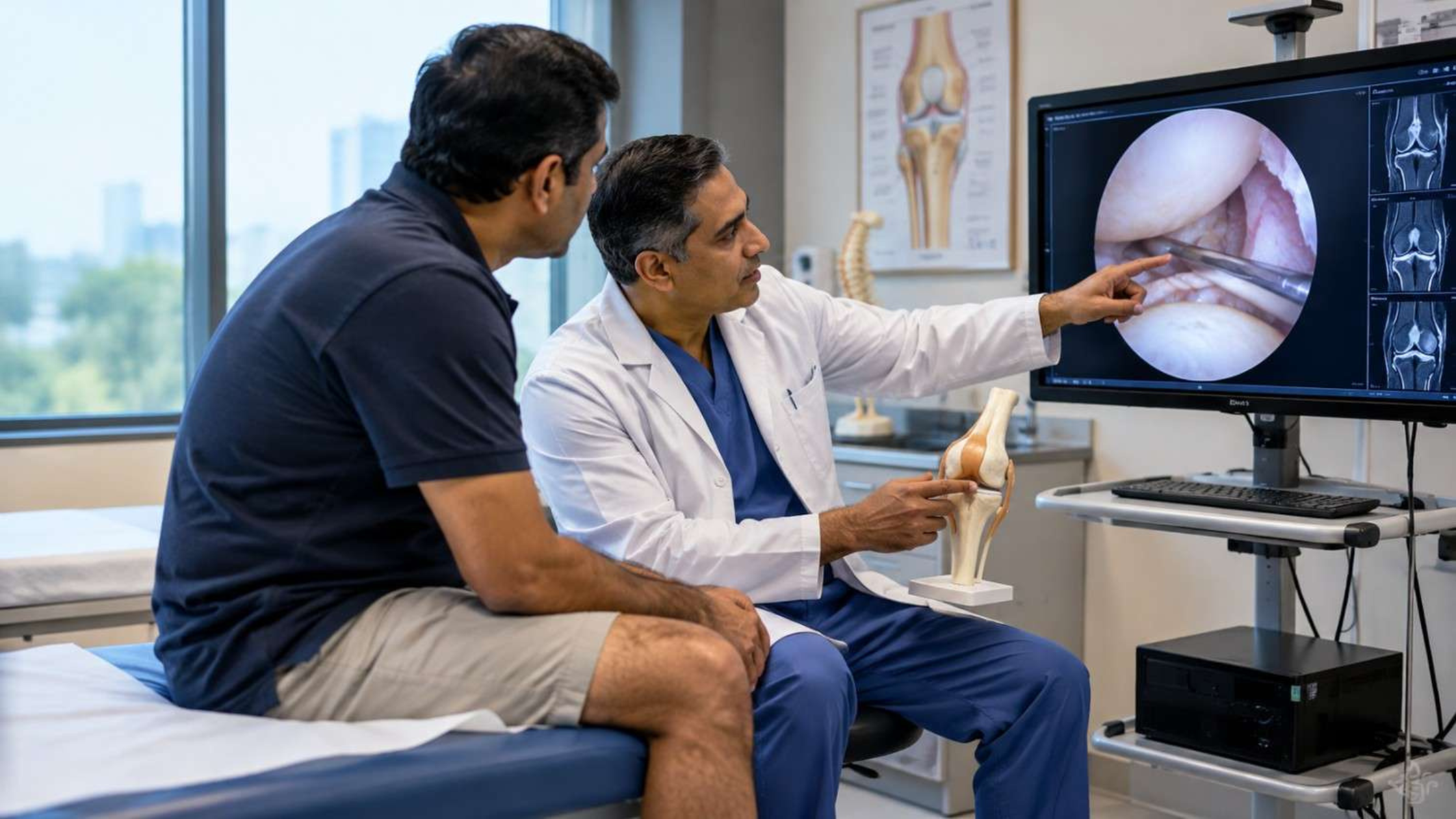
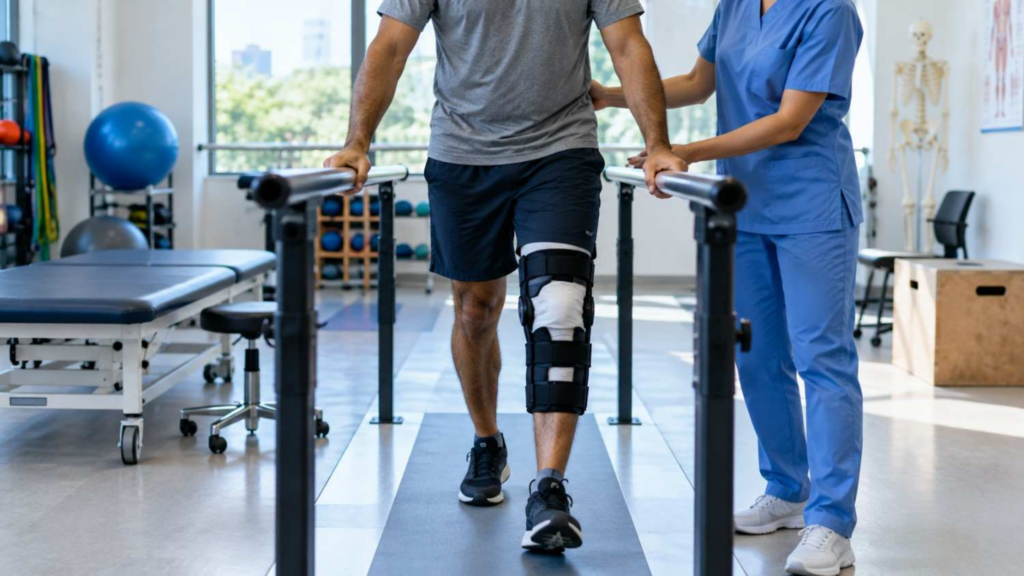
Physiotherapy works in stages: gentle movement, then progressive strengthening, followed by balance and functional exercises. For an older adult after a hip fracture, the goal may be walking safely at home and reducing future fall risk. For a younger adult after a tibial nail, rehabilitation may progress from stairs to jogging and eventually sport.
A trauma orthopedic surgeon in Bangalore should explain the rehabilitation plan appropriate to the injury and treatment. Attendance can be challenging, so ask about a home programme that you can realistically follow and consider the convenience of follow-up care.
What Recovery Looks Like With Good Fracture and Trauma Care in Bangalore
- Weeks 0 to 2: Swelling control, wound review, pain settling and gentle movement of free joints.
- Weeks 2 to 6: Stitches out, cast or brace continues, X-ray checks and protected movement begins.
- Weeks 6 to 12: Union may become visible, weight-bearing progresses and strengthening develops.
- Months 3 to 6: Stamina and confidence return, daily activity resumes and residual stiffness gradually improves.
- Beyond six months: Fine function and sports recovery may continue after larger fractures; hardware removal is considered only when clinically appropriate.
Report increasing rather than decreasing pain, fever, a discharging wound, new numbness or coldness in the limb, or a cast that becomes painfully tight.
Choosing a Fracture Hospital in Bangalore
Trauma doesn’t keep office hours, so access to appropriate imaging and emergency orthopaedic support can be important. Ask whether urgent procedures can be managed when necessary, whether physiotherapy is available, and whether costs are explained clearly with support for insurance processes. A fracture hospital in Bangalore should also provide appropriate follow-up, because fracture recovery often involves multiple assessments after the initial treatment.
Why Choose Ananya Hospital for Fracture and Trauma Care?
Ananya Hospital provides orthopaedic care for fractures, injuries, joint problems and other musculoskeletal conditions. Patients can receive evaluation and treatment planning based on the type and severity of their injury, with access to relevant medical services when required. The hospital’s multispeciality environment can also support coordination between different medical teams when an injury involves more than one area of care. For patients recovering from fractures, follow-up assessment and rehabilitation guidance are important parts of the overall recovery process.
Frequently Asked Questions
How do I know if it’s a fracture or just a sprain?
You often can’t tell without an X-ray. Suspect a fracture if there’s visible deformity, you can’t bear weight or use the limb, there’s severe tenderness over bone, or bruising appears rapidly. Pain that persists beyond a few days after an injury deserves medical assessment rather than continued guessing.
Will I need surgery for every broken bone?
No. Many fractures heal well in a cast or brace when fragments remain in an acceptable position. Surgery may be recommended for displaced fractures, injuries involving a joint surface, open fractures, and certain hip fractures in older adults, depending on the patient’s overall condition.
Why does my doctor want repeat X-rays if I’m feeling better?
Feeling better doesn’t confirm that the bone is aligned or fully united. Fragments can shift during the first few weeks, particularly once swelling reduces and a cast loosens. Repeat imaging helps doctors monitor healing and alignment.
When can I drive again after a fracture?
It depends on the injured limb, treatment and whether you can safely control the vehicle and perform an emergency stop. For a right ankle or leg injury, driving may need to wait until sufficient movement and weight-bearing have returned. Check with your treating doctor and insurance provider before driving.
Conclusion
Broken bones heal reliably in many people, but the timeline is longer than anyone wants and the final stage of functional recovery often takes consistent effort. Good fracture and trauma care in Bangalore addresses urgent concerns early, selects treatment according to the injury, and includes rehabilitation as part of recovery. Your part is unglamorous: keep follow-ups, complete recommended exercises, avoid smoking, and report problems before they grow. Recovery is a partnership, and understanding the process can help you stay involved. Ananya Hospital provides orthopaedic and trauma-related medical support when patients require professional assessment, while Ananya Hospital can help patients discuss appropriate treatment and recovery options with a qualified medical team.
This article is general information and not a substitute for advice from a qualified doctor who has examined you. If you or a family member has suffered an injury and you are unsure about the next step, seek professional medical assessment.
Connect with Ananya Hospital to discuss your fracture or injury and arrange an appropriate orthopaedic evaluation: Request an Orthopaedic Consultation.