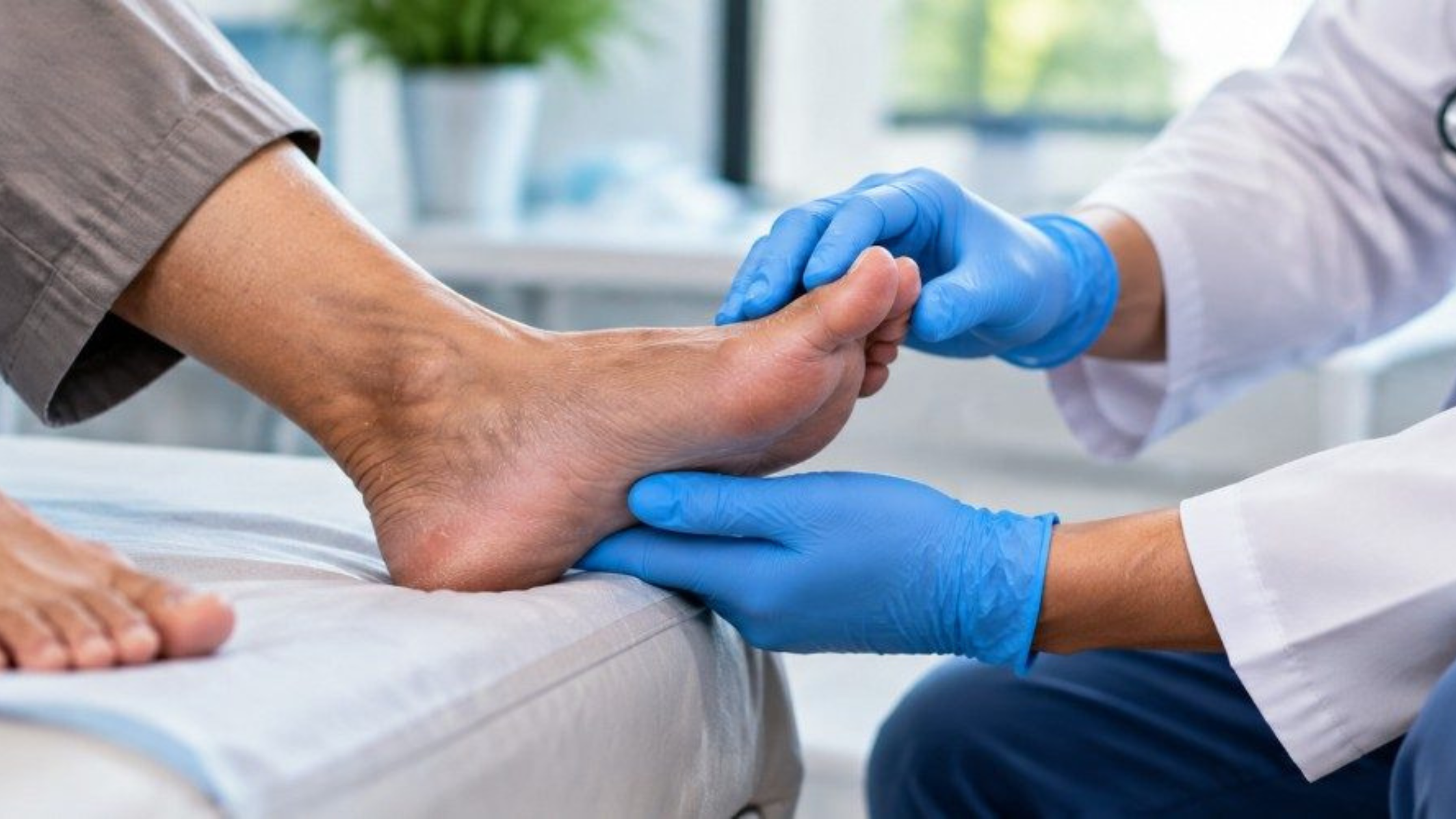
Diabetic foot neuropathy is a common complication of diabetes that can affect the nerves in the feet and lower limbs. Reduced sensation may make it difficult to notice cuts, blisters, burns, or other injuries, allowing small problems to become more serious when they are not identified early. Ananya Hospital provides specialised foot-care services for people with diabetes, supporting patients with assessment, preventive care, and appropriate management of diabetic foot problems.People living with diabetes can benefit from regular diabetic foot care in Bangalore to identify changes in sensation, skin condition, circulation, and overall foot health.
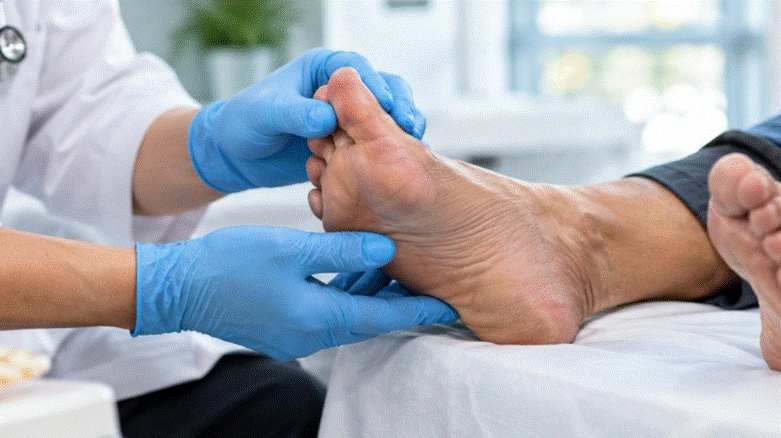
What Is Diabetic Foot Neuropathy?
Diabetic foot neuropathy occurs when prolonged high blood sugar levels contribute to damage of the peripheral nerves, particularly those supplying the feet and legs.
Nerve damage can affect:
- Pain sensation
- Temperature sensation
- Touch
- Pressure perception
- Muscle function in some cases
Because sensation can gradually decrease, a person may not immediately notice an injury to the foot.
What Causes Diabetic Neuropathy?
Long-term exposure to elevated blood glucose levels can damage nerves and the small blood vessels that supply them.
The risk of diabetic neuropathy can increase with:
- Poorly controlled blood sugar
- Longer duration of diabetes
- Increasing age
- Smoking
- High blood pressure
- Abnormal cholesterol levels
- Kidney disease
- Previous nerve problems
Good diabetes management and regular medical follow-up can help reduce the risk of complications.
Common Symptoms of Diabetic Foot Neuropathy
Symptoms can vary considerably between individuals.
Common symptoms include:
- Tingling or pins-and-needles sensation
- Numbness
- Burning sensation
- Sharp or shooting pain
- Increased sensitivity to touch
- Reduced ability to feel temperature
- Reduced sensation in the feet
- Muscle weakness in some cases
Some people may have significant nerve damage with relatively few symptoms, which is why routine foot assessment can be important.
How Does Neuropathy Affect the Feet?
Reduced sensation can make everyday injuries difficult to detect.
For example, a person with reduced sensation may not notice:
- A small cut
- A blister caused by footwear
- A stone inside a shoe
- A minor burn
- Pressure from an uncomfortable shoe
- Early signs of a wound
An unnoticed injury can become infected or develop into an ulcer if it is not identified and managed appropriately.
Why Foot Inspection Is Important for People With Diabetes
Daily foot inspection can help identify problems at an early stage.
Look for:
- Cuts
- Blisters
- Redness
- Swelling
- Cracked skin
- Changes in skin colour
- Corns or calluses
- Discharge
- New areas of tenderness
- Changes in the shape of the foot
If you have difficulty examining your feet yourself, ask a family member or healthcare professional for assistance.
Diabetic Neuropathy and Foot Injuries
One of the major concerns associated with diabetic neuropathy is loss of protective sensation.
Normally, pain alerts a person when something is damaging the foot. When sensation is reduced, an injury may continue without being noticed.
This makes appropriate footwear, regular inspection, blood sugar management, and professional foot assessments particularly important.
People experiencing symptoms of nerve damage may benefit from evaluation by a podiatrist in Rajajinagar who can assess foot health and identify potential risk factors.
How Is Diabetic Foot Neuropathy Diagnosed?
A healthcare professional may assess:
- Symptoms and medical history
- Foot sensation
- Reflexes
- Muscle strength
- Skin condition
- Foot structure
- Circulation
- Presence of wounds or pressure areas
Specific neurological examinations may be used to assess protective sensation.
Blood tests may also be recommended to evaluate diabetes control and identify other possible causes of nerve symptoms.
Importance of Diabetic Foot Screening
Regular screening can help identify reduced sensation before a serious foot problem develops.
A foot assessment may include checking:
- Protective sensation
- Blood circulation
- Skin integrity
- Foot deformities
- Pressure points
- Previous wounds or ulcers
- Footwear-related problems
People with diabetes can discuss diabetes foot screening in Bangalore with a healthcare professional to determine how frequently assessments may be appropriate.
Can Diabetic Neuropathy Be Prevented?
Not every case of diabetic neuropathy can be prevented, but good diabetes management and healthy lifestyle habits may help reduce the risk or slow progression.
Important measures include:
- Keeping blood glucose within the recommended range
- Taking prescribed medicines regularly
- Attending routine diabetes check-ups
- Maintaining healthy blood pressure and cholesterol levels
- Avoiding smoking
- Staying physically active as medically appropriate
- Checking your feet regularly
- Wearing suitable footwear
Regular medical monitoring is particularly important for people who already have reduced foot sensation.
Footwear and Diabetic Neuropathy
Proper footwear can help reduce pressure and friction on the feet.
Choose footwear that:
- Fits comfortably
- Provides adequate room for the toes
- Does not create pressure points
- Protects the feet from injury
- Is appropriate for your individual foot condition
Avoid walking barefoot when reduced sensation is present, as injuries may go unnoticed.
Daily Foot Care Tips for Diabetes
Simple daily habits can help protect your feet.
1. Check Your Feet Every Day
Look carefully at the soles, toes, heels, and areas between the toes.
2. Keep Feet Clean and Dry
Wash the feet gently and dry them thoroughly, particularly between the toes.
3. Moisturise Dry Skin
Use an appropriate moisturiser for dry skin, avoiding application between the toes unless specifically advised.
4. Protect Your Feet
Wear comfortable footwear and avoid walking barefoot.
5. Take Care With Nail Care
Trim nails carefully and seek professional advice if you have difficulty managing your nails safely.
When Should You See a Doctor?
People with diabetes should seek medical advice if they notice:
- A new wound
- Increasing redness
- Swelling
- Discharge
- Skin colour changes
- Persistent foot pain
- New numbness
- A change in foot shape
- A wound that does not appear to be healing
Prompt evaluation can help identify problems before they become more complicated.
A new foot wound, particularly one accompanied by spreading redness, swelling, discharge, or fever, requires prompt medical attention.
Diabetic Neuropathy and Foot Infections
Reduced sensation can allow minor injuries to remain unnoticed. When bacteria enter an untreated wound, infection may develop.
Warning signs can include:
- Increasing redness
- Warmth
- Swelling
- Pain or tenderness
- Pus or discharge
- Fever
- Unpleasant odour from a wound
Any suspected foot infection in a person with diabetes should be assessed promptly.
Can Diabetic Neuropathy Be Treated?
Treatment focuses on managing diabetes, controlling symptoms, protecting the feet, and preventing complications.
Depending on the individual situation, management may involve:
- Improving blood glucose control
- Medicines for neuropathic pain when required
- Foot protection
- Appropriate footwear
- Treatment of wounds or infections
- Regular foot assessments
- Management of related cardiovascular risk factors
Treatment should be tailored according to the patient’s symptoms and overall health.
Role of Preventive Foot Care
Preventive care is particularly important for people who have reduced sensation or a previous history of diabetic foot complications.
Regular preventive foot care for diabetes can help identify risk factors such as reduced sensation, pressure points, skin changes, and early wounds.
Early intervention can reduce the possibility of minor problems progressing into more serious complications.
Diabetic Foot Care at Ananya Hospital
Ananya Hospital provides specialised foot-care services for people with diabetes, including diabetic and vascular foot care, foot assessment, and wound and ulcer management. The care approach can include evaluation of nerve sensation, circulation, skin condition, foot structure, and existing wounds when required.
Patients with diabetes who have reduced sensation, recurring foot problems, or other concerns can discuss their needs with the appropriate healthcare team.
The hospital also provides diabetic and vascular foot care in Bangalore as part of its specialised Footcare services.
Frequently Asked Questions
What is the first sign of diabetic foot neuropathy?
Tingling, burning, numbness, or reduced sensation in the feet can be early symptoms. However, some people may not notice symptoms despite having nerve damage.
Can diabetic neuropathy cause foot ulcers?
Yes. Reduced sensation can make it difficult to notice injuries, pressure, or burns, which can increase the risk of wounds and ulcers.
Can diabetic neuropathy be reversed?
Nerve damage may not always be reversible. Appropriate diabetes management, symptom treatment, and preventive foot care can help reduce complications and manage symptoms.
How often should people with diabetes check their feet?
Daily self-inspection is useful for identifying cuts, blisters, swelling, redness, or other changes. The frequency of professional foot assessments depends on individual risk.
Should I walk barefoot if I have diabetic neuropathy?
Walking barefoot can increase the risk of unnoticed injuries when sensation is reduced. Protective, properly fitting footwear is generally safer.
Conclusion
Diabetic foot neuropathy can affect sensation in the feet, making it difficult to notice injuries, burns, and wounds at an early stage. Regular foot inspections, appropriate footwear, blood sugar management, and timely medical assessment are important for reducing the risk of complications.
If you experience numbness, tingling, burning, reduced sensation, or unusual changes in your feet, consult a qualified healthcare professional for an appropriate evaluation. For an assessment of diabetes-related nerve symptoms or changes in foot sensation, please contact the Ananya Hospital outpatient department or reception to schedule an appointment.
Follow us on Instagram for diabetic foot-care information, preventive guidance, and hospital updates.
Disclaimer: The information provided in this article is for educational and informational purposes only and should not be construed as professional medical advice, diagnosis, or treatment. Always seek the advice of your physician or qualified healthcare provider with any questions you may have regarding a medical condition.