Pancreatitis is inflammation of the pancreas, an organ that plays an important role in digestion and blood sugar regulation. It can develop suddenly as acute pancreatitis or continue over a longer period as chronic pancreatitis. Common causes include gallstones, alcohol consumption, certain medicines, high triglyceride levels, and other medical conditions. Ananya Hospital provides gastroenterology evaluation for patients experiencing symptoms that may indicate pancreatic inflammation, helping patients understand the possible causes, diagnostic tests, and treatment options based on their individual condition.
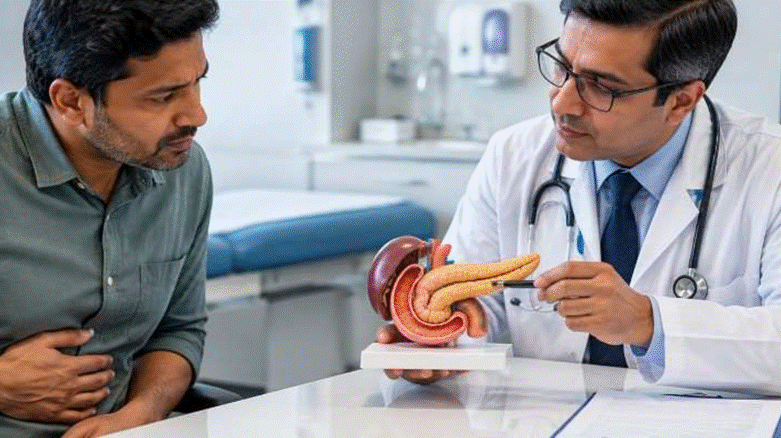
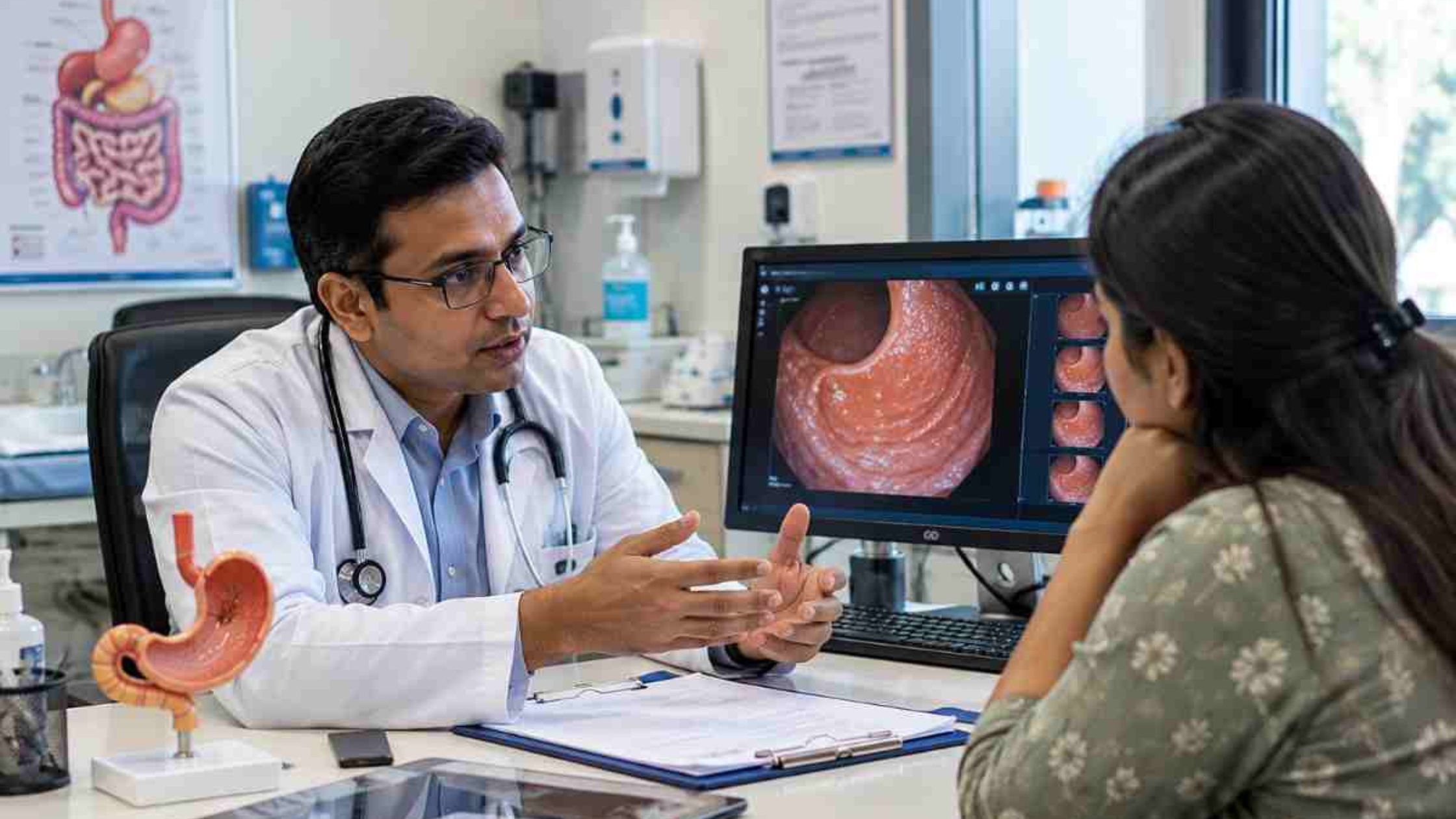
Image Alt Text: Gastroenterologist examining a patient with symptoms of pancreatitis
What Is Pancreatitis?
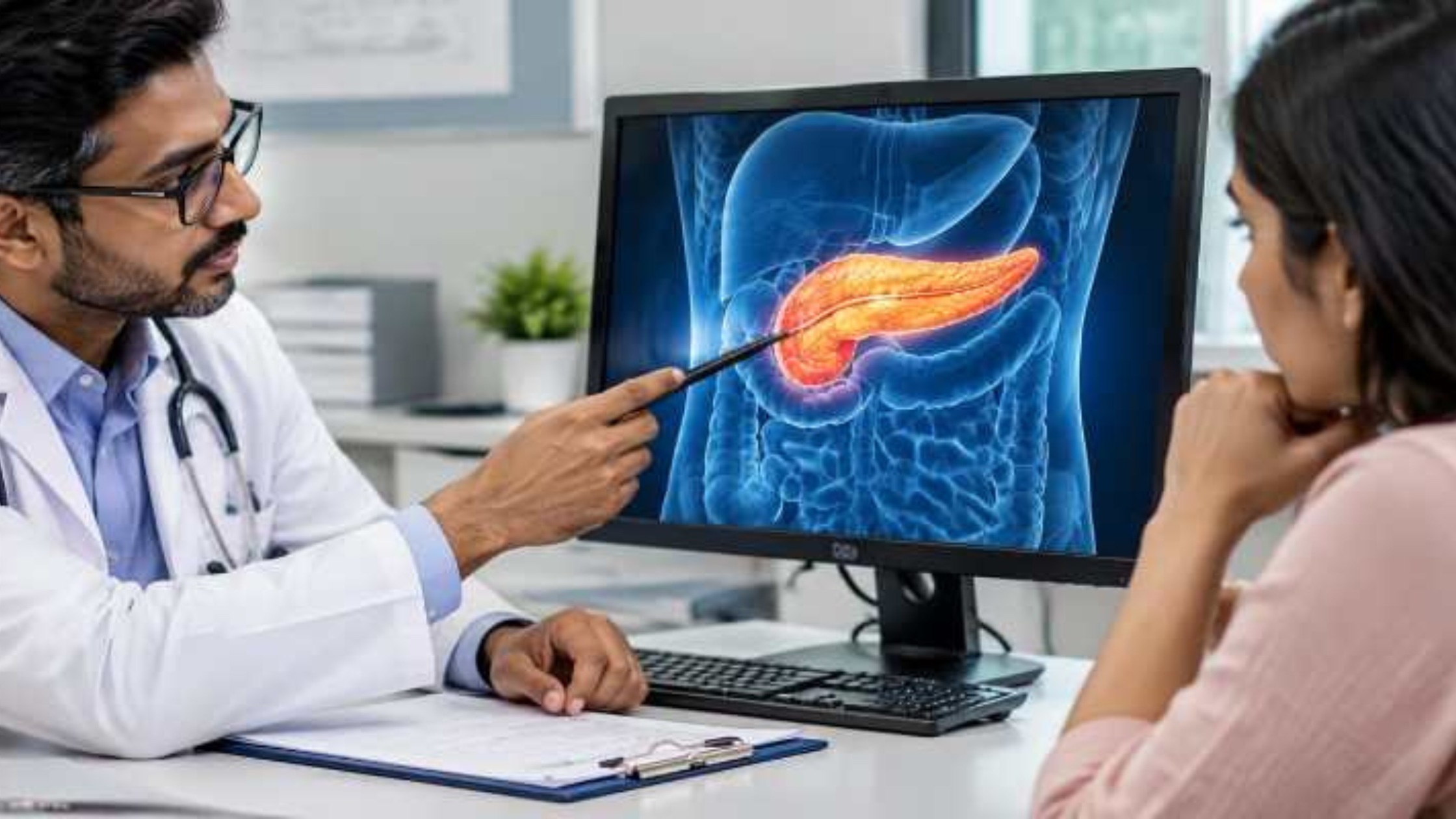
Pancreatitis occurs when digestive enzymes become activated inside the pancreas and contribute to inflammation. The condition can range from a short-term episode requiring medical treatment to chronic inflammation that may affect pancreatic function over time.
The two main types are:
- Acute pancreatitis: Develops suddenly and may require hospital-based treatment.
- Chronic pancreatitis: Develops or persists over time and can cause lasting changes to the pancreas.
The severity and treatment approach can vary significantly between patients.
Common Symptoms of Pancreatitis
Pancreatitis symptoms can vary depending on whether the condition is acute or chronic.
Common symptoms include:
- Upper abdominal pain
- Pain that may spread towards the back
- Nausea
- Vomiting
- Abdominal tenderness
- Fever in some cases
- Digestive difficulties
- Unexplained weight loss in chronic cases
Severe or sudden abdominal pain accompanied by persistent vomiting, fever, weakness, or other concerning symptoms requires prompt medical assessment.
Patients experiencing recurring pancreatic symptoms can consult a pancreatitis specialist in Bangalore for appropriate evaluation.
What Causes Pancreatitis?
Several factors can contribute to pancreatitis.
Common causes include:
- Gallstones
- Heavy alcohol consumption
- High triglyceride levels
- Certain medicines
- Abdominal injury
- Some infections
- Genetic conditions
- Structural problems affecting the pancreas
In some cases, the exact cause may not be immediately identified.
Understanding the underlying cause is important because treatment and prevention strategies can depend on what triggered the inflammation.
Acute vs Chronic Pancreatitis
Acute pancreatitis develops suddenly and may range from mild to severe. Some patients recover completely with appropriate medical treatment.
Chronic pancreatitis involves persistent or recurring inflammation that can gradually cause permanent changes to the pancreas.
Chronic disease may affect digestion and, in some cases, the pancreas’s ability to help regulate blood sugar.
How Is Pancreatitis Diagnosed?
Doctors generally use a combination of symptoms, physical examination, medical history, blood tests, and imaging to evaluate suspected pancreatitis.
Diagnostic tests may include:
- Blood tests for pancreatic enzymes
- Liver function tests
- Blood glucose testing
- Abdominal ultrasound
- CT scan
- MRI or MRCP in selected cases
- Other specialised investigations when required
A pancreatitis diagnosis in Bangalore may involve more than one investigation depending on the symptoms and suspected cause.
Blood Tests for Pancreatitis
Blood tests can help identify inflammation and evaluate pancreatic enzyme levels.
Doctors may assess enzymes such as:
- Lipase
- Amylase
Additional blood tests may help identify related problems, including changes in liver function, blood glucose, triglycerides, or other markers.
Test results need to be interpreted alongside symptoms and imaging findings rather than considered in isolation.
Imaging Tests for Pancreatitis
Imaging can help doctors evaluate the pancreas and identify possible causes or complications.
Depending on the situation, doctors may recommend:
- Ultrasound
- CT scan
- MRI
- MRCP
The choice of imaging depends on the severity of symptoms, suspected cause, previous test results, and clinical findings.
Pancreatitis Treatment Options
Treatment depends on the type and severity of pancreatitis and its underlying cause.
Management may include:
- Medical monitoring
- Intravenous fluids when required
- Pain management
- Nutritional support
- Treatment of the underlying cause
- Management of complications
- Treatment of gallstones or other contributing conditions when appropriate
Patients seeking pancreatic disorder treatment in Bangalore should receive an evaluation before starting any treatment plan.
Treatment for Acute Pancreatitis
Acute pancreatitis may require hospital-based care, particularly when symptoms are severe.
Treatment can involve:
- Fluid replacement
- Pain control
- Nutritional management
- Monitoring of vital signs and organ function
- Treatment of the underlying cause
If gallstones are responsible, additional treatment may be required to address the source of the problem.
Managing Chronic Pancreatitis
Chronic pancreatitis may require long-term management.
Depending on the patient’s condition, treatment can include:
- Pain management
- Nutritional guidance
- Pancreatic enzyme replacement when indicated
- Management of blood sugar abnormalities
- Avoidance of identified triggers
- Treatment of complications
Patients with chronic symptoms should be monitored by an appropriate specialist.
Can Pancreatitis Affect Digestion?
Yes. The pancreas produces enzymes that help the body digest fats, proteins, and carbohydrates.
Chronic pancreatic damage may reduce the production of digestive enzymes and contribute to symptoms such as:
- Bloating
- Loose or oily stools
- Weight loss
- Nutritional deficiencies
- Abdominal discomfort
If pancreatic function is affected, doctors may recommend dietary measures or pancreatic enzyme replacement therapy when clinically appropriate.
Pancreatitis and Gallstones
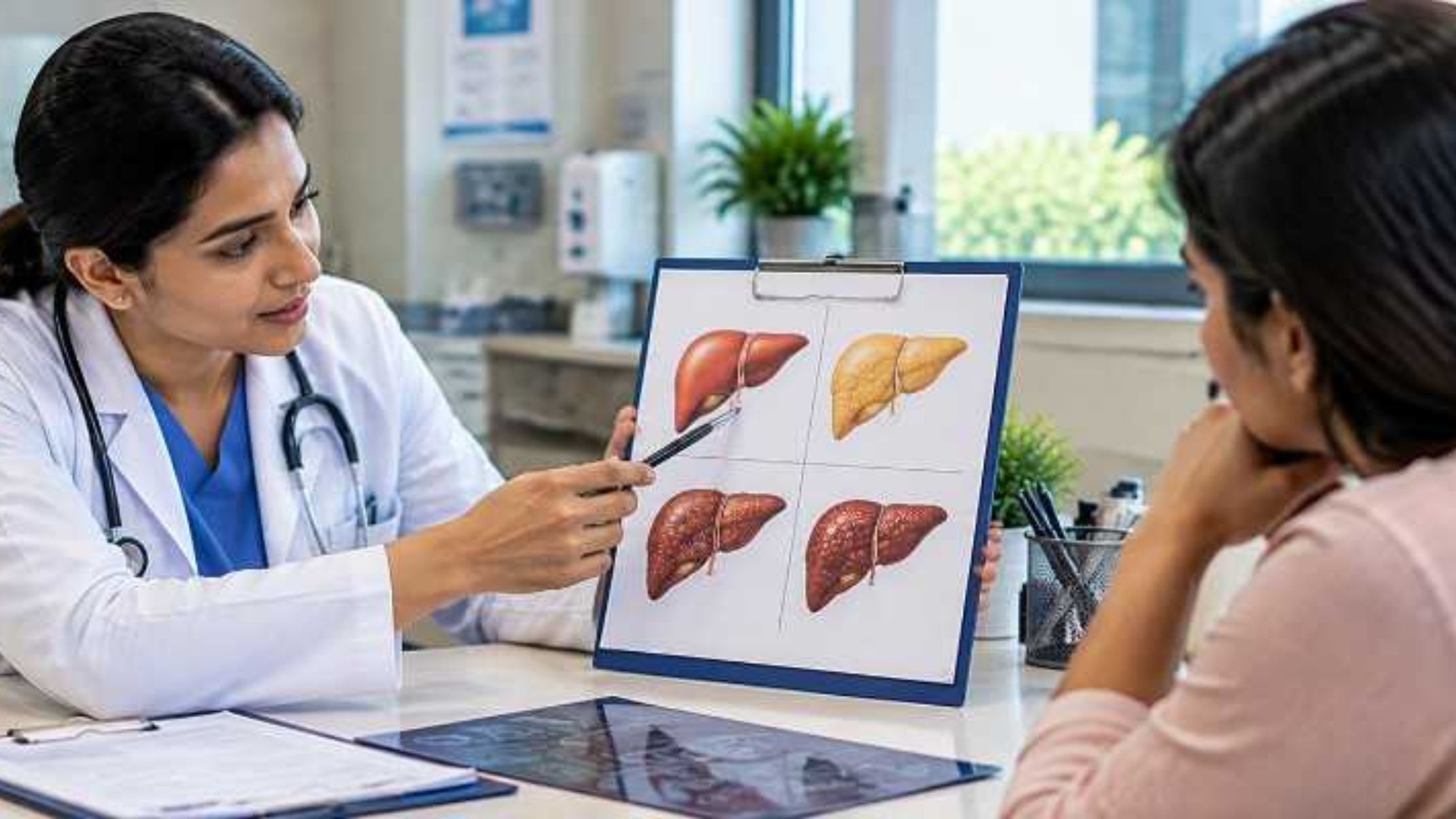
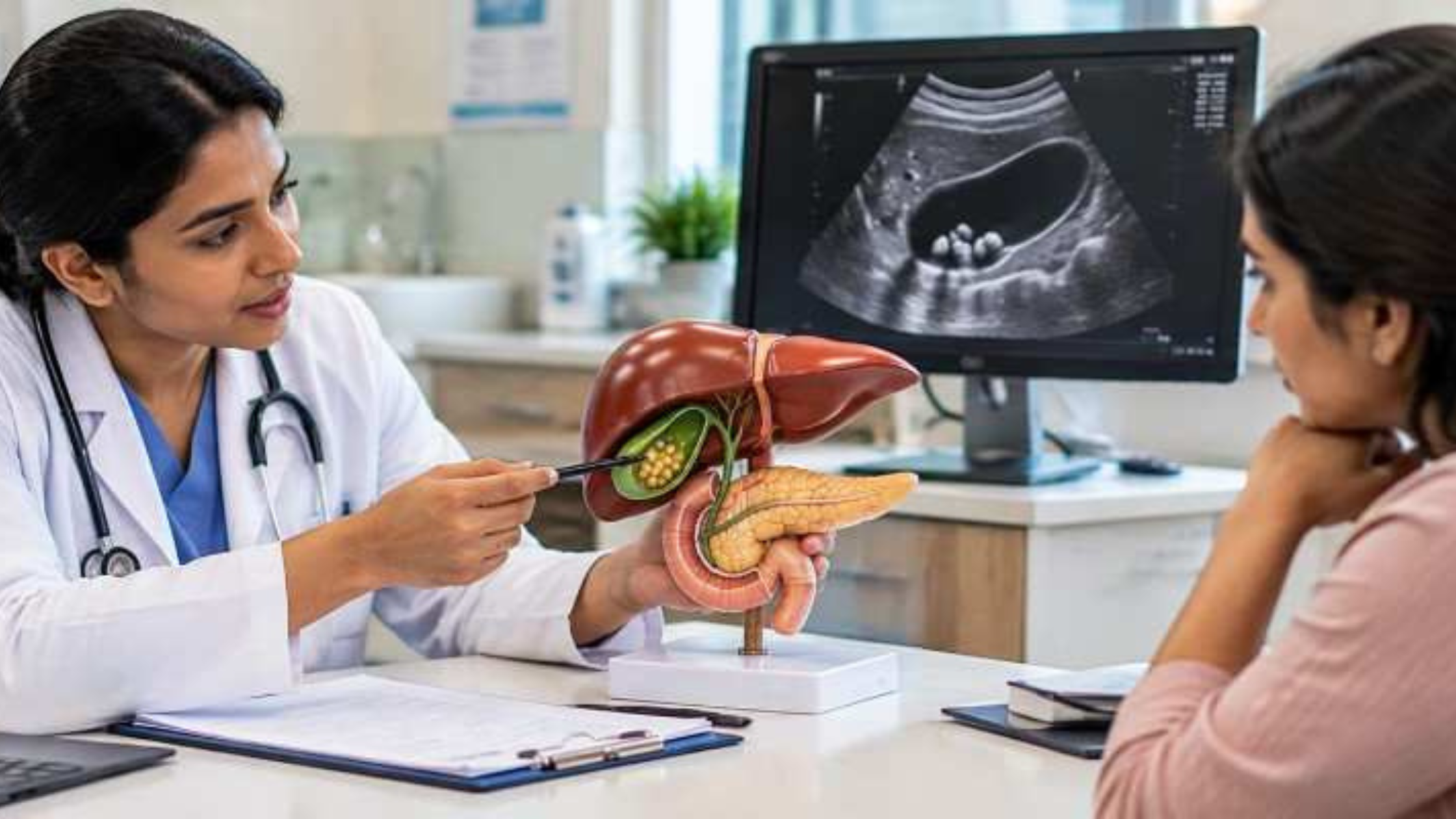
Gallstones are an important cause of acute pancreatitis. A gallstone can obstruct the flow of digestive fluids and contribute to pancreatic inflammation.
When gallstones are suspected, doctors may use ultrasound or other imaging tests to evaluate the gallbladder and bile ducts.
Treating the underlying gallstone problem may be important for preventing recurrent episodes.
Pancreatitis and Alcohol
Alcohol consumption is another recognised risk factor for pancreatitis.
People diagnosed with alcohol-related pancreatitis may be advised to stop drinking alcohol completely. Professional support may be useful for people who find it difficult to stop.
Avoiding alcohol can be an important part of reducing the risk of recurrent pancreatic inflammation.
Diet During Pancreatitis Recovery
Dietary requirements depend on the severity and stage of the condition.
A doctor or dietitian may recommend:
- Adequate hydration
- Nutritionally balanced meals
- Smaller meals when appropriate
- Limiting high-fat foods in selected cases
- Avoiding alcohol
- Individual dietary adjustments based on symptoms
People with chronic pancreatitis may have different nutritional requirements from those recovering from an acute episode.
Can Pancreatitis Be Prevented?
Not every case of pancreatitis can be prevented, but some risk factors can be managed.
Helpful measures may include:
- Avoiding excessive alcohol consumption
- Maintaining a healthy weight
- Managing triglyceride levels
- Managing diabetes appropriately
- Addressing gallstone-related problems when advised
- Following medical recommendations for existing pancreatic conditions
Individual prevention strategies depend on the underlying cause.
When Should You See a Doctor?
Sudden or severe upper abdominal pain should not be ignored, especially when accompanied by vomiting, fever, abdominal tenderness, weakness, or other concerning symptoms.
Prompt medical evaluation may be necessary because acute pancreatitis can sometimes become serious.
People with recurrent abdominal pain, unexplained weight loss, digestive problems, or a previous history of pancreatitis should also discuss their symptoms with a healthcare professional.
A pancreas specialist in Rajajinagar can assess pancreatic symptoms and determine whether additional testing is required.
Pancreatic Evaluation at Ananya Hospital
Ananya Hospital provides gastroenterology services for patients with pancreatic and digestive conditions. The evaluation of pancreatitis may involve clinical assessment, blood tests, imaging, and investigation of possible underlying causes. The findings help determine whether the patient requires monitoring, medical treatment, nutritional support, or further intervention. Patients seeking pancreatic health care in Bangalore can discuss their symptoms and diagnostic requirements with the gastroenterology team.
Frequently Asked Questions
What is the main symptom of pancreatitis?
Severe or persistent upper abdominal pain is a common symptom. The pain may sometimes spread towards the back and can be accompanied by nausea or vomiting.
Is pancreatitis a serious condition?
Acute pancreatitis can range from mild to severe. Some cases require hospital treatment and close monitoring, particularly when complications develop.
Can pancreatitis be completely cured?
Acute pancreatitis may resolve after appropriate treatment, depending on its cause and severity. Chronic pancreatitis can cause lasting pancreatic changes and may require long-term management.
Can gallstones cause pancreatitis?
Yes. Gallstones can block the normal flow of digestive fluids and are a recognised cause of acute pancreatitis.
Can I drink alcohol after pancreatitis?
People who have experienced alcohol-related pancreatitis are generally advised to avoid alcohol. A doctor can provide individual guidance based on the patient’s condition.
Conclusion
Pancreatitis involves inflammation of the pancreas and can occur as an acute or chronic condition. Gallstones, alcohol consumption, high triglycerides, certain medicines, and other factors can contribute to its development. Diagnosis may involve blood tests and imaging, while treatment depends on the severity and underlying cause. Ananya Hospital provides gastroenterology evaluation for patients with pancreatic concerns, helping patients understand their symptoms, diagnostic options, and appropriate treatment approach.
If you experience sudden or persistent upper abdominal pain, especially with vomiting or fever, timely medical evaluation is important.
To consult with our specialists, please contact the Ananya Hospital outpatient department or reception to enquire about scheduling an appointment.
Follow Ananya Hospital on Instagram for digestive-health education, pancreatic-care information, preventive health tips, and hospital updates.
Disclaimer: The information provided in this article is for educational and informational purposes only and should not be construed as professional medical advice, diagnosis, or treatment. Always seek the advice of your physician or qualified healthcare provider with any questions you may have regarding a medical condition.