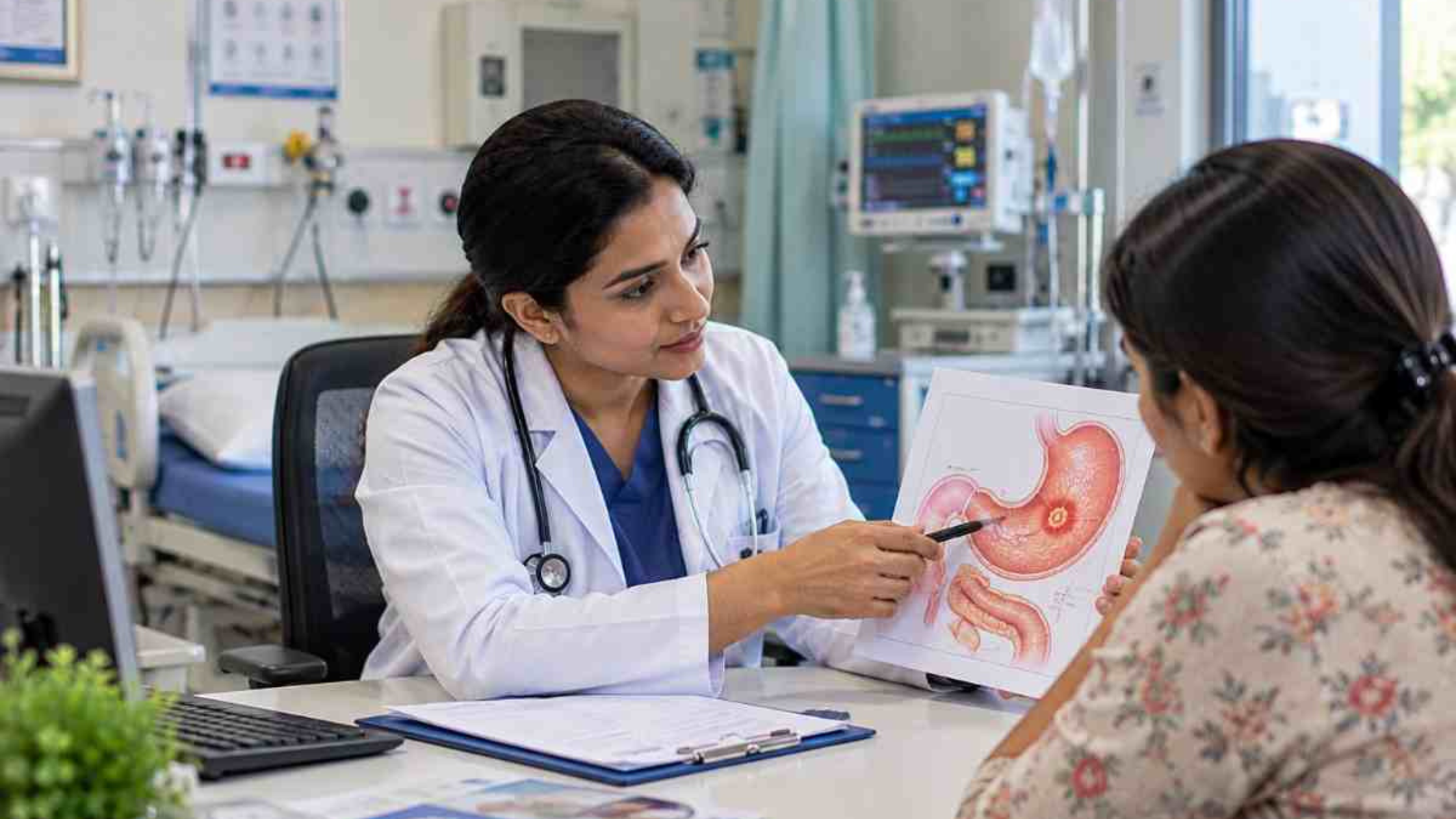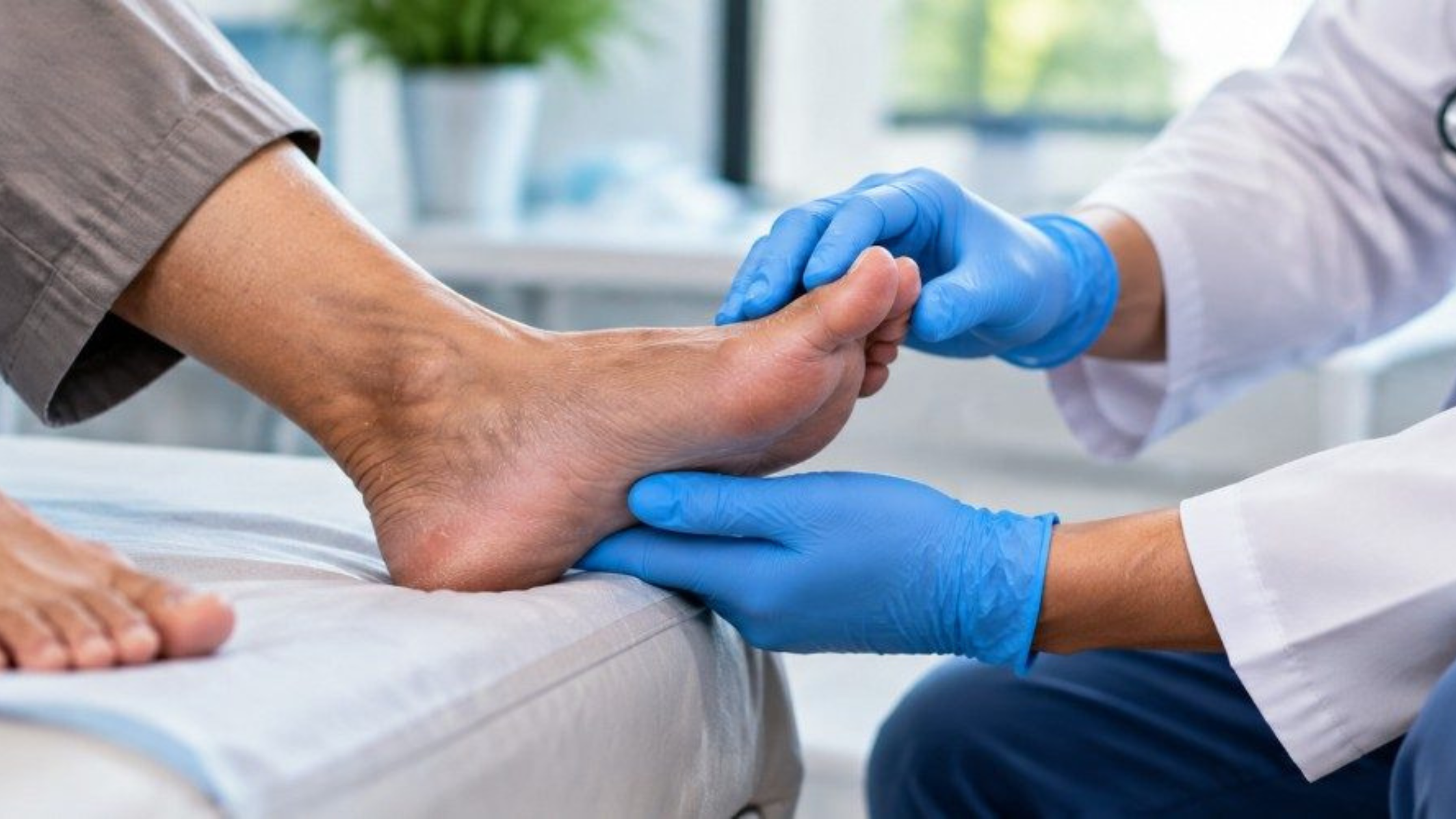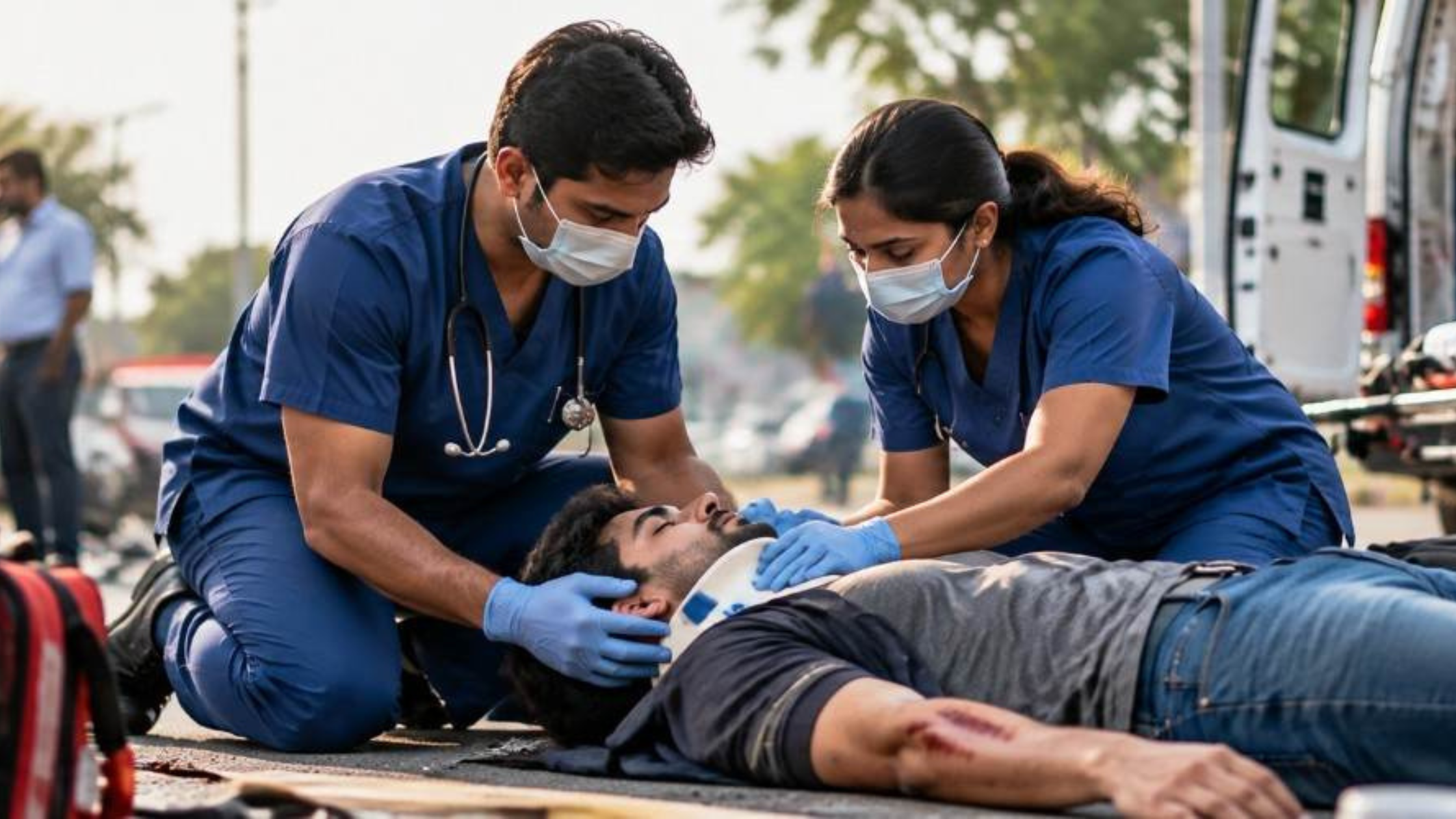
Accidents can happen unexpectedly and may result in injuries ranging from minor cuts and fractures to serious head, chest, abdominal, or multiple injuries. Knowing what to do immediately can help reduce unnecessary delays in medical care. Ananya Hospital provides emergency evaluation and treatment for accident and trauma-related injuries, with assessment based on the type and severity of each injury.
What Is Trauma Care?
Trauma care refers to the immediate medical assessment and treatment of injuries caused by accidents, falls, road crashes, workplace incidents, or other sudden events.
Depending on the situation, trauma care may involve:
- Emergency assessment
- Wound management
- Fracture evaluation
- Imaging investigations
- Bleeding control
- Surgical treatment when required
- Critical care for serious injuries
- Specialist consultations
Prompt assessment is particularly important when the injury appears severe or involves multiple parts of the body.
What Should You Do Immediately After an Accident?
After an accident, safety should be the first priority. If possible, move away from ongoing danger without unnecessarily moving an injured person.
Important steps include:
- Call for emergency medical assistance when required.
- Check whether the person is conscious and breathing.
- Avoid unnecessary movement if a spinal or major injury is suspected.
- Apply firm, direct pressure to significant external bleeding when appropriate.
- Do not give food or drink to a seriously injured or unconscious person.
- Follow instructions provided by emergency medical professionals.
People requiring accident and injury care in Bangalore should receive medical assessment as soon as possible after a significant accident.
When Should You Go to an Emergency Department?
Not every injury requires hospital admission, but certain symptoms require immediate medical attention.
Seek emergency care for:
- Loss of consciousness
- Difficulty breathing
- Severe bleeding
- Chest pain after an accident
- Severe abdominal pain
- Suspected spinal injury
- Serious head injury
- Major fractures
- Severe burns
- Multiple injuries
- Sudden confusion or extreme weakness
Even when an injury initially appears minor, symptoms can sometimes develop or worsen later.
Common Injuries After Accidents
Accidents can cause different types of injuries, including:
- Fractures
- Dislocations
- Sprains
- Cuts and lacerations
- Head injuries
- Spinal injuries
- Chest injuries
- Abdominal injuries
- Soft-tissue injuries
- Internal bleeding
The treatment required depends on the injury’s location and severity.
Fractures and Orthopaedic Injuries
Fractures are common following road accidents, falls, and other high-impact incidents. Some fractures may be obvious, while others may cause swelling, pain, deformity, or difficulty moving the affected area.
Doctors may use X-rays or other imaging to determine the type and location of the fracture.
Patients with accident-related bone or joint injuries may require fracture treatment in Bangalore, depending on the injury and clinical assessment.
Head Injuries After an Accident
Head injuries require careful evaluation because some serious injuries may not produce obvious symptoms immediately.
Warning signs can include:
- Loss of consciousness
- Repeated vomiting
- Severe or worsening headache
- Confusion
- Drowsiness
- Seizures
- Difficulty speaking
- Weakness or numbness
- Changes in vision
A person with a significant head injury should be medically assessed even if they initially appear stable.
Spinal and Neck Injuries
Accidents can cause injuries to the neck and spine. If a spinal injury is suspected, unnecessary movement should be avoided until trained medical professionals assess the person.
Symptoms that may suggest a serious spinal injury include:
- Severe neck or back pain
- Numbness
- Tingling
- Weakness
- Difficulty moving the limbs
- Loss of bladder or bowel control
Specialist evaluation may be required depending on the injury.
Role of Orthopaedic Trauma Care
Orthopaedic specialists may become involved when an accident results in fractures, dislocations, ligament injuries, or other musculoskeletal trauma.
Treatment can range from immobilisation and medication to surgical procedures, depending on the severity.
For accident-related musculoskeletal injuries, orthopedic trauma care in Rajajinagar may involve imaging, fracture management, rehabilitation, and specialist follow-up.
When Is Surgery Required After an Accident?
Not every accident injury requires surgery. However, an operation may be considered for certain complicated fractures, severe soft-tissue injuries, internal injuries, or other conditions where conservative treatment is not sufficient.
The decision depends on:
- Type and severity of injury
- Location of the injury
- Imaging findings
- Overall health
- Risk of complications
- Response to initial treatment
A surgical specialist can determine the most appropriate approach after evaluation.
Wound and Soft-Tissue Injuries
Cuts, lacerations, bruising, and other soft-tissue injuries are common after accidents.
Treatment may include:
- Cleaning the wound
- Bleeding control
- Dressing
- Suturing when appropriate
- Assessment for deeper tissue damage
- Tetanus protection when indicated
More complex wounds may require specialist surgical or reconstructive care.
For appropriate injuries, reconstructive trauma surgery in Bangalore may be considered as part of specialised treatment.
What Happens During Emergency Assessment?
When an injured patient reaches an emergency department, the medical team first assesses the most urgent problems.
The evaluation may include:
- Checking breathing and circulation
- Assessing consciousness
- Measuring vital signs
- Controlling active bleeding
- Examining visible injuries
- Checking for signs of internal injury
- Ordering X-rays, CT scans, ultrasound, or other investigations when required
The priority is to identify and manage potentially life-threatening conditions before less urgent injuries.
Diagnostic Tests After an Accident
Depending on the injury, doctors may recommend:
- X-rays
- CT scans
- Ultrasound
- MRI in selected situations
- Blood tests
- Other specialised investigations
The choice of investigation depends on symptoms, physical findings, and the suspected injury.
Treatment for Serious Accident Injuries
Treatment varies considerably depending on the type of trauma.
It may include:
- Pain management
- Wound care
- Fracture immobilisation
- Blood transfusion when clinically required
- Surgery
- Specialist treatment
- Intensive care
- Rehabilitation
Patients with serious injuries may require coordinated care from emergency physicians, surgeons, orthopaedic specialists, and other medical teams.
Road Accident Emergency Care
Road accidents can produce multiple injuries at the same time. A patient may have a combination of fractures, head injuries, chest injuries, or soft-tissue damage.
Because some internal injuries may not be immediately visible, medical evaluation is important after significant road accidents.
Patients needing road accident treatment in Bangalore may require rapid assessment to identify injuries that need urgent intervention.
Why Timely Trauma Treatment Matters
Early medical assessment can help identify serious injuries before complications develop.
This is particularly important when there is:
- Significant blood loss
- Loss of consciousness
- Suspected internal bleeding
- Breathing difficulty
- Multiple injuries
- Severe pain
- Suspected fractures or spinal injury
Delaying assessment after a serious accident may allow an injury to worsen without appropriate treatment.
Critical Injuries and Emergency Management
Some accident victims may require close monitoring or critical care because of severe injuries affecting breathing, circulation, the brain, or other vital organs.
The medical team may monitor:
- Blood pressure
- Heart rate
- Oxygen levels
- Consciousness
- Bleeding
- Organ function
Patients with serious trauma may require coordinated emergency and critical-care management.
When Should You Call for Emergency Help?
Emergency assistance should be considered when a person:
- Is unconscious
- Has difficulty breathing
- Has uncontrolled bleeding
- Has severe chest pain
- Has a suspected spinal injury
- Has suffered a major head injury
- Has multiple serious injuries
- Is experiencing severe deterioration
When immediate medical attention is needed, urgent medical care in Rajajinagar can help patients access an appropriate medical assessment.
Accident and Trauma Care at Ananya Hospital
Ananya Hospital provides emergency services for patients requiring urgent assessment and treatment. Accident-related care may involve emergency evaluation, imaging, wound management, fracture assessment, specialist consultation, surgical intervention, and critical care, depending on the patient’s condition.
The appropriate treatment is determined by the nature and severity of the injury and the clinical assessment.
For patients requiring critical injury care in Rajajinagar, timely emergency evaluation helps the medical team identify treatment priorities and determine the appropriate course of care.
Frequently Asked Questions
What should I do immediately after a road accident?
Move away from danger if possible, avoid unnecessary movement of seriously injured people, call emergency medical assistance when required, and follow professional instructions.
Should I go to a hospital after a minor accident?
If you develop persistent pain, swelling, dizziness, loss of consciousness, breathing difficulty, or other concerning symptoms, medical evaluation is recommended.
What injuries are commonly treated after accidents?
Common injuries include fractures, cuts, soft-tissue injuries, head injuries, spinal injuries, dislocations, and internal injuries.
Can internal injuries occur without visible wounds?
Yes. Some internal injuries may not produce obvious external signs. Symptoms such as severe pain, dizziness, weakness, breathing difficulty, or loss of consciousness require urgent medical attention.
When is surgery needed after an accident?
Surgery may be required for certain complex fractures, severe soft-tissue injuries, internal injuries, or other conditions where surgical treatment is clinically indicated.
Conclusion
Accidents can result in injuries ranging from minor wounds to serious trauma involving the head, spine, chest, abdomen, or multiple body systems. Immediate assessment is particularly important when symptoms such as severe bleeding, loss of consciousness, breathing difficulty, or suspected fractures are present. Ananya Hospital provides emergency evaluation and trauma-related care based on the patient’s condition, including investigations, specialist treatment, and follow-up when required.
If you or someone nearby experiences a serious accident, seek emergency medical assistance promptly. For information about accident-related injuries and available emergency care, please contact the Ananya Hospital emergency department or reception.
For hospital information and health-related updates, visit Ananya Hospital on Instagram.
Disclaimer: The information provided in this article is for educational and informational purposes only and should not be construed as professional medical advice, diagnosis, or treatment. Always seek the advice of your physician or qualified healthcare provider with any questions you may have regarding a medical condition.