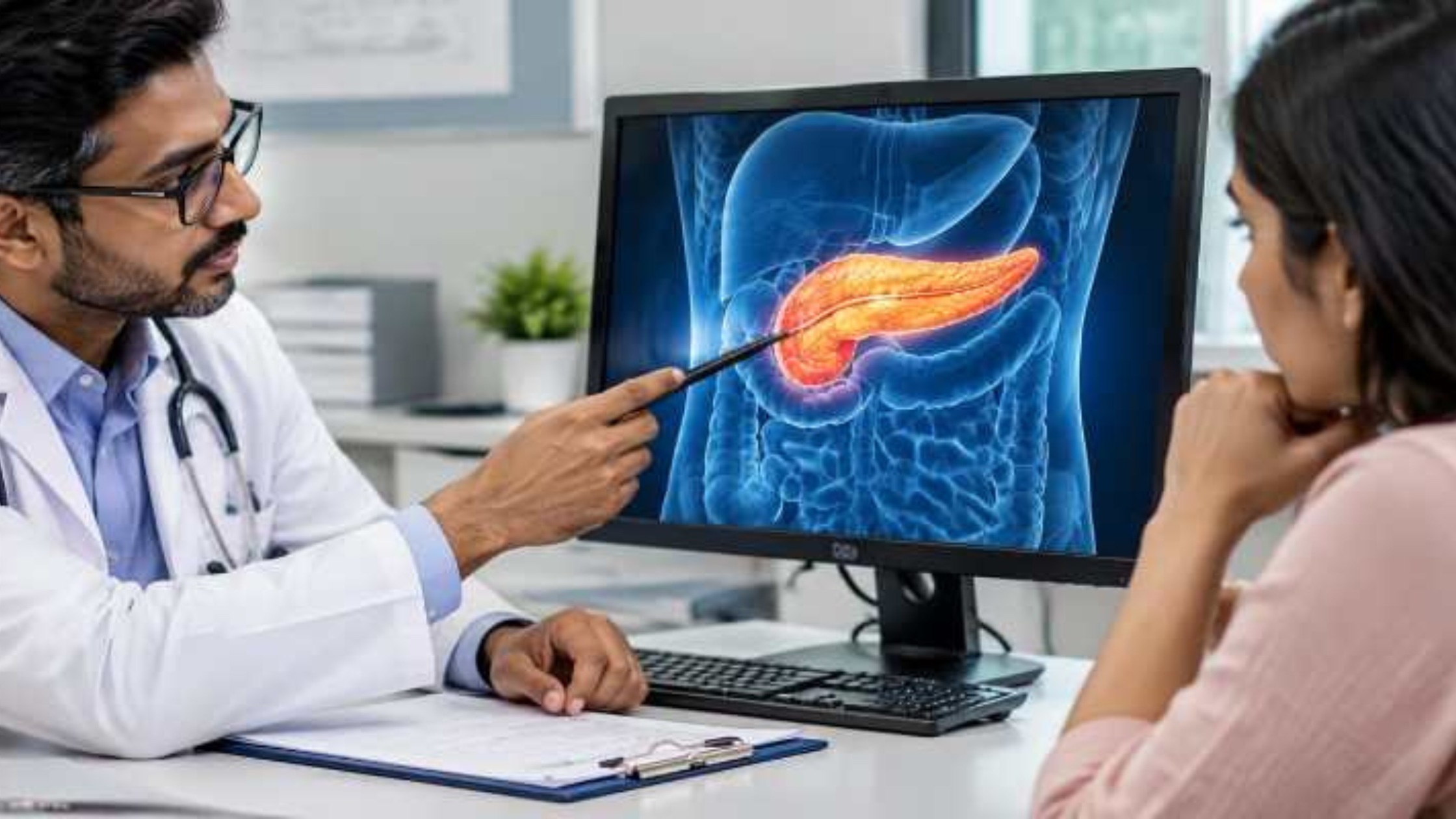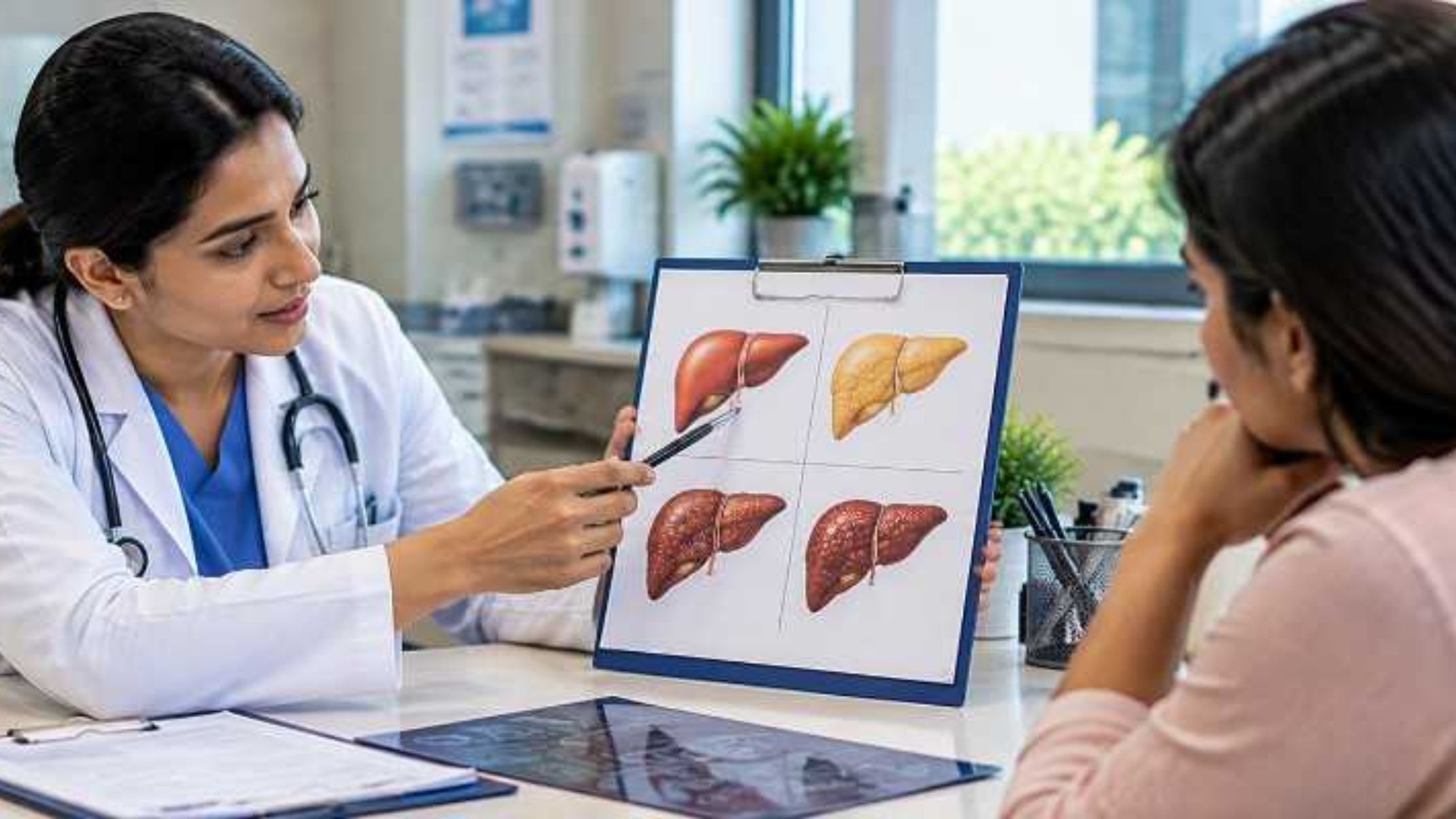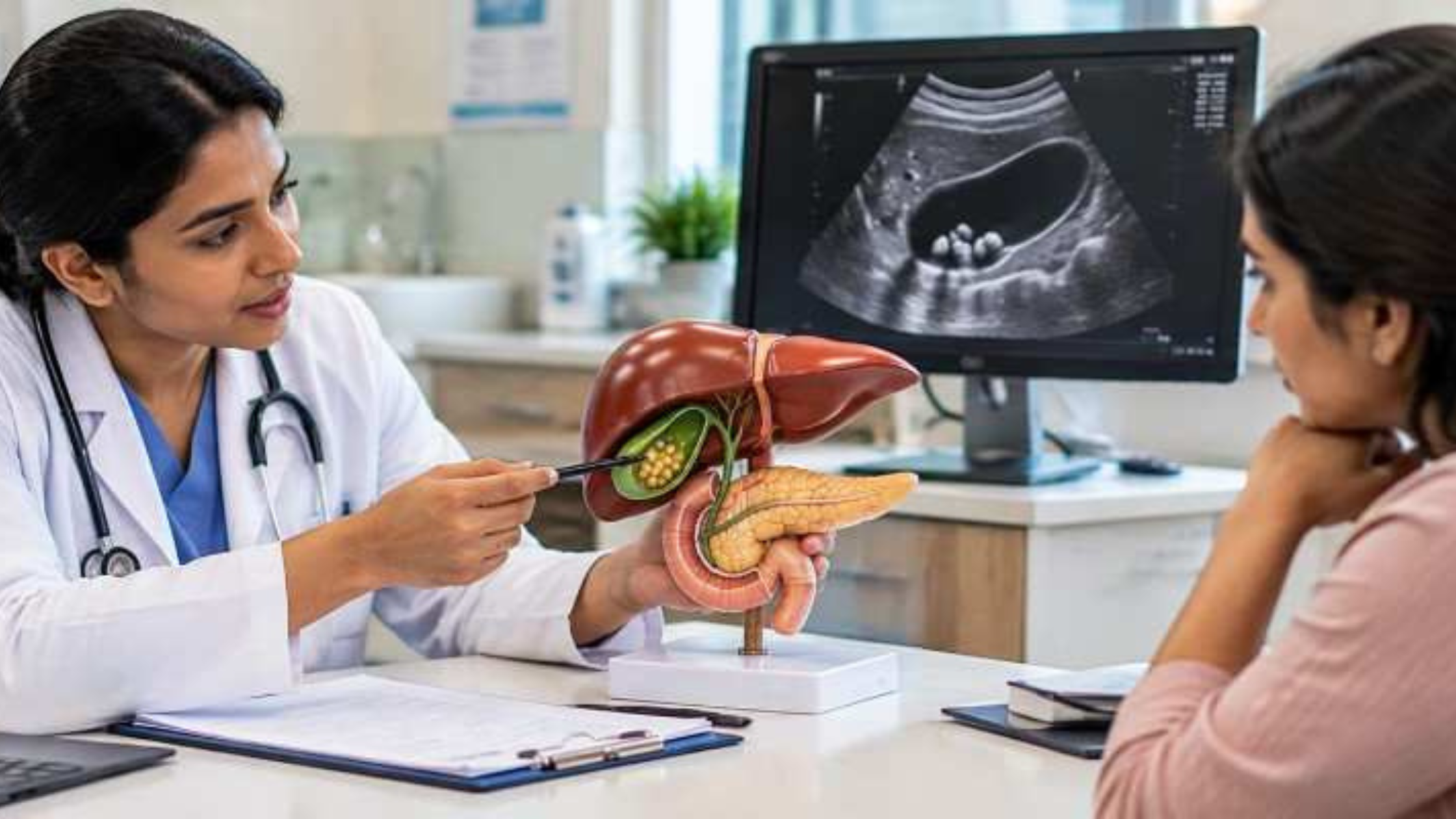
Peptic ulcer disease occurs when open sores develop in the lining of the stomach or the first part of the small intestine. These ulcers can cause abdominal discomfort, burning pain, nausea, and other digestive symptoms. Common causes include Helicobacter pylori infection and the prolonged use of certain pain-relieving medicines. Ananya Hospital provides gastroenterology evaluation for people experiencing persistent digestive symptoms. Assessment helps identify possible causes and determine appropriate diagnostic and treatment options.

What Is Peptic Ulcer Disease?
Peptic ulcers are sores that develop in areas exposed to stomach acid and digestive enzymes. They are generally classified into two types:
- Gastric ulcers: These develop in the lining of the stomach.
- Duodenal ulcers: These develop in the duodenum, the first part of the small intestine.
Symptoms and treatment approaches can vary depending on the location and cause of the ulcer.
People experiencing recurring stomach discomfort can consult a peptic ulcer specialist in Bangalore for an appropriate medical evaluation.
Common Symptoms of Peptic Ulcers
Peptic ulcer symptoms can vary from person to person. Common symptoms include:
- Burning or aching pain in the upper abdomen
- Indigestion
- Bloating
- Nausea
- Feeling full quickly
- Belching
- Changes in appetite
Some people may have an ulcer without noticeable symptoms until complications develop. Persistent or recurring digestive symptoms should be evaluated by a healthcare professional.
What Causes Peptic Ulcers?
Two major causes of peptic ulcers are Helicobacter pylori infection and the use of certain pain-relieving medicines.
Helicobacter pylori Infection
H. pylori is a type of bacteria that can infect the stomach lining. In some people, a persistent infection can contribute to inflammation and ulcer formation.
Testing may be recommended when a peptic ulcer is suspected or confirmed.
Certain Painkillers
Non-steroidal anti-inflammatory drugs (NSAIDs), including some commonly used pain-relieving medicines, can increase the risk of stomach and duodenal ulcers, particularly when used frequently or for prolonged periods.
Other factors, including smoking and certain medical conditions, may also increase the risk or worsen symptoms.
How Does H. pylori Cause Ulcers?
H. pylori can affect the protective lining of the stomach and contribute to inflammation. This can make the lining more vulnerable to damage from stomach acid and digestive enzymes.
Healthcare professionals may recommend H. pylori testing when evaluating suspected peptic ulcers. Identifying the infection helps guide decisions about appropriate treatment.
Can Painkillers Cause Stomach Ulcers?
Yes. Regular or prolonged use of certain NSAIDs can damage the protective lining of the stomach and increase the risk of ulcers.
People who regularly use pain-relieving medicines should discuss their medication use with a doctor, particularly if they develop persistent abdominal pain, indigestion, or other digestive symptoms. Do not stop prescribed medication without consulting the healthcare professional who prescribed it.
Warning Signs of a Peptic Ulcer
Certain symptoms may indicate a complication and require urgent medical attention.
Seek urgent medical care if you experience:
- Vomiting blood
- Black or tarry stools
- Severe or sudden abdominal pain
- Dizziness or fainting
- Unexplained weakness
These symptoms may indicate gastrointestinal bleeding or another serious complication. Do not delay seeking medical assistance if they occur.
How Are Peptic Ulcers Diagnosed?
Diagnosis depends on the patient’s symptoms, medical history, physical examination, and appropriate investigations.
Depending on the clinical findings, a doctor may recommend:
- H. pylori testing
- Blood tests
- Stool tests
- Upper gastrointestinal (GI) endoscopy
- A biopsy during endoscopy, when required
A peptic ulcer diagnosis in Bangalore may involve one or more of these investigations, depending on the patient’s symptoms and risk factors.
Role of Upper GI Endoscopy
Upper GI endoscopy allows a doctor to examine the oesophagus, stomach, and duodenum using a flexible instrument with a camera.
The procedure may help identify:
- Stomach ulcers
- Duodenal ulcers
- Inflammation
- Bleeding
- Other abnormalities
A biopsy may also be taken during the procedure when clinically indicated. Whether endoscopy is necessary depends on the patient’s symptoms, medical history, and examination findings.
Peptic Ulcer Treatment Options
Treatment depends mainly on the underlying cause, the location of the ulcer, and the patient’s overall health.
Treatment may include:
- Medicines that reduce stomach acid
- Antibiotics for confirmed H. pylori infection
- Reviewing or changing ulcer-causing medicines under medical guidance
- Medicines that help protect the stomach lining
- Treatment of complications when necessary
Patients looking for ulcer treatment in Rajajinagar can discuss their symptoms and investigation findings with a gastroenterology specialist.
The appropriate treatment plan depends on the diagnosis and individual clinical requirements.
Treatment for H. pylori Infection
When testing confirms H. pylori infection, treatment generally involves a combination of medicines designed to eliminate the bacteria and reduce stomach acid.
Completing the prescribed course is important. Follow-up testing may be recommended to check whether the infection has been successfully treated.
Patients should follow their prescribed treatment plan and consult their doctor if they experience difficulties or have questions about their medicines.
Managing NSAID-Related Ulcers
When an ulcer is associated with NSAID use, a doctor may review the medication and determine whether it should be stopped, changed, or replaced with another option.
Patients should not stop prescribed medication without medical advice. The appropriate approach depends on the reason the medicine was prescribed and the individual’s health needs.
Diet During Ulcer Recovery
There is no single diet that is suitable for everyone with a peptic ulcer. However, some people find that particular foods or drinks worsen their symptoms.
Depending on individual tolerance, the following measures may help manage digestive discomfort:
- Eat regular, balanced meals.
- Avoid foods that consistently trigger discomfort.
- Limit excessive alcohol consumption.
- Avoid smoking.
- Reduce very heavy meals if they worsen symptoms.
- Follow dietary recommendations provided by a healthcare professional.
Dietary changes can support symptom management but do not replace treatment for H. pylori infection or other underlying causes of peptic ulcers.
Can Peptic Ulcers Heal?
Many peptic ulcers can heal with appropriate treatment, particularly when the underlying cause is addressed.
Treatment may involve eliminating H. pylori infection, reducing exposure to ulcer-causing medicines, controlling stomach acid, and managing other risk factors.
A stomach and digestive care in Bangalore evaluation can help identify the cause of symptoms and determine the appropriate approach to treatment.
Follow-up assessment may be necessary depending on the type of ulcer, its cause, the treatment provided, and the patient’s response.
Possible Complications
Untreated or complicated peptic ulcers can sometimes lead to:
- Gastrointestinal bleeding
- Perforation, in which an ulcer creates a hole in the digestive tract wall
- Gastric outlet obstruction, which can interfere with the passage of food
- Anaemia related to blood loss
Prompt medical evaluation is important when symptoms are persistent, severe, or accompanied by warning signs. Vomiting blood, black stools, fainting, or sudden severe abdominal pain requires urgent medical attention.
When Should You See a Doctor?
Consult a healthcare professional if you experience:
- Recurrent upper abdominal pain
- Persistent indigestion
- Frequent nausea
- Unexplained weight loss
- Reduced appetite
- Digestive symptoms that repeatedly return
A medical assessment can help determine whether these symptoms are related to a peptic ulcer or another gastrointestinal condition.
Immediate medical attention is necessary for vomiting blood, black stools, severe abdominal pain, fainting, or other signs of possible gastrointestinal bleeding.
Gastroenterology Evaluation for Peptic Ulcers at Ananya Hospital
Ananya Hospital provides gastroenterology evaluation for patients experiencing stomach pain, indigestion, suspected peptic ulcers, and other digestive concerns. Depending on the patient’s symptoms and medical history, the assessment may involve H. pylori testing, laboratory investigations, and endoscopic evaluation when appropriate.
The diagnosis and treatment plan are determined by the underlying cause, investigation findings, and individual clinical needs.
Frequently Asked Questions
What is the most common cause of peptic ulcers?
Two major causes of peptic ulcers are H. pylori infection and the frequent or prolonged use of non-steroidal anti-inflammatory drugs (NSAIDs).
Can stress cause a peptic ulcer?
Everyday stress is not considered a primary cause of most peptic ulcers. However, stress may worsen digestive symptoms in some people.
Can peptic ulcers heal without treatment?
Some ulcers may heal, but untreated ulcers can persist or develop complications. Identifying and treating the underlying cause is important for appropriate management.
Are stomach ulcers and peptic ulcers the same?
A stomach ulcer is a type of peptic ulcer. Peptic ulcers can develop in the stomach or the duodenum, which is the first part of the small intestine.
Can ulcers come back?
Yes. Peptic ulcers can recur, particularly if H. pylori infection remains untreated or ulcer-causing medicines continue to be used.
Conclusion
Peptic ulcer disease can cause recurring upper abdominal pain, indigestion, nausea, and other digestive symptoms. H. pylori infection and the use of certain NSAIDs are among its major causes. Depending on the symptoms and clinical findings, diagnosis may involve infection testing, blood or stool tests, and upper GI endoscopy. Identifying the underlying cause helps guide treatment and reduce the risk of complications.
If you experience recurring stomach pain, persistent indigestion, or other symptoms associated with peptic ulcers, a medical assessment can help determine the cause and appropriate next steps. For an evaluation of persistent digestive symptoms or suspected peptic ulcer disease, please contact the Ananya Hospital outpatient department or reception to enquire about scheduling an appointment.
Follow us on Instagram for digestive-health education, information about peptic ulcers, and general healthcare updates.
Disclaimer: The information provided in this article is for educational and informational purposes only and should not be construed as professional medical advice, diagnosis, or treatment. Always seek the advice of your physician or qualified healthcare provider with any questions you may have regarding a medical condition.