Knee pain can slowly take away the joy of simple daily activities like walking, climbing stairs, or even standing for a long time. For many people, medicines and physiotherapy provide only temporary relief. When knee damage becomes severe, total knee replacement surgery may be the best long-term solution. At Ananya Hospital, patients receive detailed guidance before deciding on this life-changing procedure. This Complete Guide to Total Knee Replacement in Bangalore is designed to help you understand the surgery, recovery, benefits, and what to expect at every stage. Doctors at Ananya Hospital believe that informed patients feel more confident and recover better.
Understanding Knee Joint Problems
The knee is a major joint that supports movement and stability. It connects the thigh bone (femur) to the shin bone (tibia) and helps with movement such as walking, sitting, bending, and running.
Over time, the knee joint can wear out due to:
- Osteoarthritis – Age-related wear and tear
- Rheumatoid arthritis – Autoimmune inflammation
- Post-traumatic arthritis – Injury-related damage
When cartilage (the cushion between bones) is damaged, bones rub against each other, causing pain, stiffness, and swelling.
What Is Total Knee Replacement?
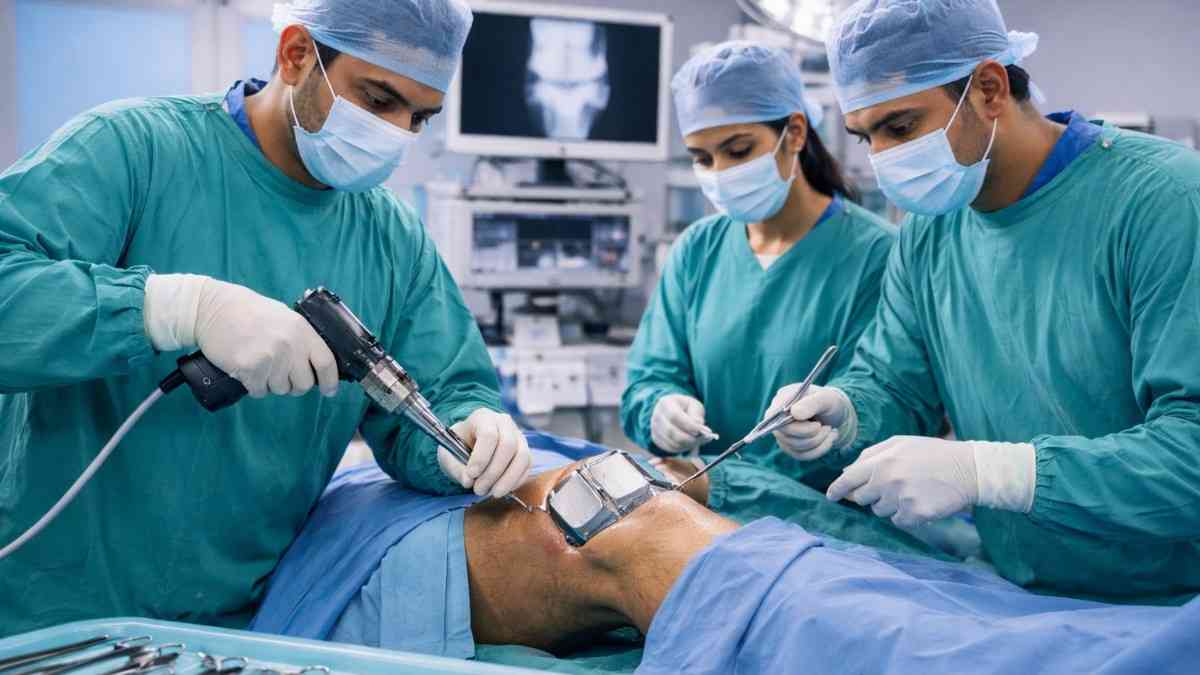
Total knee replacement (TKR) is a surgical procedure where damaged parts of the knee joint are removed and replaced with artificial components made of metal and high-grade plastic. The design supports fluid movement and helps relieve pain.
The main goal of surgery is to:
- Relieve chronic knee pain
- Restore joint function
- Improve quality of life
Total Knee Replacement in Bangalore Explained for Patients
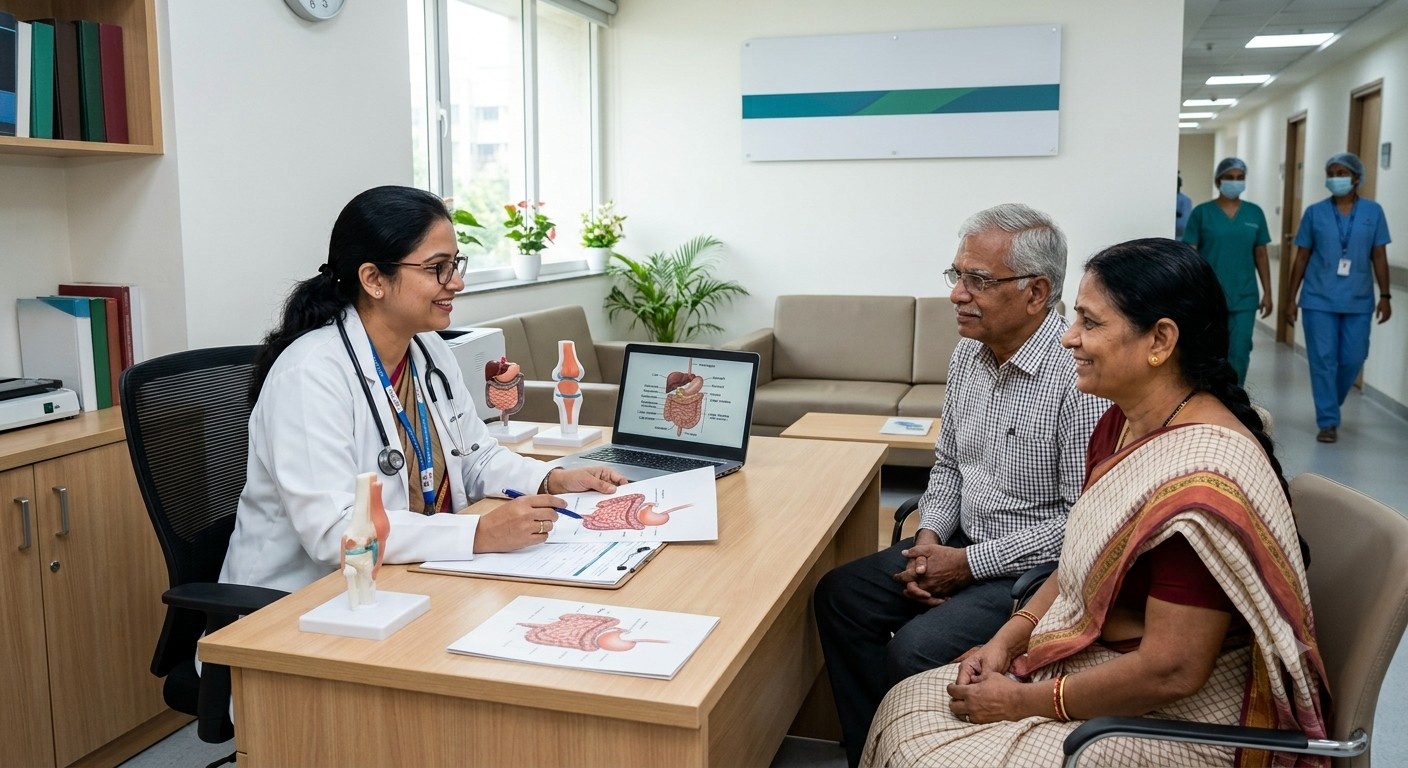
Choosing to undergo knee replacement surgery in bangalore is a major decision. Understanding the process step by step can reduce anxiety and help you prepare physically and mentally.
When Is Knee Replacement Needed?
Doctors usually recommend surgery when:
- Knee pain continues despite medications
- Walking becomes difficult or painful
- Sleep is disturbed due to knee discomfort
- Knee stiffness limits bending or straightening
- Daily activities like climbing stairs become challenging
If these problems interfere with your routine life, knee replacement may offer long-term relief.
Preparing for Knee Replacement Surgery
Preparation plays a big role in successful surgery and recovery.
Medical Evaluation
Before surgery, doctors perform:
- Blood tests
- X-rays or scans
- Heart and lung check-ups
This ensures you are fit for anesthesia and surgery.
Physical Preparation
Patients are often advised to:
- Strengthen leg muscles with simple exercises
- Maintain a healthy weight
- Control diabetes or blood pressure
Stronger muscles support faster recovery after surgery.
How the Surgery Is Performed
Total knee replacement usually takes about 1–2 hours.
Step-by-Step Overview
- Damaged cartilage and bone surfaces are removed
- The ends of the bones are shaped to fit artificial parts
- Metal implants are fixed to the bones
- A plastic spacer is placed between them for smooth movement
- The incision is closed with stitches or staples
The artificial knee is built to move in a way similar to the natural joint.
Types of Knee Implants
There are different implant designs depending on the patient’s age, bone condition, and activity level.
- Fixed-bearing implants – Most common type
- Mobile-bearing implants – Allow more rotation
- Posterior-stabilized implants – Provide extra stability
Your surgeon chooses the most suitable implant for your needs.
What Happens After Surgery?
Hospital Stay
The usual hospital stay for most patients lasts only a few days. During this time:
- Pain is managed with medications
- Physiotherapy begins early
- Walking with support starts within 1–2 days
Early movement prevents stiffness and blood clots.
Recovery and Rehabilitation
The recovery process is steady and depends on dedication and patience.
First Few Weeks
- Walking with a walker or crutches
- Regular physiotherapy sessions
- Mild swelling and discomfort are normal
After 6 Weeks
- Walking becomes easier
- Most daily activities can be resumed
- Driving may be possible with doctor approval
After 3 Months
- Significant improvement in mobility
- Pain greatly reduced or gone
- Return to light recreational activities
Full recovery can take up to 6 months to a year.
Benefits of Total Knee Replacement
Many patients experience life-changing improvements after surgery.
Major Benefits
- Long-lasting pain relief
- Improved walking ability
- Better sleep without pain
- Ability to climb stairs comfortably
- Increased independence
Modern implants are designed to last 15–20 years or more with proper care.
Risks and Possible Complications
Knee replacement is generally safe, but like all surgeries, it carries some risks:
- Infection
- Blood clots
- Implant loosening over time
- Nerve or blood vessel injury (rare)
- Knee stiffness if exercises are not followed
Following post-surgery instructions reduces these risks.
Lifestyle After Knee Replacement
After recovery, most people return to normal life with improved mobility.
Activities You Can Do
- Walking
- Swimming
- Cycling
- Light exercise
Activities to Avoid
- High-impact sports like running or jumping
- Heavy weightlifting
- Sudden twisting movements
Protecting the new joint ensures long-lasting results.
Tips for a Smooth Recovery
- Attend all physiotherapy sessions
- Do home exercises regularly
- Keep the surgical wound clean
- Eat nutritious food for healing
- Avoid sitting for long periods
Consistency in rehabilitation is key to regaining full movement.
Emotional Aspects of Knee Surgery
It’s normal to feel nervous before surgery. Many patients worry about pain or recovery time. However, understanding the process and having realistic expectations helps reduce stress. Support from family and medical professionals also makes recovery smoother.
Frequently Asked Questions (FAQs)
1. How long does a knee replacement last?
Most knee implants last 15–20 years or longer, depending on activity level and body weight.
2. Is knee replacement surgery very painful?
Pain is managed with modern medications and techniques. Discomfort reduces significantly within a few weeks.
3. When can I walk normally after surgery?
With physiotherapy, many patients walk comfortably within 4–6 weeks.
4. Will I be able to climb stairs after recovery?
Yes, most patients can climb stairs with much less pain once healing is complete.
5. Is it possible to replace both knees in one surgery?
In some cases, both knees can be replaced together, but this depends on overall health and doctor evaluation.
Conclusion
Total knee replacement can be a life-changing solution for individuals dealing with long-term knee pain and limited mobility. With advanced surgical techniques and structured rehabilitation, many patients are able to regain movement and significantly improve their quality of life. At Ananya Hospital, known for providing the best knee replacement treatment, the focus is on personalized care, modern medical approaches, and clear patient education at every stage. The orthopedic team at Ananya Hospital works closely with each patient to ensure a safe procedure, smooth recovery, and lasting joint health. Consult our specialists now to begin your journey toward pain-free movement.