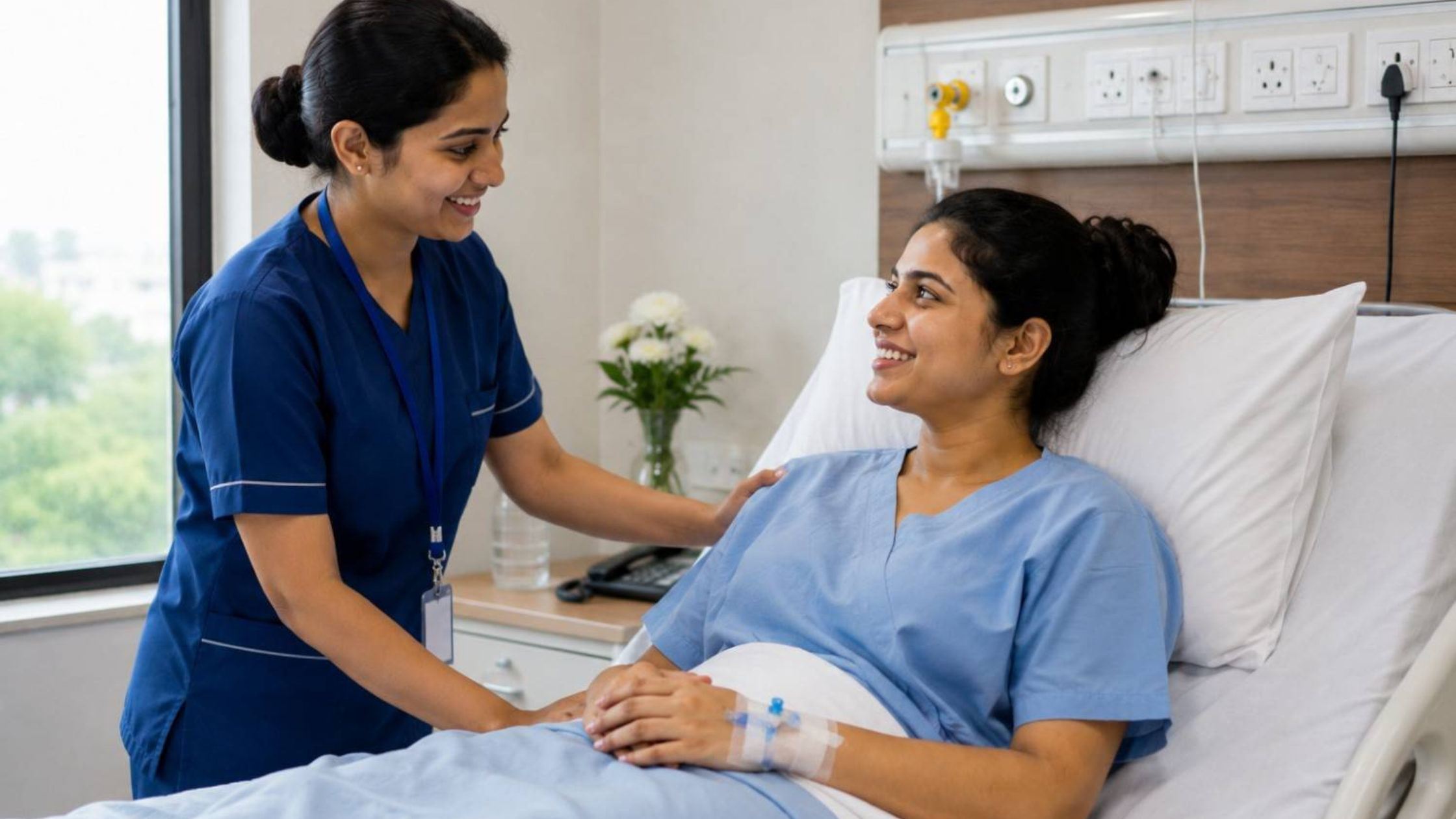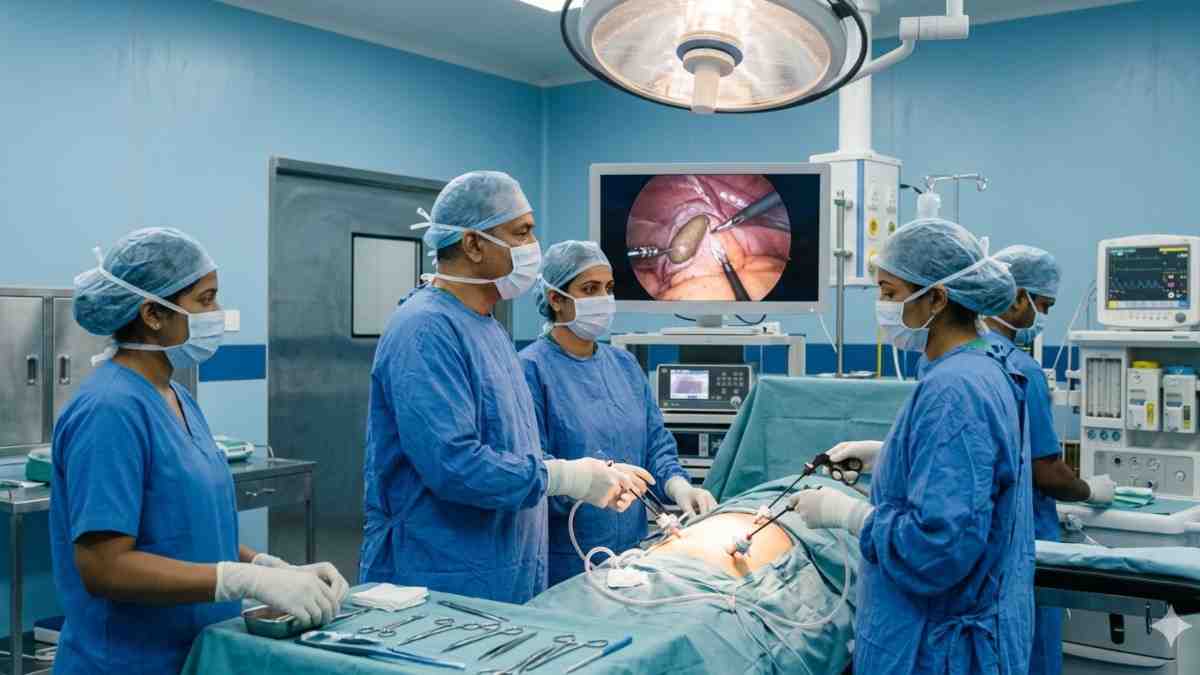
Gallbladder problems can cause significant pain, discomfort, and disruption to daily life. When medications and lifestyle changes no longer provide relief, gallbladder removal surgery, known as cholecystectomy, is often the most effective treatment option. At Ananya Hospital, offering advanced gallbladder surgery treatment, patients commonly seek clarity on the differences between open and laparoscopic procedures and which approach may be best suited to their condition. Understanding these surgical options can ease anxiety and support confident decision-making. This guide from Ananya Hospital explains both methods in clear, simple terms to help you know what to expect before, during, and after surgery.
What Does the Gallbladder Do?
A small, pear-shaped organ found beneath the liver, the gallbladder stores bile used by the body to digest fats.When you eat, the gallbladder releases bile into the small intestine to support digestion.
Problems occur when gallstones form or when the gallbladder becomes inflamed or infected. These issues can cause:
- Severe abdominal pain (especially after fatty meals)
- Nausea and vomiting
- Bloating and indigestion
- Fever in case of infection
When these symptoms become frequent or serious, surgery may be recommended.
Why Is Gallbladder Surgery Needed?
Gallbladder removal is commonly advised for:
- Gallstones causing pain or blockage
- Inflammation of the gallbladder (cholecystitis)
- Infection or pus formation
- Pancreatitis caused by gallstones
- Gallbladder dysfunction without stones
The body can function normally without a gallbladder because bile flows directly from the liver into the intestine after surgery.
Gallbladder Surgery: Open vs. Laparoscopic – Choosing the Right Option
There are two main surgical approaches to remove the gallbladder: open surgery and laparoscopic (minimally invasive) surgery. While both aim to solve the same problem, the way they are performed and the recovery experience are quite different.
Let’s explore each in detail.
What Is Open Gallbladder Surgery?
Open cholecystectomy is the traditional method. In this procedure:
- The surgeon makes a single large incision (usually 5–7 inches) in the upper right side of the abdomen.
- Through this opening, the gallbladder is carefully separated and removed.
- The surgical opening is closed with sutures or staples.
When Is Open Surgery Recommended?
Although laparoscopic surgery is more common today, open surgery may still be necessary in certain situations:
- Severe infection or inflammation
- Scar tissue from previous abdominal surgeries
- Complications discovered during laparoscopic surgery
- Bleeding problems
- Obesity or unusual anatomy
Advantages of Open Surgery
- Better visibility for complex cases
- Safer in cases with severe infection or complications
Disadvantages
- Larger scar
- More pain after surgery
- Longer hospital stay (3–5 days)
- Slower recovery (4–6 weeks)
What Is Laparoscopic Gallbladder Surgery?
Laparoscopic cholecystectomy is a minimally invasive technique and is now the most commonly performed method.
Here’s how it works:
- The surgeon makes 3–4 very small incisions in the abdomen.
- A tiny camera (laparoscope) is inserted through one incision.
- Surgical tools are inserted through the others.
- The camera displays the internal organs on a screen, guiding the surgeon to remove the gallbladder.
- The small incisions are closed with stitches or surgical glue.
When Is Laparoscopic Surgery Suitable?
Most patients with gallstones or gallbladder inflammation can safely undergo laparoscopic surgery. It is usually the first choice unless there are complications.
Advantages of Laparoscopic Surgery
- Smaller scars
- Less pain after surgery
- Short hospital stay (often same day or 1 day)
- Faster recovery (1–2 weeks)
- Lower risk of infection
Disadvantages
- Not suitable for very complicated cases
- Slight risk of needing to convert to open surgery during the procedure
Key Differences at a Glance
| Feature | Open Surgery | Laparoscopic Surgery |
| Incision Size | Large (5–7 inches) | Small (0.5–1 cm cuts) |
| Pain After Surgery | More | Less |
| Hospital Stay | 3–5 days | Same day or 1 day |
| Recovery Time | 4–6 weeks | 1–2 weeks |
| Scarring | Visible scar | Minimal scars |
| Risk of Infection | Higher | Lower |
| Suitability | Complex cases | Most patients |
What Happens Before Surgery?
Before the procedure, doctors usually recommend:
- Blood tests
- Ultrasound or scans
- Fasting for 6–8 hours before surgery
- Stopping certain medications temporarily
You will also discuss your medical history and any allergies with the surgical team.
What to Expect After Surgery
After Laparoscopic Surgery
- Mild shoulder pain due to gas used during surgery
- Light walking is encouraged within a day
- Return to normal activities in about a week
After Open Surgery
- Longer hospital stay
- Stronger pain medications needed
- Avoid heavy lifting for at least a month
- Full recovery may take up to six weeks
Diet After Gallbladder Removal
Without a gallbladder, bile flows continuously into the intestine rather than being stored. Most people digest food normally, but some may experience temporary loose stools.
Tips for Easier Digestion
- Eat small, frequent meals
- Reduce very fatty or fried foods at first
- Increase fiber slowly
- Stay hydrated
Within a few weeks, most people return to a normal diet.
Risks and Complications
Both procedures are generally safe, but like any surgery, there are some risks:
- Bleeding
- Infection
- Injury to nearby organs (rare)
- Bile leakage
- Blood clots
Laparoscopic surgery tends to have fewer complications and a quicker recovery, which is why it is often preferred.
Which Surgery Is Better?
There is no single approach that suits every patient. Laparoscopic surgery treatment is suitable for most individuals due to its benefits, including quicker recovery and reduced post-operative discomfort. However, open surgery continues to play a crucial role in complex cases or emergency situations where a more extensive procedure is required.
The best choice depends on:
- Severity of gallbladder disease
- Previous abdominal surgeries
- Overall health condition
- Surgeon’s recommendation
A proper medical evaluation helps determine the safest and most effective approach.
Life After Gallbladder Surgery
Life without a gallbladder is normal for most people.Digestive changes are usually mild and temporary. After recovery, you can:
- Eat a regular balanced diet
- Exercise normally
- Travel and work without restrictions
Gallbladder removal permanently prevents future gallstone attacks and related pain.
Frequently Asked Questions (FAQs)
1. Is laparoscopic gallbladder surgery painful?
It is usually less painful than open surgery. Most patients experience mild to moderate discomfort that improves within a few days.
2. How long does gallbladder surgery take?
Laparoscopic surgery typically takes 1–2 hours, while open surgery may take slightly longer depending on complexity.
3. Can gallstones come back after surgery?
No. Since the gallbladder is removed, stones cannot form there again.
4. How soon can I go back to work after surgery?
For laparoscopic surgery, many people return within a week. After open surgery, recovery may take 4–6 weeks.
5. Are there long-term side effects of living without a gallbladder?
Most people have no major long-term problems. Some may notice mild digestive changes, but these usually settle with time and diet adjustments.
Conclusion
Choosing the right surgical approach can feel overwhelming, but understanding the available options helps patients feel more confident about their treatment decisions. At Ananya Hospital, supported by experienced gallbladder surgeons, each patient’s condition is carefully assessed before recommending the safest and most suitable procedure. Whether open or laparoscopic, the focus at Ananya Hospital is always on ensuring a smooth surgery, quicker recovery, and lasting relief from gallbladder pain. Book an appointment now to discuss the best treatment option for your condition.