Hernias are more common than many people realize and are often ignored until discomfort begins to interfere with daily activities. Symptoms such as a visible bulge, pain while lifting, or a heavy feeling in the abdomen should not be overlooked. With advances in surgical care, treatment options today are safer and less painful than before. At Ananya Hospital, known for Laparoscopic hernia surgery Bangalore, many patients choose minimally invasive repair because it requires smaller incisions and supports faster recovery. The surgeons at Ananya Hospital guide patients at every stage, helping them understand the benefits of laparoscopic treatment and make informed decisions about their care.
Benefits of Laparoscopic Hernia Repair
One of the major benefits of this technique is the employment of very small incisions. Small incisions result in less damage to the skin and muscles, thus promoting minimal scarring and rapid healing. Since the technique is less invasive, patients tend to have less pain compared to open surgery.
Healing is also faster. Most patients are able to go home on the same day and are able to engage in light activities a week after the surgery. The chances of infection and healing time are reduced due to the small incisions. Patients who work at their desks are able to return to work faster compared to those who undergo traditional surgery.
When Is Laparoscopic Repair Recommended?
This is particularly helpful for hernias that are present on both sides of the groin, recurrent hernias that have been previously repaired, patients who would like a faster recovery, and patients who are healthy enough for minimally invasive surgery. Not all hernias can be repaired using a laparoscopic approach. This is determined by the surgeon based on the size and location of the hernia, as well as the patient’s health.
Difference Between Open and Laparoscopic Hernia Surgery
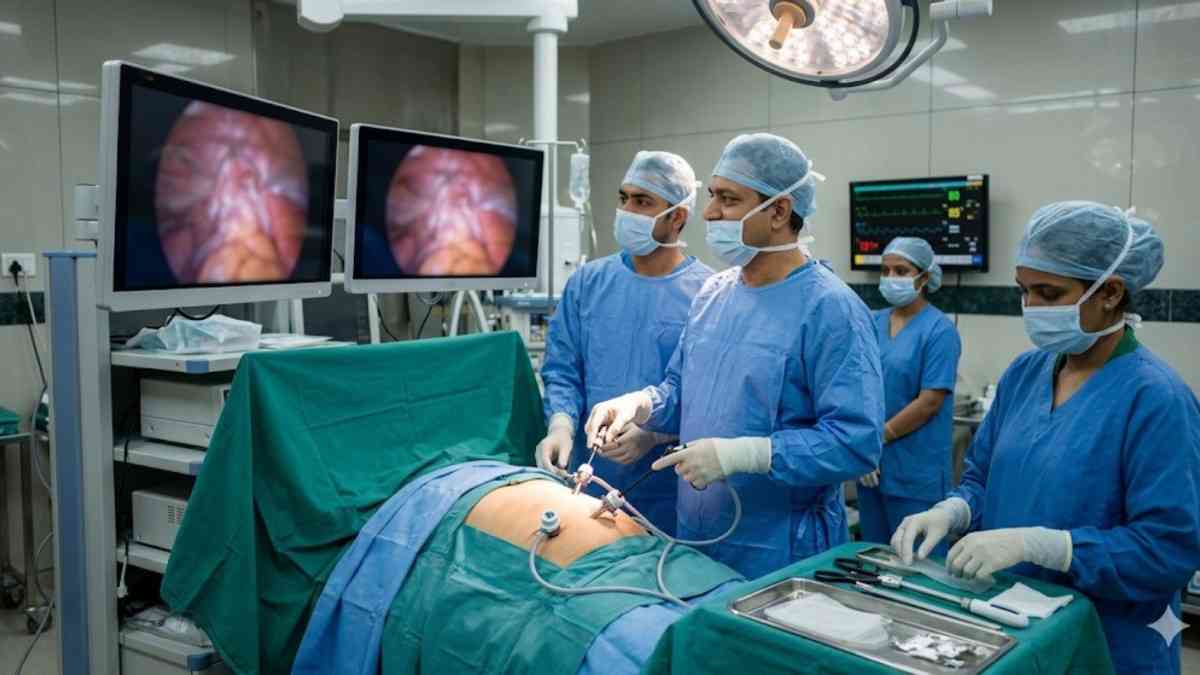
In open surgery, a bigger cut is made directly over the hernia. Although it is very effective, it is often associated with more pain and a longer recovery time. In laparoscopic surgery, a small incision is made, and a camera is used to see what is being done. This type of surgery is often associated with less pain, a shorter hospital stay, and a quicker return to normal life. Both types of surgery are safe if properly selected, but there are definite advantages to laparoscopic surgery in terms of comfort.
What to Expect Before Surgery
Preparation can help ensure a smooth process. Doctors may recommend blood tests and scans, fasting for a few hours before the surgery, not taking certain medications, and not smoking before the surgery.
Recovery After Laparoscopic Hernia Surgery
For the first few days, some tenderness around the incision areas is normal. Patients are advised to engage in light walking and take pain medication.
For the next few weeks, patients are advised to avoid heavy lifting and increase their level of activity. Most patients will notice marked improvement in two weeks, although complete healing will take a little longer.
Possible Risks and Complications
Laparoscopic hernia repair is considered safe, but like all other surgeries, there are some risks involved. These risks may include bleeding, infection, swelling, bruising, or, in some cases, recurrence of the hernia.
Lifestyle Tips to Prevent Hernia Recurrence
It is also important to keep good habits after surgery. Do not lift heavy objects without assistance, keep a healthy weight, eat foods high in fiber to avoid constipation, exercise to strengthen muscles, and quit smoking to promote healing. These practices are essential in protecting the repaired site.
Emotional Comfort and Confidence
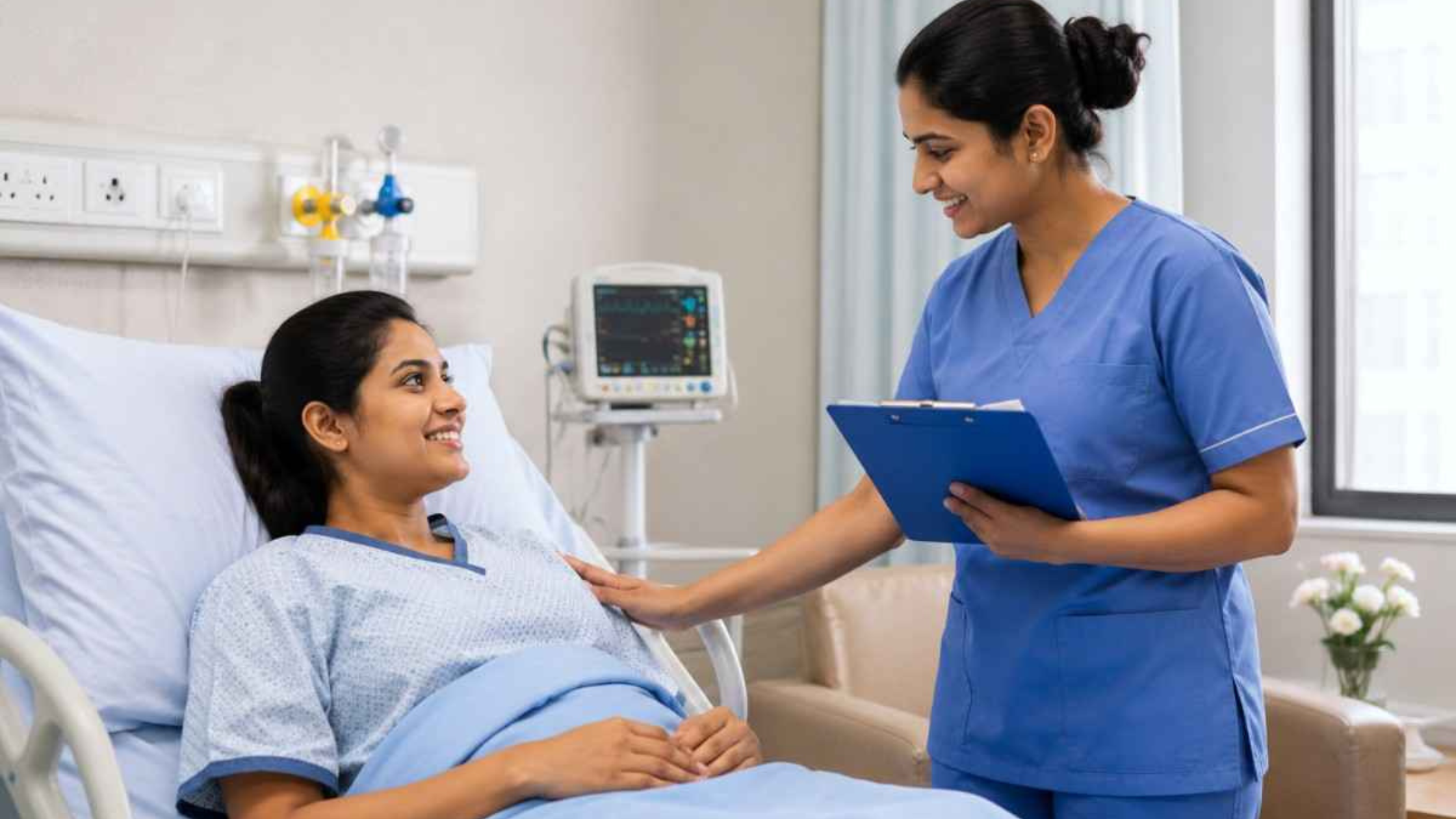
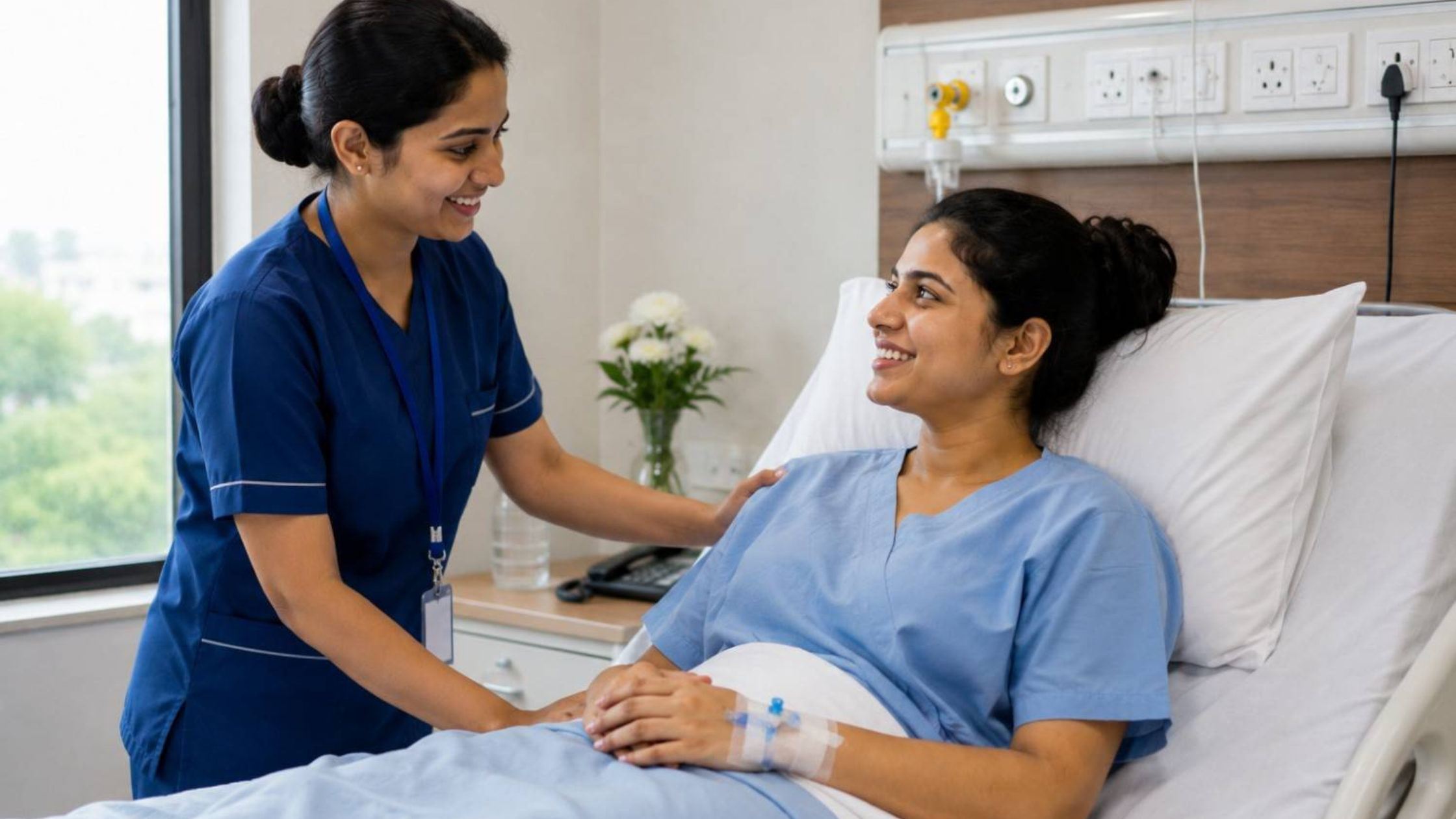
Patients are often anxious about surgery, but with minimally invasive surgery, the process is less stressful. It is reassuring to know that the recovery time is shorter and the scars will be smaller, making patients more confident about undergoing treatment. Early treatment prevents emergencies and leads to improved results.
Frequently Asked Questions (FAQs)
1. Is laparoscopic hernia surgery painful?
It is usually less painful than open surgery, and discomfort improves within a few days.
2. How long does the surgery take?
Most laparoscopic hernia repairs take about 1–2 hours.
3. When can I return to normal activities?
Light activities can often be resumed within a week, but heavy lifting should be avoided for several weeks.
4. Is the mesh used in surgery safe?
Yes, surgical mesh is widely used and helps reduce the chance of hernia recurrence.
5. Can a hernia come back after surgery?
Recurrence is rare but possible. Following post-surgery care instructions lowers the risk.
Conclusion
Hernias can impact comfort, mobility, and overall quality of life, but modern surgical care provides effective and lasting solutions. Laparoscopic repair offers a minimally invasive option that reduces pain and promotes faster healing. At Ananya Hospital, supported by expert laparoscopic hernia surgeons Bangalore, each case is carefully evaluated to determine the most suitable treatment approach. With a strong focus on patient safety, comfort, and long-term recovery, the team at Ananya Hospital helps individuals return to their normal lives with confidence, consult now to get the right treatment option.