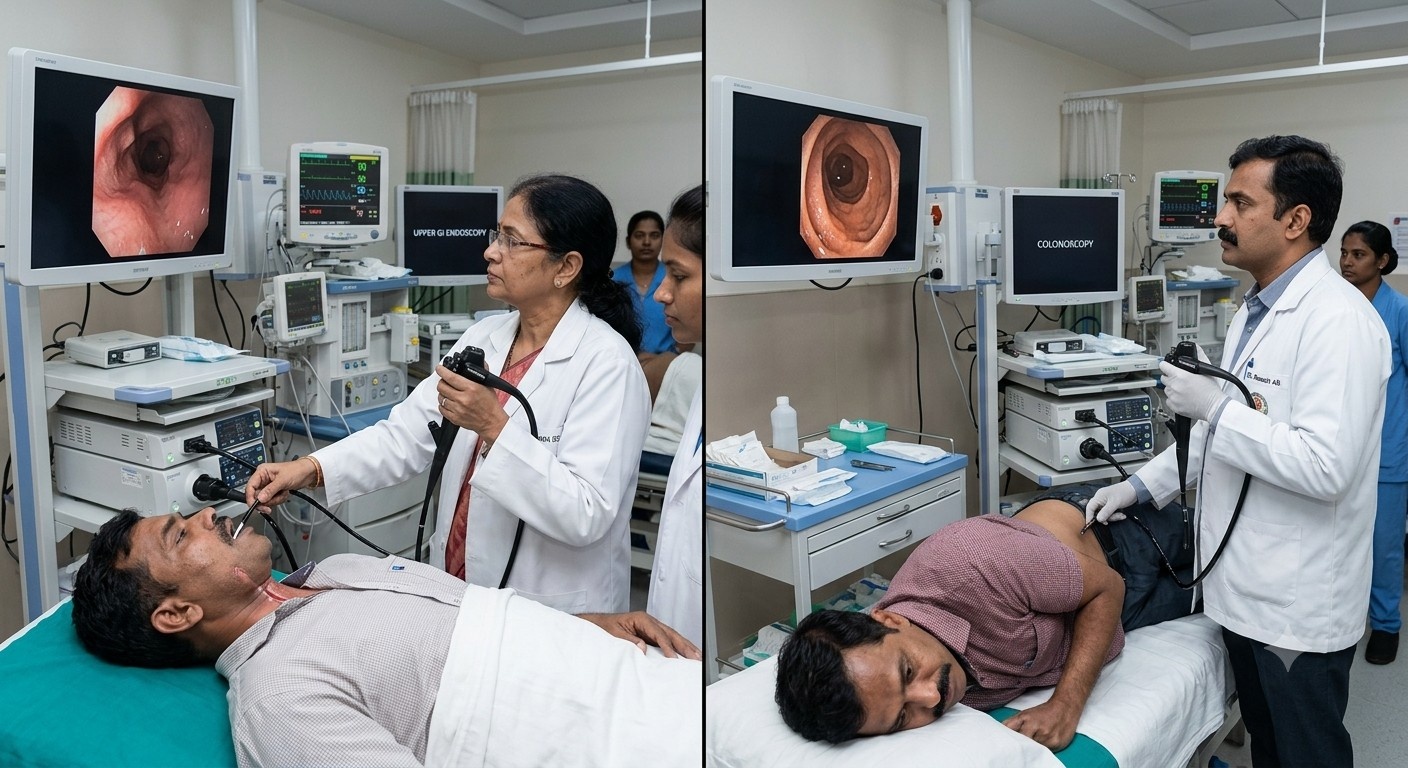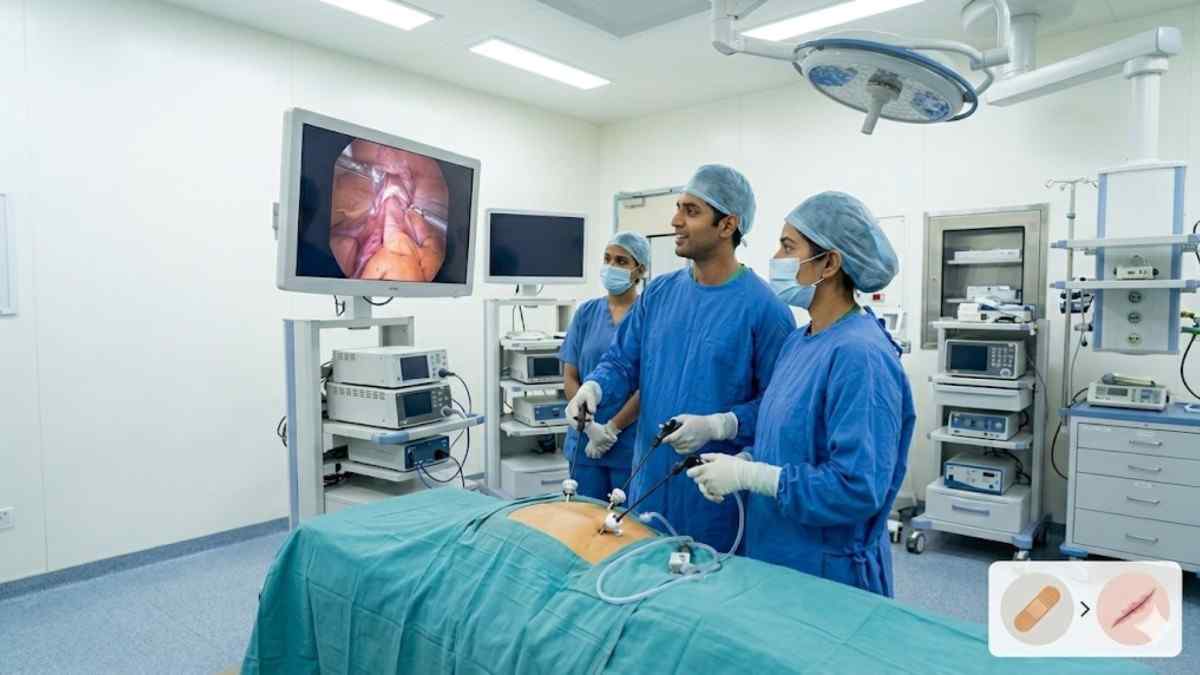
Medical science has advanced significantly over the years, particularly in surgical techniques. Procedures that once involved large incisions and extended hospital stays can now be performed through small openings, allowing for quicker healing and reduced discomfort. At Ananya Hospital, which offers keyhole and open surgery treatments, many patients seek to understand how minimally invasive procedures compare with traditional open surgery. Gaining clarity on these options helps reduce anxiety and build confidence before treatment. Doctors at Ananya Hospital often recommend minimally invasive approaches when appropriate, as they provide greater comfort, enhanced safety, and faster recovery.
What Is Keyhole Surgery?
Keyhole surgery, also called laparoscopic or minimally invasive surgery, is a modern surgical technique performed through very small cuts instead of one large incision. A tiny camera and special instruments are inserted through these small openings to perform the operation.
The camera shows a magnified view of the internal organs on a screen, allowing the surgeon to operate with high precision.
What Is Open Surgery?
Open surgery is the traditional method where a large incision is made to directly access the organ being treated. This method has been used for decades and is still necessary for certain complex conditions.
While effective, open surgery usually involves more pain, longer recovery time, and a visible scar.
Why to Choose Keyhole Surgery Over Open Surgery?
Many patients today prefer keyhole surgery because it offers several advantages over open surgery. Let’s explore these key benefits in detail.
1. Smaller Incisions, Smaller Scars
One of the biggest advantages of keyhole surgery is the size of the cuts. Instead of a long incision, surgeons make small openings, often less than a centimeter.
Benefits:
- Minimal scarring
- Better cosmetic results
- Less tissue damage
This is especially important for patients who are concerned about visible scars.
2. Less Pain After Surgery
Pain after surgery mainly comes from muscle and tissue damage. Since keyhole surgery uses small incisions, there is much less disturbance to surrounding tissues.
Result:
Patients usually need fewer pain medications and feel comfortable sooner compared to open surgery.
3. Faster Recovery Time
Recovery time is one of the main reasons people choose minimally invasive surgery.
With keyhole surgery:
- Hospital stay is shorter (often 1–2 days)
- Patients can walk within hours
- Return to work and daily activities much earlier
Open surgery, on the other hand, may require several days in the hospital and weeks of recovery at home.
4. Lower Risk of Infection
Large wounds take longer to heal and have a higher chance of infection. Since keyhole surgery involves small incisions, the risk of wound infection is significantly lower.
Smaller wounds also heal faster and require less dressing care.
5. Reduced Blood Loss
Keyhole surgery is performed using precise instruments and magnified camera views. This allows surgeons to work carefully around blood vessels, leading to less bleeding during the procedure.
Less blood loss means:
- Lower chance of needing transfusions
- Faster overall healing
6. Shorter Hospital Stay
Hospital stays can be stressful and expensive. One major benefit of keyhole surgery is early discharge.
Many patients go home within a day or two, compared to longer stays after open surgery. Being at home helps emotional well-being and recovery.
7. Quicker Return to Normal Life
Because the body heals faster after minimally invasive procedures, patients can resume:
- Light household work
- Office jobs
- Driving
- Gentle exercise
This quick return to routine reduces stress and financial burden.
8. Better Internal Visibility for Surgeons
The camera used in keyhole surgery provides a magnified and clear view of the surgical area. In some cases, this view is even better than what surgeons see with the naked eye during open surgery.
This improved visualization helps in:
- Precise surgical movements
- Avoiding damage to nearby organs
- Better surgical outcomes
9. Less Post-Surgical Complications
Because of smaller wounds and less tissue handling, patients undergoing keyhole surgery often experience fewer complications such as:
- Hernias at the incision site
- Severe swelling
- Wound reopening
10. Emotional and Psychological Comfort
Surgery can be frightening, and long recovery times add to the stress. Knowing that the procedure involves small cuts, less pain, and faster healing helps patients feel more relaxed and confident.
This mental comfort plays a big role in overall recovery.
When Is Open Surgery Still Necessary?
Although keyhole surgery has many benefits, it is not suitable for everyone. Open surgery may be required in cases like:
- Severe internal bleeding
- Large tumors
- Extensive infections
- Complicated emergency situations
- Heavy scar tissue from previous surgeries
Doctors decide the safest option based on each patient’s condition.
Common Procedures Done Using Keyhole Surgery
Many surgeries can now be performed using minimally invasive methods, including:
- Gallbladder removal
- Appendix removal
- Hernia repair
- Gynecological procedures
- Certain intestinal surgeries
The suitability depends on the patient’s health and the complexity of the condition.
What to Expect After Keyhole Surgery
Recovery is generally smooth, but some mild symptoms are normal:
- Slight soreness around incision site
- Mild bloating
- Tiredness for a few days
Most people feel much better within a week and gradually return to full activity.
Tips for Smooth Recovery
- Follow medication instructions
- Avoid heavy lifting for a short period
- Eat light, healthy meals
- Keep incision areas clean and dry
- Attend follow-up appointments
Following these simple steps helps ensure proper healing.
Frequently Asked Questions (FAQs)
1. Is keyhole surgery safe?
Yes, it is considered very safe when performed by experienced surgeons. It often has fewer complications than open surgery.
2. Will I have visible scars after keyhole surgery?
Scars are usually very small and fade over time, making them much less noticeable than open surgery scars.
3. How soon can I walk after keyhole surgery?
Most patients can walk within a few hours after the procedure, depending on their condition.
4. Can keyhole surgery be converted to open surgery?
Yes, if complications arise during the procedure, the surgeon may switch to open surgery for safety.
5. Is keyhole surgery more expensive than open surgery?
Costs vary, but shorter hospital stays and quicker recovery often reduce overall expenses.
Conclusion
Advancements in surgical techniques have made treatments safer and recovery smoother than ever before. At Ananya Hospital, supported by the best laparoscopic surgeons, specialists carefully evaluate each patient to decide whether keyhole surgery is the most suitable option. When appropriate, this approach results in less pain, faster healing, and minimal scarring. With a strong focus on patient comfort and long-term well-being, the team at Ananya Hospital ensures every individual receives high-quality care through advanced surgical methods. Book a consultation now to explore the right treatment option for you.