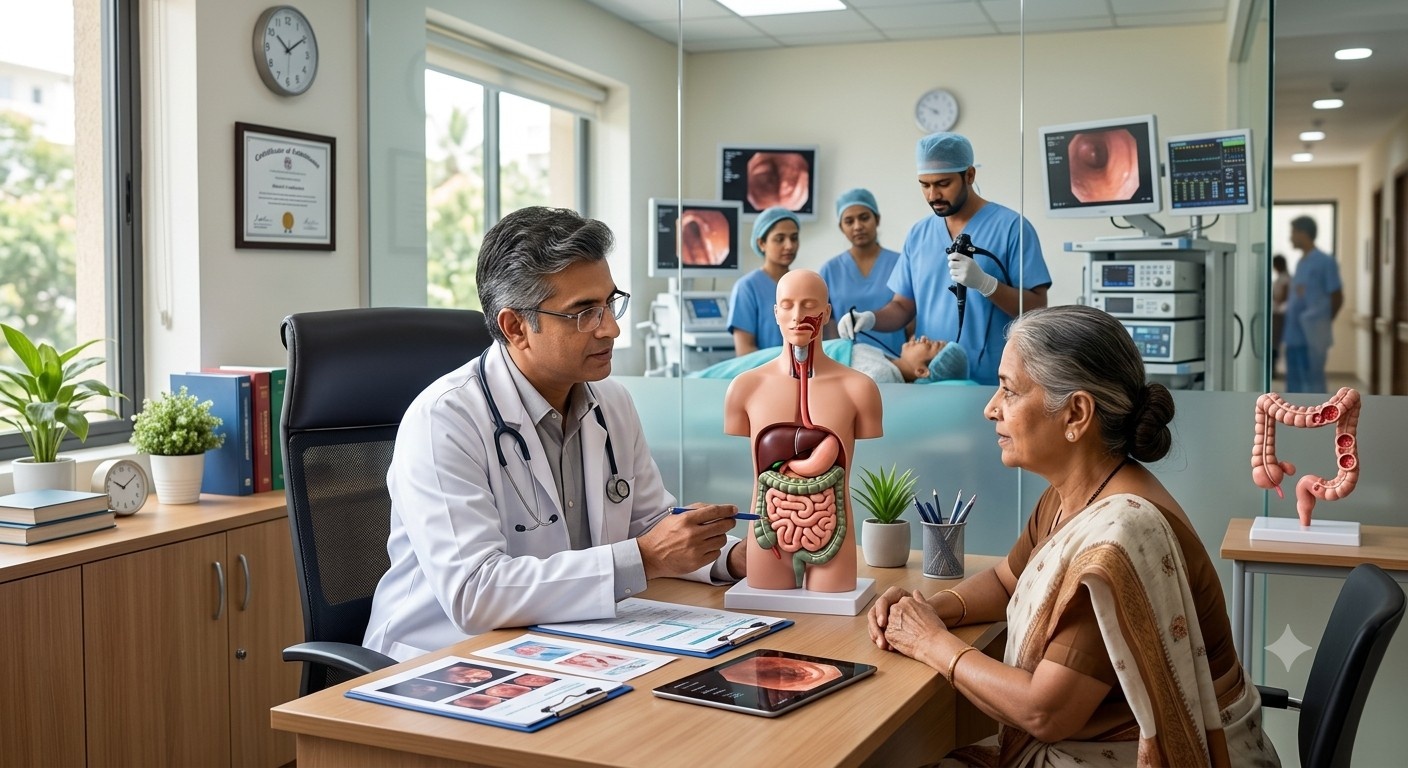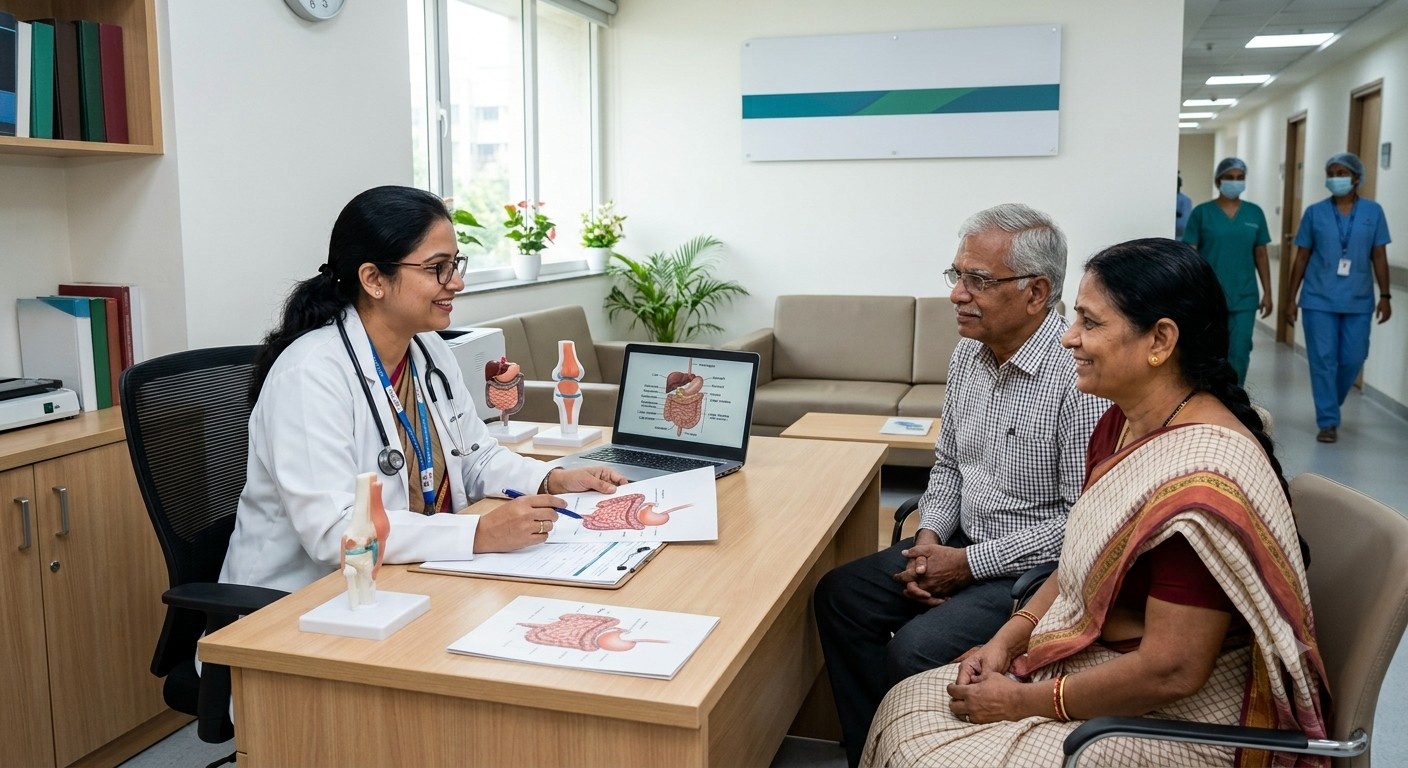
Shoulder problems can disrupt work, disturb sleep, and make everyday activities such as dressing or lifting objects difficult. When pain and stiffness fail to improve with medication or physiotherapy, surgery often becomes the most effective treatment option. Today, many patients are opting for advanced surgical techniques that focus on faster recovery and reduced discomfort. At Ananya Hospital, a trusted center for shoulder surgery bangalore, patients exploring treatment options often seek clarity on how modern procedures differ from traditional approaches. With the use of advanced technology and refined surgical methods, recovery at Ananya Hospital has become smoother, safer, and more predictable for many individuals.
Understanding Shoulder Joint Issues
The shoulder is designed for wide movement, making it one of the most flexible joints in the body. However, this flexibility also makes it prone to injuries and wear over time. Problems can develop due to sports injuries, accidents, repetitive strain, or age-related degeneration.
Some common conditions include:
- Rotator cuff tears
- Labral injuries
- Shoulder impingement
- Arthritis of the shoulder joint
- Recurrent shoulder dislocation
- Frozen shoulder in severe stages
When non-surgical treatments fail to relieve symptoms, surgery may be necessary to restore function and reduce pain.
Why Patients Trust Modern Shoulder Surgery Option in Bangalore
The shift toward Why Patients Prefer modern shoulder surgery options in bangalore is largely driven by improved outcomes, advanced tools, and patient-friendly approaches. These modern techniques focus not only on fixing the problem but also on making recovery faster and more comfortable.
Minimally Invasive Procedures
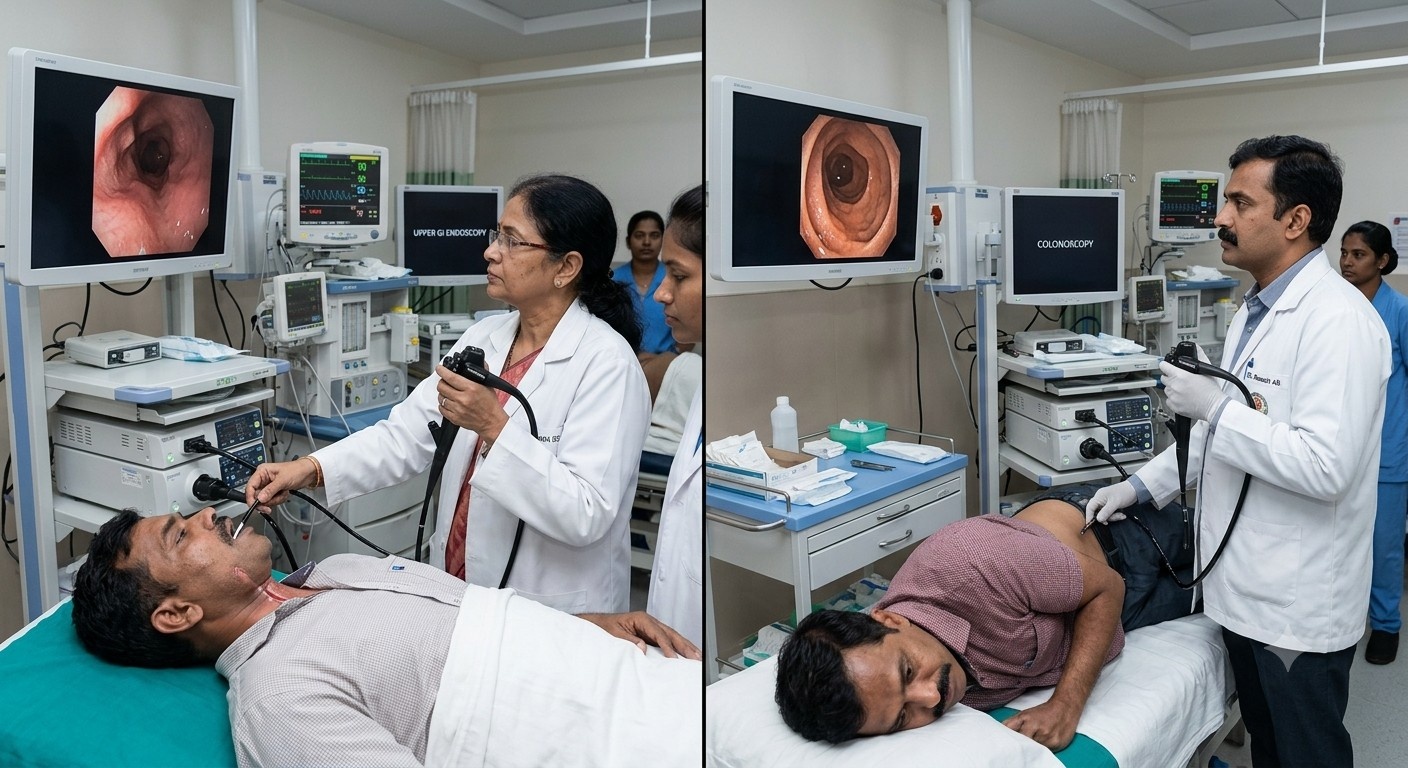
One of the biggest reasons patients prefer modern surgery is the use of arthroscopy. This method involves small incisions and a tiny camera that guides the surgeon. Compared to traditional open surgery, this approach causes less damage to surrounding tissues.
Benefits include:
- Smaller scars
- Reduced pain after surgery
- Lower risk of infection
- Shorter hospital stays
Faster Recovery Time
With less trauma to muscles and tissues, patients often recover more quickly. Early movement is encouraged, which helps reduce stiffness and speeds up return to daily activities.
Improved Surgical Precision
Advanced imaging systems and specialized instruments allow surgeons to see the joint clearly and repair damaged structures with high accuracy. This precision leads to better long-term results.
Reduced Hospital Stay
Many modern shoulder procedures allow patients to go home the same day or within a short hospital stay. This reduces stress and lowers the chances of hospital-related complications.
Conditions Treated with Modern Shoulder Surgery
Modern techniques can address a wide range of shoulder issues.
Rotator Cuff Repair
Arthroscopic repair of torn tendons helps restore strength and stability with minimal scarring.
Labral Repair
Injuries to the cartilage rim of the shoulder socket can be fixed using small instruments inserted through tiny cuts.
Shoulder Stabilization
For people with repeated dislocations, minimally invasive surgery can tighten loose ligaments and improve joint stability.
Shoulder Replacement
In advanced arthritis, partial or total shoulder replacement using improved implant materials provides long-lasting pain relief.
Better Pain Management Approaches
Pain control has improved significantly with modern medical practices. Regional anesthesia, nerve blocks, and targeted pain medications reduce discomfort immediately after surgery. This allows patients to start gentle movements earlier, which supports faster healing.
Importance of Rehabilitation in Modern Care
Modern shoulder surgery is closely linked with structured rehabilitation. Hospitals now focus on early physiotherapy programs that guide patients through safe exercises.
Early Movement
Gentle movements prevent stiffness and improve blood flow.
Gradual Strength Building
Therapists design step-by-step exercise plans to rebuild muscle strength without straining the healing tissues.
Continuous Monitoring
Regular follow-ups ensure recovery is progressing as expected and help address any concerns quickly.
Psychological Comfort for Patients
Smaller scars, shorter hospital stays, and quicker return to normal life also improve mental well-being. Many patients feel less anxious knowing that modern procedures are less invasive and have predictable recovery timelines.
Understanding what to expect before surgery builds confidence and reduces fear.
Technology Behind Modern Shoulder Surgery
Advanced operation theaters now use high-definition cameras, precision surgical tools, and improved implant materials. These advancements enhance safety and effectiveness.
Better sterilization methods and infection control measures further improve surgical success rates.
Who Can Benefit Most?
Modern shoulder surgery is especially beneficial for:
- Active individuals wanting to return to sports
- Working professionals needing quicker recovery
- Elderly patients who may not tolerate large surgeries well
- People with repeated shoulder injuries
However, not every patient requires surgery. Doctors carefully evaluate each case to decide the most suitable treatment.
Risks Still Exist
Even with modern techniques, some risks remain.
- Infection
- Stiffness
- Temporary swelling
- Rare nerve injury
Choosing experienced specialists and following post-operative instructions help reduce these risks.
Long-Term Outcomes
Modern shoulder surgery offers long-term pain relief and improved movement. Many patients regain the ability to perform daily tasks comfortably and return to hobbies they had given up due to pain.
Maintaining shoulder strength and avoiding strain after recovery helps protect the repaired joint.
FAQs
1. Is modern shoulder surgery safer than traditional surgery?
Modern techniques are designed to be less invasive, which often leads to reduced pain, faster healing, and lower risk of complications.
2. How long does recovery take after arthroscopic shoulder surgery?
Recovery time varies, but many patients return to light activities within a few weeks and continue improving over several months.
3. Will I need physiotherapy after shoulder surgery?
Yes, physiotherapy is an essential part of recovery and helps restore movement and strength.
4. Can elderly patients undergo modern shoulder surgery?
Yes, minimally invasive methods can be suitable for older patients, depending on their overall health.
5. Are the results of shoulder replacement permanent?
Shoulder implants are designed to last many years, especially when patients follow medical advice and avoid excessive strain.
Conclusion
Advances in medical technology and surgical techniques have significantly improved the treatment of shoulder conditions. Smaller incisions, precise surgical repairs, and quicker recovery timelines have made modern shoulder surgery a preferred option for many patients. Those seeking dependable and advanced care often choose Ananya Hospital, known for offering the best shoulder surgery treatment in bangalore, along with clear guidance on the latest procedures and structured rehabilitation programs. With expert analysis and customized treatment, patients at Ananya Hospital can eagerly await pain relief, mobility, and sustained shoulder function. To move ahead on the path to effective treatment and recovery, reach out today for expert advice and assistance.