A healthy digestive system is essential for overall health and well-being. It helps your body digest food, absorb nutrients, and remove waste efficiently. When the digestive system is not functioning properly, it can lead to symptoms such as stomach pain, acidity, bloating, constipation, diarrhea, nausea, or unexplained weight loss. While occasional digestive discomfort is common, persistent symptoms require medical attention.
Ananya Hospitals provides comprehensive gastroenterology care for patients experiencing a wide range of digestive disorders. With experienced specialists, advanced diagnostic facilities, and a patient-centered approach, the hospital focuses on accurate diagnosis and personalized treatment. Whether you have a common digestive problem or a more complex gastrointestinal condition, seeking timely medical care can make a significant difference. Ananya Hospitals is committed to helping patients achieve better digestive health through quality medical care and expert guidance.
What Is a Gastroenterologist?
A gastroenterologist is a specialist who diagnoses, treats, and helps prevent disorders affecting the digestive system.
The digestive system includes:
- Esophagus
- Stomach
- Small intestine
- Large intestine (colon)
- Rectum
- Liver
- Gallbladder
- Pancreas
These organs work together to digest food, absorb nutrients, and remove waste.
A gastroenterologist has specialized training to identify digestive disorders and recommend the most appropriate treatment for each patient.
Why Digestive Health Is Important
Your digestive system plays a vital role in keeping your body healthy.
A healthy digestive system helps:
- Absorb nutrients efficiently
- Support the immune system
- Maintain energy levels
- Eliminate waste properly
- Promote overall well-being
Ignoring digestive symptoms may lead to complications that become more difficult to treat over time.
What Conditions Does a Gastroenterologist Treat?
Gastroenterologists diagnose and treat a wide range of digestive disorders.
Some of the most common conditions include:
Acid Reflux (GERD)
Acid reflux occurs when stomach acid flows back into the esophagus, causing heartburn, chest discomfort, and a burning sensation.
Gastritis
Gastritis is the inflammation of the stomach lining. It may cause stomach pain, nausea, vomiting, bloating, and indigestion.
Peptic Ulcers
Peptic ulcers are open sores that develop in the stomach or upper part of the small intestine. They may cause burning stomach pain, nausea, and digestive discomfort.
Irritable Bowel Syndrome (IBS)
IBS (Irritable Bowel Syndrome) is a common disorder that affects the large intestine.
Symptoms include:
- Abdominal pain
- Bloating
- Constipation
- Diarrhea
- Gas
Inflammatory Bowel Disease (IBD)
IBD includes chronic inflammatory conditions such as:
- Crohn’s disease
- Ulcerative colitis
These conditions require long-term medical management.
Constipation
Persistent constipation can affect daily life and may indicate an underlying digestive disorder requiring medical evaluation.
Chronic Diarrhea
Diarrhea that lasts for several weeks should be medically evaluated to identify the underlying cause.
Liver Disorders
A gastroenterologist also treats liver-related conditions such as:
- Fatty liver disease
- Hepatitis
- Liver inflammation
- Cirrhosis
Early diagnosis helps prevent long-term liver damage.
Gallbladder Disorders
Common gallbladder conditions include:
- Gallstones
- Gallbladder inflammation
- Bile duct disorders
These conditions may require medication or surgical treatment depending on severity.
Pancreatic Disorders
The pancreas is an important organ that helps with digestion.
Common pancreatic diseases include:
- Pancreatitis
- Pancreatic cysts
- Pancreatic tumors
Proper diagnosis helps determine the most suitable treatment.
Gastrointestinal Bleeding
Bleeding anywhere in the digestive tract requires immediate medical evaluation.
Signs include:
- Blood in stools
- Black stools
- Vomiting blood
Prompt diagnosis helps prevent serious complications.
Common Symptoms That Need Medical Attention
Many digestive disorders begin with mild symptoms that gradually worsen.
Consult a gastroenterologist if you experience:
- Frequent acidity
- Persistent stomach pain
- Difficulty swallowing
- Constant bloating
- Blood in stools
- Chronic constipation
- Chronic diarrhea
- Nausea
- Vomiting
- Loss of appetite
- Unexplained weight loss
Early medical consultation helps identify the cause before complications develop.
How Does a Gastroenterologist Diagnose Digestive Disorders?
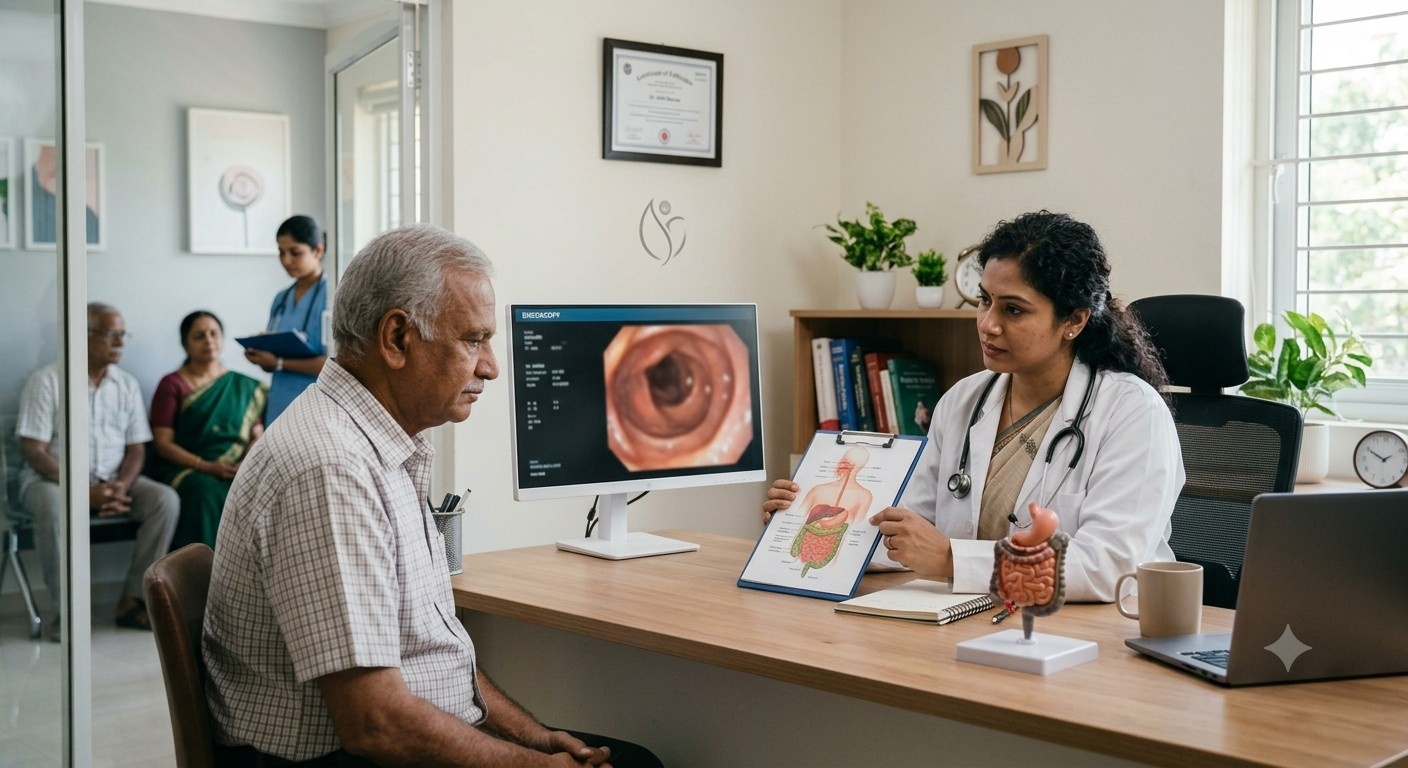
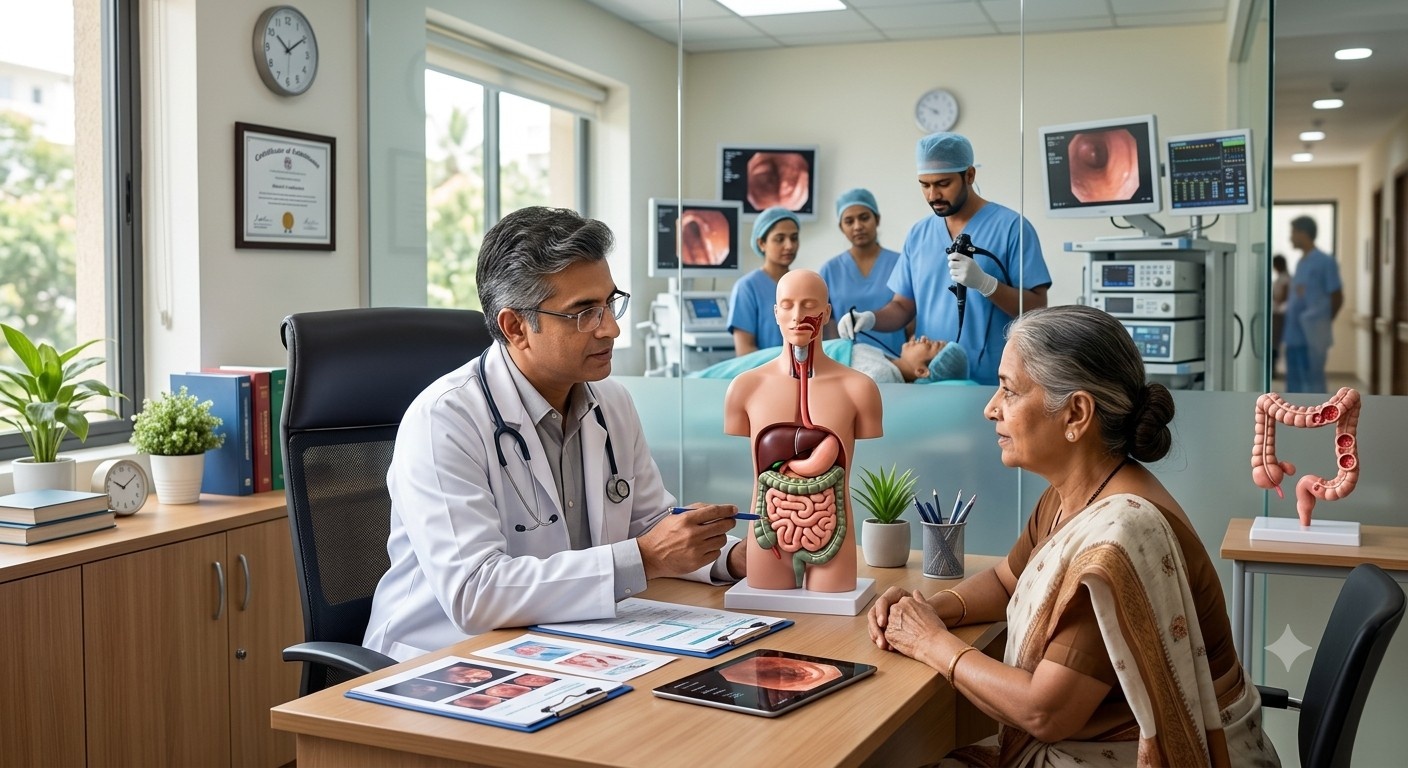
Diagnosis begins with a detailed medical evaluation.
The doctor may ask about:
- Your symptoms
- Medical history
- Family history
- Dietary habits
- Current medications
Depending on your condition, additional investigations may be recommended.
These include:
- Blood tests
- Ultrasound
- CT scan
- MRI
- Endoscopy
- Colonoscopy
- Stool examination
These investigations help doctors make an accurate diagnosis.
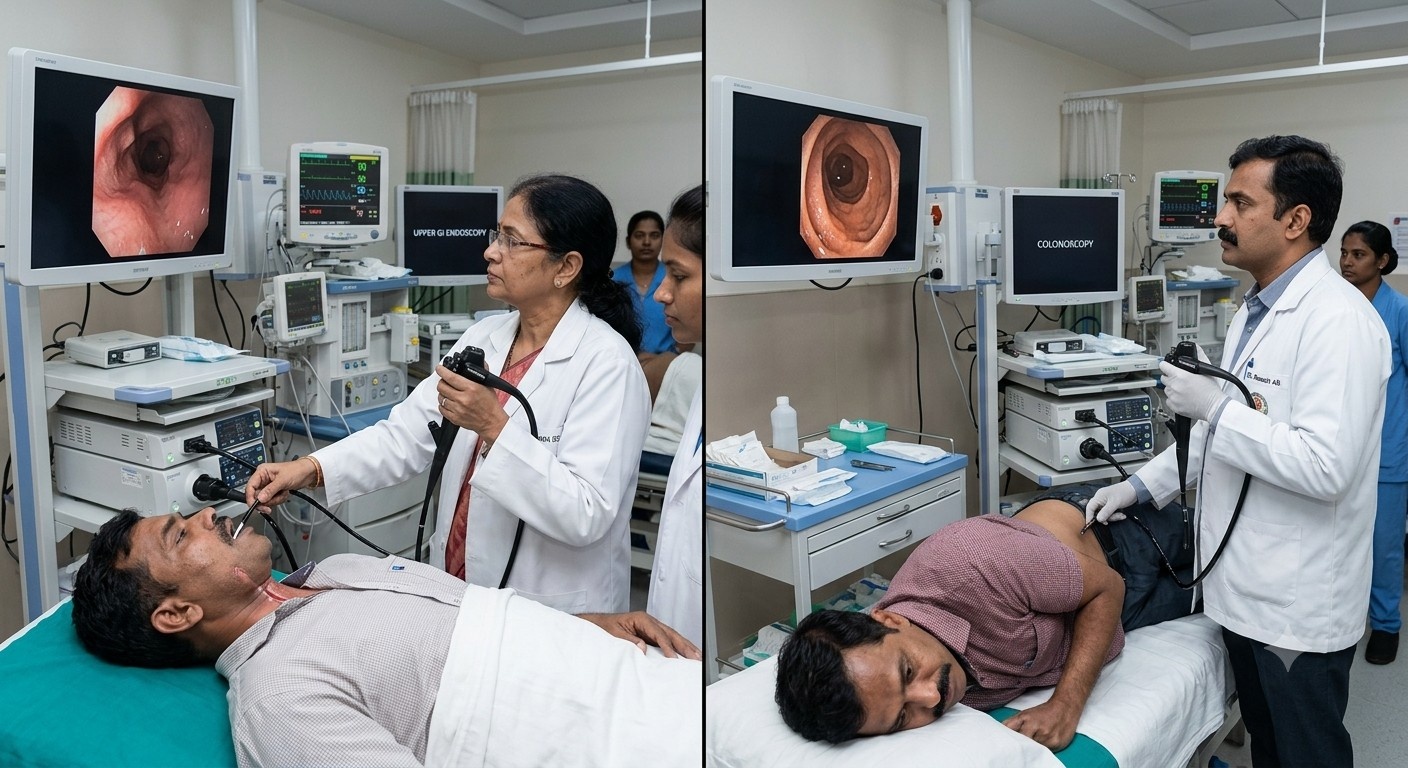
What Is an Endoscopy?
Endoscopy is a minimally invasive procedure that examines the upper digestive tract using a flexible tube with a small camera.
It helps diagnose conditions such as:
- Acid reflux
- Gastritis
- Stomach ulcers
- Bleeding
- Infections
- Tumors
The procedure is generally safe and usually takes only a short time.
What Is a Colonoscopy?
A colonoscopy is used to examine the large intestine and rectum.
Doctors recommend it for patients with:
- Blood in stools
- Persistent constipation
- Chronic diarrhea
- Colon cancer screening
- Inflammatory bowel disease
This procedure helps detect abnormalities at an early stage.
Treatment Options
Treatment depends on the underlying condition and severity of symptoms.
Common treatment methods include:
- Lifestyle modifications
- Healthy diet
- Medications
- Endoscopic procedures
- Long-term disease management
- Surgical referral when necessary
Patients searching for the Best Gastroenterologist Doctor in Bangalore often look for specialists who provide accurate diagnosis, personalized treatment, and long-term digestive care.
Healthy Habits for Better Digestive Health
Maintaining a healthy digestive system starts with simple daily habits.
Some useful tips include:
- Eat balanced meals.
- Drink enough water.
- Exercise regularly.
- Avoid smoking.
- Limit alcohol consumption.
- Eat more fiber-rich foods.
- Manage stress effectively.
- Get enough sleep.
- Avoid overeating.
- Attend regular health check-ups.
These habits can help improve digestion and reduce the risk of digestive disorders.
Why Early Diagnosis Matters
Many digestive disorders develop gradually and may not show severe symptoms in the beginning. Ignoring early warning signs can delay treatment and increase the risk of complications.Early detection of digestive problems helps doctors provide timely treatment and improve recovery.
Early diagnosis offers several benefits:
- Identifies the exact cause of symptoms
- Helps begin treatment sooner
- Prevents complications
- Improves treatment outcomes
- Supports long-term digestive health
- Reduces the need for more extensive treatment
Regular medical check-ups and prompt consultation are important for maintaining a healthy digestive system.
When Should You Seek Emergency Medical Care?
While many digestive conditions can be treated through planned consultations, some symptoms require immediate medical attention.
Seek emergency care if you experience:
- Severe abdominal pain
- Vomiting blood
- Blood in stools
- Black-colored stools
- Persistent vomiting
- Sudden abdominal swelling
- High fever with severe stomach pain
- Difficulty swallowing with breathing problems
Hospitals offering 24/7 Emergency Care Services in Rajajinagar can provide immediate evaluation and treatment for patients experiencing serious digestive emergencies.
Choosing the Right Gastroenterologist
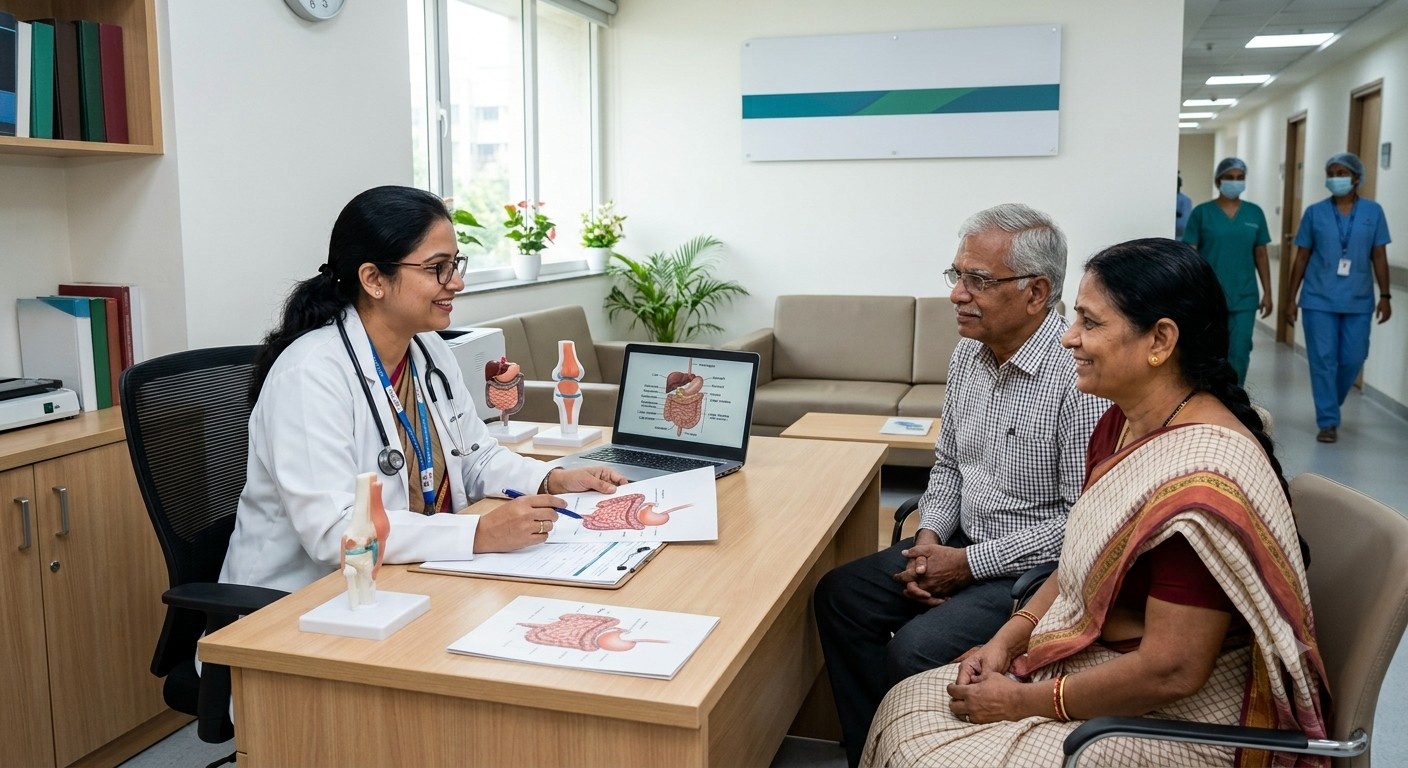
Selecting the right gastroenterologist is an important step toward receiving effective treatment.
When choosing a specialist, consider:
- Experience in treating digestive disorders
- Access to advanced diagnostic facilities
- Patient-centered care
- Clear communication
- Personalized treatment plans
- Availability of follow-up care
An experienced specialist can accurately diagnose digestive problems and recommend the most suitable treatment based on your condition.
Why Choose a Multispeciality Hospital?
Digestive disorders sometimes require care from multiple specialists. A multispeciality hospital provides access to different departments under one roof, ensuring coordinated treatment whenever needed.
Benefits include:
- Comprehensive diagnosis
- Advanced imaging and laboratory services
- Access to multiple specialists
- Better coordination of care
- Convenient follow-up appointments
- Personalized treatment plans
Patients looking for the Top Gastroenterologist Hospital in Bangalore often prefer hospitals that combine experienced specialists with modern technology and comprehensive medical services.
Can Digestive Disorders Be Prevented?
Although not all digestive diseases can be prevented, healthy lifestyle habits can significantly reduce the risk of many common conditions.
Simple preventive measures include:
- Eating nutritious meals
- Drinking adequate water
- Exercising regularly
- Avoiding smoking
- Limiting alcohol consumption
- Maintaining a healthy weight
- Managing stress
- Getting enough sleep
- Avoid taking painkillers without medical advice.
- Seeking medical attention for persistent digestive symptoms
Healthy daily habits contribute to better digestive function and overall well-being.
Living with a Chronic Digestive Disorder
Some digestive conditions, such as IBS, inflammatory bowel disease, or chronic liver disease, require long-term management rather than short-term treatment.
Managing these conditions successfully often involves:
- Taking medications as prescribed
- Following dietary recommendations
- Attending regular follow-up appointments
- Monitoring symptoms
- Making healthy lifestyle changes
With proper medical guidance, many people with chronic digestive disorders can continue to lead healthy and active lives.
Frequently Asked Questions
1. What does a gastroenterologist treat?
A gastroenterologist treats diseases affecting the digestive system, including the stomach, intestines, liver, gallbladder, pancreas, and esophagus.
2. When should I consult a gastroenterologist?
You should consult a gastroenterologist if you have persistent acidity, stomach pain, bloating, constipation, diarrhea, blood in stools, difficulty swallowing, or unexplained weight loss.
3. Is an endoscopy painful?
Endoscopy is generally a safe and minimally invasive procedure. Most patients receive medication to remain comfortable during the examination.
4. Can digestive disorders be cured?
Many digestive conditions can be successfully treated or managed with medication, lifestyle changes, and regular medical follow-up, depending on the underlying cause.
5. How can I keep my digestive system healthy?
Maintaining a balanced diet, drinking enough water, exercising regularly, managing stress, and attending routine health check-ups can help support long-term digestive health.
Conclusion
Digestive health plays a vital role in your overall quality of life. Recognizing persistent digestive symptoms early and seeking timely medical care can help ensure early diagnosis and effective treatment.Whether it is a common condition such as acidity or a complex gastrointestinal disease, receiving the right diagnosis and treatment at the right time can lead to better health outcomes.
Ananya Hospitals is committed to providing comprehensive gastroenterology care through experienced specialists, advanced diagnostic facilities, and personalized treatment plans. From routine digestive concerns to complex gastrointestinal conditions, patients receive compassionate and evidence-based care tailored to their needs. Contact Ananya Hospitals to schedule a consultation and receive expert digestive healthcare. Ananya Hospitals continues to support patients with quality medical services focused on improving digestive health and overall well-being.