Somebody in the house gets a fever in late July and the household immediately splits into two camps. One says give it two days, it’s just a viral. The other wants a blood test tonight. Both can be right, depending on the symptoms. Monsoon infections in Bangalore cover a wide range, from a three-day viral that needs nothing but rest to dengue that needs daily monitoring. Ananya Hospital provides medical evaluation and treatment support for patients experiencing seasonal infections and monsoon-related illnesses.
The difference isn’t always obvious on day one. But there are patterns worth knowing, and a small set of signs that should always shorten your decision-making
What Changes in the City Once the Rain Sets In
The rains alter three things at once. Standing water multiplies across balconies, construction sites and blocked drains, giving mosquitoes places to breed. Water supply gets less predictable, and contamination risk rises wherever old pipes sit close to drains. And people crowd into poorly ventilated rooms, which helps respiratory viruses move.
None of this is unusual for a South Indian city. What’s specific here is the length of the wet season. Rain arrives around June and lingers into October, often followed by a second damp spell. That gives monsoon infections in Bangalore a long runway rather than one sharp peak, which is why cases trickle in for months.
Monsoon Infections in Bangalore: The Main Culprits
Three broad routes of transmission cover almost everything you’re likely to encounter.
Mosquito-Borne
Dengue leads the list. Chikungunya follows, and malaria appears occasionally, more often in people returning from travel. Aedes mosquitoes bite during daylight hours, especially early morning and late afternoon, so the usual night-time precautions miss them entirely.
Water and Food-Borne
Typhoid, hepatitis A and acute gastroenteritis. These follow contaminated water or food handled with it. Street-side cut fruit, juices with ice of unknown origin, and salads washed in untreated water are the common entry points.
Damp and Air-Borne
Influenza, throat infections, worsening asthma, and fungal skin problems in the feet and skin folds. Damp walls and poor ventilation make homes friendlier to mold, which matters if anyone has allergic airways.
Seasonal Infection Symptoms: Reading the First 72 Hours
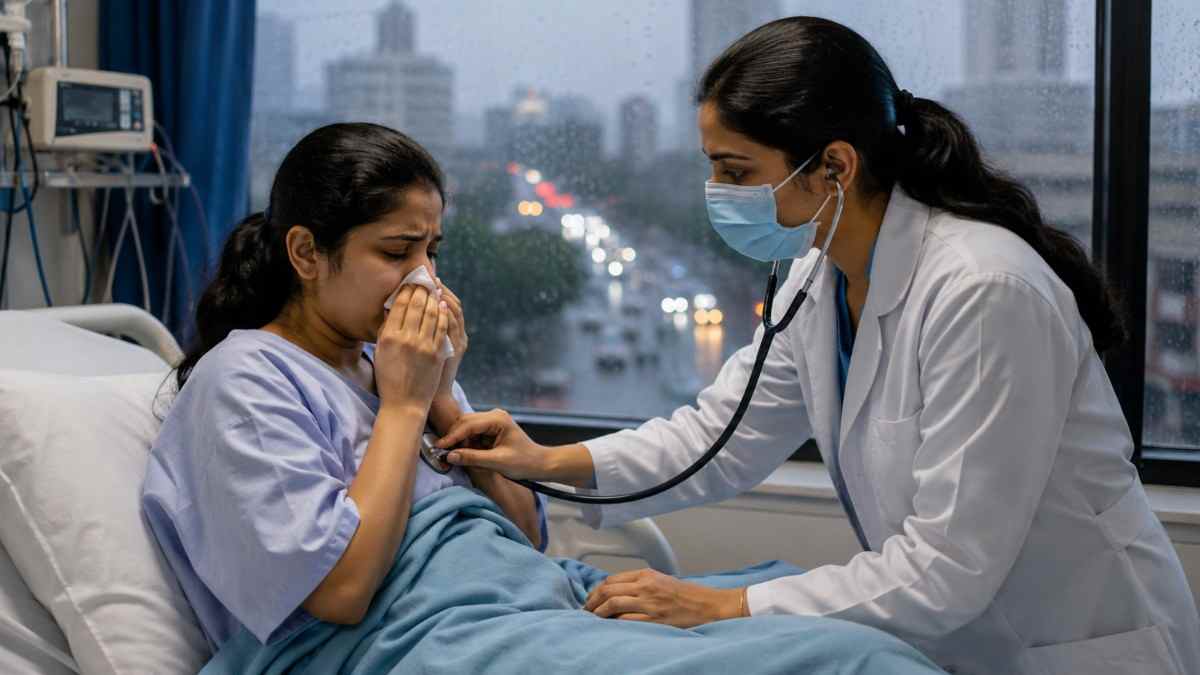
You can’t separate monsoon infections in Bangalore by symptoms alone, and self-diagnosis is where families lose time. Still, the shape of the illness in the first three days is informative and worth describing precisely to a doctor.
| Pattern in the first 72 hours | Often points toward |
| Sudden high fever with severe body ache and eye pain | Dengue |
| Fever with painful, swollen joints | Chikungunya |
| Fever climbing gradually with poor appetite, abdominal discomfort | Typhoid |
| Vomiting and diarrhoea starting within hours of a meal | Gastroenteritis |
| Sore throat, dry cough, muscle ache | Influenza or other viral |
| Fever with severe calf pain after wading in floodwater | Leptospirosis |
Two things to note. Dengue’s most delicate phase often begins as the fever settles, roughly day four to six, not at its peak. And typhoid rarely announces itself dramatically, so a fever that keeps creeping up over five days deserves a blood culture rather than more patience.
Monsoon Infections in Bangalore: Red Flags You Shouldn’t Wait On
Most seasonal infection symptoms settle on their own. These don’t, and waiting them out is the main way a manageable illness becomes a hospital admission.
- Fever beyond three days with no sign of improvement
- Persistent vomiting, or inability to keep fluids down
- Very little urine over eight to twelve hours
- Severe abdominal pain, especially under the right ribs
- Bleeding gums, nosebleeds, black stools or unexplained bruising
- Breathlessness, chest tightness, drowsiness or confusion
- Cold, clammy hands with a rapid pulse
- Any fever in a newborn, or in someone pregnant, elderly, diabetic or on immune-suppressing medication
Avoid ibuprofen and aspirin for an undiagnosed fever during the rains, since they increase bleeding risk if dengue turns out to be the cause. Paracetamol at a doctor-advised dose is the safer default. Skip leftover antibiotics too, because most monsoon infections in Bangalore are viral and antibiotics simply add side effects.
Monsoon Disease Prevention That Actually Works
Prevention here is repetitive rather than clever. The households that stay well are usually the ones doing dull things consistently.
- Do a weekly water walk. Balcony saucers, terrace buckets, discarded containers, pet bowls and coolers all count. Empty and scrub rather than just tipping out.
- Use mosquito repellent in the daytime, not only at night, and keep mesh screens intact.
- Boil or filter drinking water, and be stricter about it for a few days after any supply interruption or pipeline work.
- Wash and cut fruit at home instead of buying it pre-cut.
- Carry a spare pair of socks in the monsoon. Damp feet all day is how fungal infections start.
- Ventilate bathrooms and wardrobes, and treat damp patches on walls early.
Vaccination is worth a conversation with your doctor. Typhoid, hepatitis A and annual influenza vaccines are relevant for many families, especially households with young children or older adults. There’s no dengue vaccine in routine use in most settings, so mosquito control carries that part of monsoon disease prevention instead.
If Someone at Home Already Has a Fever
Separate towels, keep the person under a mosquito net during daylight for the first week, and push oral fluids steadily. In dengue, a person who is bitten can pass the virus onward through mosquitoes, so protecting them protects everyone else in the flat.
Choosing a Doctor for Monsoon Infections
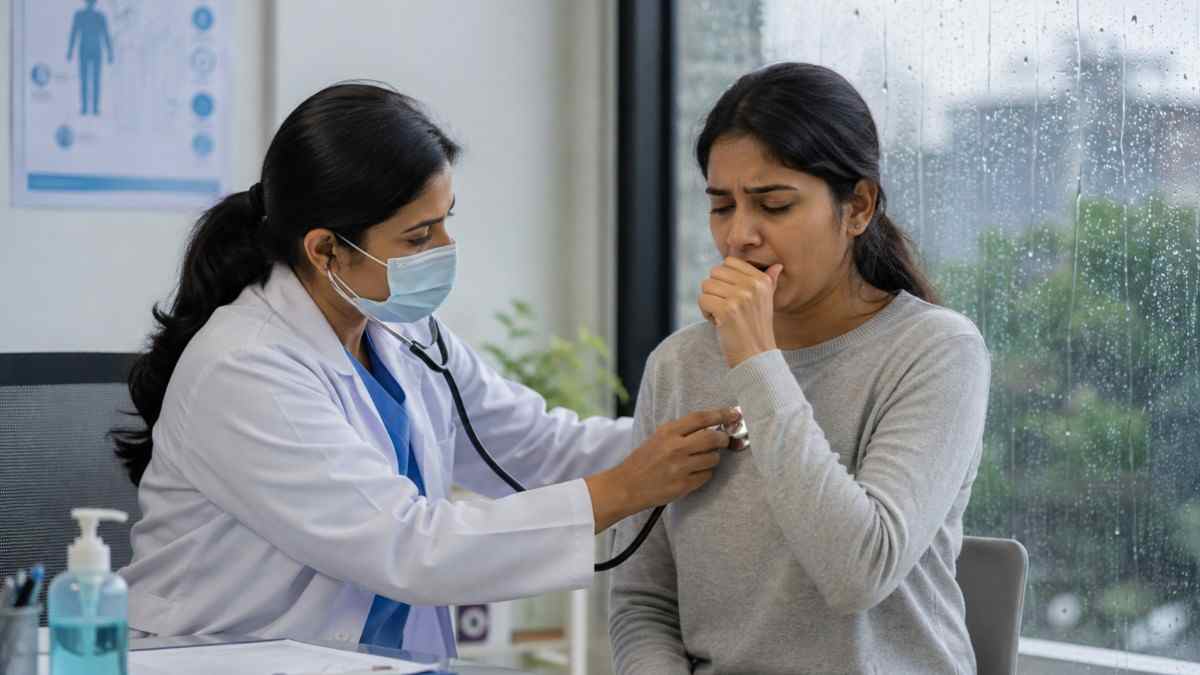
For a first fever with no red flags, a general physician or paediatrician is the right starting point. They’ll take a history, examine, and order tests only if the picture warrants it. Rushing straight to a specialist rarely speeds things up and often means repeating the same basics.
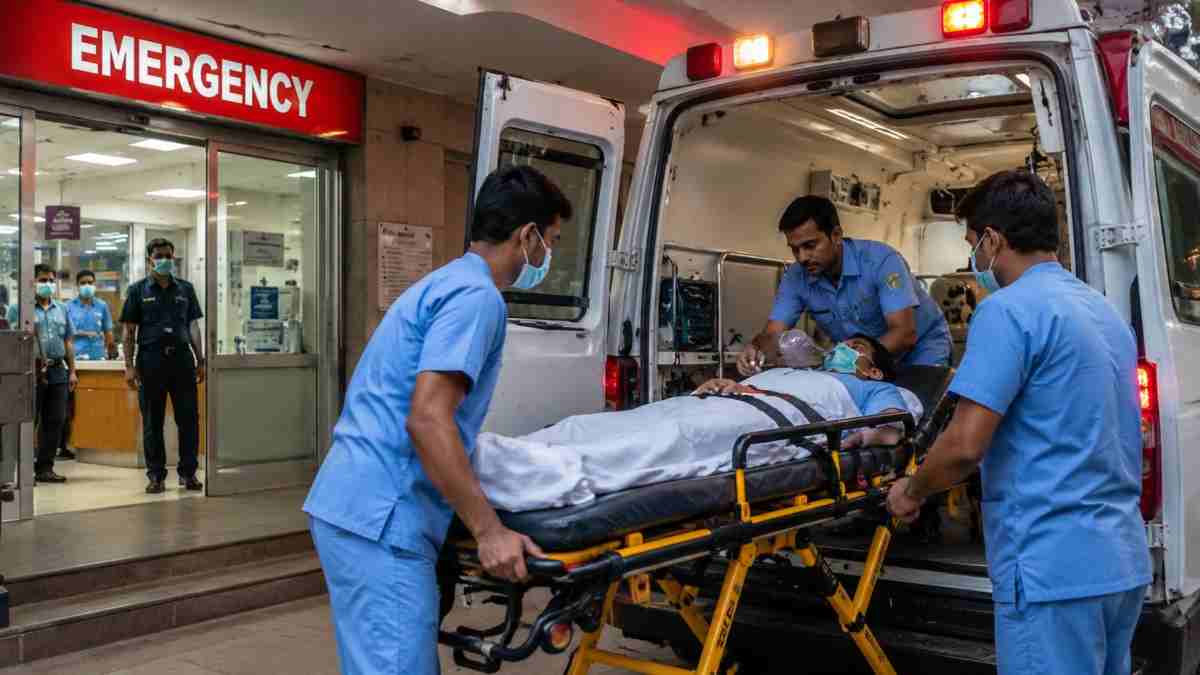
Go directly to a hospital for monsoon illnesses if red flags are present, if the person is very young or frail, or if vomiting has made fluids impossible at home. In heavy rain, travel time matters more than reputation, so check in advance which nearby hospital for monsoon illnesses runs a round-the-clock emergency department.
Carry existing prescriptions and recent reports. A good doctor for monsoon infections will want to know about diabetes, heart disease, pregnancy or immune-suppressing drugs first.
What Monsoon Illness Treatment in Bangalore Usually Involves
Most of it is supportive rather than dramatic. Fluids, fever control, rest, and repeat blood counts where dengue is suspected. Typhoid and confirmed bacterial infections need a proper antibiotic course, finished fully even after you feel better. Gastroenteritis mostly needs oral rehydration and patience.
Admission is a monitoring decision more than a severity verdict. Someone with dengue who can’t drink enough may spend a day or two on intravenous fluids and go home fine. Costs for monsoon illness treatment in Bangalore vary with the tests required and length of stay, so ask for an indicative estimate.
Why Choose Ananya Hospital for Monsoon Illness Treatment in Bangalore?
Choosing a hospital for monsoon-related illness is about having access to appropriate medical assessment when symptoms become difficult to manage at home. Ananya Hospital provides a hospital-based setting for patients requiring medical consultation, diagnostic evaluation and treatment support for seasonal and monsoon-related illnesses. Patients can seek appropriate medical guidance based on their symptoms, medical history and the severity of their condition. For families looking for a hospital for monsoon illnesses in Bangalore, Ananya Hospital can provide a convenient option for timely medical assessment and care.
This article is general information only. Please consult a qualified doctor about your own symptoms and history.
Frequently Asked Questions
How soon should I get a blood test for a monsoon fever?
If fever persists past 48 to 72 hours, or comes with severe body ache, vomiting or bleeding signs, get tested rather than wait. Dengue antigen tests are most reliable in the first few days. Earlier testing sometimes gives a false reassurance, which is why timing matters.
Are monsoon infections in Bangalore contagious between family members?
It depends on the route. Flu and gastroenteritis spread person to person, so handwashing and separate towels help. Dengue and chikungunya spread only through mosquito bites, not direct contact, though an infected person in the house raises risk for everyone if mosquitoes are around.
Can I go to work with a mild monsoon fever?
Better not, for two reasons. You may be infectious if it’s viral, and rest genuinely shortens recovery. Dengue in particular can deteriorate around day four, and being at home means someone notices sooner. Most doctors suggest staying in until you’ve been fever-free for a full day.
Do air purifiers help during the rainy season?
They can reduce indoor mould spores and dust, which helps people with asthma or allergic rhinitis. They do nothing for mosquito-borne or water-borne illness. Fixing damp walls, drying wet clothes outside the bedroom and keeping rooms ventilated usually achieves more for less money.
Conclusion
The pattern is fairly consistent every year. Mosquito-borne fevers, contaminated water, and damp-driven chest and skin trouble, spread across four or five months rather than one dramatic week. Sensible handling of monsoon infections in Bangalore comes down to three habits: cut the breeding sites around your home, be disciplined about drinking water and street food, and treat a fever that lasts beyond three days as a reason to get checked rather than a reason to wait. Most people recover completely. The ones who struggle are usually those who ignored vomiting, breathlessness or a fever that simply kept going. Ananya Hospital provides medical support for patients who need professional assessment during monsoon illness.
If someone at home has a fever you’re unsure about, an early conversation with a qualified doctor is the quickest way to get clarity. Ananya Hospital can provide timely medical assessment and guidance when monsoon symptoms require professional attention. Contact Ananya Hospital to discuss your symptoms and seek appropriate medical care. Follow Ananya Hospital on Instagram for health information, monsoon illness prevention tips and hospital updates.