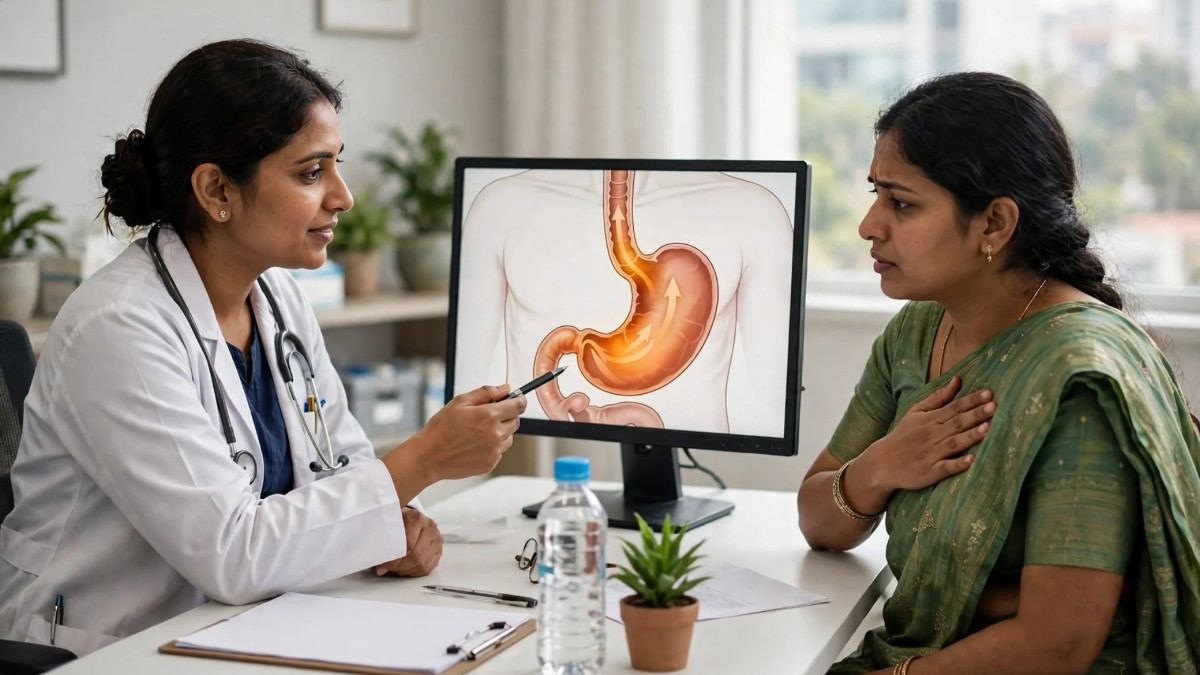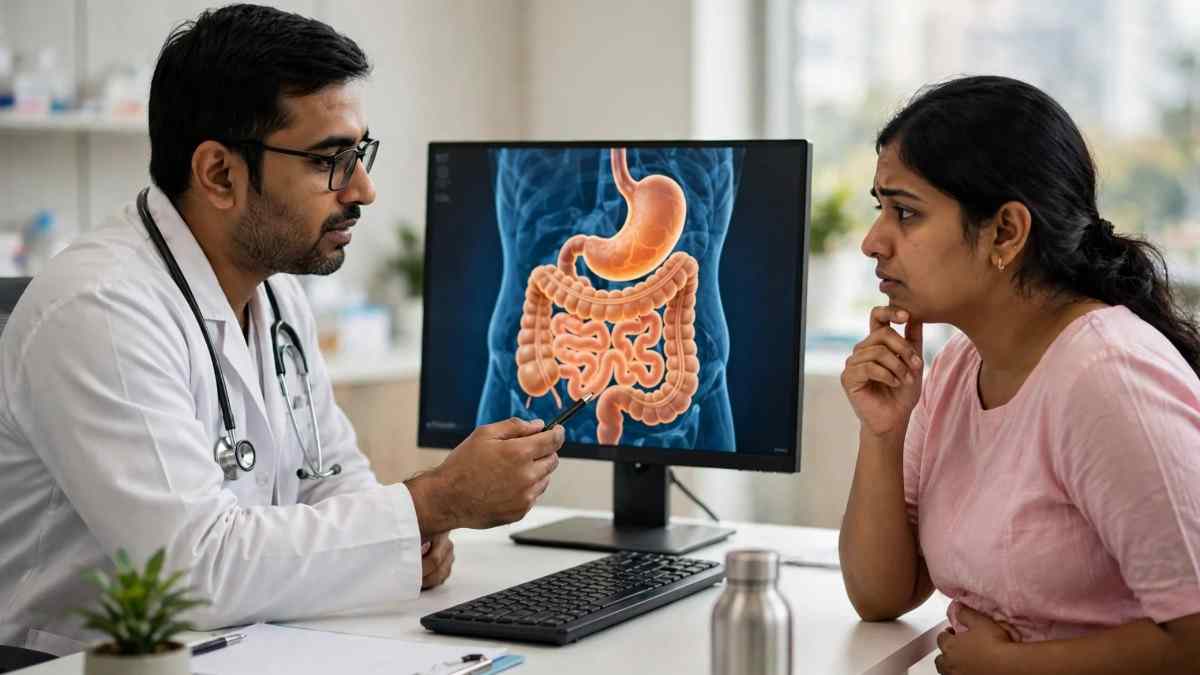
In today’s busy lifestyle, work demands, personal responsibilities, and inadequate sleep can contribute to stress and affect overall well-being. However, when stress becomes frequent, it can affect more than your mood. Stress can also affect digestion, appetite, bowel movements, and overall gut health. Understanding how stress influences the digestive system can help you recognize symptoms early and adopt healthier habits. At Ananya Hospitals, patients can access gastroenterology care for various digestive concerns, while Ananya Hospitals emphasizes the importance of maintaining good digestive health for overall well-being.
How Does Stress Influence the Digestive System?
The brain and digestive system communicate continuously through a network known as the gut-brain axis. This connection helps regulate digestion, intestinal movement, appetite, and the way the body responds to discomfort.
When you experience stress, your body activates its natural fight-or-flight response. Stress hormones and signals from the nervous system can temporarily change how the digestive tract functions.
Stress can influence the digestive system in different ways, affecting how the gut functions and responds to food. Common effects include:
- Changes in Digestion: Stress may slow down digestion or speed up intestinal movement.
- Abdominal Discomfort: It can increase sensitivity to stomach pain, cramps, and bloating.
- Changes in Appetite: Some people may eat less, while others may experience increased cravings or overeating.
- Gut Microbe Changes: Prolonged stress may influence the balance of beneficial and other microorganisms in the gut.
- Worsening Digestive Symptoms: Stress can aggravate existing conditions, such as acid reflex or irritable bowel syndrome (IBS).
These effects may become more noticeable during stressful situations, such as exams, tight work deadlines, or periods of emotional pressure.
Common Digestive Problems Caused or Worsened by Stress
Stress does not affect everyone in the same way. Some people experience mild discomfort, while others notice recurring digestive symptoms during stressful periods.
Indigestion and Stomach Discomfort
Indigestion may lead to upper abdominal discomfort, a heavy feeling after meals, nausea, and frequent burping. Stress may make these symptoms more noticeable by affecting digestive activity and increasing sensitivity to sensations in the stomach.
Eating in a hurry, missing meals, consuming rich foods, and drinking excessive amounts of caffeine can contribute to indigestion, especially during stressful periods.
If you regularly experience stomach discomfort or heaviness after meals, consulting an indigestion specialist in Bangalore can help identify the underlying cause and guide you towards appropriate treatment.
Acidity and Acid Reflux
Stress can worsen heartburn and acid reflex in some people, particularly when combined with irregular eating habits, late-night meals, smoking, or excessive caffeine consumption.
Common symptoms include:
- A burning sensation in the chest after eating.
- A sour or unpleasant taste in the mouth.
- Regurgitation of food or stomach fluids into the throat.
- Discomfort that becomes worse when lying down.
- Frequent burping or upper abdominal discomfort.
Stress is not the only cause of acid reflex, and persistent symptoms should not automatically be attributed to anxiety.
Bloating and Excessive Gas
Do you experience increased bloating or abdominal discomfort during stressful periods? Changes in gut movement, increased sensitivity, swallowing more air, and changes in eating habits may all contribute.
Stress-related bloating may be accompanied by abdominal pressure, rumbling sounds, and excessive gas. Eating at a relaxed pace, taking time to chew your food properly, and avoiding foods that trigger digestive symptoms can help ease stomach discomfort.
Constipation and Diarrhea
Stress can affect how quickly food passes through the digestive tract and how waste moves through the intestines. In some people, digestion slows down and causes constipation. In others, intestinal activity increases, leading to loose stools or diarrhoea.
Possible symptoms include:
- Infrequent bowel movements.
- Hard or difficult-to-pass stools.
- Frequent urges to use the toilet.
- Abdominal cramps.
- Changes in stool consistency during stressful periods.
Ongoing changes in bowel movements should be checked by a doctor, especially if they occur alongside abdominal pain, blood in the stool, or unexplained weight loss.
How Does Stress Affect Gut Health?
Gut health depends on several factors, including normal intestinal movement, the gut lining, immune activity, and the microorganisms that live in the digestive tract.
Long-term stress may influence these processes. It can affect communication between the brain and gut, change intestinal sensitivity, and contribute to changes in the gut microbiome. The impact of stress on gut health differs from person to person, and researchers are still exploring its effects on the digestive system.
Stress may also indirectly affect gut health by encouraging habits such as irregular meals, inadequate sleep, reduced physical activity, or increased alcohol consumption.
Following a healthy daily routine may improve digestion, but persistent digestive problems may require medical evaluation and appropriate treatment.
Can Stress Worsen Irritable Bowel Syndrome (IBS)?
Irritable bowel syndrome (IBS) is a common digestive disorder that may cause repeated stomach pain, bloating, constipation, diarrhoea, or alternating changes in bowel movements.
Stress can make irritable bowel syndrome (IBS) symptoms worse, although it is not the only cause of the condition. People with IBS may have a more sensitive digestive system, which can cause normal bowel movements to trigger discomfort, abdominal pain, or cramps.
Stress management can help control IBS symptoms and improve digestive health. Depending on the severity of symptoms, treatment may include dietary changes, regular exercise, relaxation techniques, psychological support, or prescribed medication.
It is important to seek a proper assessment rather than assuming that recurring abdominal symptoms are caused by stress alone.
What Are the Warning Signs of Stress-Related Digestive Problems?
Occasional stomach discomfort during a stressful situation may settle once the situation passes. However, persistent symptoms should be evaluated to rule out other digestive conditions.
Watch for symptoms such as:
- Frequent indigestion or heartburn.
- Repeated abdominal pain or bloating.
- Ongoing constipation or diarrhoea.
- Nausea that continues or keeps returning.
- Changes in appetite or unexplained weight loss.
- Digestive problems that disrupt your sleep or affect your daily routine.
Seek urgent medical attention if you experience severe or sudden abdominal pain, vomiting blood, black or bloody stools, fainting, or signs of significant dehydration.
How Can You Reduce Stress and Improve Digestion?
Managing stress and adopting healthy daily habits may help reduce digestive discomfort. The most suitable approach depends on your symptoms, routine, and underlying health.
Eat Meals at Regular Times
Skipping meals or eating in a hurry can make digestive symptoms worse for some people. Try to maintain regular meal times and eat slowly, giving yourself enough time to chew your food properly.
Pay attention to foods that consistently trigger discomfort rather than following unnecessarily restrictive diets.
Stay Physically Active
Regular movement can support normal bowel function and help manage everyday stress. Walking, cycling, swimming, or other activities you enjoy can be useful.
Even a short walk after meals may help you maintain an active routine.
Practise Relaxation Techniques
Relaxation techniques can help reduce the body’s response to stress and may improve symptoms in some people.
Consider incorporating the following into your routine:
- Deep breathing exercises.
- Meditation or mindfulness.
- Gentle yoga or stretching.
- Short breaks during demanding workdays.
- Activities that help you relax and unwind.
Consistency is more important than choosing a complicated technique.
Get Enough Sleep
Poor sleep can increase stress and may make digestive symptoms harder to manage. Try to maintain a regular sleep schedule and create a relaxing bedtime routine.
If you experience acid reflex, avoid lying down immediately after meals and consider finishing dinner a few hours before bedtime.
Limit Common Digestive Triggers
Excess caffeine, alcohol, smoking, large meals, and foods that personally trigger symptoms may worsen digestive discomfort.
Keep track of your symptoms and daily habits to identify possible patterns. If symptoms continue despite lifestyle changes, seek medical advice.
How Are Stress-Related Digestive Problems Diagnosed?
There is no single test that confirms that stress is the cause of every digestive symptom. A doctor usually begins by understanding the patient’s symptoms, medical history, eating habits, medications, stress levels, and bowel patterns.
Depending on the findings, the evaluation may include:
- Blood tests: To look for anaemia, inflammation, or other abnormalities when indicated.
- Stool tests: To investigate possible infections, bleeding, or other intestinal problems.
- H. pylori testing: When symptoms suggest a possible stomach infection.
- Ultrasound or other imaging: When the doctor suspects a condition involving abdominal organs.
- Endoscopy or colonoscopy: When needed to examine the digestive tract more closely.
A digestive system test is selected according to the patient’s symptoms and clinical assessment. Not everyone with stress-related indigestion needs extensive investigations, and the doctor will decide which tests are appropriate.
When Should You Consult a Gastroenterologist?
You should consider consulting a gastroenterologist if digestive symptoms are frequent, persistent, worsening, or affecting your everyday life.
Professional evaluation is particularly important if you have unexplained weight loss, difficulty swallowing, recurrent vomiting, persistent diarrhoea, or symptoms that repeatedly wake you from sleep.
For people looking for digestive problems treatment in Rajajinagar, a gastroenterology consultation can help assess the symptoms, identify possible underlying causes, and guide further testing or treatment.
Early assessment can help distinguish stress-related digestive discomfort from conditions that require specific medical care.
Gastroenterology Care at Ananya Hospital
Digestive symptoms can have several causes, and finding the right approach begins with understanding the patient’s individual condition. Ananya Hospital offers gastroenterology services for digestive concerns involving the stomach, intestines, liver, pancreas, and other parts of the gastrointestinal system.
The hospital’s gastroenterology services include the assessment and management of conditions such as acid reflex, gastric and intestinal disorders, and other digestive problems.
A consultation may help patients understand their symptoms, determine whether investigations are needed, and explore suitable treatment options. Patients experiencing persistent digestive discomfort can contact the hospital to enquire about an appointment with its gastroenterology team.
Frequently Asked Questions
Can stress cause digestive problems?
Yes. Stress can affect communication between the brain and digestive tract, changing gut movement and increasing sensitivity to pain, bloating, and other digestive symptoms.
Can anxiety cause acidity and indigestion?
Anxiety and stress may worsen indigestion and acid reflex symptoms in some people. However, persistent acidity should be assessed to identify other possible causes.
Does stress affect bowel movements?
Yes. Stress can speed up or slow down intestinal movement, potentially contributing to diarrhoea, constipation, cramps, or changes in bowel habits.
Can stress damage gut health?
Long-term stress may influence gut movement, intestinal sensitivity, and the gut microbiome. However, the effects vary between individuals, and digestive symptoms should not automatically be attributed to stress.
How can I improve digestion during stressful periods?
Try eating regular meals, staying hydrated, exercising, getting adequate sleep, and practising relaxation techniques. Seek medical advice if symptoms persist or worsen.
When should I see a gastroenterologist?
Consult a gastroenterologist if you experience recurring indigestion, persistent bloating, ongoing bowel changes, or abdominal pain. Seek urgent care for severe pain, gastrointestinal bleeding, or other serious warning signs.
Conclusion
Stress and digestive health are closely connected through the gut-brain axis. While occasional stress may cause temporary stomach discomfort, ongoing stress can contribute to indigestion, bloating, acidity, constipation, diarrhoea, and worsening symptoms of existing digestive conditions. Regular meals, adequate sleep, physical activity, and relaxation techniques may help support better digestion. However, persistent symptoms should be evaluated rather than dismissed as stress-related. Ananya Hospital provides gastroenterology care to help patients understand and manage digestive concerns, while Ananya Hospital encourages individuals to seek appropriate medical guidance when symptoms continue or interfere with daily life. Taking care of both mental well-being and digestive health is an important step towards maintaining overall health.
Follow us on Instagram : Stay connected with Ananya Hospital for digestive-health information, preventive-care tips, and healthcare updates.
Disclaimer: The information provided in this article is for educational and informational purposes only and should not be construed as professional medical advice, diagnosis, or treatment. Always seek the advice of your physician or qualified healthcare provider with any questions you may have regarding a medical condition.