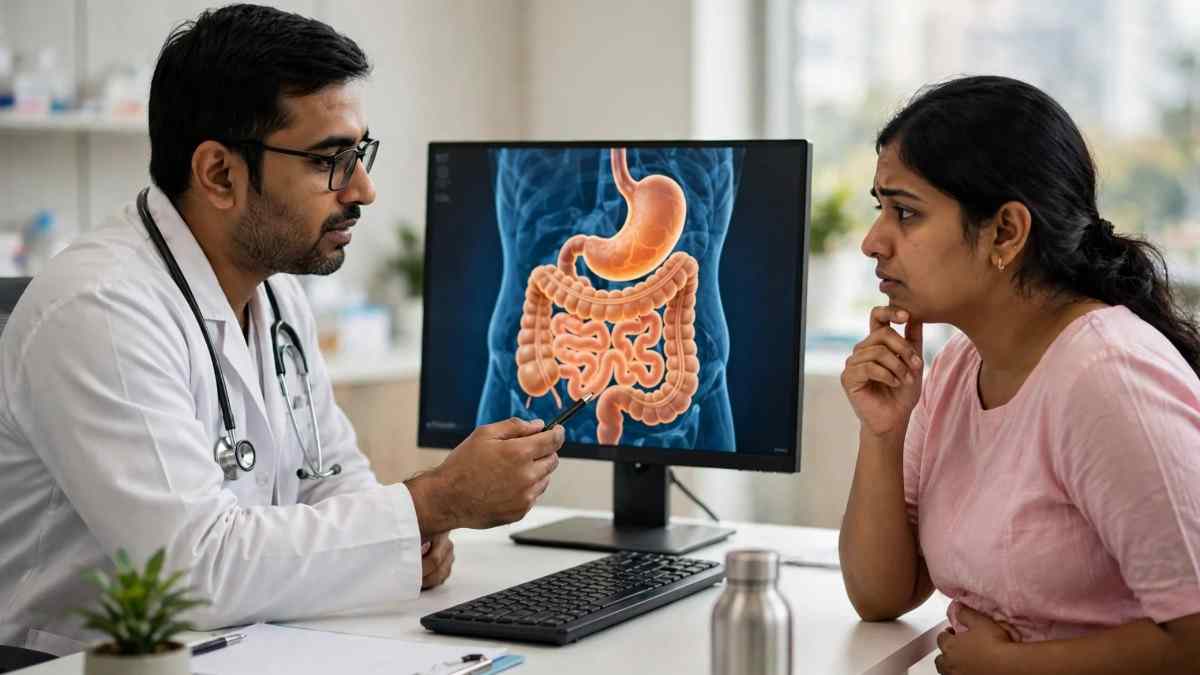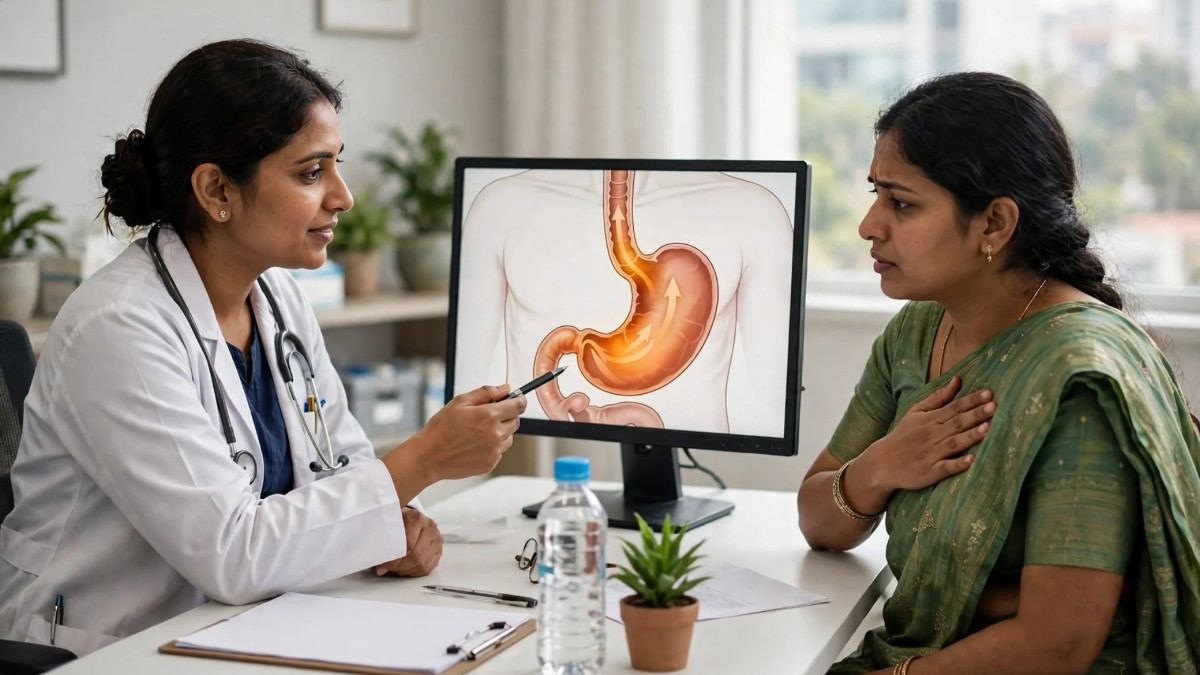
Have you ever experienced a burning sensation in your chest after eating, a sour taste in your mouth, or discomfort when lying down? These symptoms could indicate acid reflux, a common digestive condition in which stomach acid flows back into the oesophagus (food pipe). Occasional symptoms may not be a major concern, but frequent episodes can affect your comfort, sleep, and daily routine. At Ananya Hospitals, digestive health is an important part of patient care. Ananya Hospitals focuses on helping patients understand digestive concerns and seek appropriate medical attention through its healthcare services. Knowing the causes, symptoms, and available options for acid reflux treatment can help you take the right steps towards better digestive health.
What Is Acid Reflux?
Acid reflux occurs when stomach acid flows backwards into the oesophagus, the tube that carries food from your mouth to your stomach. Normally, a muscular ring called the lower oesophageal sphincter (LES) opens to allow food into the stomach and then closes to prevent stomach contents from coming back up.
When this muscle becomes weak or relaxes at the wrong time, stomach acid can move upwards and irritate the lining of the oesophagus.
Mild acid reflux can occur occasionally, especially after consuming a large or heavy meal. However, when it occurs frequently, it may be a sign of gastroesophageal reflux disease (GERD), which requires medical evaluation.
What Are the Most Common Signs and Symptoms of Acid Reflux?
The symptoms of acid reflux may vary based on how often it occurs and the amount of stomach acid that flows back into the oesophagus.
Some common symptoms include:
- Heartburn: A burning sensation in the chest, particularly after meals.
- Sour taste: An unpleasant or acidic taste in the mouth.
- Regurgitation: Food or liquid coming back into the throat or mouth.
- Difficulty swallowing: A feeling that food is getting stuck while swallowing.
- Frequent burping: Repeated burping or discomfort after eating.
- Throat irritation: A sore throat, hoarseness, or frequent throat clearing.
- Night-time discomfort: Symptoms that become worse when lying down.
Not everyone experiences the same symptoms. Some people may also have a persistent cough or throat irritation without noticeable heartburn.
Why Does Acid Reflux Occur?
Several lifestyle habits and medical conditions can contribute to acid reflux. Knowing what causes acid reflux can help you recognise potential triggers and make the necessary lifestyle adjustments.
1. Eating Large or Heavy Meals
Eating too much at once can increase pressure inside the stomach. This may make it easier for stomach contents to flow back into the oesophagus.
2. Spicy and Fatty Foods
Certain foods, including spicy meals, fried foods, and high-fat dishes, may trigger reflux symptoms in some people. The effect varies from person to person.
3. Lying Down Immediately After Eating
Going to bed or lying down soon after a meal can make it easier for stomach acid to move towards the oesophagus. This is why having dinner a few hours before bedtime may help.
4. Excessive Caffeine and Carbonated Drinks
Coffee, tea, and carbonated beverages may worsen symptoms in some individuals. Reducing their intake can help if you notice a connection.
5. Obesity and Increased Abdominal Pressure
Excess body weight can increase pressure around the stomach, contributing to reflux. Keeping your weight within a healthy range can help ease acid reflux symptoms.
6. Smoking and Alcohol Consumption
Smoking can affect the function of the lower oesophageal sphincter, while alcohol may worsen reflux in some individuals.
7. Pregnancy
Hormonal changes and increased pressure on the stomach during pregnancy can make acid reflux more common.
How Is Acid Reflux Different From Gastritis?
Acid reflux and gastritis are separate digestive disorders, but they can sometimes cause similar symptoms.
Acid reflux occurs when stomach contents flow backwards into the oesophagus, causing irritation and heartburn. Gastritis, on the other hand, refers to inflammation of the stomach lining. It may develop due to infections such as Helicobacter pylori (H. pylori), certain medications, or other causes.
Common symptoms of gastritis include:
- Pain or discomfort in the upper abdomen.
- Nausea and occasional vomiting.
- Feeling full quickly during meals.
- Loss of appetite.
- Indigestion and stomach discomfort.
The treatment depends on the underlying cause. For example, H. pylori infection may need a targeted course of antibiotics for effective treatment. Therefore, proper diagnosis is important before starting gastritis treatment.
When Should Acid Reflux Be Considered a Serious Health Concern?
Occasional acid reflux may improve with simple lifestyle changes. However, persistent or untreated acid reflux may increase the risk of developing certain complications.
You should pay attention to symptoms when:
- Heartburn occurs several times a week.
- Symptoms continue even after making dietary changes.
- You regularly experience discomfort during sleep.
- Swallowing becomes difficult or painful.
- You frequently experience food or acid coming back into your throat.
Long-term acid exposure can cause inflammation of the oesophagus, known as oesophagitis. In certain cases, acid reflux can cause the oesophagus to narrow or lead to changes in its lining, a condition known as Barrett’s oesophagus.
If symptoms keep returning, consulting a doctor can help determine whether you need further evaluation and acid reflux treatment.
How Is Acid Reflux Diagnosed?
A doctor usually begins by understanding your symptoms, eating habits, medical history, and the frequency of reflux episodes.
Depending on your condition, the following investigations may be recommended:
- Upper GI Endoscopy: Helps examine the oesophagus, stomach, and upper part of the small intestine to identify inflammation or other abnormalities.
- 24-hour pH Monitoring: Measures acid exposure in the oesophagus over a specific period.
- Oesophageal Manometry: Evaluates the movement and pressure of muscles in the oesophagus.
- Additional Investigations: Other tests may be suggested if the doctor suspects a different digestive condition.
Not everyone with acid reflux needs all these tests. The doctor will recommend investigations based on the symptoms and clinical findings.
What Are the Treatment Options for Acid Reflux?
The right acid reflux treatment depends on how frequently symptoms occur, their severity, and whether there are any complications.
1. Medications
Doctors may recommend different medications to control stomach acid and relieve symptoms.
Common options include:
- Antacids: Provide temporary relief by neutralising stomach acid.
- H2 Receptor Blockers: Reduce the amount of acid produced by the stomach.
- Proton Pump Inhibitors (PPIs): Reduce stomach acid production and help the oesophagus heal when appropriate.
These medications should be used according to medical advice, particularly if symptoms are frequent or require long-term management.
2. Lifestyle Changes
Simple changes in daily habits can make a difference in managing reflux symptoms.
- Eat smaller meals instead of very large portions.
- Avoid lying down for two to three hours after eating.
- Identify foods that trigger your symptoms.
- Maintain a healthy body weight.
- Reduce smoking and alcohol consumption.
- Consider raising the head of your bed if you experience night-time reflux.
3. Dietary Adjustments
There is no single diet that works for everyone with acid reflux. However, some people find relief by reducing fried foods, high-fat meals, spicy foods, chocolate, or caffeinated beverages.
If you frequently experience heartburn or stomach discomfort, seek medical advice about suitable acidity treatment rather than relying only on home remedies.
4. Treatment for Underlying Digestive Conditions
Sometimes reflux-like symptoms may be associated with other stomach or digestive conditions. If a doctor identifies gastritis, an H. pylori infection, or another underlying problem, the treatment will focus on that specific condition.
Appropriate gastritis treatment and follow-up care can help manage the identified cause and reduce recurring symptoms.
When Should You Consult a Gastroenterologist?
Many people ignore frequent heartburn, assuming it is simply caused by spicy food or irregular eating habits. However, recurring symptoms may need proper medical attention.
You should consult a gastroenterologist if:
- You experience heartburn frequently.
- You regularly wake up at night because of acid reflux.
- You have difficulty swallowing food.
- You experience repeated nausea or vomiting.
- You notice unexplained weight loss.
- Your symptoms do not improve with basic lifestyle changes.
For more information about common digestive conditions and when to seek medical advice, read our guide on Gastric and Intestinal Disorders: When Should You Consult a Gastroenterologist in Bangalore?
If you are looking for suitable acidity treatment, a gastroenterology consultation can help identify the cause of your symptoms and guide further care.
Seek urgent medical attention if you experience chest pain, especially when accompanied by breathlessness, sweating, dizziness, or pain spreading to your arm or jaw. Do not assume that chest pain is caused by acid reflux.
Gastroenterology Care at Ananya Hospitals
Frequent acidity, heartburn, and stomach discomfort can affect your everyday activities if left unaddressed. Understanding the cause is an important step towards managing these problems.
Ananya Hospitals offers gastroenterology services for people experiencing various digestive concerns. A medical consultation can help assess recurring symptoms, determine whether investigations are needed, and recommend an appropriate care plan.
Whether you are experiencing persistent heartburn, suspected gastritis, or other digestive discomfort, seeking timely medical guidance can help you understand your condition and available treatment options.
Don’t let frequent acidity interrupt your everyday life! Take the first step towards better digestive health by consulting a gastroenterology specialist at Ananya Hospitals. Get your symptoms evaluated and understand the right approach to managing your digestive concerns.
Frequently Asked Questions
1. What is the main cause of acid reflux?
Acid reflux commonly occurs when the lower oesophageal sphincter does not close properly, allowing stomach acid to flow back into the oesophagus. Large meals, certain foods, obesity, smoking, and pregnancy may also contribute.
2. Can acid reflux go away on its own?
Occasional acid reflux may improve with simple lifestyle changes, such as eating smaller meals and avoiding lying down after eating. Frequent or persistent symptoms may require medical evaluation and treatment.
3. What foods should I avoid if I have acid reflux?
Some people find that spicy foods, fried meals, chocolate, coffee, citrus fruits, and carbonated drinks trigger their symptoms. Identifying your personal triggers can help you manage discomfort.
4. Is acid reflux the same as gastritis?
No. Acid reflux occurs when stomach contents flow back into the oesophagus, while gastritis is inflammation of the stomach lining. Both conditions can cause upper digestive discomfort, but they have different causes and treatments.
5. When should I see a doctor for acid reflux?
You should consult a doctor if heartburn occurs frequently, affects your sleep, causes difficulty swallowing, or does not improve with lifestyle changes. Severe chest pain or gastrointestinal bleeding requires urgent medical attention.
Conclusion
Acid reflux is a common digestive condition that can develop due to eating habits, lifestyle factors, or problems with the muscles that prevent stomach acid from moving upwards. While occasional heartburn may improve with simple changes, frequent symptoms should not be ignored. Understanding the cause, following suitable dietary habits, and getting timely medical advice can help prevent complications and improve everyday comfort. Ananya Hospitals encourages individuals to take their digestive health seriously and seek professional guidance when symptoms continue. With appropriate evaluation and care, Ananya Hospitals supports patients in taking informed steps towards better digestive health and overall well-being.
Follow us on Instagram : Stay connected with Ananya Hospital for health information, preventive-care tips, and healthcare updates.
Disclaimer: The information provided in this article is for educational and informational purposes only and should not be construed as professional medical advice, diagnosis, or treatment. Always seek the advice of your physician or qualified healthcare provider with any questions you may have regarding a medical condition.