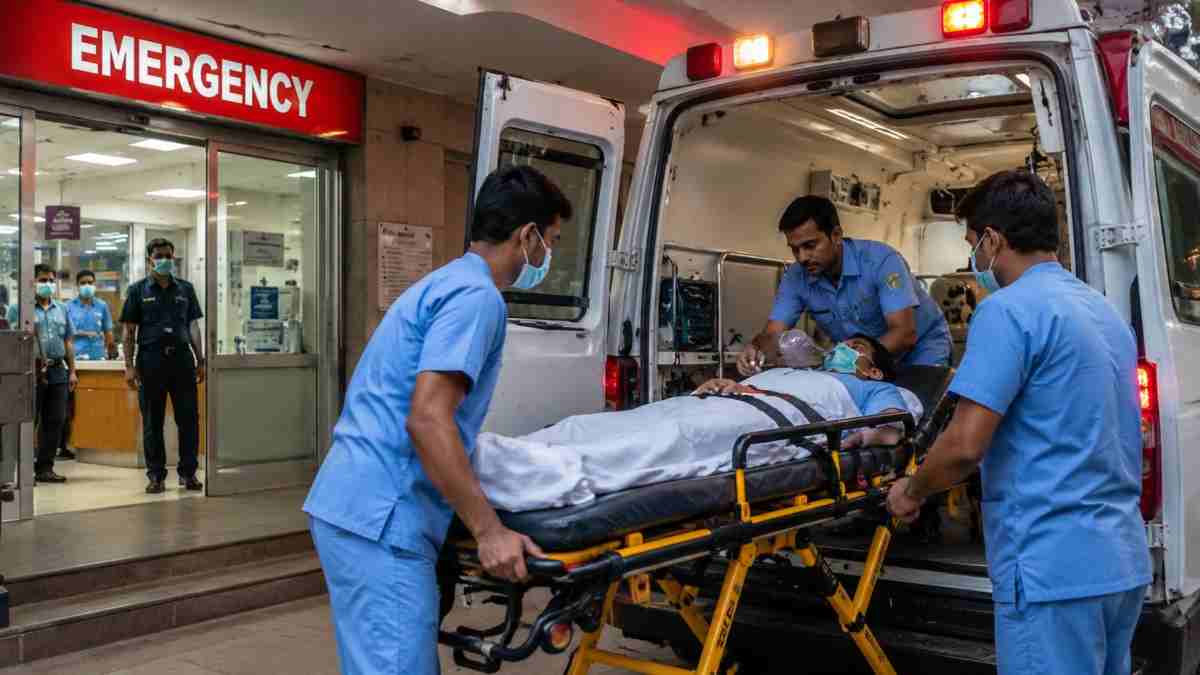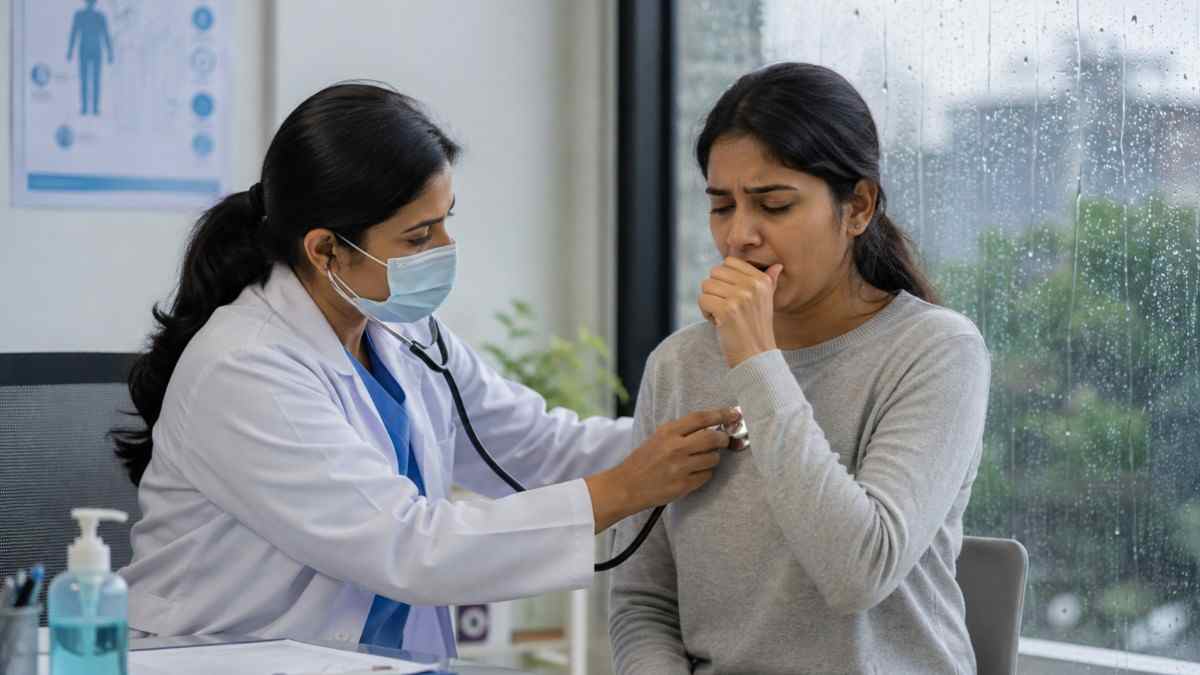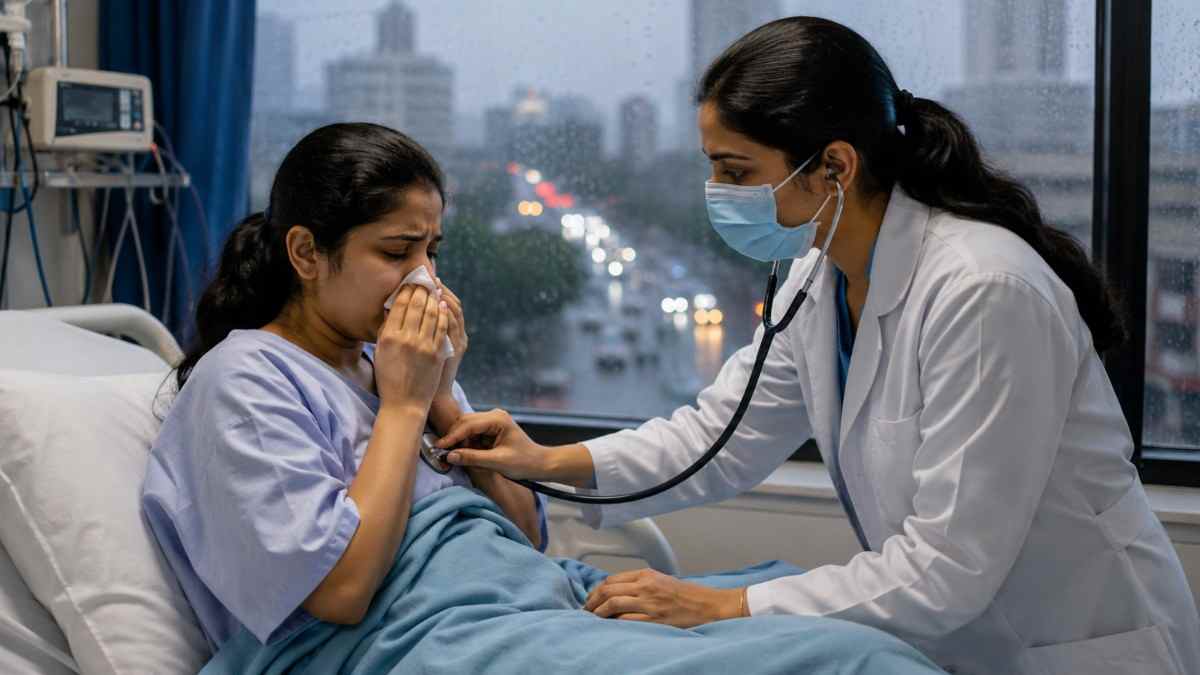
The first heavy week of rain usually shows up in clinic waiting rooms about ten days later. Fevers that won’t break. Children with loose motions. A cough that hangs around past a fortnight. Monsoon healthcare in Bangalore is rarely about exotic diseases, and mostly about ordinary infections arriving all at once, in a city where standing water, choked storm drains and shared air conditioning give them plenty of help. Ananya Hospital provides medical evaluation, diagnosis and treatment support for patients experiencing seasonal and monsoon-related illnesses.
Why Bangalore’s Rains Create Their Own Health Load
Bangalore avoids the dramatic flooding some coastal cities see, but months of intermittent rain, mild temperatures and near-constant humidity from June onward are arguably worse for infection control.
That combination suits mosquito breeding perfectly. Aedes mosquitoes, which carry dengue and chikungunya, don’t need lakes. A neglected flowerpot saucer on a balcony in Rajajinagar will do. They breed in clean, still water, so complexes with unused terrace buckets often see clusters.
Water supply is the second factor behind so much monsoon healthcare in Bangalore. Where old pipelines run alongside drains, brief pressure drops can pull contaminated water in, surfacing as typhoid or gastroenteritis a week later. Crowded metro coaches and sealed offices give respiratory viruses an easy run too.
Monsoon Illnesses in Bangalore: What Actually Circulates
Most of what walks into an outpatient department falls into three groups.
Mosquito-Borne Illnesses
Dengue worries families most, and reasonably so. It starts with sudden high fever, severe body and joint aches, pain behind the eyes, and sometimes a rash around day three. Chikungunya looks similar but hits the joints harder and can leave stiffness for weeks. Malaria is less common here than on the coast but still turns up, often after travel.
Water and Food-Borne Illnesses
Typhoid, hepatitis A, and plain bacterial or viral gastroenteritis. Typhoid builds slowly, with fever climbing over several days alongside poor appetite. Gastroenteritis is faster and noisier: vomiting and diarrhoea within hours of a suspect meal.
Respiratory and Skin Problems
Influenza, colds, throat infections and asthma flare-ups all rise. Damp walls encourage mould, which matters for allergic airways. Fungal infections between the toes are common among people commuting in wet shoes.
Monsoon Healthcare in Bangalore: Telling One Fever From Another
You can’t reliably diagnose these at home, and guessing is where things go wrong. Knowing the broad patterns helps, because describing symptoms accurately speeds up the right test.
| Illness | Fever pattern | Typical clues | Usual first tests |
| Dengue | Sudden, high, 5–7 days | Severe body ache, eye pain, falling platelets | NS1 antigen, dengue serology, CBC |
| Chikungunya | Sudden, moderate to high | Marked joint pain and swelling | Chikungunya serology, CBC |
| Typhoid | Gradual, stepwise climb | Poor appetite, abdominal pain, constipation or loose stools | Blood culture, Widal (with caution) |
| Leptospirosis | Sudden, high | Calf pain, red eyes, wading in floodwater | Blood tests, leptospira serology |
One practical note on dengue: platelet counts often fall after the fever settles, not during it. The days when someone starts feeling better can be the days that need closest watching.
Seasonal Infections in Bangalore: When to Wait and When to Act
Plenty of monsoon fevers settle with rest, fluids and paracetamol, and good monsoon healthcare in Bangalore starts with knowing that. At home, you’re mainly watching for signs that a routine illness has turned into something needing supervision.
See a doctor promptly if any of these apply:
- Fever crossing three days without clear improvement
- Vomiting that stops you keeping fluids down
- Passing very little urine, or dark urine
- Severe abdominal pain, especially upper right
- Bleeding gums, nosebleeds, or unexplained bruising
- Breathlessness, chest pain or confusion
- Any fever in an infant under three months, or in someone pregnant or elderly
Two things to avoid. Don’t take ibuprofen or aspirin for an undiagnosed monsoon fever, because if it’s dengue those drugs raise bleeding risk. And don’t restart leftover antibiotics. Most seasonal infections in Bangalore during the rains are viral, so antibiotics only muddy the picture and encourage resistance.
What Hospital Care for Monsoon Illnesses Actually Involves
Families often imagine admission means something has gone badly wrong. Usually it just means fluids and monitoring that can’t be managed at home.
Testing and Diagnosis
A first visit typically involves a complete blood count and, depending on the story, dengue antigen or antibody tests, a urine test, blood culture if typhoid is suspected, and sometimes a chest X-ray. Results guide monsoon treatment in Bangalore far better than symptoms alone, because dengue and typhoid can look almost identical early on.
Admission and Monitoring
A few hours of day-care intravenous fluids is common in dengue when someone can’t drink enough. Full admission usually follows persistent vomiting, falling platelet counts with warning signs, dehydration in a small child, or breathing difficulty. Hospital care for monsoon illnesses is mostly supportive: fluid balance, fever control, repeated blood counts. Most people go home within two to four days. Costs vary with the illness and length of stay, so ask for an indicative estimate at admission.
Monsoon Health Tips Worth Following at Home
The interventions that work are unglamorous and repetitive.
- Walk your balcony and parking area weekly and empty anything holding water, including plant saucers.
- Drink boiled or properly filtered water, and be strict about it after any supply disruption.
- Eat cut fruit and salads at home rather than from roadside stalls, where washing water is the weak link.
- Use repellent in the early morning and late afternoon, when Aedes mosquitoes bite.
- Dry feet thoroughly after wading, and change wet socks rather than letting them dry on you.
- Keep bathrooms and damp corners ventilated to slow mold growth.
Anyone with asthma, diabetes or heart disease should refill routine medicines before the season peaks.Monsoon health tips matter more for these groups, because a mild infection destabilises an existing condition faster than it troubles a healthy adult. Early monsoon treatment in Bangalore often prevents a longer admission later.
Planning Monsoon Healthcare in Bangalore for Vulnerable Family Members
Older parents, young children and pregnant women deserve a lower threshold for review. That means calling a doctor on day two of a fever rather than day four, and knowing in advance which hospital near you runs a 24-hour emergency department. Traffic during a downpour can double a journey, so proximity counts.
Keep a small folder with existing prescriptions, known allergies and recent reports. Handing that over saves fifteen minutes of history-taking when nobody is thinking clearly, and makes monsoon healthcare in Bangalore smoother for the treating team.
This article is general information only. Please consult a qualified doctor about your own symptoms and medical history.
Why Choose Ananya Hospital for Monsoon Healthcare in Bangalore?
Choosing a hospital for monsoon-related illness is important when symptoms become difficult to manage at home. Ananya Hospital provides a hospital-based setting for medical assessment, diagnostic evaluation and treatment support for seasonal and monsoon-related illnesses. Patients can receive appropriate medical guidance based on their symptoms, medical history and the severity of their condition. For families looking for reliable monsoon healthcare in Bangalore, having access to hospital-based medical care can provide greater clarity when symptoms require professional attention.
Frequently Asked Questions
How long does a normal monsoon fever last?
Most viral fevers settle within three to five days, and dengue often runs five to seven. If a fever is still climbing after 72 hours, or you feel worse as it settles, get tested. In monsoon healthcare in Bangalore, fever beyond a week always deserves evaluation.
Do I need a platelet transfusion if I have dengue?
Usually not. Most people with dengue recover with fluids and monitoring alone, even with counts that look alarming on paper. Transfusion is reserved for active bleeding or specific clinical situations, judged by a doctor watching the whole picture rather than a single number.
Can I take antibiotics for a monsoon cold or fever?
Not without a doctor advising it. The majority of monsoon illnesses in Bangalore are viral, and antibiotics won’t shorten them. Unnecessary courses cause side effects and drive resistance. Antibiotics are appropriate for confirmed bacterial infections such as typhoid or certain chest and urine infections.
Is boiled water really better than a filter during the rains?
A well-maintained RO or UV filter is fine for most homes. The problem is maintenance. If cartridges are overdue, or supply has been interrupted, boiling for a rolling minute is more reliable. Many families do both during heavy rain weeks, which is sensible.
Conclusion
The rains bring a fairly consistent set of problems: mosquito-borne fevers, contaminated water, damp-driven skin and chest trouble. None of it is unmanageable. Sensible monsoon healthcare in Bangalore comes down to reducing breeding sites at home, being careful about water and food, and recognising the few symptoms that mean a fever needs testing rather than patience. Most people recover fully with rest and fluids. The ones who run into trouble are usually those who waited too long with vomiting, breathlessness or a fever that kept climbing. Ananya Hospital provides medical assessment and treatment support when monsoon-related symptoms require professional attention.
If someone at home has a fever you’re unsure about, speaking with a qualified doctor early is the quickest way to get clarity matched to your situation. Contact Ananya Hospital to discuss your symptoms and seek appropriate medical care. Follow Ananya Hospital on Instagram for health information, monsoon health tips, seasonal infection prevention guidance and hospital updates.