Gastroesophageal reflux disease (GERD) is a common digestive condition in which stomach contents repeatedly flow back into the oesophagus, potentially causing irritation and uncomfortable symptoms. Occasional acid reflux can happen to many people, but frequent or persistent reflux may require medical evaluation. Ananya Hospital provides gastroenterology care for people experiencing recurring reflux symptoms, while Ananya Hospital helps patients understand possible causes, appropriate investigations, lifestyle measures, and treatment options. Recognising persistent symptoms early can help determine whether further evaluation is needed.
What Is GERD?
GERD occurs when stomach contents repeatedly move upward into the oesophagus. The lower oesophageal sphincter normally helps prevent this backward flow, but weakness or inappropriate relaxation of this barrier can contribute to reflux.
Repeated exposure to stomach contents may irritate the oesophageal lining and cause symptoms.
GERD can range from occasional symptoms to persistent disease requiring long-term management.
Common Symptoms of GERD
GERD symptoms can vary between individuals. Common symptoms include:
- Heartburn
- Acid or sour taste in the mouth
- Regurgitation of food or liquid
- Chest or upper abdominal discomfort
- Difficulty swallowing
- Feeling of a lump in the throat
- Frequent belching
Some people may also experience symptoms outside the digestive system, such as chronic cough, hoarseness, or throat irritation.
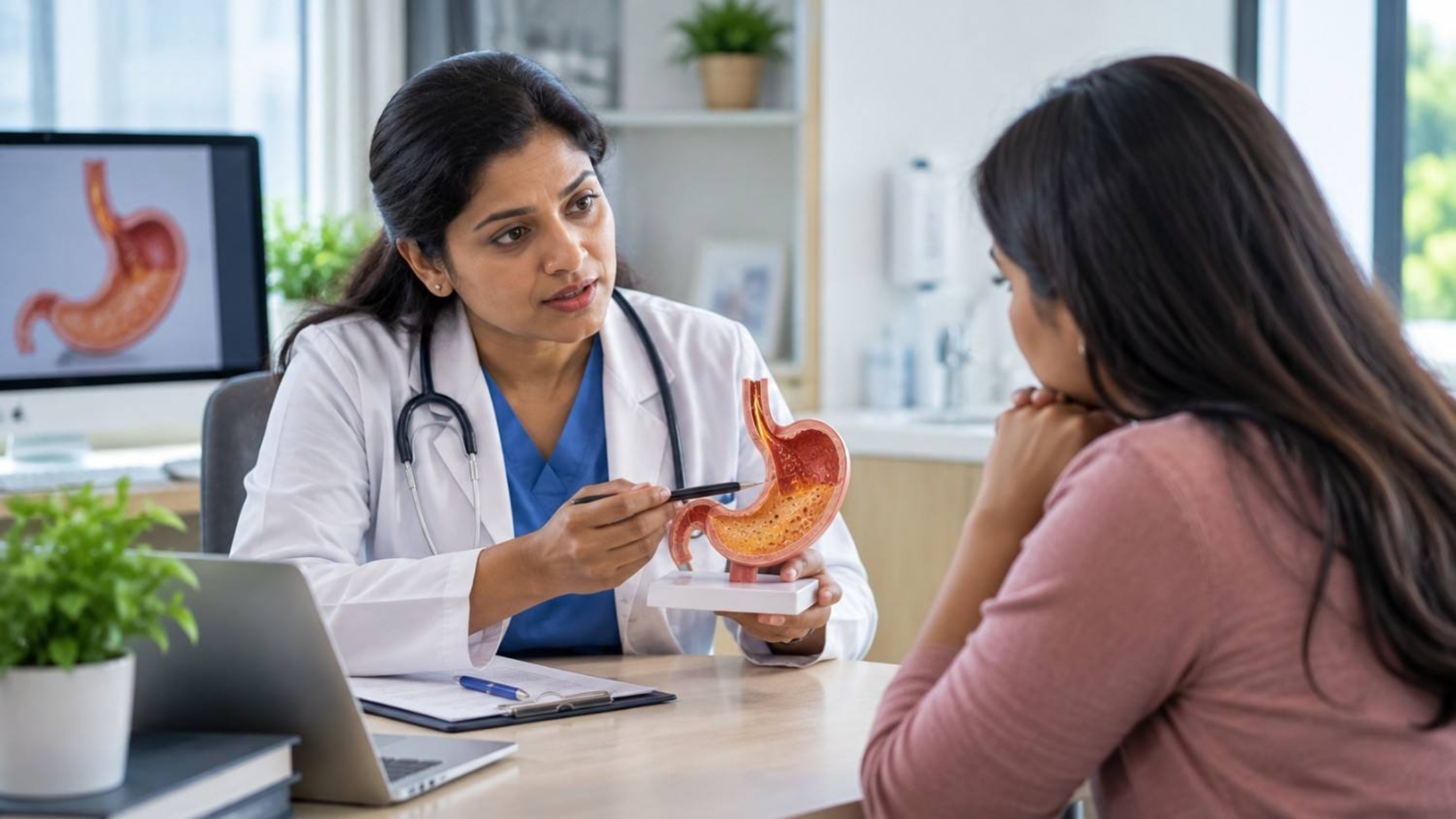
If you experience recurring reflux symptoms, a GERD specialist in Bangalore can assess your condition and determine whether further evaluation is appropriate.
What Causes GERD?
GERD can develop due to several factors that affect the movement of stomach contents into the oesophagus.
Possible contributing factors include:
- Excess body weight
- Pregnancy
- Hiatal hernia
- Certain dietary habits
- Large meals
- Eating close to bedtime
- Smoking
- Certain medications
- Individual anatomical or physiological factors
Not everyone with GERD has the same triggers or underlying cause.
Common Acid Reflux Triggers
Certain foods and lifestyle habits may worsen reflux symptoms in some people.
Potential triggers include:
- Spicy foods
- Fatty or fried foods
- Chocolate
- Coffee and other caffeinated beverages
- Carbonated drinks
- Alcohol
- Large meals
Triggers vary, so keeping track of foods and symptoms can help identify personal patterns.
Patients looking for acid reflux treatment in Rajajinagar can discuss recurring symptoms with a gastroenterology specialist.
GERD and Night-Time Symptoms
Reflux can become more noticeable at night, particularly when a person lies down soon after eating.
Some people may experience:
- Night-time heartburn
- Sour taste
- Coughing
- Throat irritation
- Sleep disruption
Avoiding meals close to bedtime and following personalised lifestyle recommendations may help reduce symptoms.
Can GERD Cause Chest Pain?
GERD can cause burning or discomfort in the chest, particularly after meals or when lying down. However, chest pain should not automatically be assumed to be caused by acid reflux.
Sudden, severe, or unexplained chest pain—especially when associated with breathlessness, sweating, dizziness, or pain spreading to the arm, shoulder, neck, or jaw—requires urgent medical assessment.
A heartburn specialist in Bangalore can evaluate recurring heartburn and determine whether it may be related to GERD or another digestive condition.
How Is GERD Diagnosed?
GERD is often assessed based on symptoms and medical history. In some cases, doctors may recommend additional investigations.
Depending on the patient’s symptoms, these may include:
- Upper GI endoscopy
- Oesophageal pH monitoring
- Other specialised reflux tests
- Imaging or laboratory investigations when indicated
Testing is not always required for every patient. The appropriate approach depends on symptom severity, duration, response to treatment, and the presence of warning signs.
A GERD diagnosis in Bangalore can involve a detailed evaluation to determine whether further testing is needed.
When Is Endoscopy Recommended for GERD?
Upper GI endoscopy may be recommended when symptoms are persistent, severe, unusual, or associated with warning signs.
A doctor may consider endoscopy when there is:
- Difficulty swallowing
- Pain while swallowing
- Gastrointestinal bleeding
- Unexplained anaemia
- Unintentional weight loss
- Persistent symptoms despite treatment
- Concern about complications
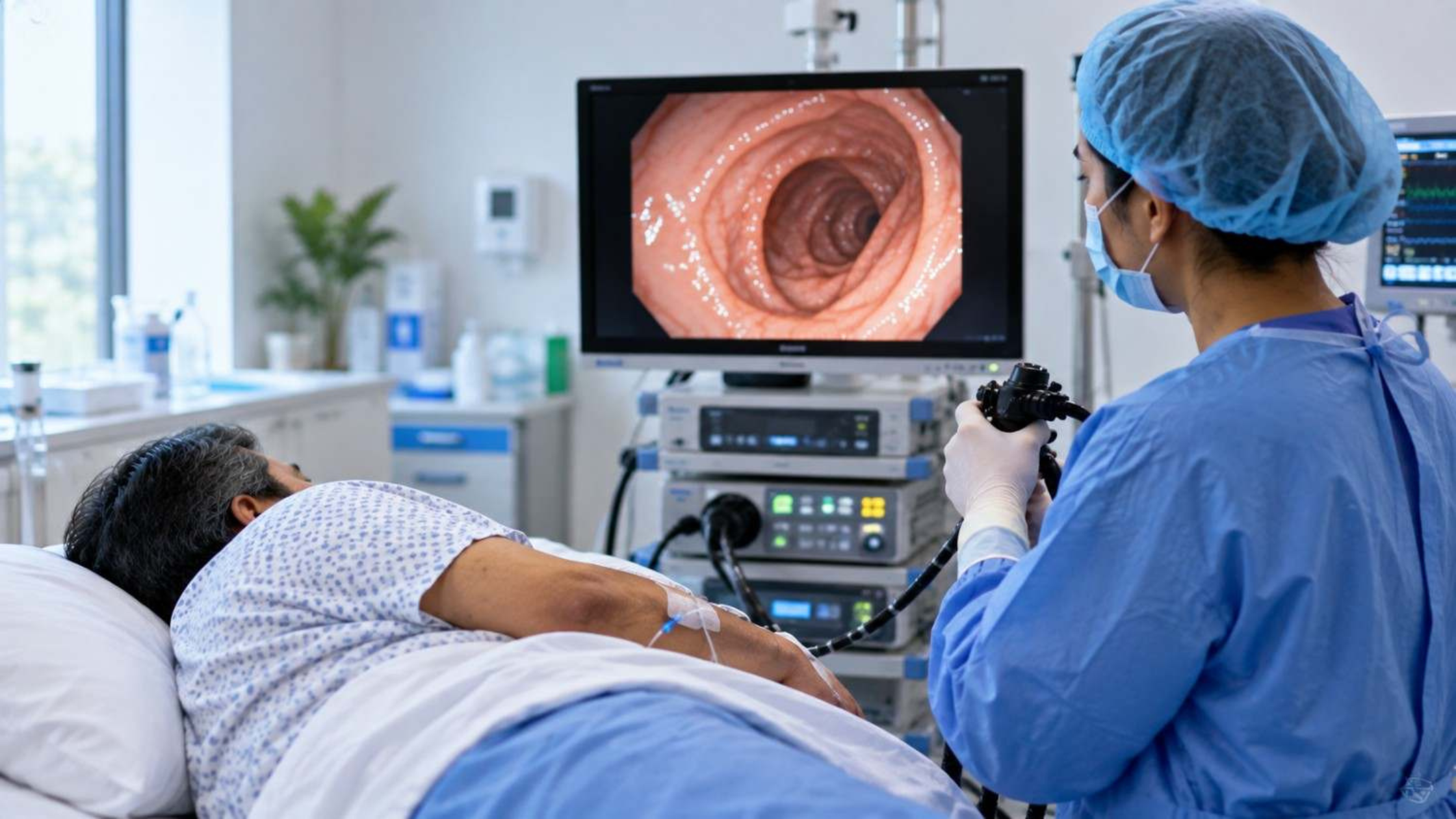
Endoscopy allows the doctor to directly examine the oesophagus, stomach, and duodenum and take a biopsy when necessary.
GERD Treatment Options
GERD treatment depends on symptom severity, underlying factors, and individual response to treatment.
Management may include:
Lifestyle Changes
Doctors may recommend:
- Eating smaller meals
- Avoiding identified trigger foods
- Avoiding lying down immediately after meals
- Maintaining a healthy weight where appropriate
- Limiting smoking and alcohol
- Raising the head of the bed for selected patients with night-time symptoms
Medicines
Depending on the condition, doctors may recommend medicines that reduce or control stomach acid.
These can include:
- Antacids
- H2-receptor blockers
- Proton pump inhibitors
Medication should be used according to medical advice, particularly when symptoms are persistent.
How Can GERD Be Managed Through Diet?
There is no single GERD diet suitable for everyone.
Instead, patients can identify foods that consistently worsen their symptoms and discuss suitable dietary adjustments with a healthcare professional.
Helpful habits may include:
- Eating smaller portions
- Avoiding heavy meals late at night
- Eating slowly
- Limiting personal trigger foods
- Maintaining adequate hydration
A balanced diet should remain the focus rather than unnecessarily eliminating large numbers of foods.
Can GERD Be Prevented?
GERD cannot always be completely prevented, but certain lifestyle measures may reduce symptoms.
These can include:
- Maintaining a healthy weight
- Eating moderate-sized meals
- Avoiding meals immediately before sleeping
- Identifying personal food triggers
- Staying physically active
- Avoiding smoking
- Limiting alcohol where appropriate
Individual recommendations should be based on the patient’s symptoms and medical history.
GERD Complications
Long-standing or poorly controlled GERD can sometimes lead to complications.
Possible complications include:
- Oesophagitis
- Oesophageal narrowing
- Ulcers
- Barrett’s oesophagus
Not everyone with GERD develops complications. Appropriate evaluation and treatment can help doctors monitor people who may be at increased risk.
When Should You See a Doctor?
Occasional heartburn may not require extensive investigation, but persistent or recurrent symptoms should be discussed with a healthcare professional.
Seek medical advice if you experience:
- Frequent heartburn
- Difficulty swallowing
- Painful swallowing
- Persistent vomiting
- Unexplained weight loss
- Vomiting blood
- Black stools
- Symptoms that continue despite lifestyle changes
If you need an acid reflux consultation in Bangalore, discussing your symptoms with a gastroenterology team can help identify the appropriate next step.
GERD and Lifestyle Habits
Lifestyle changes can be an important part of managing reflux.
Consider:
- Maintaining regular meal times
- Avoiding very large meals
- Allowing sufficient time between dinner and bedtime
- Identifying individual trigger foods
- Maintaining a healthy weight
- Staying physically active
- Avoiding smoking
Lifestyle measures may reduce symptoms, but persistent GERD may still require medical treatment.
Why Choose Ananya Hospital for GERD Care?
Ananya Hospital provides gastroenterology evaluation and treatment for patients experiencing reflux, heartburn, swallowing difficulties, and other digestive symptoms. The gastroenterology team can review symptoms, medical history, previous investigations, and treatment response before deciding whether additional testing is appropriate. Patients seeking an esophageal health specialist in Bangalore can discuss recurring reflux symptoms and suitable diagnostic or management options with the specialist team.
Frequently Asked Questions
Is GERD the same as acidity?
GERD involves recurrent reflux of stomach contents into the oesophagus, whereas occasional acidity or heartburn can occur without having GERD. Frequent or persistent symptoms should be medically evaluated.
Can GERD be cured permanently?
GERD can often be managed effectively, but the appropriate treatment depends on its cause and severity. Some people require ongoing lifestyle changes or medication.
Is milk good for GERD?
Milk affects people differently. While it may temporarily soothe symptoms for some people, its fat content can worsen reflux in others. Individual tolerance is important.
Can GERD cause a cough?
Yes. Reflux can sometimes contribute to chronic cough or throat irritation, although these symptoms can have many other causes.
When should GERD be investigated?
Persistent symptoms, difficulty swallowing, bleeding, unexplained weight loss, anaemia, or symptoms that do not improve with appropriate treatment may require further evaluation.
Conclusion
GERD can cause recurring heartburn, regurgitation, chest or upper abdominal discomfort, swallowing difficulties, and other symptoms that may interfere with daily life. Identifying individual triggers, making appropriate lifestyle changes, and receiving medical guidance can help manage the condition. Persistent or concerning symptoms should not simply be attributed to acidity because other digestive conditions can produce similar complaints. Ananya Hospital provides gastroenterology evaluation for patients with reflux-related concerns, while Ananya Hospital helps patients understand their symptoms and explore appropriate treatment and diagnostic options.
If heartburn or acid reflux is occurring frequently, professional evaluation can help determine whether you may have GERD and what management approach may be suitable.
Experiencing frequent heartburn or reflux? Connect with the gastroenterology team at Ananya Hospital for an evaluation tailored to your symptoms: Plan Your Reflux Care.
Follow us on Instagram: Get useful information about digestive health, GERD awareness, preventive care, and hospital updates from Ananya Hospital.