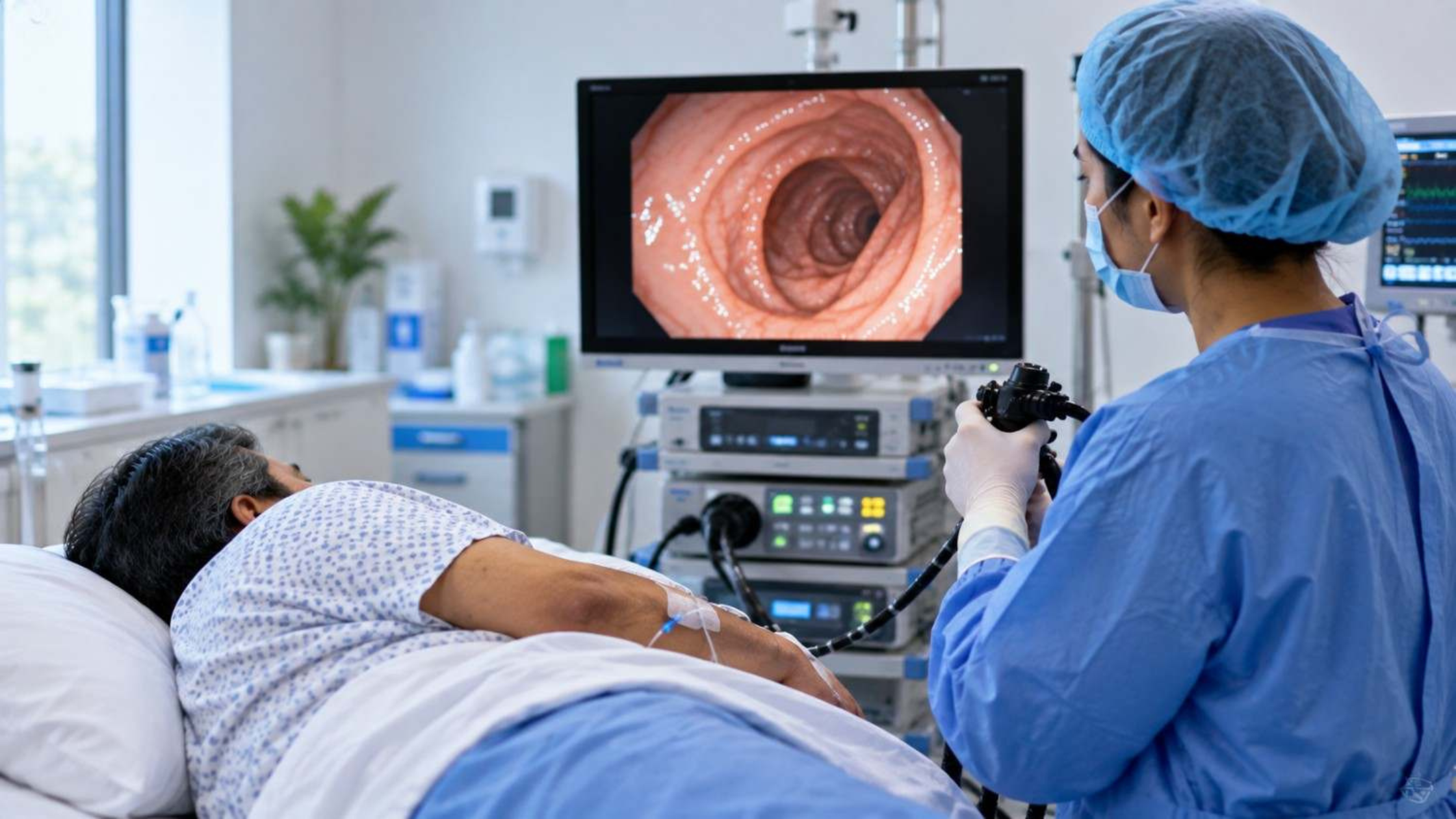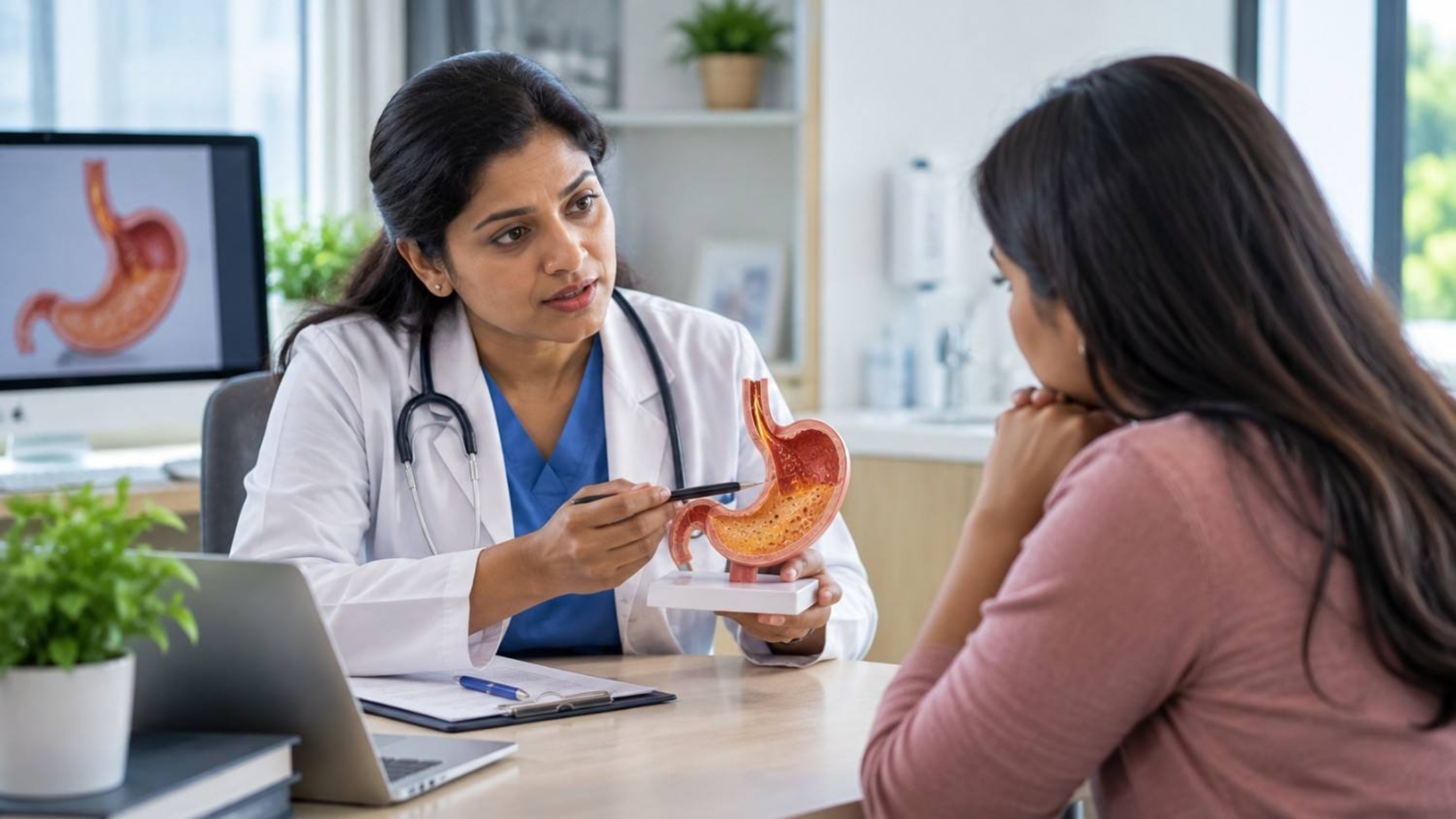
Irritable bowel syndrome (IBS) is a common digestive condition that can cause recurring abdominal discomfort along with changes in bowel habits. Some people experience diarrhoea, while others mainly have constipation or alternate between both. Symptoms can vary from person to person and may be influenced by food, stress, lifestyle, or other factors. Ananya Hospital provides gastroenterology evaluation for people experiencing persistent digestive symptoms, while Ananya Hospital helps patients understand possible triggers, diagnostic approaches, and suitable management options. Early evaluation can help distinguish IBS from other digestive conditions that may cause similar symptoms.

IBS is a functional gastrointestinal disorder that affects how the digestive system works. It can cause recurring abdominal pain or discomfort together with changes in bowel movements.
IBS is commonly classified into different patterns, including:
- IBS with constipation (IBS-C)
- IBS with diarrhoea (IBS-D)
- IBS with mixed bowel habits (IBS-M)
Symptoms and severity can fluctuate over time.
Common Symptoms of IBS
IBS symptoms can differ between individuals. Common symptoms include:
- Abdominal pain or cramping
- Bloating
- Excessive gas
- Diarrhoea
- Constipation
- Changes in stool consistency
- Feeling of incomplete bowel evacuation
- Urgency to pass stool
Some people notice that symptoms improve after passing stool, although this is not the same for everyone.
If symptoms are persistent or affecting daily life, consulting an IBS specialist in Bangalore can help determine whether further evaluation is needed.
What Triggers IBS Symptoms?
IBS triggers vary considerably. Common factors that may worsen symptoms include:
- Certain foods
- Large meals
- Excess caffeine
- Stress
- Poor sleep
- Changes in routine
- Some medications
- Hormonal changes in some individuals
Keeping a food and symptom diary can sometimes help identify personal patterns.
Foods That May Trigger IBS
There is no single diet that works for everyone with IBS. Some people may notice symptoms after consuming particular foods.
Potential triggers can include:
- Very spicy foods
- Fatty or fried foods
- Certain dairy products
- Carbonated drinks
- Excess caffeine
- Certain high-FODMAP foods
A low-FODMAP diet may be considered for selected patients under appropriate professional guidance. It should not be followed unnecessarily or indefinitely without nutritional advice.
IBS and Stress
Stress does not necessarily cause IBS, but psychological stress can influence digestive symptoms in some people.
The brain and digestive system communicate through the gut-brain axis. Changes in stress levels can affect bowel movement, sensitivity, and perception of abdominal discomfort.
Stress-management techniques such as regular physical activity, adequate sleep, relaxation exercises, and appropriate psychological support may help some patients manage symptoms.
How Is IBS Diagnosed?
There is no single blood test that confirms IBS.
Diagnosis generally involves a detailed medical history, symptom assessment, physical examination, and selected investigations when clinically necessary.
The doctor may consider:
- Pattern and duration of symptoms
- Bowel habits
- Abdominal pain
- Medical history
- Family history
- Dietary patterns
- Medication history
A doctor may also order tests to rule out other conditions when symptoms or risk factors suggest they may be necessary.
Patients seeking IBS diagnosis in Bangalore can discuss their symptoms and appropriate diagnostic options with a gastroenterology team.
Are Tests Always Required for IBS?
Not necessarily. In people with a typical symptom pattern and no warning signs, extensive testing may not always be necessary.
However, investigations may be recommended when symptoms are unusual, persistent, severe, or associated with warning signs.
Possible tests can include:
- Blood tests
- Stool tests
- Colonoscopy
- Imaging studies
- Other specialised investigations
The appropriate tests depend on the individual clinical situation.
IBS vs Other Digestive Conditions
IBS can cause symptoms that overlap with several other gastrointestinal conditions.
Similar symptoms may occur with:
- Inflammatory bowel disease
- Coeliac disease
- Lactose intolerance
- Gastrointestinal infections
- Gastroesophageal disorders
- Certain food intolerances
This is why persistent or unexplained symptoms should be evaluated rather than automatically assumed to be IBS.
IBS Management
There is no single treatment that works for every person with IBS. Management generally focuses on controlling symptoms and identifying individual triggers.
Approaches may include:
Dietary Changes
A balanced diet with appropriate portions and adequate hydration may help. Specific dietary adjustments depend on the patient’s symptoms.
Physical Activity
Regular exercise can support overall digestive and physical health and may help some people manage bowel symptoms.
Stress Management
Relaxation techniques, adequate sleep, and psychological support can be useful for people whose symptoms are affected by stress.
Medication
Depending on the dominant symptoms, a doctor may recommend medication to help manage constipation, diarrhoea, abdominal discomfort, or other symptoms.
People with irritable bowel syndrome treatment in Rajajinagar needs should receive treatment based on their individual symptoms rather than using medication without professional guidance.
IBS and Constipation
People with IBS-C may experience infrequent bowel movements, hard stools, straining, and abdominal discomfort.
Management may involve dietary adjustments, hydration, physical activity, and medication when required.
Persistent constipation should be evaluated because it can have causes other than IBS.
IBS and Diarrhoea
IBS-D may involve frequent loose stools, urgency, and abdominal discomfort.
Management focuses on identifying food triggers, maintaining hydration, and addressing the underlying symptom pattern.
If diarrhoea is persistent, severe, associated with blood, or accompanied by other concerning symptoms, medical evaluation is important.
Can IBS Be Cured?
IBS is generally considered a long-term condition in which symptoms may come and go.
There may not be a single permanent cure, but many people can manage symptoms effectively through appropriate dietary, lifestyle, and medical approaches.
Treatment goals usually focus on reducing symptom severity and improving quality of life.
When Should You See a Doctor?
Not every episode of bloating or altered bowel habits means IBS. Medical evaluation is particularly important when symptoms are persistent or accompanied by warning signs.
Seek medical advice if you experience:
- Blood in the stool
- Unexplained weight loss
- Persistent fever
- Anaemia
- Severe or worsening abdominal pain
- Persistent vomiting
- Symptoms that wake you from sleep
- A significant family history of bowel disease
A chronic digestive problems specialist in Bangalore can assess persistent symptoms and determine whether additional investigations are appropriate.
Lifestyle Tips for Managing IBS
Simple lifestyle measures may help some people manage recurring symptoms.
Consider:
- Eating meals at regular times
- Eating slowly
- Drinking sufficient fluids
- Exercising regularly
- Getting adequate sleep
- Limiting foods that consistently trigger symptoms
- Managing stress
- Keeping a symptom diary
Individual responses vary, so lifestyle changes should be adjusted according to personal tolerance.
Can IBS Affect Daily Life?
IBS symptoms can interfere with work, travel, social activities, and sleep. Unpredictable bowel habits or urgency may also cause people to avoid certain situations.
A structured management plan can help patients understand their triggers and develop strategies for handling symptoms.
Professional guidance is particularly useful when symptoms are frequent or significantly affecting everyday activities.
Why Choose Ananya Hospital for IBS Care?
Ananya Hospital provides gastroenterology evaluation for patients experiencing abdominal pain, bloating, constipation, diarrhoea, and other digestive concerns. Because IBS symptoms can overlap with several gastrointestinal conditions, appropriate assessment is important before confirming the diagnosis. The gastroenterology team can review symptoms, medical history, and relevant test results to determine whether further investigation or symptom-based management is appropriate. Patients looking for intestinal disorder treatment in Bangalore can discuss their digestive concerns with the specialist team.
Frequently Asked Questions
Is IBS a serious disease?
IBS can significantly affect quality of life, but it does not generally cause structural damage to the digestive tract. However, symptoms that suggest another condition should be medically evaluated.
What is the most common symptom of IBS?
Abdominal pain or discomfort associated with changes in bowel habits is a common feature of IBS. Bloating, constipation, and diarrhoea may also occur.
Can stress make IBS worse?
Yes, stress may worsen symptoms in some people because of interactions between the brain and digestive system.
Is there a specific diet for IBS?
There is no universal IBS diet. Some patients may benefit from identifying individual food triggers or following a professionally supervised dietary approach such as a low-FODMAP diet.
Can IBS go away on its own?
IBS symptoms can fluctuate and may improve for periods of time. Some people continue to experience recurring symptoms and benefit from long-term management.
Conclusion
IBS can cause recurring abdominal discomfort, bloating, constipation, diarrhoea, or changes in bowel habits, with symptoms often varying between individuals. Identifying personal triggers, maintaining healthy lifestyle habits, and receiving appropriate medical guidance can help with symptom management. Because IBS can resemble other gastrointestinal conditions, persistent or concerning symptoms should be properly evaluated. Ananya Hospital provides gastroenterology care for patients experiencing IBS-related symptoms, while Ananya Hospital helps patients understand their symptoms and explore appropriate diagnostic and management options.
If digestive symptoms are recurring or affecting your daily routine, consulting a gastroenterology specialist can help identify the appropriate next step.
Struggling with recurring digestive symptoms? Book a consultation with Ananya Hospital’s gastroenterology team to discuss your symptoms and create an appropriate evaluation plan: Discuss Your Digestive Health Today.
Follow us on Instagram: Stay informed with digestive-health tips, condition awareness, and healthcare updates from Ananya Hospital.