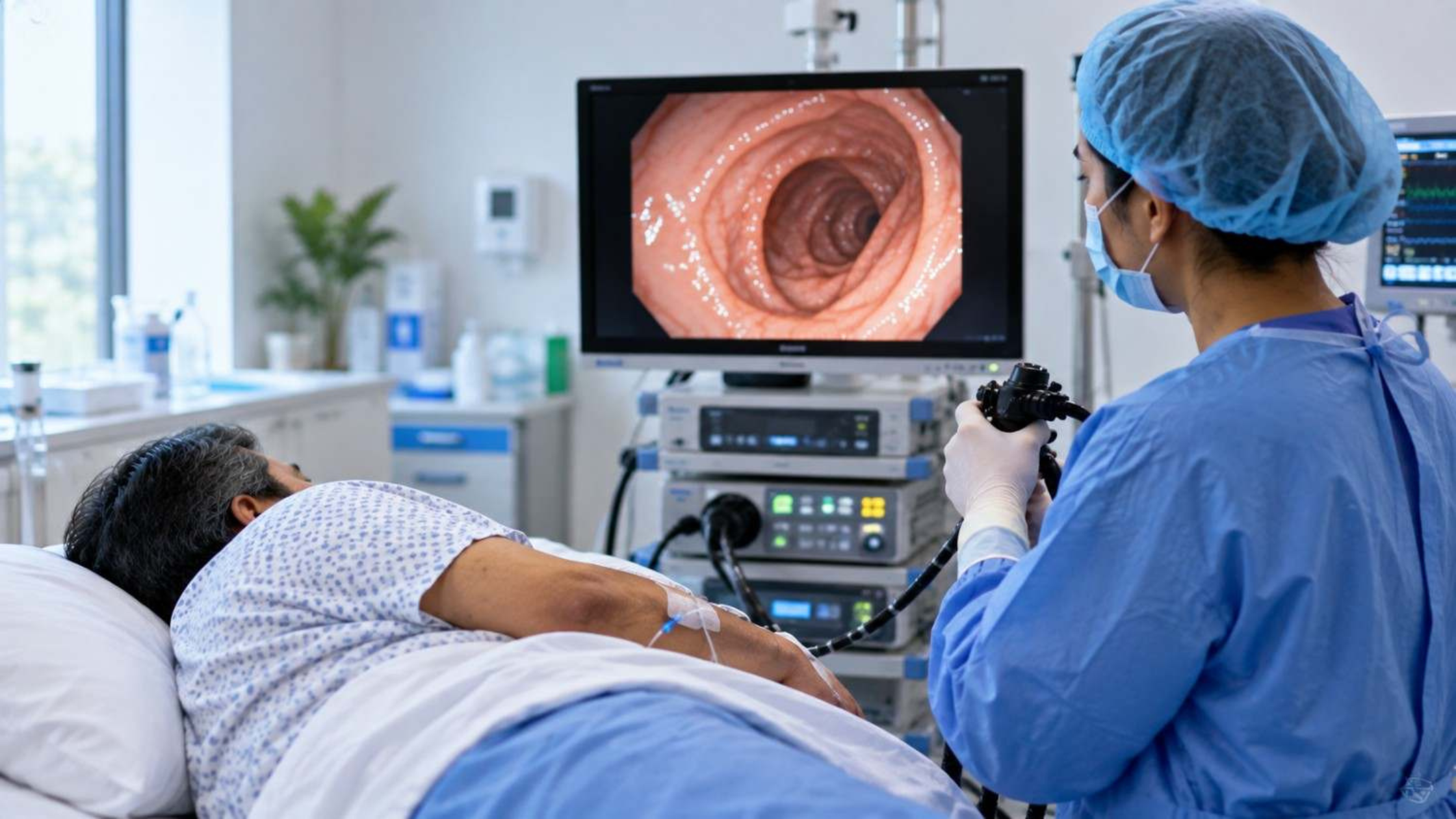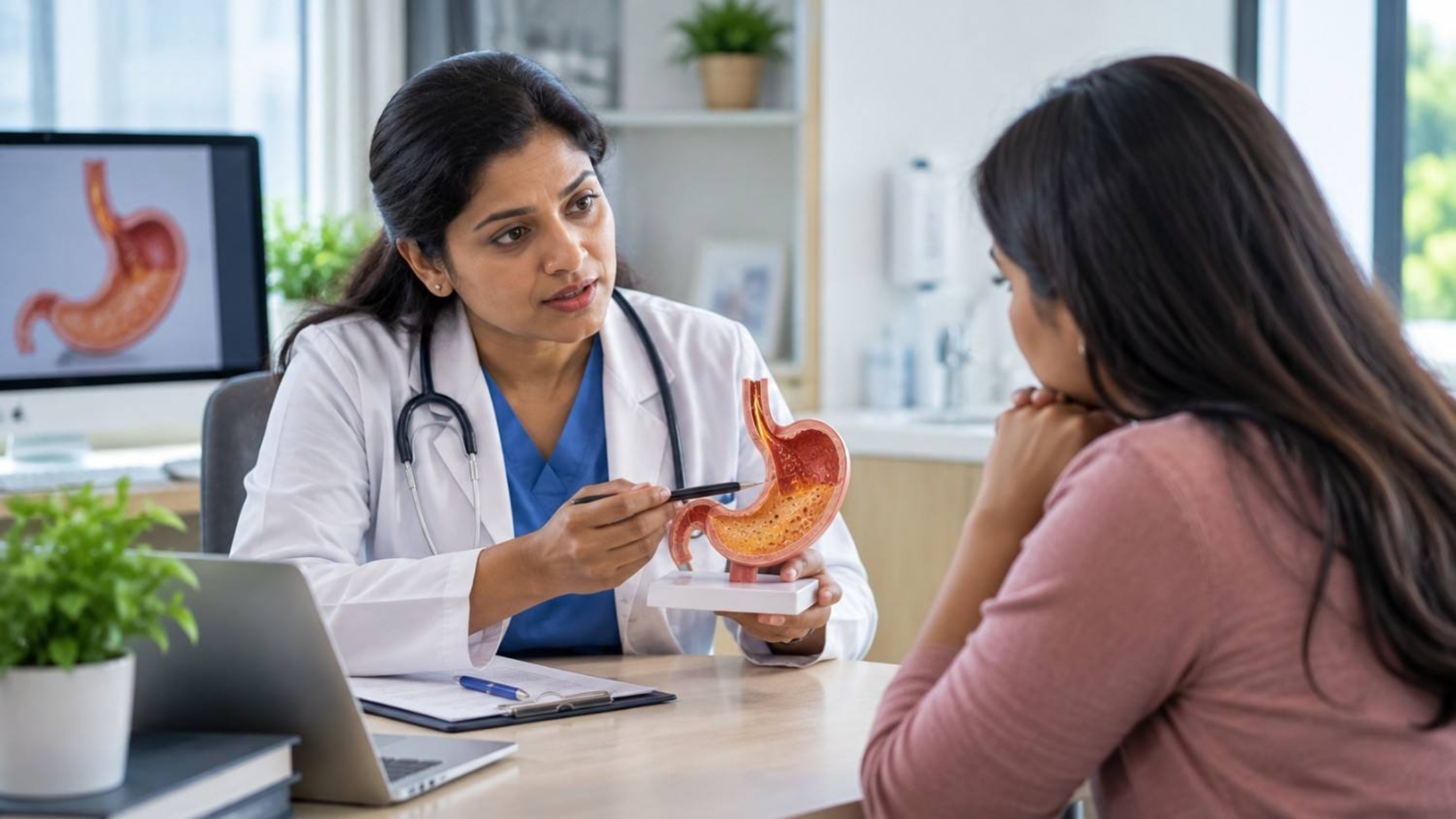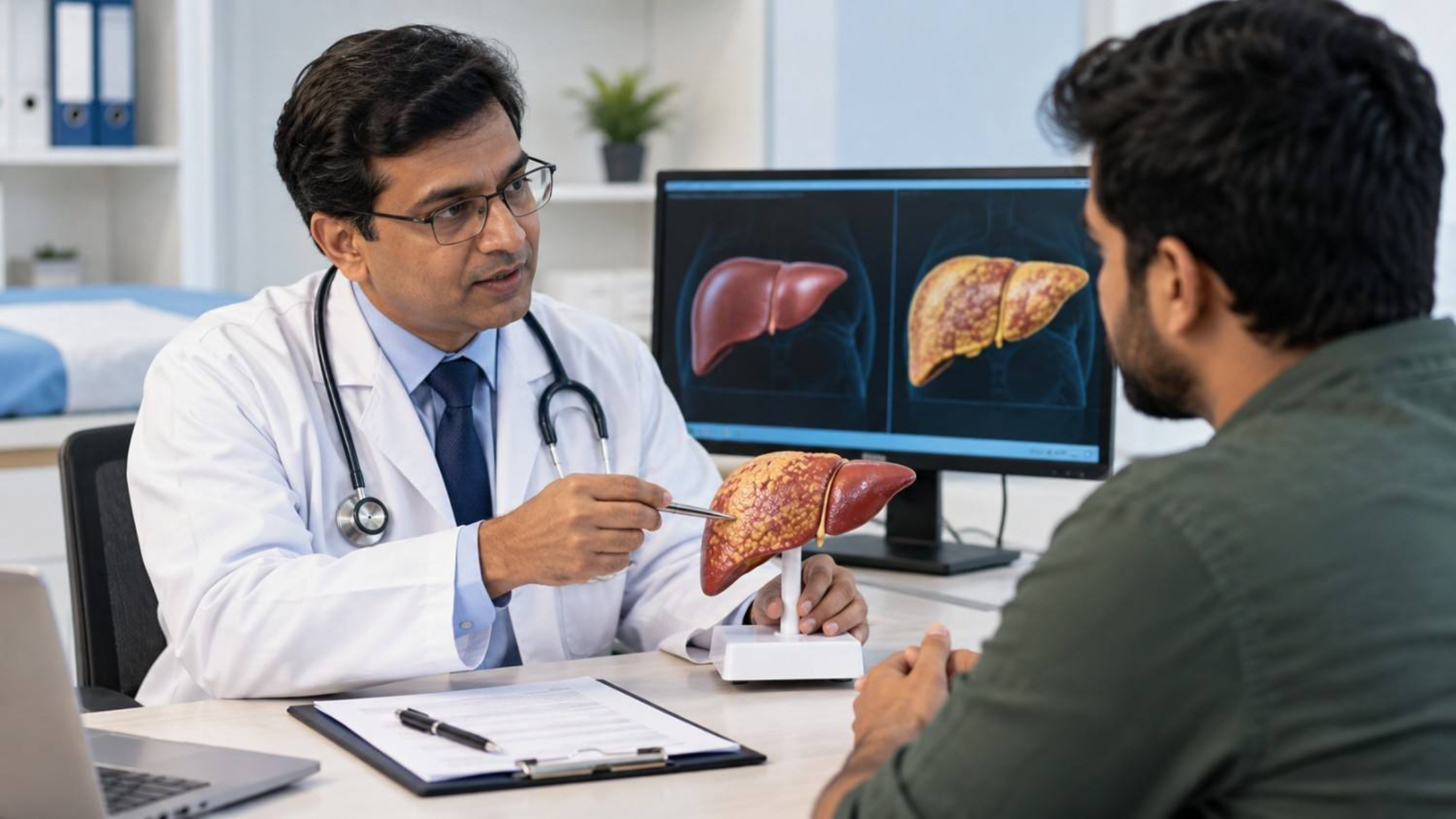
Fatty liver occurs when excess fat accumulates in the liver. It can develop due to several factors, including metabolic conditions, excess body weight, dietary habits, alcohol consumption, and certain medicines or medical conditions. In its early stages, fatty liver may not cause noticeable symptoms, which means it can sometimes be discovered during routine blood tests or abdominal imaging. Ananya Hospital provides gastroenterology evaluation for people with liver-related concerns, while Ananya Hospital helps patients understand their symptoms, test results, and appropriate management options.
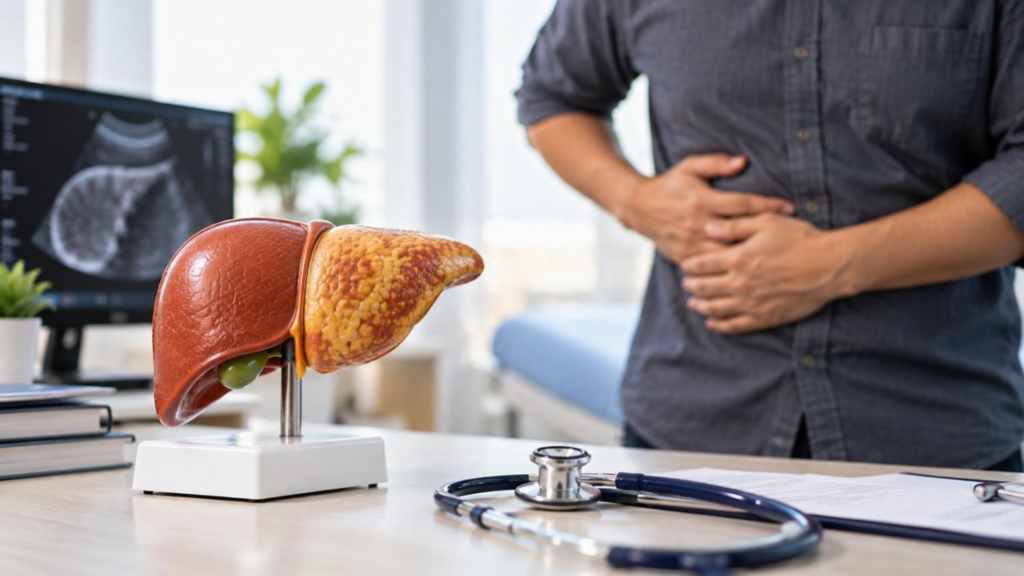
What Is Fatty Liver?
Fatty liver, medically known as hepatic steatosis, refers to an accumulation of excess fat in liver cells.
Fatty liver can broadly be associated with:
- Metabolic dysfunction
- Alcohol consumption
- Certain medications
- Some medical conditions
- Other factors affecting liver health
The condition can range from simple fat accumulation to inflammation and, in some people, progressive liver damage.
What Causes Fatty Liver?
Fatty liver can have multiple contributing factors. Common risk factors include:
- Overweight or obesity
- Type 2 diabetes
- High cholesterol or triglyceride levels
- Insulin resistance
- Physical inactivity
- Excessive alcohol consumption
- Certain medications
- Some metabolic or hereditary conditions
Not everyone with fatty liver has the same underlying cause, so identifying individual risk factors is important.
What Are the Symptoms of Fatty Liver?
Many people with fatty liver have no obvious symptoms, particularly during the early stages.
When symptoms occur, they may include:
- Tiredness
- Mild discomfort in the upper-right abdomen
- General weakness
- A feeling of fullness
More advanced liver disease can produce additional symptoms, which require medical assessment.
Because symptoms can be absent, fatty liver may sometimes be identified incidentally during an ultrasound or blood investigation.
Who Is at Risk of Fatty Liver?
People with metabolic risk factors may have a higher likelihood of developing fatty liver.
Risk can be associated with:
- Increased body weight
- Diabetes
- High blood pressure
- Abnormal cholesterol levels
- Sedentary lifestyle
- Unhealthy dietary patterns
- Family history of metabolic or liver conditions
People with several risk factors may benefit from discussing liver health with a healthcare professional.
How Is Fatty Liver Diagnosed?
Diagnosis generally involves a combination of medical history, physical assessment, blood tests, and imaging where appropriate.
A doctor may recommend:
- Liver function blood tests
- Blood glucose testing
- Lipid profile
- Abdominal ultrasound
- Other imaging or liver-related tests when indicated
A fatty liver specialist in Bangalore can review your symptoms, risk factors, blood reports, and imaging findings to determine the appropriate evaluation.
Can Fatty Liver Be Reversed?
In many cases, lifestyle and metabolic changes can help reduce liver fat, particularly when the condition is identified early.
Management may involve:
- Gradual weight management when appropriate
- Regular physical activity
- A balanced diet
- Limiting or avoiding alcohol when advised
- Managing blood sugar
- Managing cholesterol and triglycerides
- Treating associated medical conditions
The appropriate approach depends on the cause and severity of fatty liver.
Fatty Liver Treatment Options
There is no single treatment plan that applies to every patient with fatty liver.
Management generally focuses on addressing the underlying causes and reducing the risk of liver damage.
Depending on the individual, treatment may involve:
Lifestyle Modification
Dietary changes and regular physical activity are often important components of fatty liver management.
Weight Management
For people who are overweight or obese, gradual and medically appropriate weight reduction may help reduce liver fat.
Diabetes Management
Controlling blood glucose can be important for people with diabetes or insulin resistance.
Cholesterol Management
Abnormal cholesterol and triglyceride levels may need appropriate medical management.
Medication
Medication may be considered in selected patients depending on the type and severity of liver disease and associated medical conditions.
Patients seeking information about liver disease treatment in Bangalore can discuss their individual condition with a gastroenterology specialist.
Does Fatty Liver Cause Liver Damage?
Fat accumulation does not necessarily mean that significant liver damage has already occurred.
However, some people can develop inflammation and progressive scarring over time. Advanced scarring, known as cirrhosis, can affect liver function and lead to complications.
This is why identifying risk factors and monitoring people at increased risk can be important.
Can Fatty Liver Affect Liver Enzymes?
Fatty liver can sometimes be associated with elevated liver enzymes, but normal liver enzyme levels do not always exclude liver disease.
Blood test results should therefore be interpreted alongside symptoms, medical history, and imaging findings.
A doctor may recommend additional tests if there are concerns about inflammation or liver fibrosis.
Can Fatty Liver Be Detected on Ultrasound?
Yes. An abdominal ultrasound can identify features suggestive of fat accumulation in the liver.
However, ultrasound alone may not determine the complete severity of liver disease. Depending on the clinical situation, doctors may recommend additional blood tests, non-invasive fibrosis assessment, or other investigations.
Fatty Liver and Diet
Diet can play an important role in managing metabolic risk factors associated with fatty liver.
A balanced eating pattern may include:
- Vegetables and fruits in appropriate portions
- Whole grains
- Adequate protein
- Healthy sources of dietary fat
- Limited highly processed foods
- Reduced intake of excess added sugars
Individual dietary recommendations should take into account weight, diabetes, cholesterol levels, other medical conditions, and overall nutritional needs.
Exercise and Fatty Liver
Regular physical activity can support metabolic health and may help reduce liver fat.
Activities can include:
- Walking
- Cycling
- Swimming
- Strength exercises
- Other suitable forms of physical activity
People who have been inactive or have medical conditions should discuss an appropriate exercise plan with their healthcare provider.
When Should You See a Liver Specialist?
Medical evaluation is particularly important if you have persistent abnormal liver tests, imaging findings suggesting fatty liver, or multiple metabolic risk factors.
You should also seek medical advice if you develop symptoms such as persistent abdominal discomfort, jaundice, swelling, unexplained weight loss, or significant changes in your health.
A liver specialist in Rajajinagar can evaluate liver-related concerns and determine whether further testing is required.
Can Fatty Liver Be Prevented?
Some risk factors for fatty liver can be modified through healthy lifestyle habits.
Helpful measures may include:
- Maintaining a healthy weight
- Staying physically active
- Eating a balanced diet
- Managing diabetes and cholesterol
- Limiting alcohol consumption
- Having regular medical checkups when appropriate
Prevention strategies should be tailored to individual health needs.
Why Choose Ananya Hospital for Liver Care?
Ananya Hospital provides gastroenterology care for patients with digestive and liver-related concerns. Fatty liver can have different causes and may range from uncomplicated fat accumulation to more significant liver disease. A proper evaluation can help identify associated metabolic conditions and determine whether monitoring, lifestyle changes, additional investigations, or medical treatment may be appropriate. Patients seeking a hepatology care in Bangalore evaluation can discuss their liver health and diagnostic requirements with the gastroenterology team.
Frequently Asked Questions
Is fatty liver a serious condition?
Fatty liver may remain stable in many people, but some individuals can develop inflammation and liver scarring. The risk depends on the underlying cause and individual health factors.
Can fatty liver be cured permanently?
Fatty liver can often be improved by addressing its underlying causes and risk factors. However, management and monitoring may be needed depending on the severity and associated conditions.
Is fatty liver painful?
Many people do not experience pain or noticeable symptoms. Some may experience mild discomfort in the upper-right abdomen.
Can a person with fatty liver eat normally?
A balanced diet with appropriate portions can support liver and metabolic health. Specific dietary recommendations should be based on individual health conditions and nutritional needs.
Does fatty liver always cause elevated liver enzymes?
No. Some people with fatty liver may have normal liver enzyme levels. Therefore, blood tests should be considered together with other clinical information.
Conclusion
Fatty liver is a common liver condition that may develop due to metabolic factors, alcohol consumption, medications, or other causes. Because it may not produce noticeable symptoms in its early stages, appropriate evaluation can help identify the condition and associated risk factors. Lifestyle changes, management of metabolic conditions, and medical monitoring may help reduce the risk of progression in appropriate patients. Ananya Hospital provides gastroenterology care for people with liver concerns, while Ananya Hospital helps patients understand their test results and available management options.
If you have been diagnosed with fatty liver or have persistent abnormal liver tests, a professional evaluation can help determine the next appropriate step.
Concerned about your liver health? Schedule a consultation with the gastroenterology team at Ananya Hospital to discuss your symptoms, reports, and personalised evaluation plan: Take the Next Step for Your Liver Health.
Follow us on Instagram: Follow Ananya Hospital for practical information about liver health, digestive conditions, preventive care, and healthcare updates.