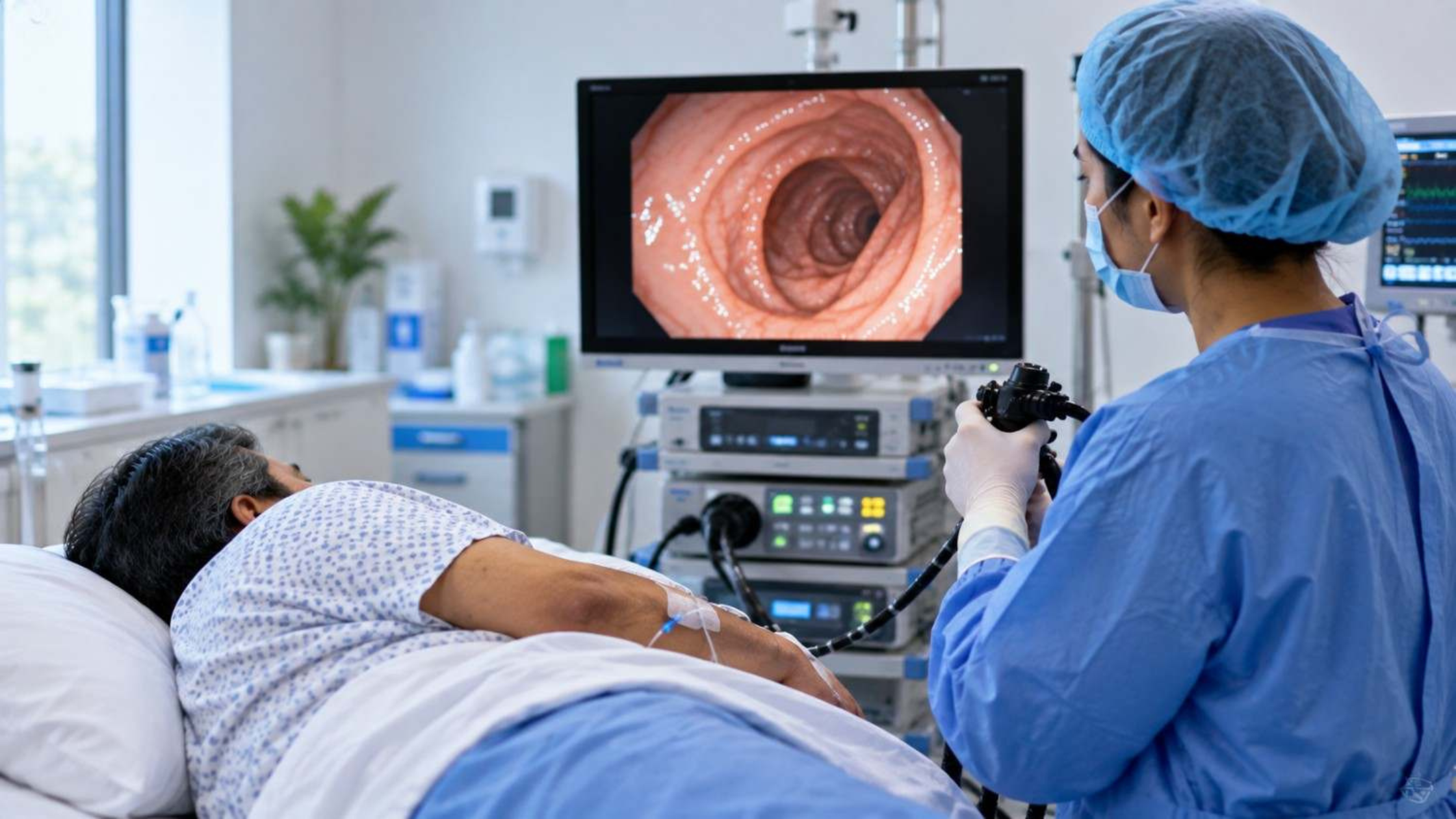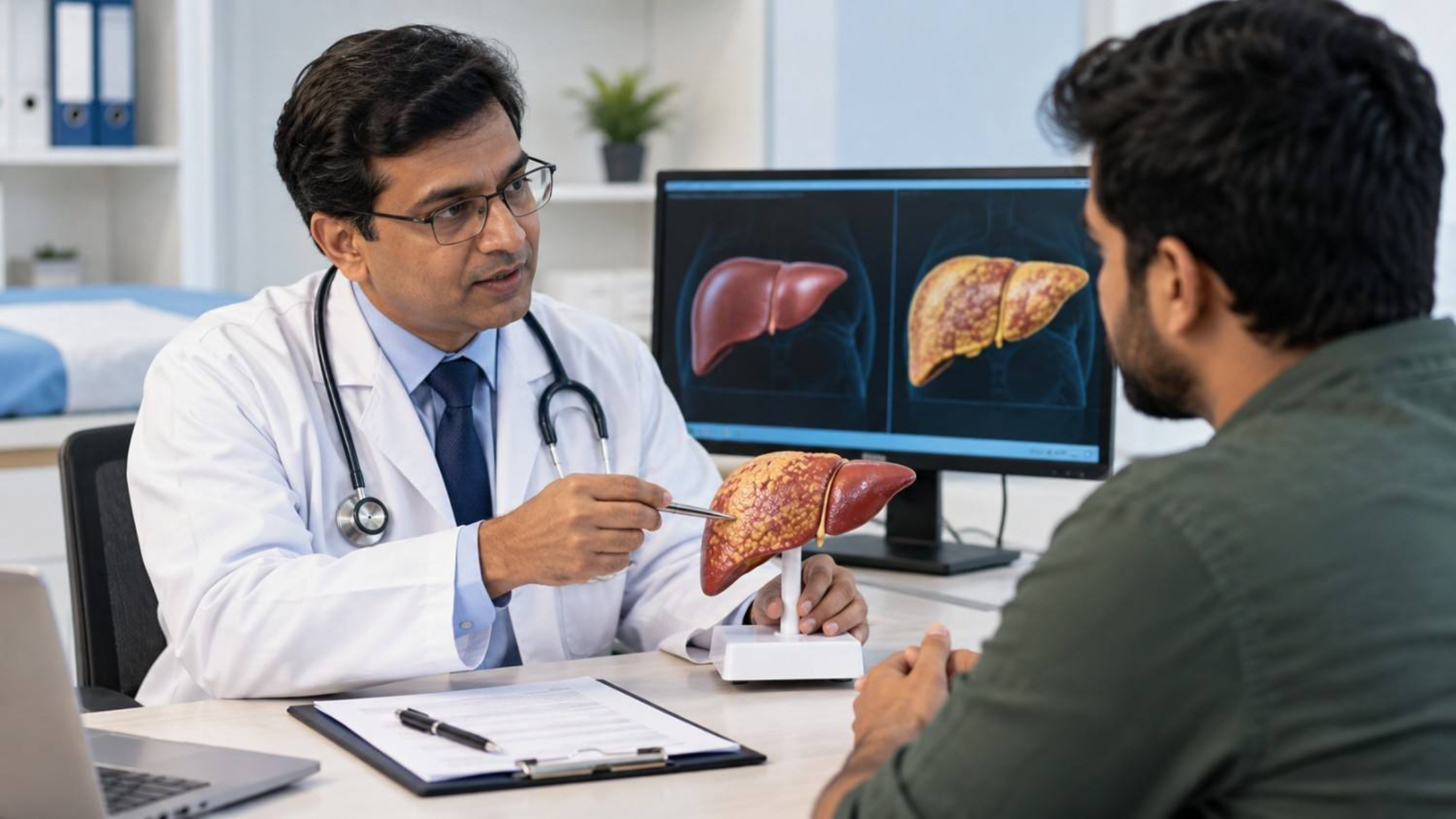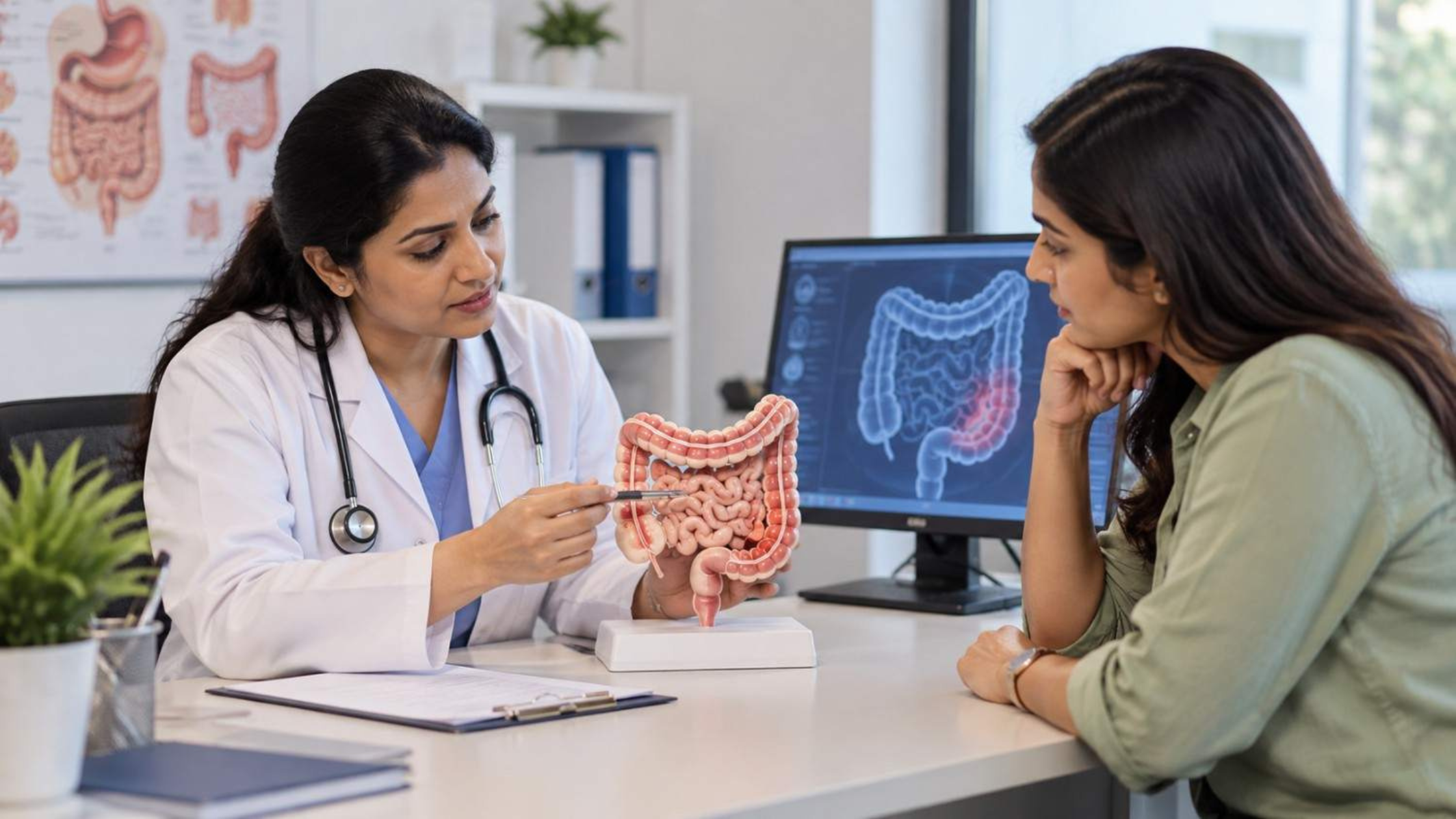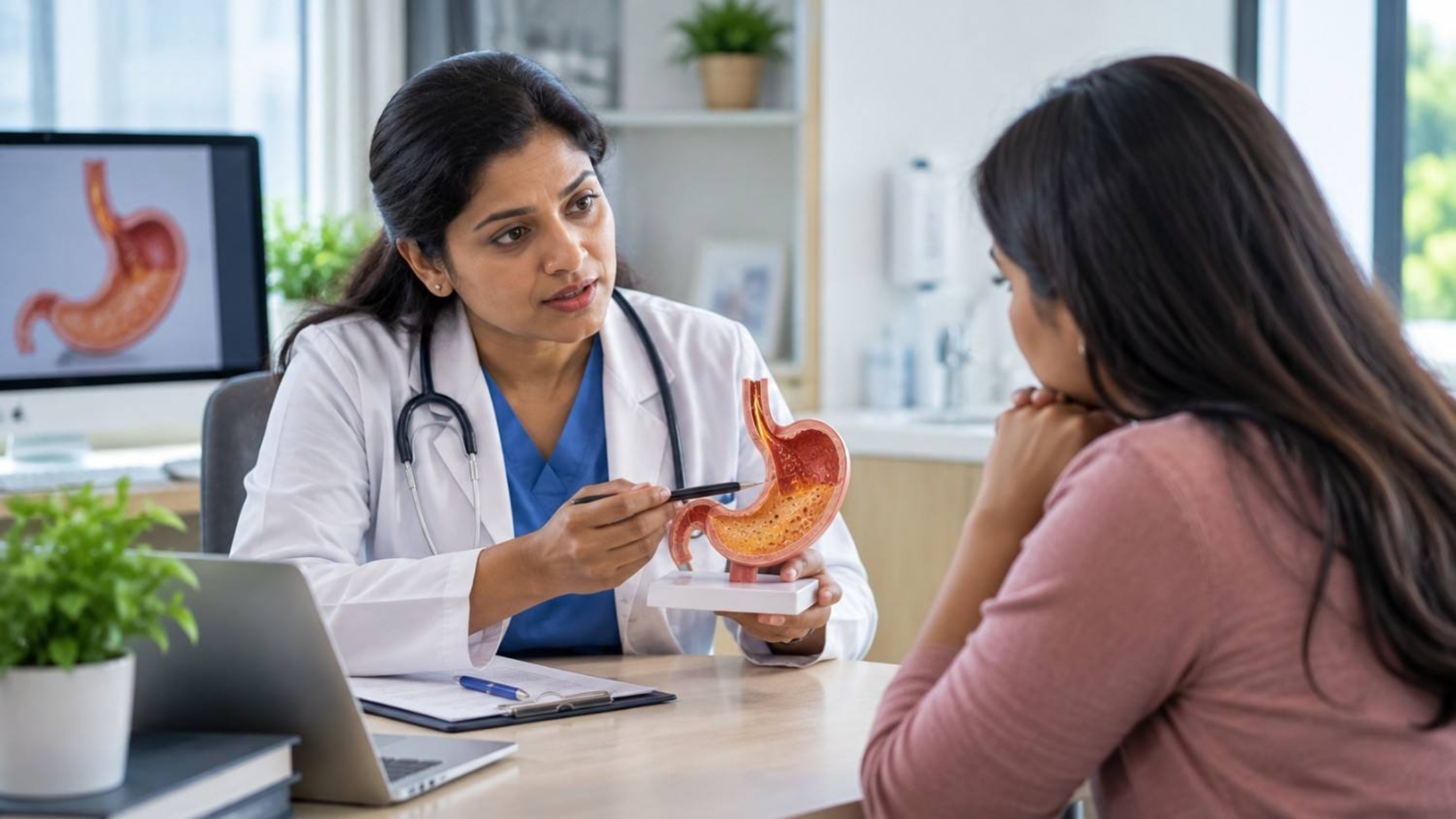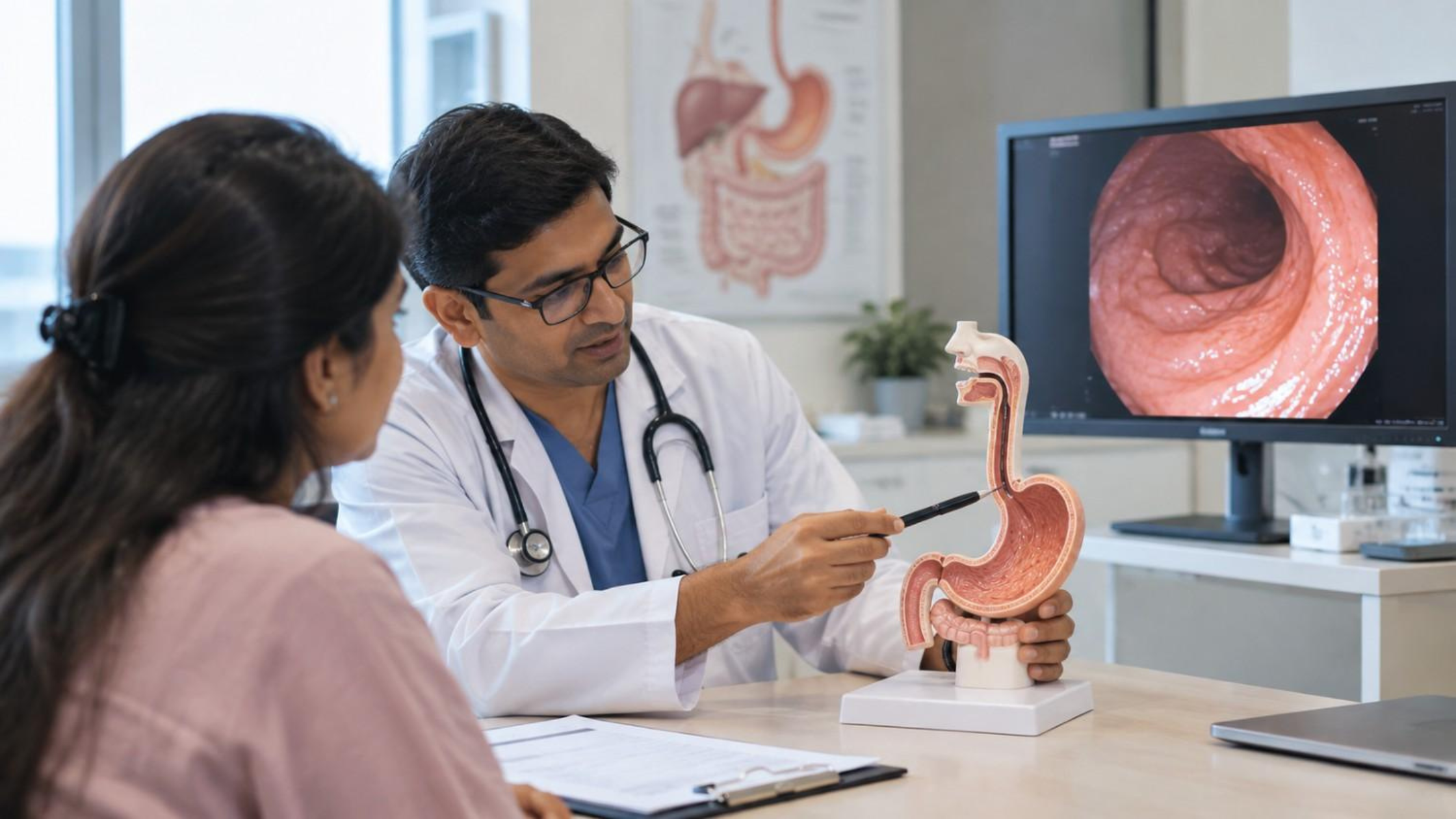
Upper GI endoscopy is a diagnostic procedure used to examine the upper part of the digestive system, including the oesophagus, stomach, and the first part of the small intestine. It can help doctors investigate symptoms such as persistent abdominal discomfort, difficulty swallowing, heartburn, vomiting, or unexplained upper gastrointestinal bleeding. Ananya Hospital provides gastroenterology services for patients who may require endoscopic evaluation, while Ananya Hospital helps patients understand the preparation, procedure, recovery, and possible findings associated with upper GI endoscopy.
What Is Upper GI Endoscopy?
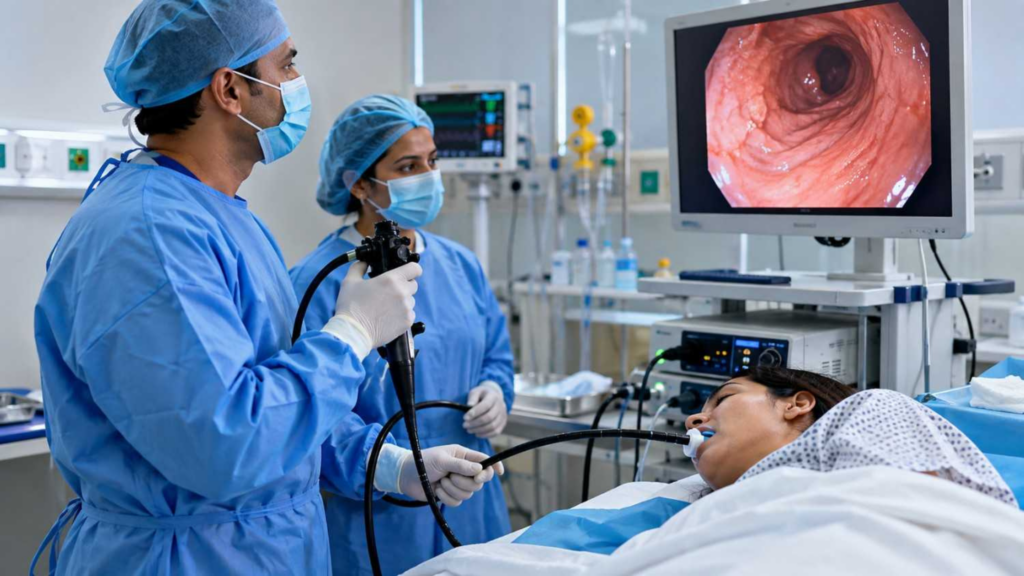
Upper gastrointestinal endoscopy, also known as gastroscopy or OGD, uses a thin, flexible tube called an endoscope. A small camera attached to the endoscope allows the doctor to view the lining of the upper digestive tract on a monitor.
The procedure can help identify abnormalities such as:
- Gastritis
- Stomach ulcers
- Oesophageal inflammation
- Gastroesophageal reflux-related changes
- Polyps
- Narrowing of the digestive tract
- Sources of upper gastrointestinal bleeding
- Certain abnormal tissue changes
A small tissue sample, called a biopsy, may also be collected when required.
When Is Upper GI Endoscopy Recommended?
A doctor may recommend an upper GI endoscopy when symptoms require a closer examination of the digestive tract.
Common reasons include:
- Persistent upper abdominal pain
- Difficulty or pain while swallowing
- Frequent or persistent heartburn
- Recurrent vomiting
- Unexplained anaemia
- Vomiting blood
- Black or tarry stools
- Suspected stomach or duodenal ulcers
- Persistent indigestion
- Monitoring certain previously diagnosed conditions
The decision depends on symptoms, age, medical history, examination findings, and previous investigations.
If you require specialist evaluation, an upper GI endoscopy specialist in Bangalore can assess whether endoscopy is appropriate for your symptoms.
What Conditions Can an Upper GI Endoscopy Detect?
An upper GI endoscopy provides a direct view of the digestive tract and can help doctors investigate several conditions.
These may include:
Gastritis
Gastritis refers to inflammation of the stomach lining. Endoscopy may help identify visible changes and allow biopsy when clinically appropriate.
Peptic Ulcers
Ulcers can develop in the stomach or duodenum. Endoscopy can help identify an ulcer and assess its appearance.
Gastroesophageal Reflux Disease
Endoscopy may be used to evaluate certain complications associated with persistent acid reflux, particularly when symptoms or clinical findings warrant further investigation.
Oesophageal Abnormalities
The procedure can help identify inflammation, narrowing, abnormal tissue, or other changes in the oesophagus.
How Should You Prepare for an Upper GI Endoscopy?
Proper preparation helps the doctor obtain a clear view of the upper digestive tract.
Patients are generally instructed not to eat for a specified period before the procedure. Your doctor or hospital will provide specific instructions regarding fasting and permitted fluids.
You should also inform the medical team about:
- Current medicines
- Blood-thinning medicines
- Allergies
- Existing medical conditions
- Previous reactions to sedation or anaesthesia
- Pregnancy, if applicable
Do not stop prescribed medication unless your healthcare provider specifically advises you to do so.
Patients undergoing an endoscopy procedure in Rajajinagar should carefully follow the preparation instructions provided by the treating team.
What Happens During the Procedure?
Before the procedure begins, the healthcare team reviews your medical history and explains the process.
A mouthguard may be used to protect the teeth and endoscope. Depending on the clinical setting and patient requirements, sedation may be provided to improve comfort.
The endoscope is gently passed through the mouth and guided through the oesophagus, stomach, and duodenum.
The doctor examines the digestive tract for abnormalities. If necessary, biopsies may be taken or certain minor procedures may be performed during the examination.
The procedure itself commonly takes around 15 to 30 minutes, although the total time at the facility may be longer because of preparation and recovery.
Is Upper GI Endoscopy Painful?
Some patients may experience temporary gagging, throat discomfort, bloating, or mild abdominal discomfort.
Sedation may be used to improve comfort during the procedure. Discuss any concerns about discomfort, sedation, or previous reactions with your healthcare team beforehand.
What Happens After Upper GI Endoscopy?
After the procedure, patients are usually observed for a short period, particularly when sedation has been administered.
You may experience:
- Mild sore throat
- Temporary bloating
- Mild abdominal discomfort
- Sleepiness following sedation
These effects generally improve within a short period.
If sedation was used, you may need someone to accompany you home and should follow the medical team’s instructions regarding driving and other activities.
Upper GI Endoscopy Recovery
Recovery varies from person to person and depends partly on whether sedation or additional procedures were used.
Patients should follow their doctor’s instructions regarding eating, drinking, medicines, and daily activities.
If a biopsy was performed, the doctor may explain when the results are expected and whether a follow-up appointment is required.
Seek medical attention if you develop severe abdominal pain, significant bleeding, persistent vomiting, difficulty breathing, fever, or other concerning symptoms after the procedure.
What Is the Difference Between Endoscopy and Colonoscopy?
Both procedures use a flexible camera, but they examine different parts of the digestive system.
Upper GI endoscopy examines the:
- Oesophagus
- Stomach
- Duodenum
Colonoscopy examines the:
- Rectum
- Large intestine
- Colon
The procedure recommended depends on the symptoms and the part of the digestive tract that needs evaluation.
Why Might a Doctor Recommend a Biopsy?
During an endoscopy, the doctor may notice tissue that requires further examination. A small sample can be collected and sent to a laboratory.
A biopsy may help investigate:
- Inflammation
- Infection
- Certain cellular changes
- Specific digestive conditions
Taking a biopsy does not necessarily mean that cancer is suspected. It may simply be part of investigating an abnormal-looking area or confirming a suspected condition.
How Can Digestive Conditions Be Evaluated?
Digestive symptoms can have many causes, and endoscopy is only one diagnostic option.
Depending on the patient’s symptoms, doctors may use:
- Blood tests
- Stool tests
- Ultrasound
- CT scans
- MRI
- Upper GI endoscopy
- Colonoscopy
- Other specialised investigations
Patients seeking digestive disorder treatment in Bangalore can discuss their symptoms with the gastroenterology team to determine which investigations may be appropriate.
What Should You Eat After Endoscopy?
Your healthcare team will tell you when you can begin eating and drinking after the procedure.
If your throat remains numb after the procedure, you may need to wait until normal sensation returns before eating or drinking.
Once permitted, patients can generally resume food according to their doctor’s instructions. If a specific procedure was performed during the endoscopy, additional dietary advice may be provided.
When Should You Contact a Doctor After Endoscopy?
Mild throat discomfort or bloating can occur after an endoscopy, but certain symptoms require medical attention.
Contact your healthcare provider promptly if you experience:
- Severe or worsening abdominal pain
- Significant bleeding
- Persistent vomiting
- Fever
- Difficulty breathing
- Chest pain
- Severe weakness or fainting
If symptoms are severe or sudden, seek urgent medical care.
Who Performs Upper GI Endoscopy?
Upper GI endoscopy is generally performed by a trained gastroenterologist or another appropriately qualified medical professional.
The doctor performing the procedure should review your symptoms and medical history beforehand and explain why the examination is being recommended.
Patients looking for a gastrointestinal specialist in Bangalore can discuss their digestive symptoms and potential diagnostic options with an appropriate specialist.
Why Choose Ananya Hospital for Gastroenterology Care?
Ananya Hospital provides gastroenterology evaluation and diagnostic services for patients experiencing digestive symptoms. The gastroenterology team can assess symptoms, review previous reports, and determine whether procedures such as upper GI endoscopy may be appropriate. Endoscopy can provide direct visual information about the upper digestive tract and may also allow biopsies or selected treatments during the same procedure. Patients looking for an endoscopy centre in Rajajinagar can discuss their symptoms, preparation requirements, and procedure-related concerns with the medical team.
Frequently Asked Questions
How long does an upper GI endoscopy take?
The procedure itself commonly takes around 15 to 30 minutes. The complete visit may take longer because of preparation, sedation, and recovery.
Can I eat before an upper GI endoscopy?
Patients are generally required to fast for a specified period before the procedure. Follow the exact fasting instructions provided by your healthcare team.
Will I be awake during an upper GI endoscopy?
Sedation may be provided depending on the procedure and clinical setting. Your doctor will explain the available options before the examination.
Can I go home after an upper GI endoscopy?
Many patients can return home on the same day. If sedation is used, you may need someone to accompany you and should follow the instructions provided by your healthcare team.
How long does recovery take after an endoscopy?
Many people resume normal activities relatively quickly, but recovery depends on the procedure, sedation, and individual circumstances. Follow your doctor’s specific instructions.
Conclusion
Upper GI endoscopy can help doctors investigate symptoms and identify abnormalities affecting the oesophagus, stomach, and duodenum. Understanding the preparation, procedure, possible biopsy, and recovery process can help patients feel better prepared for the examination. Ananya Hospital provides gastroenterology evaluation and endoscopic care for patients with a range of digestive concerns, while Ananya Hospital helps patients understand the diagnostic process and follow-up requirements based on their individual needs.
If you have persistent digestive symptoms or have been advised to undergo an upper GI endoscopy, discuss the procedure and preparation requirements with a qualified gastroenterology team.
Need an endoscopy evaluation? Connect with the gastroenterology team at Ananya Hospital to discuss your symptoms and understand whether an upper GI endoscopy may be suitable for you: Book Your Gastroenterology Consultation.
Follow us on Instagram: Follow Ananya Hospital for digestive-health information, procedure guidance, and healthcare updates.