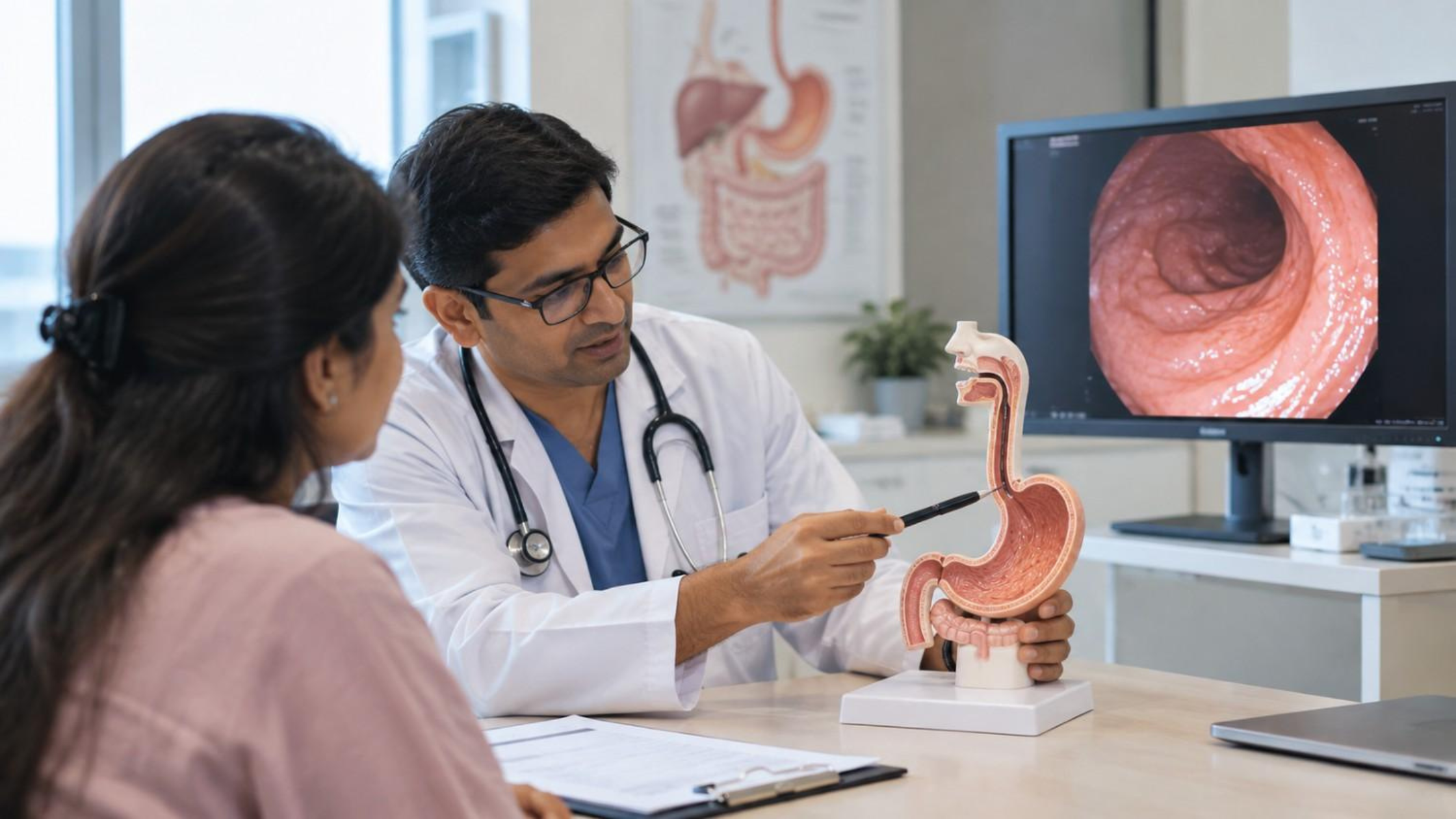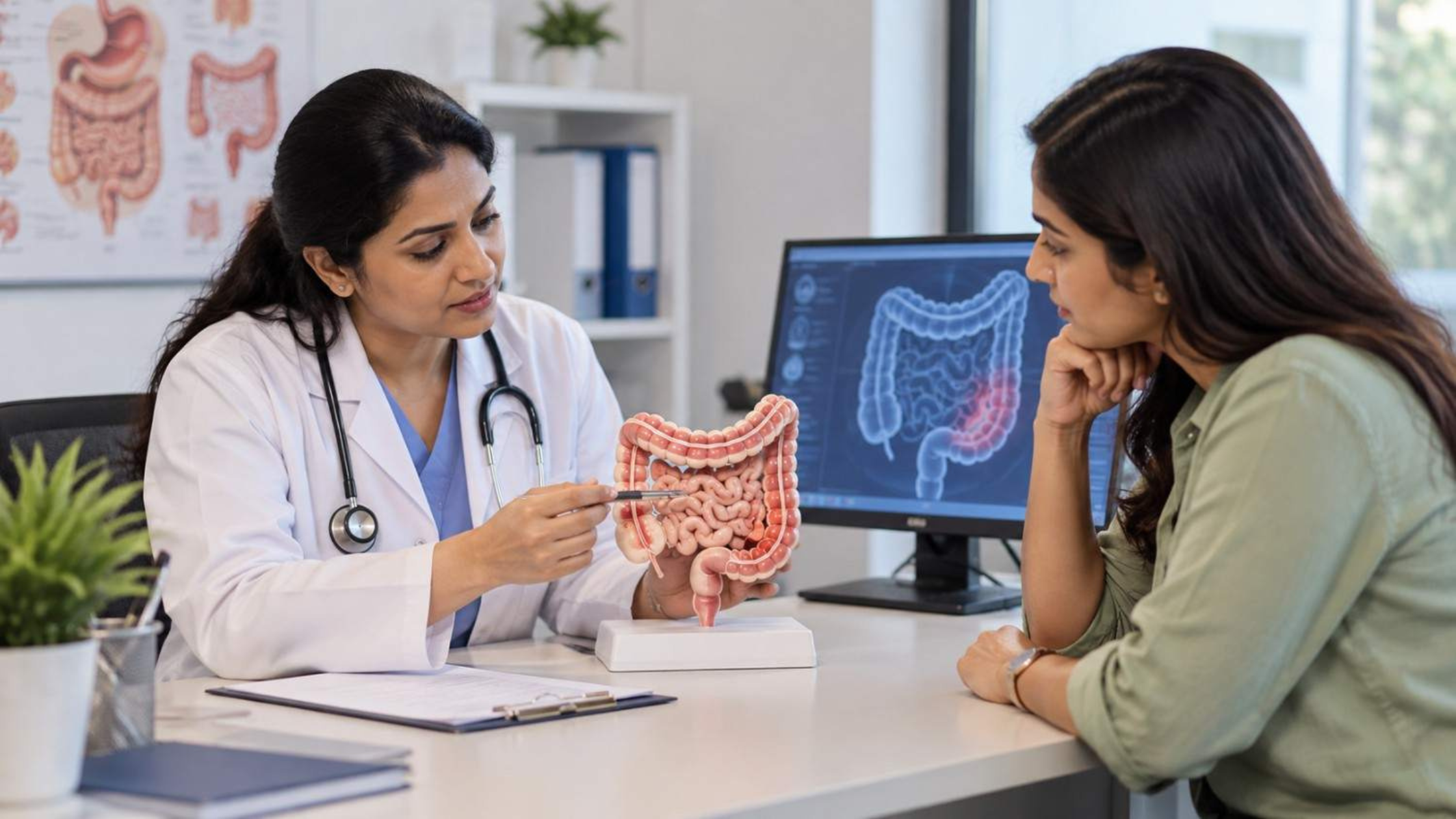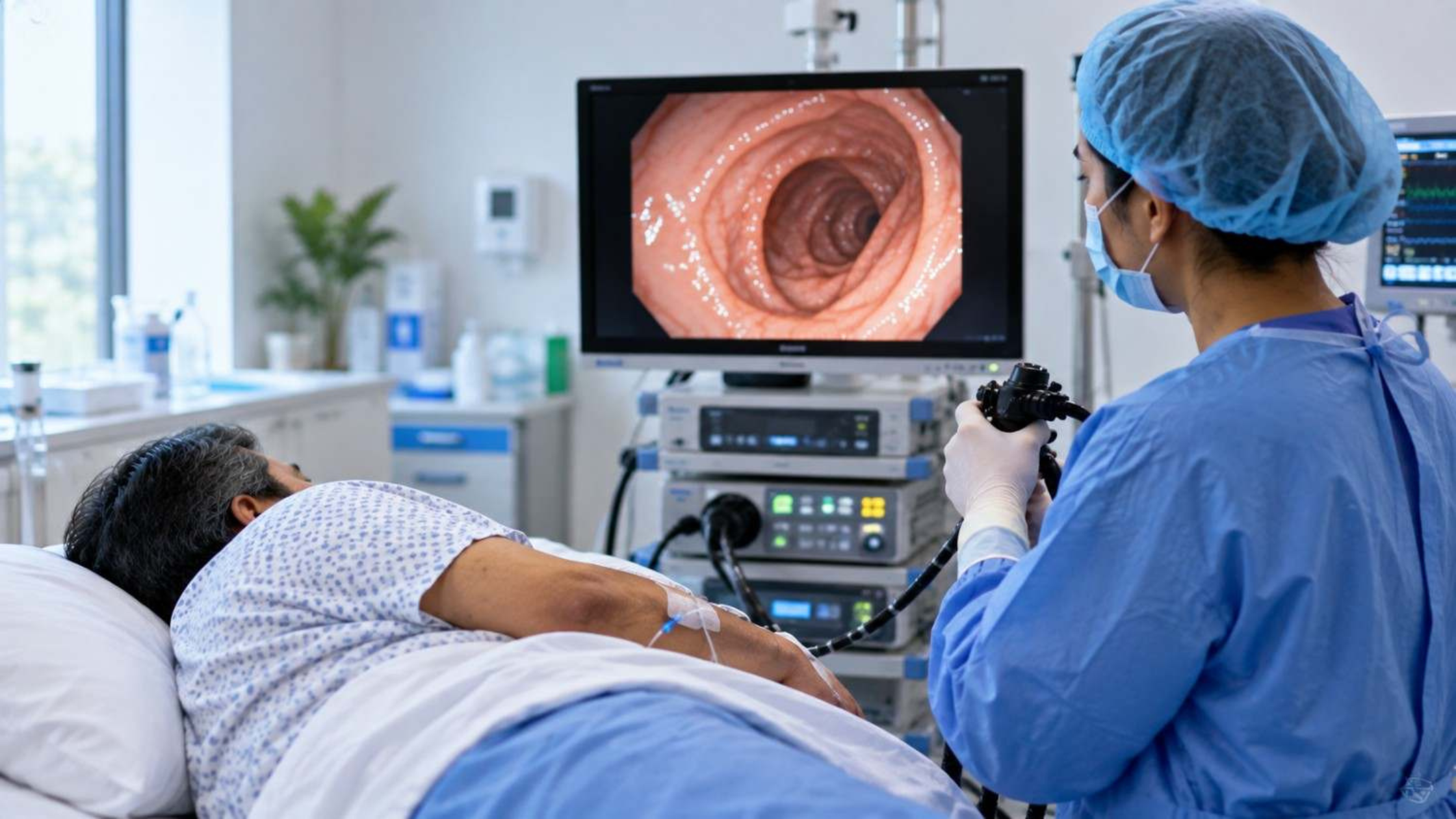
Colonoscopy is a commonly used procedure that allows doctors to examine the inner lining of the large intestine and rectum. It can help investigate persistent digestive symptoms, identify abnormalities, and screen for certain bowel conditions. Ananya Hospital provides gastroenterology care for patients who may require diagnostic procedures such as colonoscopy, while Ananya Hospital helps patients understand why a colonoscopy may be recommended and what to expect before, during, and after the procedure. The need for colonoscopy depends on symptoms, age, medical history, previous test results, and individual risk factors.
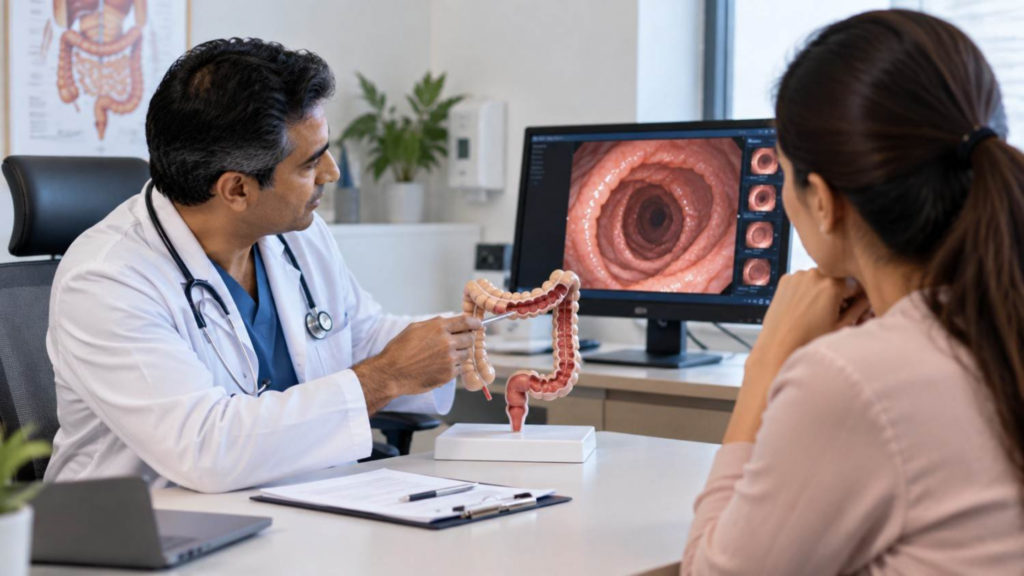
What Is a Colonoscopy?
A colonoscopy is a procedure performed using a flexible instrument called a colonoscope. The device has a small camera that allows the doctor to examine the lining of the rectum and colon.
During the procedure, the doctor can look for abnormalities such as:
- Polyps
- Inflammation
- Bleeding
- Ulcers
- Unusual tissue changes
- Other abnormalities of the colon
If necessary, small tissue samples may be collected for laboratory examination. Certain polyps can also be removed during the procedure.
When Is a Colonoscopy Recommended?
A doctor may recommend colonoscopy when symptoms or medical history indicate that examination of the colon could provide useful information.
Common reasons include:
- Persistent changes in bowel habits
- Blood in the stool
- Unexplained abdominal discomfort
- Unexplained weight loss
- Persistent diarrhoea or constipation
- Iron-deficiency anaemia in selected cases
- Follow-up of previously detected polyps
- Evaluation of certain bowel diseases
- Colorectal cancer screening based on age and risk
If you are experiencing ongoing digestive symptoms, consulting a gastroenterologist in Rajajinagar can help determine whether colonoscopy or another investigation is appropriate.
Colonoscopy for Colorectal Cancer Screening
Colonoscopy may be used as a screening test for colorectal cancer in people who meet recommended age or risk criteria.
Screening recommendations can vary depending on age, family history, previous polyps, inherited conditions, and other risk factors. People with a family history of colorectal cancer may require an earlier or different screening approach.
A doctor can discuss the appropriate screening strategy based on your personal risk profile rather than relying on a single age threshold.
What Happens Before a Colonoscopy?
Preparation is an important part of the procedure because the colon needs to be sufficiently clear for the doctor to see its lining.
Your healthcare team may provide instructions regarding:
- Diet before the procedure
- Clear-liquid intake
- Bowel-cleansing medication
- Medicines that may need adjustment
- The timing of your last meal
- Arrangements for transportation after the procedure
Following the preparation instructions carefully can improve the quality of the examination.
Colonoscopy Preparation: What Should You Eat?
The exact preparation plan varies according to the healthcare provider’s instructions.
Patients may be asked to follow a low-fibre or modified diet before the procedure and switch to clear liquids at a specific stage.
Clear liquids may include options such as water, clear broth, or other permitted liquids. However, patients should follow the specific instructions provided by their medical team because preparation protocols can differ.
What Happens During the Colonoscopy?
On the day of the procedure, the healthcare team will review your medical history and explain the process.
The colonoscope is carefully inserted through the rectum and advanced through the colon. The camera provides images of the intestinal lining on a monitor.
Medication may be provided to help the patient remain comfortable during the examination.
The doctor examines the colon carefully and may take a biopsy or remove a polyp if required.
The procedure itself commonly takes around 20 to 60 minutes, although the total time at the hospital can be longer because of preparation and recovery.
Is Colonoscopy Painful?
Some people may experience pressure, bloating, or cramping during or after the procedure. Sedation or other medication may be used to improve comfort, depending on the clinical setting and individual circumstances.
Discuss any concerns about discomfort or sedation with your healthcare team before the procedure.
What Can Colonoscopy Detect?
A colonoscopy can help doctors identify several abnormalities affecting the large intestine.
These may include:
- Colon polyps
- Inflammatory changes
- Sources of gastrointestinal bleeding
- Certain bowel diseases
- Abnormal tissue
- Possible signs of colorectal cancer
A biopsy may be taken when tissue needs further examination. The final diagnosis may depend on the biopsy report and other clinical findings.
Colonoscopy vs Other Digestive Tests
Colonoscopy is one of several investigations used to evaluate digestive problems.
Depending on the symptoms, doctors may also recommend:
- Upper GI endoscopy
- Abdominal ultrasound
- CT imaging
- MRI
- Stool tests
- Blood tests
A gastroenterology hospital in Bangalore can help patients understand which diagnostic procedure may be appropriate based on their symptoms and medical history.
What Happens After a Colonoscopy?
After the procedure, patients are usually monitored for a short period, particularly if sedation has been used.
Temporary bloating or mild abdominal discomfort can occur because air or carbon dioxide may be introduced into the colon during the examination.
If a biopsy or polyp removal was performed, the doctor may provide additional instructions.
Patients who receive sedation may need someone to accompany them home and should follow the healthcare team’s advice regarding driving and other activities.
Colonoscopy Recovery
Recovery is generally straightforward for many patients, but individual instructions may vary.
After the procedure:
- Follow the recommended diet
- Take prescribed medicines as instructed
- Rest if you feel tired
- Avoid driving if sedation was used
- Follow up regarding biopsy results if samples were taken
Contact your healthcare provider if you develop severe abdominal pain, heavy bleeding, fever, breathing difficulty, or other concerning symptoms after the procedure.
When Should You Seek Gastroenterology Care?
Persistent digestive symptoms should not always be dismissed as temporary indigestion.
Consider discussing your symptoms with a doctor if you experience:
- Repeated blood in the stool
- Persistent changes in bowel habits
- Ongoing abdominal pain
- Unexplained weight loss
- Persistent diarrhoea
- Unexplained anaemia
- A strong family history of colorectal disease
A stomach specialist in Rajajinagar can assess your symptoms and determine whether further digestive investigations may be necessary.
Who Should Not Delay Medical Evaluation?
Certain symptoms require prompt medical attention rather than waiting for symptoms to resolve on their own.
Significant gastrointestinal bleeding, severe abdominal pain, persistent vomiting, fainting, or sudden worsening of symptoms should be medically assessed promptly.
Your doctor can determine whether colonoscopy, emergency care, imaging, blood tests, or another investigation is appropriate.
Why Choose Ananya Hospital for Gastroenterology Care?
Ananya Hospital provides gastroenterology care for patients requiring evaluation and management of digestive conditions. Gastrointestinal symptoms can have many possible causes, so appropriate assessment is important before deciding whether a colonoscopy is needed. The medical team can review symptoms, medical history, previous reports, and relevant investigations before recommending the next step. Patients seeking a digestive health specialist in Bangalore can discuss their concerns and available diagnostic options with the gastroenterology team.
Frequently Asked Questions
How long does a colonoscopy take?
The colonoscopy procedure itself commonly takes around 20 to 60 minutes. The overall hospital visit may take longer because of preparation, sedation, and recovery.
How should I prepare for a colonoscopy?
Preparation usually involves dietary changes and bowel-cleansing medication according to your doctor’s instructions. Follow the exact preparation schedule provided by your healthcare team.
Can polyps be removed during colonoscopy?
Yes. Certain polyps can be removed during the procedure and sent for laboratory examination.
Can I go home after a colonoscopy?
Many patients can go home the same day. If sedation has been used, you may need someone to accompany you and should follow the team’s instructions regarding driving and other activities.
When should I get a colonoscopy?
The appropriate timing depends on symptoms, age, family history, previous colonoscopy findings, and other risk factors. A doctor can recommend the appropriate timing based on your individual circumstances.
Conclusion
Colonoscopy can provide valuable information when doctors need to examine the large intestine for symptoms, abnormalities, polyps, or selected screening purposes. Understanding the preparation, procedure, recovery, and possible findings can help patients approach the examination with greater clarity. Ananya Hospital provides gastroenterology services for patients requiring digestive evaluation and diagnostic procedures, while Ananya Hospital helps patients discuss whether colonoscopy may be appropriate for their individual symptoms and medical history.
If your doctor has recommended a colonoscopy or you have persistent digestive symptoms, professional evaluation can help determine the appropriate next step.
Have questions about your digestive symptoms or colonoscopy? Speak with the gastroenterology team at Ananya Hospital to discuss your concerns and determine the next appropriate step: Arrange Your Gastroenterology Appointment.
Follow us on Instagram: Get practical digestive-health information, healthcare education, and updates from Ananya Hospital.