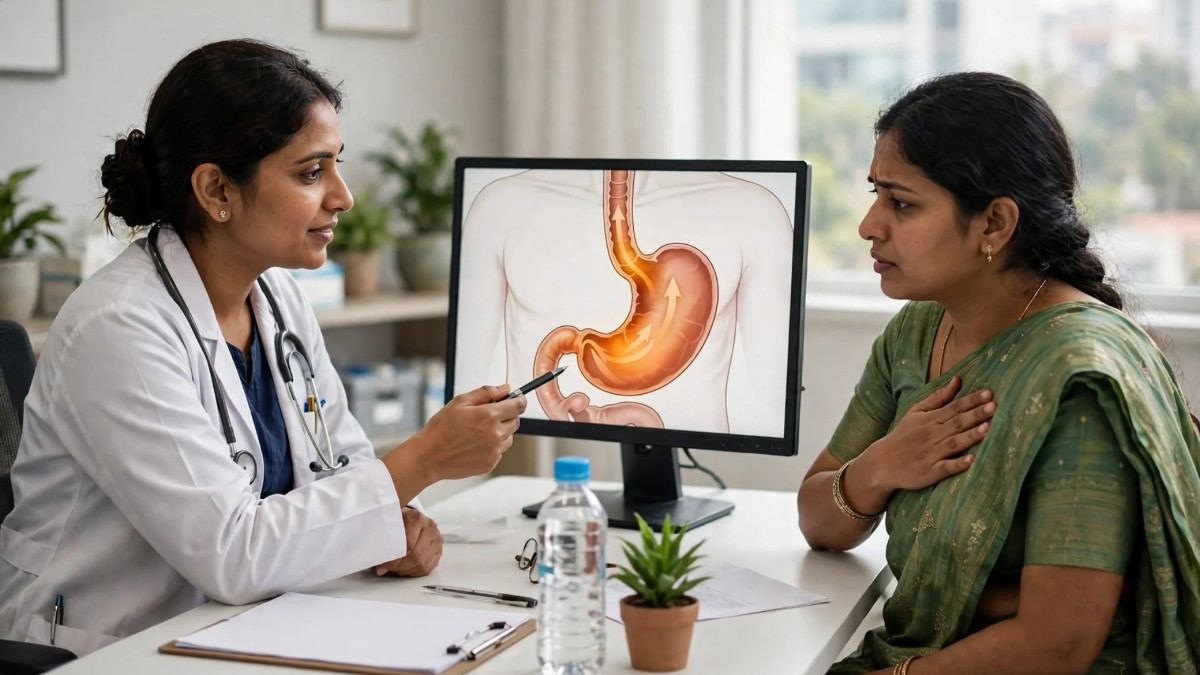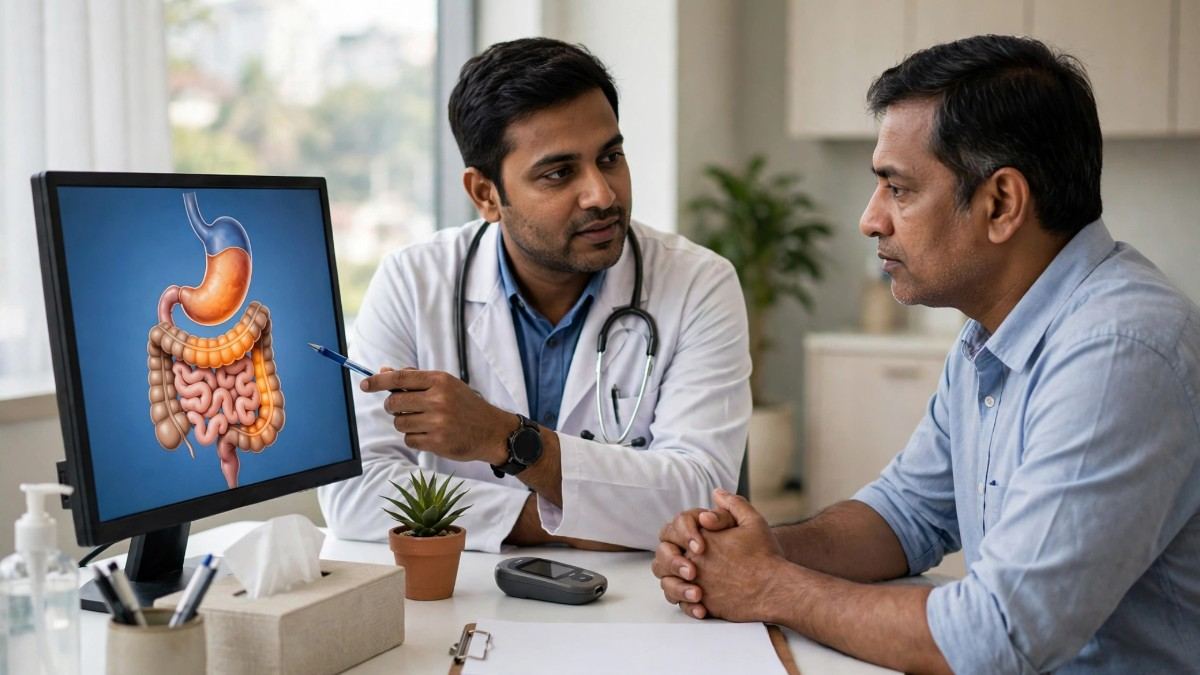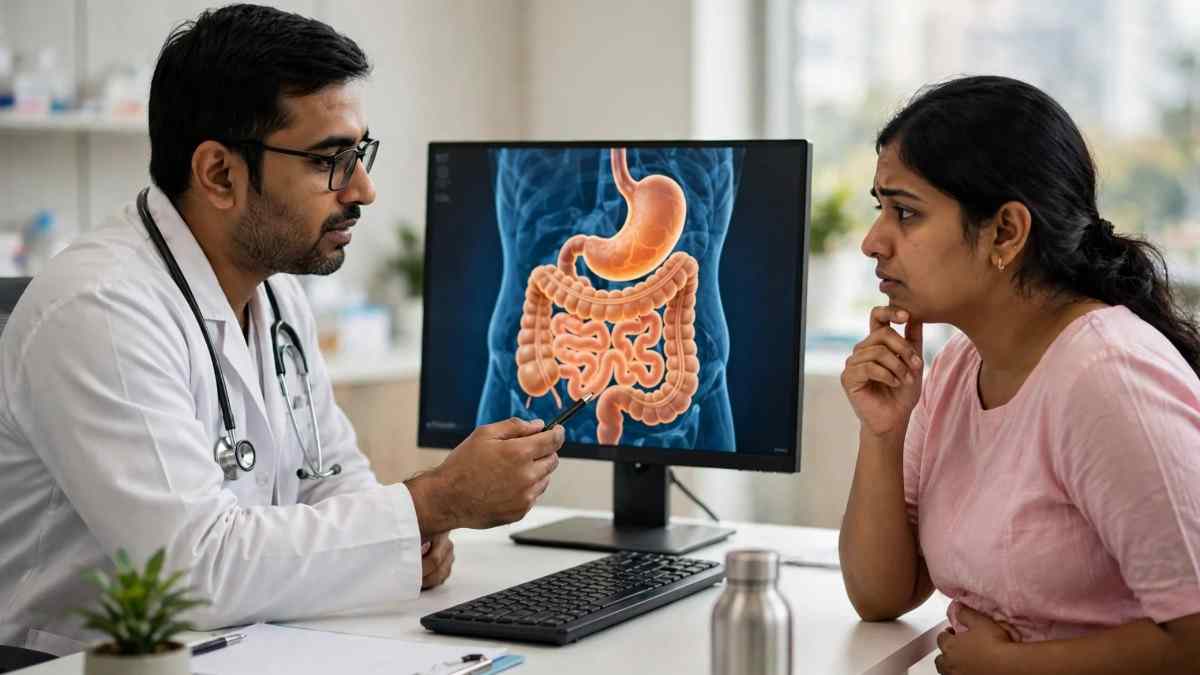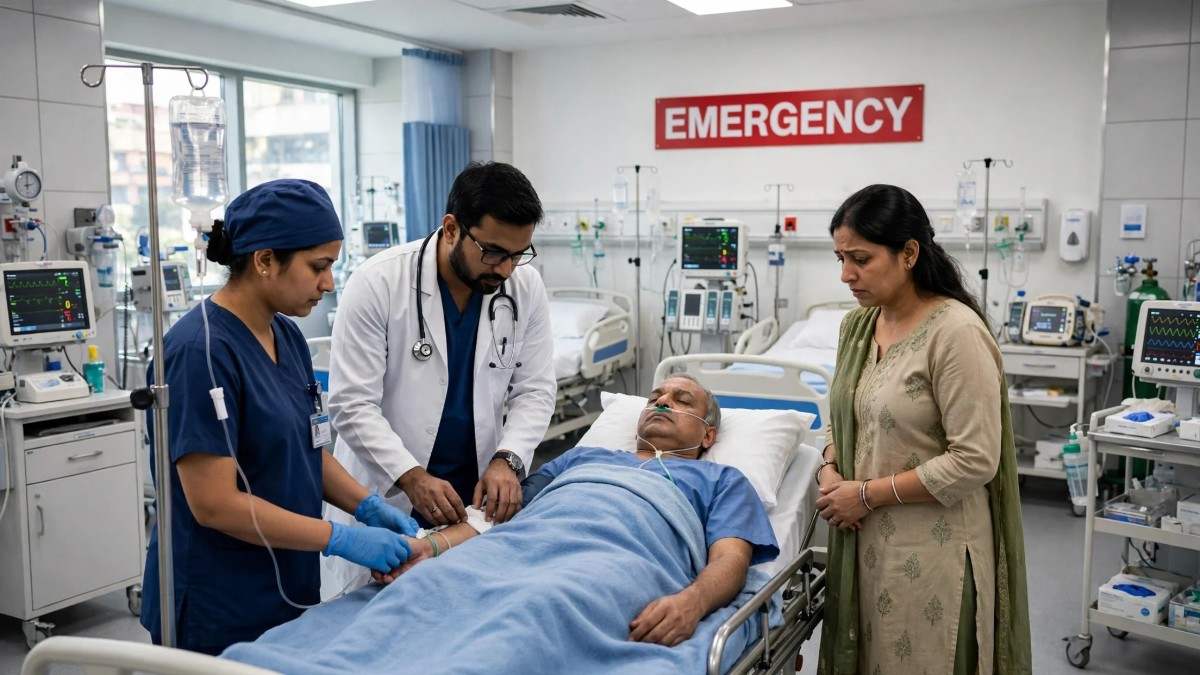
Medical emergencies can happen without warning. Sometimes, a person may experience sudden chest pain, difficulty breathing, severe injuries, or unexpected changes in consciousness. In such situations, recognizing the warning signs and getting medical help at the right time can make a significant difference. Knowing when to seek 24/7 Emergency Care in Bangalore is important for individuals and families who want to be prepared for unexpected health situations. Ananya Hospital focuses on providing healthcare support for patients who need medical attention. At Ananya Hospital, timely medical evaluation and appropriate emergency care are important parts of patient well-being.
What Is a Medical Emergency?
A medical emergency is a health condition that requires immediate medical attention to prevent serious complications or protect a person’s life. It may develop suddenly due to an accident, an existing medical condition, an infection, or an unexpected change in health.
Not every health problem requires emergency treatment. However, certain symptoms should never be ignored, even if they appear mild at first.
Some common situations that may require emergency care include:
- Sudden chest pain or pressure.
- Difficulty breathing or shortness of breath.
- Severe bleeding or deep injuries.
- Sudden weakness or difficulty speaking.
- Loss of consciousness or seizures.
- Severe abdominal pain.
- Serious burns or accidental injuries.
Recognizing these warning signs early can help patients receive appropriate medical attention without unnecessary delays.
7 Medical Situations That Require Immediate Emergency Care
Understanding the symptoms of serious medical conditions can help you decide when to seek emergency assistance.
1. Chest Pain and Possible Heart Attack
Sudden chest pain or pressure can be a warning sign of a heart attack. Some people describe it as tightness, heaviness, squeezing, or burning in the chest.
Other symptoms may include:
- Pain spreading to the arms, back, neck, or jaw.
- Cold sweating.
- Nausea or vomiting.
- Shortness of breath.
- Dizziness or unusual weakness.
A heart attack is a medical emergency. Do not wait for the symptoms to disappear on their own. Seek immediate medical help.
2. Difficulty Breathing
Sudden breathing difficulties can occur due to asthma attacks, severe allergic reactions, lung infections, or heart-related conditions.
Warning signs include rapid breathing, chest tightness, bluish lips, and difficulty speaking because of breathlessness.
If someone is struggling to breathe, arrange emergency medical assistance immediately. Do not delay treatment while trying home remedies.
3. Stroke Symptoms
A stroke occurs when blood supply to part of the brain is interrupted or when bleeding occurs in the brain. Recognizing the symptoms quickly is extremely important.
Remember the FAST warning signs:
- F – Face: One side of the face may droop.
- A – Arms: One arm may become weak or difficult to lift.
- S – Speech: Speech may become unclear or difficult to understand.
- T – Time: Seek emergency medical assistance immediately.
Other symptoms may include sudden vision problems, loss of balance, severe dizziness, or an unexplained severe headache.
Even if these symptoms disappear after a few minutes, medical evaluation is still necessary.
4. Severe Bleeding and Accidental Injuries
Accidents can happen at home, on roads, or at workplaces. Some injuries may appear manageable, while others can become serious very quickly.
Seek emergency care if someone experiences:
- Heavy bleeding that does not stop.
- Deep cuts or serious wounds.
- Suspected fractures.
- Head injuries with vomiting or confusion.
- Serious road traffic accident injuries.
- Loss of consciousness after an accident.
For external bleeding, apply firm pressure with a clean cloth if possible while arranging emergency assistance. Avoid moving someone with a suspected serious neck or spine injury unless there is immediate danger.
5. Seizures and Sudden Loss of Consciousness
A seizure may involve uncontrolled body movements, temporary loss of awareness, or unusual behaviour. Some seizures may stop within a short time, but others require immediate medical attention.
Seek emergency help if:
- A seizure lasts longer than five minutes.
- Another seizure begins before the person recovers.
- The person has difficulty breathing or does not regain consciousness.
- The seizure happens for the first time.
- The person is injured during the episode.
Do not put anything inside the person’s mouth or try to hold their movements. Move nearby dangerous objects away and protect the person from injury.
6. Severe Abdominal Pain
Sudden or intense abdominal pain may indicate conditions such as appendicitis, intestinal obstruction, gallbladder problems, or other serious digestive conditions.
Warning signs include:
- Severe or worsening stomach pain.
- Repeated vomiting.
- A swollen or unusually tender abdomen.
- Fever accompanied by abdominal pain.
- Blood in vomit or stools.
Avoid ignoring severe abdominal pain or relying only on painkillers without understanding its cause. Immediate medical evaluation may be necessary.
7. Severe Allergic Reactions
Some allergic reactions can become life-threatening within minutes. A severe reaction known as anaphylaxis may affect breathing, blood pressure, and multiple organs.
Symptoms may include:
- Swelling of the lips, tongue, or throat.
- Difficulty breathing.
- Widespread itching or skin rashes.
- Dizziness or fainting.
- Sudden weakness or collapse.
Anaphylaxis requires immediate emergency treatment. If the person has a prescribed adrenaline auto-injector, help them use it according to their emergency instructions while arranging medical assistance.
When Should You Visit an Emergency Hospital Instead of Waiting?
Sometimes, people delay seeking medical attention because they think the symptoms will improve on their own. However, waiting can be dangerous when serious warning signs are present.
You should seek emergency medical attention if symptoms are sudden, severe, rapidly worsening, or affecting basic body functions such as breathing, consciousness, or movement.
Choosing 24/7 Emergency Care in Bangalore can be important when medical assistance is needed outside regular hospital hours.
A 24/7 multispeciality emergency hospital Bangalore can help patients access emergency assessment and medical support for different types of health conditions.
Remember, when a situation appears life-threatening, call India’s emergency number 112 or arrange immediate transport to the nearest appropriate emergency department. Do not attempt to drive yourself if you are experiencing severe symptoms.
24/7 Emergency Care in Rajajinagar: Services Patients Should Know
Emergency healthcare involves more than treating sudden injuries. Patients may require immediate assessment, medical stabilization, diagnostic support, and further treatment depending on their condition.
When choosing an emergency hospital, it is useful to understand the services available, such as:
- Emergency medical evaluation.
- Assessment of accident-related injuries.
- Initial management of chest pain and breathing difficulties.
- Emergency support for neurological symptoms.
- Management of acute abdominal conditions.
- Access to relevant diagnostic investigations.
- Referral or coordination with specialist departments when required.
For more information about emergency facilities and available services, patients can explore 24/7 Emergency Care in Rajajinagar: Services Patients Should Know.
When searching for a best emergency hospital in Bangalore, consider the availability of emergency doctors, appropriate medical facilities, specialist support, and access to necessary investigations.
How Can You Prepare for a Medical Emergency?
Although emergencies cannot always be predicted, a little preparation can help families respond more confidently.
Here are some simple steps to follow:
- Keep important medical records and prescriptions accessible.
- Save emergency contact numbers on your phone.
- Know the location of the nearest emergency department.
- Keep basic first-aid supplies at home.
- Understand the warning signs of common medical emergencies.
- Inform family members about existing medical conditions and allergies.
Being prepared can help reduce confusion and save valuable time during unexpected situations.
Emergency Medical Consultation: Get Help When Every Second Matters
When a medical emergency occurs, delaying professional attention can increase the risk of complications. Whether it involves sudden chest pain, serious injuries, breathing difficulties, or other alarming symptoms, getting the right medical assistance should always be the priority.
If you are looking for 24/7 Emergency Care in Bangalore, Ananya Hospital is a healthcare option to explore for information about its emergency services and available facilities.
Don’t wait for a warning sign to become a serious problem. Your health cannot wait!
Contact the hospital through its official website to esquire about emergency facilities and medical services. In a life-threatening situation, call 112 or seek immediate emergency assistance rather than waiting for an appointment.
Frequently Asked Questions
1. What symptoms require immediate emergency medical attention?
Symptoms such as chest pain, difficulty breathing, sudden weakness, severe bleeding, seizures, loss of consciousness, and severe abdominal pain may require immediate medical attention.
2. When should I visit an emergency hospital?
Visit an emergency hospital when symptoms are sudden, severe, rapidly worsening, or potentially life-threatening. Do not wait for a routine appointment if you notice serious warning signs.
3. Can medical emergencies happen at night?
Yes. Medical emergencies can happen at any time, including during nights, weekends, and holidays. Knowing where to access emergency medical assistance is important.
4. What should I do while waiting for emergency medical help?
Keep the affected person as safe and comfortable as possible. Follow the emergency operator’s instructions, avoid giving food or drinks to an unconscious person, and do not attempt treatments beyond your training.
5. How do I choose the right emergency hospital in Bangalore?
Consider the hospital’s emergency availability, medical team, facilities, diagnostic support, specialist services, and location. In a serious emergency, choose the nearest appropriate emergency department instead of delaying care to compare hospitals.
Conclusion
Medical emergencies require quick recognition and timely action. Symptoms such as chest pain, breathing difficulties, stroke warning signs, severe injuries, seizures, and intense abdominal pain should never be ignored. Understanding these warning signs and knowing where to seek help can make an important difference during unexpected situations. Ananya Hospital encourages individuals and families to stay informed about emergency healthcare and recognize when immediate medical attention is necessary. Ananya Hospital also emphasizes the importance of timely medical evaluation in protecting health and preventing avoidable complications. Being prepared today can help you make the right decision when every second matters.
Follow us on Instagram : Stay connected with Ananya Hospital for health information, preventive-care tips, and healthcare updates.
Disclaimer: The information provided in this article is for educational and informational purposes only and should not be construed as professional medical advice, diagnosis, or treatment. Always seek the advice of your physician or qualified healthcare provider with any questions you may have regarding a medical condition.