When your doctor says “you may need bone surgery,” the words land with unique weight. Bones, after all, hold us upright — and any operation involving them feels significant. The good news is that modern orthopaedic surgery has evolved dramatically in the last two decades. Implants are stronger and more precise. Surgical techniques are increasingly minimally invasive. Recovery protocols are faster and more structured than ever. Choosing the right bone surgery hospital in Bangalore is the single most important decision you’ll make in your treatment journey — and this guide is built to help you do exactly that.
Whether you’re dealing with a fresh fracture, a chronic joint problem, a sports injury, or a complex deformity, the principles of high-quality bone care remain the same. Let’s walk through them.
What Does Bone Surgery Actually Cover?
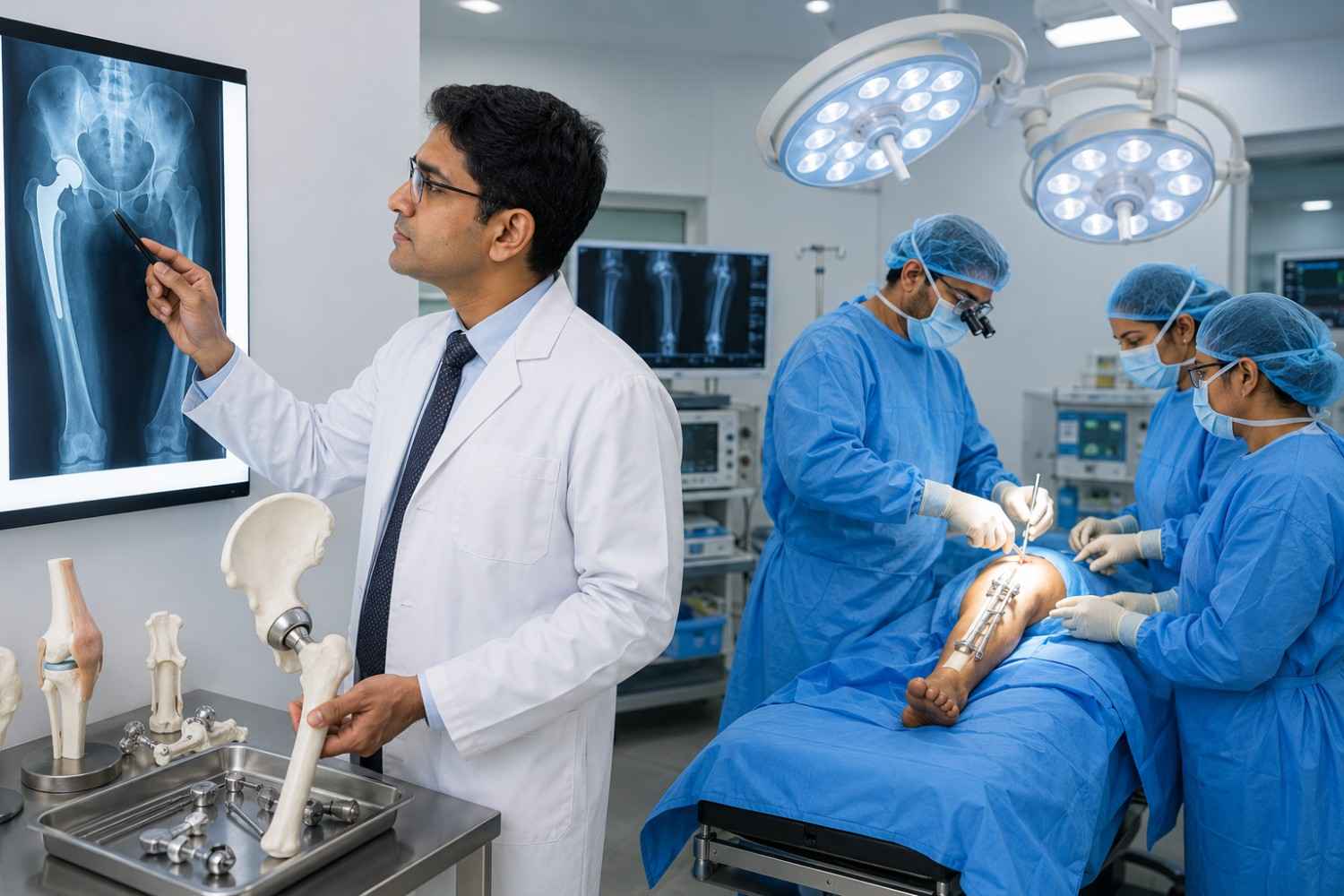
Bone surgery — formally called orthopaedic surgery — is a broad specialty that includes:
• Trauma surgery — fixing fractures and dislocations
• Joint replacement — knee, hip, shoulder, ankle
• Arthroscopic surgery — minimally invasive joint procedures
• Spine surgery — disc and vertebral conditions
• Sports injury surgery — ligaments, tendons, cartilage
• Hand and foot surgery — small but precision-demanding
• Pediatric orthopaedics — for children’s bones and growth issues
• Deformity correction — for bow legs, scoliosis, etc.
• Bone tumour surgery — benign and malignant lesions
• Limb-lengthening procedures — for shortened or unequal limbs
A complete bone surgery hospital should handle every one of these — not just the routine cases.
Common Reasons People Need Bone Surgery
| Condition | Typical Surgery |
| Broken bone (fracture) | Open reduction and internal fixation (ORIF) |
| Severe arthritis of knee or hip | Total joint replacement |
| Torn ligament (e.g., ACL) | Arthroscopic ligament reconstruction |
| Slipped disc / nerve compression | Microdiscectomy / decompression |
| Bow leg / scoliosis | Realignment surgery |
| Rotator cuff tear | Arthroscopic repair |
| Bone tumour | Excision / reconstruction |
| Osteoporotic compression fracture | Vertebroplasty / kyphoplasty |
| Foot deformity (e.g., bunion) | Corrective osteotomy |
Each of these has very different demands on hospital infrastructure.
How Modern Bone Surgery Has Evolved
Compare today’s orthopaedic care to a generation ago:
| Then | Now |
| Plaster casts for weeks | Internal fixation, return to walking quickly |
| Long open joint surgeries | Arthroscopic, keyhole procedures |
| Generic implants | Patient-specific implants and 3D-printed components |
| Conservative bed rest | Structured early mobilisation |
| Long hospital stays | 1–4 day stays for most procedures |
| Visible scars | Minimal incisions and excellent cosmetic outcomes |
The American Academy of Orthopaedic Surgeons (AAOS) and Mayo Clinic orthopedics provide further reading on modern surgical advances.
What Makes a Hospital a Top Bone Surgery Hospital?
Look for these features:
1. Senior Orthopaedic Surgeons with Sub-Specialty Expertise
Modern orthopaedics is highly sub-specialised. Top hospitals have separate experts in joint replacement, spine, sports injuries, paediatric orthopaedics, and trauma — not one generalist trying to do it all.
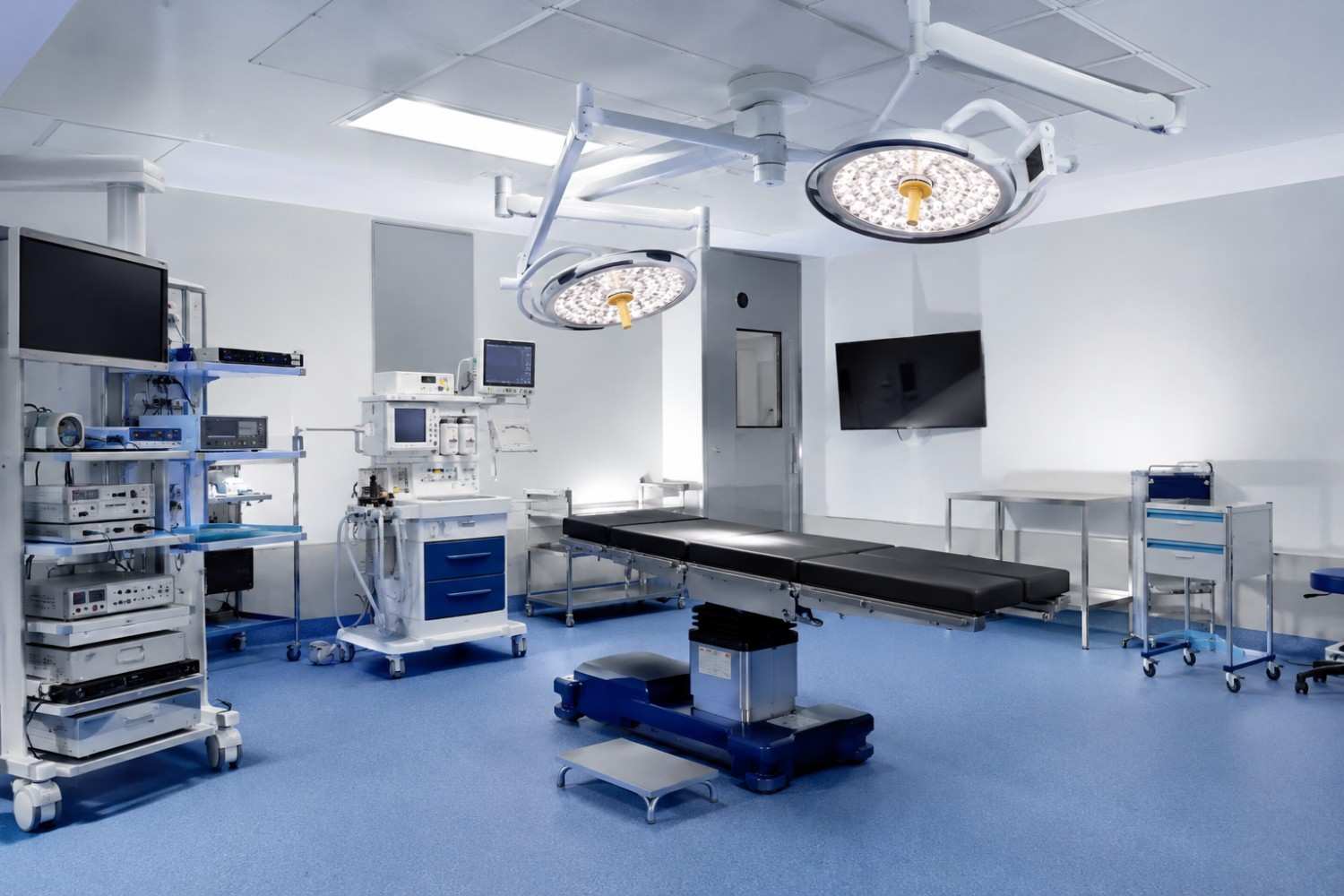
2. Modern Operation Theatres
Look for:
• Laminar airflow OTs (essential for joint replacement)
• High-precision C-arm imaging
• Modern arthroscopy and endoscopy systems
• Computer or robotic navigation for joint replacement (where appropriate)
3. Strong Anaesthesia and Critical Care
Especially important in elderly patients undergoing hip surgery or trauma victims with multiple injuries.
4. Dedicated Physiotherapy Department
Surgery alone isn’t enough. Structured rehab determines outcomes.
5. 24/7 Emergency Trauma Capability
Fractures don’t follow office hours.
6. Pediatric and Geriatric Capability
Children and the elderly each need specialised approach.
7. Transparent Implant and Cost Information
You should know what implant is being used, its brand, and exactly what it costs.
The Importance of Sub-Specialty in Orthopaedics
A surgeon who does 200 hip replacements a year is, on average, going to deliver better outcomes than one who does 20. Sub-specialty practice builds tactile precision, technical confidence, and faster decision-making. When evaluating a hospital, ask whether your surgeon focuses specifically on the procedure you need.
Common Bone Surgeries Explained Simply
Fracture Fixation
A broken bone is realigned and held together with plates, screws, rods, or wires. Modern internal fixation allows weight-bearing within days for many fractures.
Joint Replacement (Knee/Hip)
A worn-out joint is replaced with a metal-and-polyethylene implant. Patients typically walk within 24 hours and resume routine life within 6 weeks.
Arthroscopy (Knee/Shoulder)
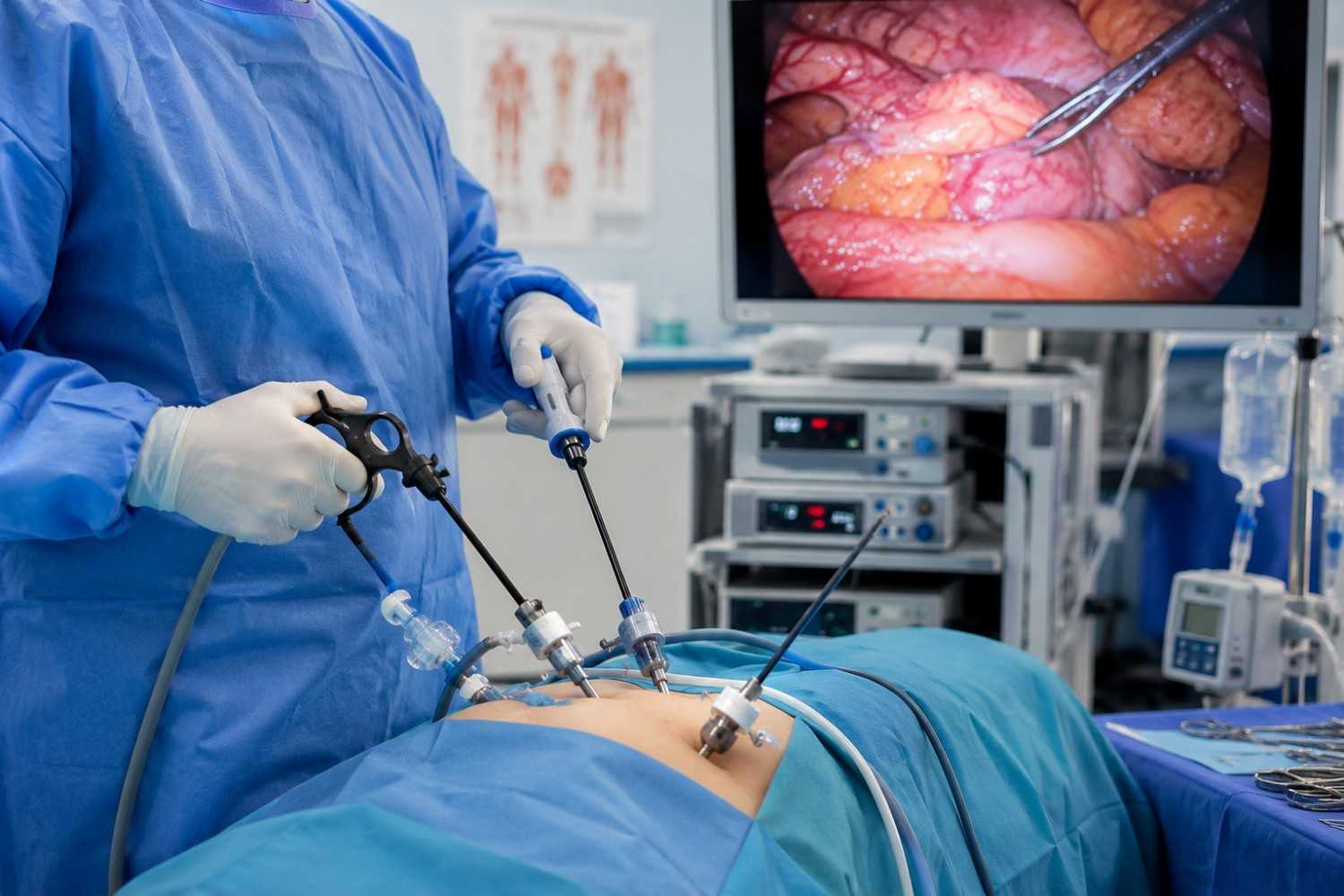
A small camera is inserted into the joint to repair ligaments, cartilage, or tendons through tiny portals — much like laparoscopic surgery for the abdomen.
Spine Surgery
Discs, nerves, or vertebrae are addressed through minimally invasive approaches in many cases.
Pediatric Orthopaedics
Specialised techniques for children’s growing bones — clubfoot correction, hip dysplasia, growth-related deformity correction.
Recovery After Bone Surgery — What to Expect
| Surgery | Typical Recovery Path |
| Fracture fixation | Walking with support in 1–2 days; full weight-bearing in 4–8 weeks |
| Knee replacement | Walking next day; full activity in 6–12 weeks |
| Hip replacement | Walking next day; full activity in 6–12 weeks |
| Knee arthroscopy | Discharge same/next day; sports in 2–6 months |
| Spine surgery | Walking same/next day; recovery 4–12 weeks |
| Shoulder surgery | Sling for 4–6 weeks; full motion 3–6 months |
Physiotherapy is critical throughout. Skipping rehab is the most common reason people fail to recover well.
Why Choose Ananya Hospitals for Bone Surgery
Ananya Hospitals is built around evidence-based, sub-specialty orthopaedic care. Patients across Bengaluru and Karnataka choose us because:
• Senior orthopaedic surgeons across joint replacement, sports injury, spine, and trauma
• Modern laminar airflow OTs for joint surgery
• High-precision C-arm imaging for fracture work
• In-house arthroscopy and endoscopy systems
• Dedicated physiotherapy team for structured rehab
• Transparent implant brand and pricing information
• Cashless insurance assistance with all major TPAs
• 24/7 trauma response for fractures and emergencies
• Pediatric orthopaedic expertise for children’s bone problems
Our orthopedics department is structured around long-term outcomes — not just operating on the bone, but ensuring you walk, move, and live without limitations.
When Bone Surgery Becomes a Medical Emergency
Seek emergency care if you experience:
• Open fractures (bone visible through skin)
• Severe trauma with multiple injuries
• Loss of sensation or movement in a limb
• A cold, pulseless limb after injury (urgent)
• Rapidly increasing swelling, redness, or pain after a recent injury
• Sudden severe back pain with leg weakness
Time is bone — early surgery dramatically improves outcomes.
Lifestyle and Bone Health
Long-term bone health depends as much on lifestyle as on surgery:
• Adequate calcium and vitamin D intake
• Regular weight-bearing exercise
• Avoid smoking — major contributor to delayed healing
• Limit excessive alcohol
• Maintain healthy body weight
• Address hormonal issues if present
• Treat osteoporosis early in older adults
FAQs
Q1. How do I know if I need bone surgery?
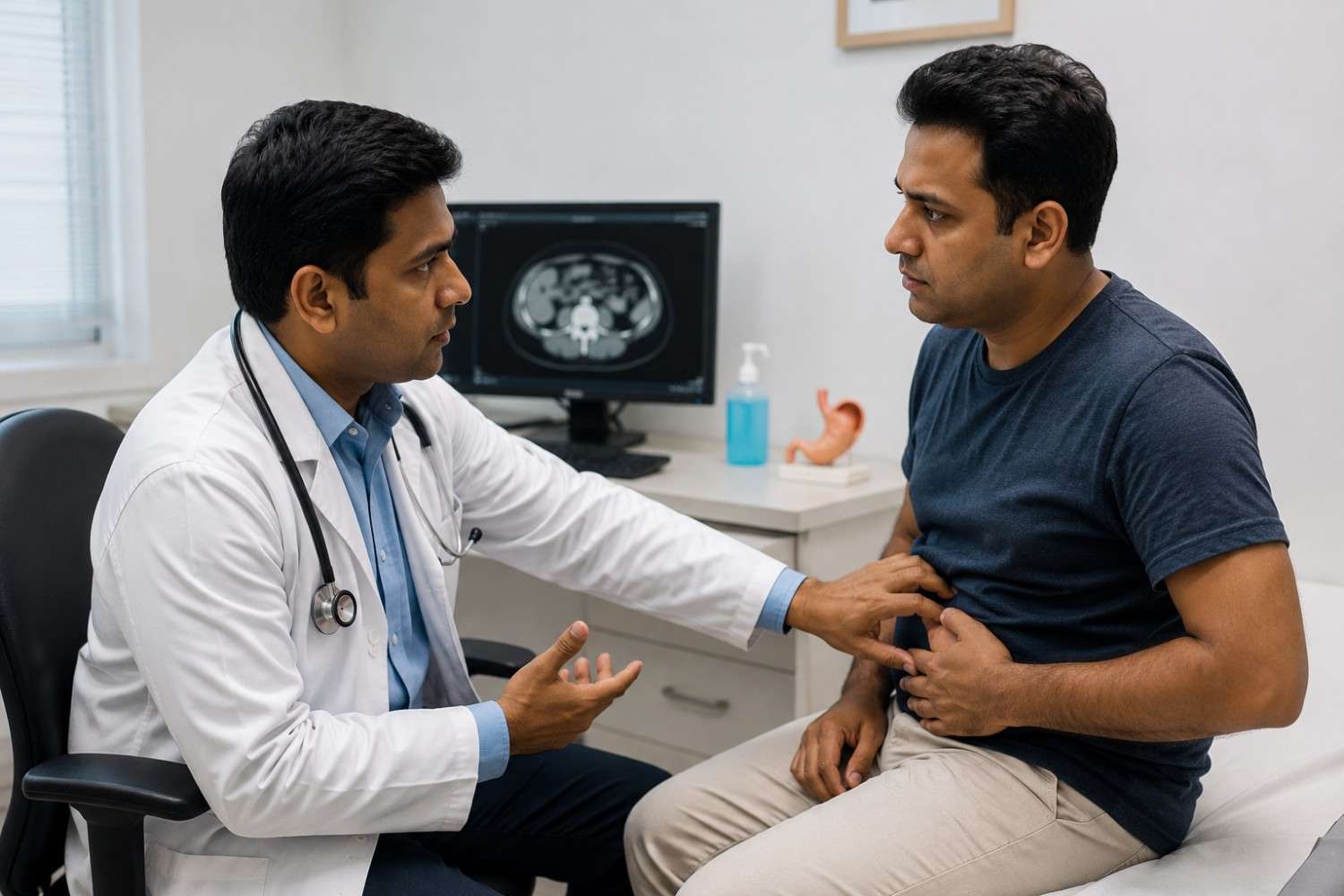
A senior orthopaedic surgeon evaluates symptoms, imaging, and functional impact. Surgery is recommended only when conservative care has failed or when structural problems clearly require it.
Q2. Is bone surgery painful?
Modern anaesthesia and pain management make most procedures very tolerable. Post-op pain is well-controlled with medication.
Q3. How long is the hospital stay after bone surgery?
Most procedures: 1–4 days. Joint replacements: 3–5 days. Major spine surgery: 4–7 days.
Q4. Will I need physiotherapy after surgery?
Yes — almost always. It’s the key to a good outcome.
Q5. Are bone implants safe long-term?
Modern implants are durable, biocompatible, and well-tolerated. Joint replacements typically last 15–25 years.
Q6. Can elderly patients undergo joint replacement safely?
Yes — and they often benefit enormously from regaining mobility and independence.
Q7. What’s the difference between arthroscopy and open surgery?
Arthroscopy uses small portals and a camera; open surgery uses larger incisions. For most joint problems, arthroscopy is now preferred.
Q8. Does insurance cover bone surgery in Bangalore?
Most major plans cover medically necessary bone surgery, including joint replacement, fracture fixation, and arthroscopy.
Q9. How long does it take to walk again after a fracture?
Depends on location and severity. Modern internal fixation often allows walking with support within days.
Q10. How do I choose the right bone surgery hospital in Bangalore?
Look for senior sub-specialty surgeons, modern OTs, structured rehab, and transparent pricing — exactly what Ananya Hospitals offers.
Conclusion
The right bone surgery hospital in Bangalore is one that combines surgical expertise, modern infrastructure, structured rehabilitation, and respectful communication. For most orthopaedic problems today, surgery is gentler, recovery is faster, and outcomes are better than what your parents may remember. The most important step you can take is choosing a team that takes your long-term mobility seriously — not just the operation itself.
If you’ve been told you need bone surgery, take time to choose well. The choice you make today affects how you walk, move, and live for years to come.
Book Your Consultation at Ananya Hospitals
Talk to our senior orthopaedic surgeons in Bengaluru. We’ll examine you carefully, share honest options, and recommend the right approach for your specific case.
Call us or book an appointment online. Visit: Ananya Hospitals, Bangalore Department: Orthopedics
Stronger bones. Better movement. Lasting independence.