Kidney stones are a common health concern that can cause sudden and intense discomfort. Many people experience symptoms such as sharp lower back discomfort, difficulty while urinating, or sensations that come in waves. While smaller stones may pass naturally, larger stones often require timely medical care. Choosing the right hospital is essential for accurate diagnosis, effective treatment, and a smooth recovery process.
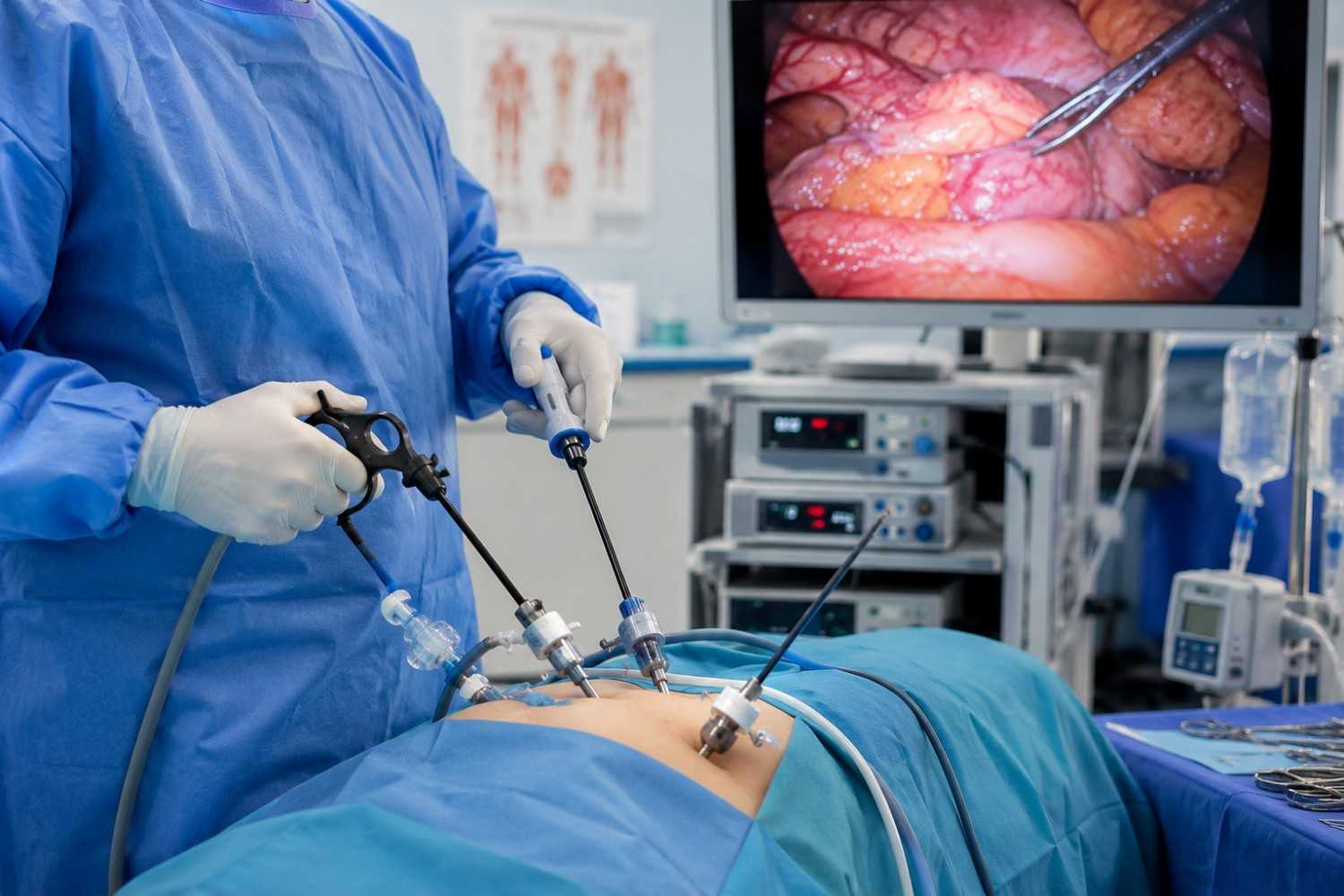
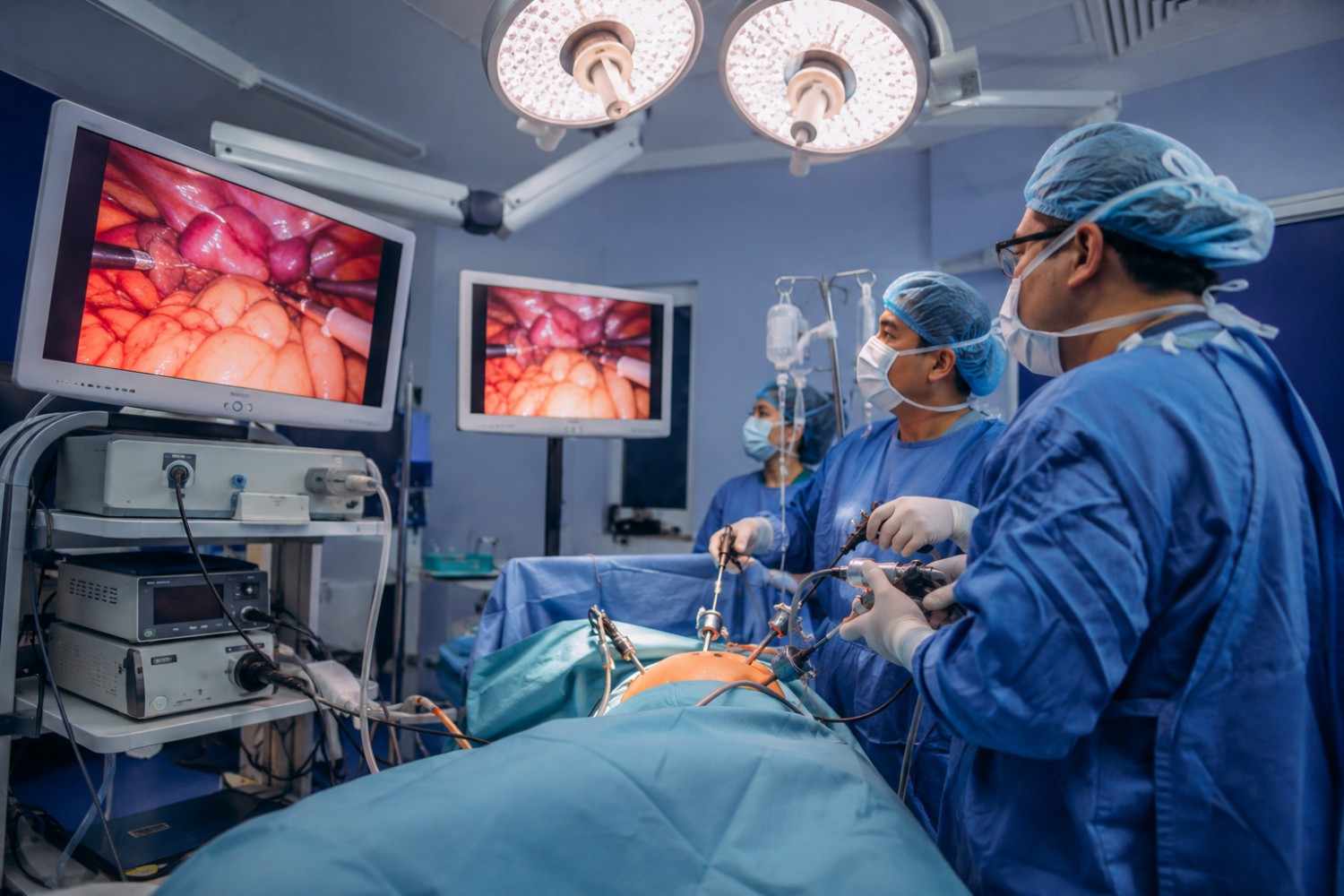
For individuals seeking trusted care, Ananya Hospital offers treatment options for kidney stones, including laparoscopic surgery for kidney stones, with a patient-focused approach. Equipped with modern diagnostic facilities and experienced medical professionals, Ananya Hospital is committed to providing safe, effective, and personalized treatment based on each patient’s condition.
What Are Kidney Stones?
Kidney stones are hard mineral deposits that form in the kidneys due to a buildup of salts and minerals. They develop when substances like calcium, oxalate, and uric acid become concentrated in the urine and crystallize over time.
Types of Kidney Stones
- Calcium stones: The most common type
- Uric acid stones: Often linked to diet and dehydration
- Struvite stones: Usually associated with infections
- Cystine stones: Rare and often genetic
Understanding the type of stone helps doctors decide the best treatment method.
Leading Hospital for Kidney Stone Treatment in Bangalore
Finding the Best Hospital for Kidney Stone Treatment in Bangalore ensures access to accurate diagnosis and effective kidney stones treatment options. A well-equipped hospital provides modern technology, experienced doctors, and comprehensive post-treatment care to support a smoother recovery process.
What to Look For:
- Imaging and diagnostic facilities
- Availability of minimally invasive procedures
- Experienced medical team
- Personalized treatment plans
- Proper follow-up care
Choosing the right healthcare provider helps reduce complications and speeds up recovery.
Causes of Kidney Stones
Kidney stones can form due to several reasons, often related to lifestyle and dietary habits.
Common Causes Include:
- Not drinking enough water
- High intake of salty or processed foods
- Excess protein consumption
- Family history of kidney stones
- Certain medical conditions
- Obesity or lack of physical activity
Dehydration is one of the leading causes, as it allows minerals to build up in the kidneys.
Symptoms of Kidney Stones
Symptoms may vary depending on the size and location of the stone. Some people may not notice any signs until the stone starts moving.
Common Symptoms:
- Severe discomfort in the back or side
- Discomfort during urination
- Blood in urine
- Frequent urge to urinate
- Nausea and vomiting
- Fever in case of infection
If you experience intense discomfort or difficulty urinating, immediate medical attention is necessary.
Diagnosis of Kidney Stones
Accurate diagnosis is essential for selecting the right treatment.
Common Diagnostic Methods:
- Ultrasound: Helps detect stones in the kidneys
- CT Scan: Provides detailed imaging for precise diagnosis
- Urine tests: Identify mineral levels and infections
- Blood tests: Check kidney function and detect abnormalities
These tests help determine the size, type, and location of the stone.
Treatment Options for Kidney Stones
Treatment depends on the size and type of the stone, as well as the patient’s overall health.
1. Medications
Small stones may pass naturally with the help of medications that reduce discomfort and relax the urinary tract.
2. Lifestyle and Fluid Intake
Drinking plenty of water helps flush out small stones and prevents new ones from forming.
3. Non-Surgical Procedures
- Shock Wave Lithotripsy (SWL): Breaks stones into smaller pieces using sound waves
- Ureteroscopy: Removes stones using a thin tube inserted through the urinary tract
4. Treatment Procedures
In cases of large or complicated stones, procedures may be required.
- Percutaneous Nephrolithotomy (PCNL): Removes large stones through a small incision
Modern treatments are less invasive and allow faster recovery compared to traditional surgery.
Minimally Invasive Techniques for Faster Recovery
Modern medical technology has made kidney stone treatment more comfortable and efficient, with minimally invasive procedures like keyhole procedures offering faster recovery and less discomfort. Understanding why choose keyhole surgery over open surgery? key benefits explained can help patients make informed decisions about safer and more effective treatment options.
Benefits Include:
- Smaller or no incisions
- Less discomfort after treatment
- Shorter hospital stay
- Quick return to daily activities
- Lower risk of complications
These techniques are widely preferred for their safety and effectiveness.
Recovery After Kidney Stone Treatment
Recovery time depends on the treatment method used.
Post-Treatment Care:
- Drink plenty of water
- Follow dietary guidelines
- Take prescribed medications
- Avoid heavy physical activity for a short period
- Attend follow-up appointments
Proper care after treatment helps prevent recurrence and ensures complete healing.
Preventing Kidney Stones
Prevention plays a key role in maintaining kidney health.
Tips to Prevent Kidney Stones:
- Stay well hydrated
- Reduce salt intake
- Limit foods high in oxalate
- Maintain a balanced diet
- Exercise regularly
- Avoid excessive protein intake
Simple lifestyle changes can significantly reduce the risk of developing kidney stones.
Diet for Kidney Stone Prevention
What you eat plays an important role in maintaining healthy kidneys.
Recommended Foods:
- Fresh fruits and vegetables
- Whole grains
- Low-fat dairy products
- Plenty of water
Foods to Limit:
- Processed and salty foods
- Sugary drinks
- Excess red meat
- Foods high in oxalates
A balanced diet supports kidney function and reduces the chances of stone formation.
When Should You See a Doctor?
You should seek medical help if you experience:
- Severe or persistent discomfort
- Difficulty passing urine
- Blood in urine
- Fever or chills
- Repeated kidney stone episodes
Early medical intervention helps prevent complications and ensures proper treatment.
Importance of Timely Treatment
Ignoring kidney stones can lead to serious complications such as:
- Urinary tract infections
- Kidney damage
- Blockage of urine flow
- Severe discomfort episodes
Timely treatment ensures better outcomes and reduces health risks.
Patient Care and Support
Good medical care includes not just treatment but also patient support and guidance.
Patients benefit from:
- Clear communication about their condition
- Personalized treatment plans
- Post-treatment monitoring
- Advice on lifestyle changes
A supportive approach improves recovery and patient confidence.
FAQs
1. What is the main cause of kidney stones?
The most common cause is not drinking enough water, which allows minerals to build up in the kidneys.
2. Can kidney stones go away on their own?
Small stones may pass naturally with increased fluid intake, but larger stones require medical treatment.
3. Is kidney stone treatment painful?
Modern treatments are minimally invasive and designed to reduce discomfort.
4. How long does recovery take after treatment?
Recovery depends on the type of treatment, but most patients recover within a few days to a few weeks.
5. How can I prevent kidney stones in the future?
Staying hydrated, following a balanced diet, and maintaining a healthy lifestyle can help prevent kidney stones.
Conclusion
Kidney stones can be uncomfortable and disruptive, but with the right treatment, recovery can be faster and more effective. Early diagnosis, modern treatment methods, and proper post-care play an important role in managing this condition successfully. If you are experiencing symptoms of kidney stones, consult a specialist at the earliest for timely care and treatment.
With modern medical support and a strong focus on patient well-being, Ananya Hospital offers the best treatment for kidney stones through personalized care plans and modern treatment options. From accurate diagnosis to complete recovery support, Ananya Hospital is committed to helping patients restore their health and prevent future complications.