Heart health plays a vital role in overall well-being, yet many people tend to ignore early symptoms until they become serious. With changing lifestyles, increased stress, and unhealthy dietary habits, heart-related conditions are becoming more common across all age groups. Warning signs such as high blood pressure, chest discomfort, shortness of breath, or irregular heartbeat should never be overlooked. Consulting a qualified cardiologist at the right time can help prevent complications and support a healthier life.
For residents in and around Rajajinagar, access to expert cardiac care is essential. Ananya Hospital, known for having the best heart specialist in Bangalore, , offers comprehensive heart care services to support patients at every stage, from early diagnosis to treatment. With a strong focus on patient safety and comfort, Ananya Hospital provides reliable care for those seeking professional guidance for better heart health.
Understanding the Role of a Cardiologist
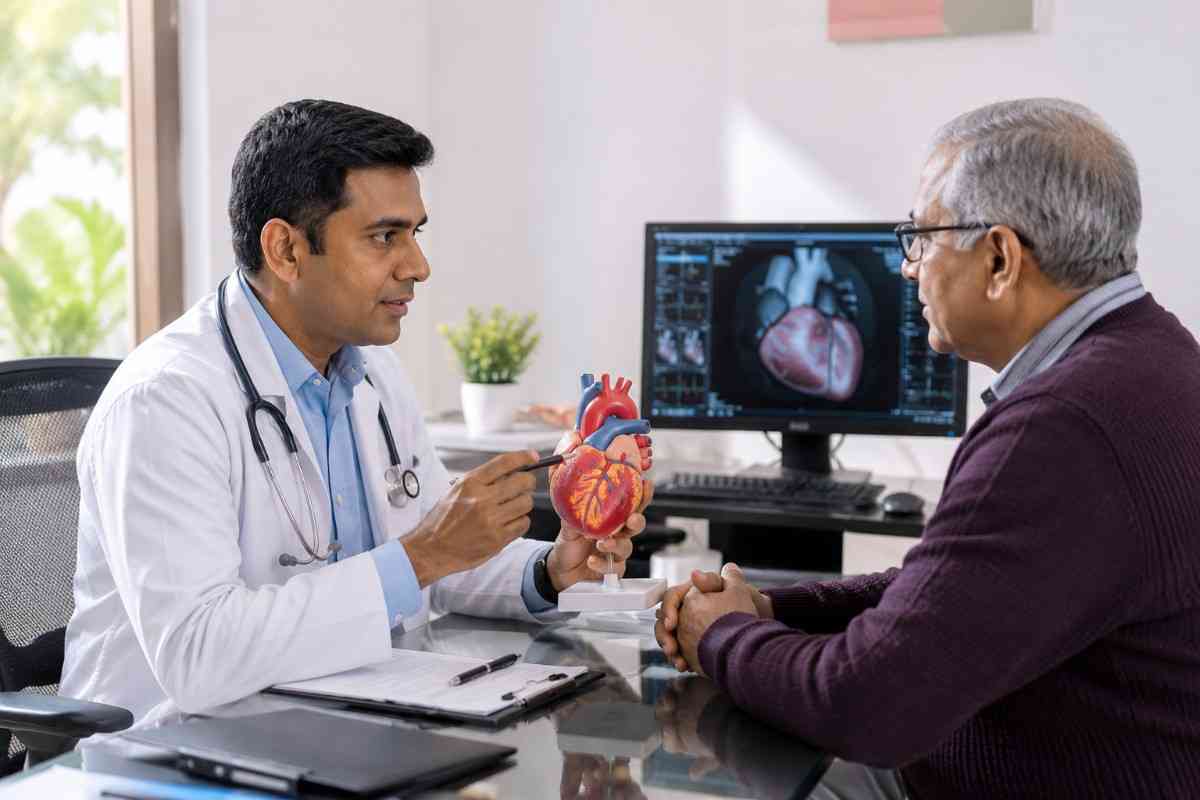
A cardiologist is a medical specialist who focuses on diagnosing, treating, and preventing diseases related to the heart and blood vessels. The heart is responsible for pumping oxygen-rich blood throughout the body, making it one of the most vital organs.
Conditions Managed by a Cardiologist
- High blood pressure (hypertension)
- Coronary artery disease
- Heart rhythm disorders (arrhythmias)
- Heart valve problems
- Heart failure
- Congenital heart conditions
- Chest discomfort and vascular issues
Cardiologists also guide patients on lifestyle changes to improve heart health and prevent future complications.
Why Choose The Best Cardiologist in Rajajinagar
Finding the Best Cardiologist in Rajajinagar ensures that patients receive expert care tailored to their needs. Consulting the best heart doctor can help with early diagnosis, effective treatment, preventive care, and long-term management of various heart conditions.
Key Qualities to Look For
- Strong clinical experience
- Use of modern diagnostic techniques
- Patient-friendly communication
- Focus on preventive cardiology
- Personalized treatment approach
Having access to reliable cardiac care close to home allows for timely diagnosis, regular follow-ups, and better health outcomes.
Why Heart Health Should Never Be Ignored
Heart diseases often develop silently over time. Many people don’t notice any symptoms until the condition has already progressed. This is why regular health checkups and awareness of risk factors are extremely important.
Common Risk Factors for Heart Disease
- Sedentary lifestyle
- Unhealthy eating habits
- Smoking and alcohol consumption
- Obesity
- Diabetes
- High cholesterol levels
- Chronic stress
Managing these risk factors can significantly reduce the chances of developing serious heart conditions.
Early Warning Signs of Heart Problems
Recognizing symptoms early can help prevent life-threatening complications. Some warning signs may seem mild but should never be ignored.
Symptoms to Watch For
- Chest discomfort or pressure
- Shortness of breath
- Rapid or irregular heartbeat
- Dizziness or fainting
- Swelling in the legs or ankles
- Extreme fatigue
If you experience any of these symptoms, it’s best to see a specialist without delay.
Diagnostic Services for Heart Health
Proper diagnosis is the first step toward effective treatment. Cardiologists use various tests to assess heart function and detect problems early.
Common Diagnostic Tests
Electrocardiogram (ECG)
Measures the electrical activity of the heart and helps detect irregular heartbeats.
Echocardiogram
Uses ultrasound waves to create images of the heart, showing its structure and function.
Stress Test
Checks how your heart functions while you are physically active.
Blood Tests
Used to measure cholesterol levels, blood sugar, and other markers.
Angiography
Helps identify blockages in blood vessels supplying the heart.
These tests provide valuable insights that help doctors design the best treatment plan.
Treatment Options for Heart Conditions
Treatment varies depending on the type and severity of the heart condition. A combination of methods is often used to achieve the best results.
Medications
Medications help control blood pressure, cholesterol, and heart rhythm. They also reduce the risk of heart attacks and strokes.
Lifestyle Modifications
Changes in daily habits can significantly improve heart health.
- Healthy diet
- Regular exercise
- Stress management
- Quitting smoking
Non-Surgical Procedures
Certain conditions can be treated with minimally invasive procedures like angioplasty, where blocked arteries are opened using a small balloon or stent.
Treatment Procedures
In severe cases, procedures may be required to restore proper heart function.
Importance of Preventive Cardiology
Preventive cardiology focuses on reducing the risk of heart disease before it develops. This approach is especially important for individuals with a family history of heart problems or existing risk factors.
Preventive Measures Include
- Regular health screenings
- Monitoring blood pressure and cholesterol
- Maintaining a healthy weight
- Staying physically active
- Managing stress
Preventive care not only saves lives but also reduces the need for complex treatments later.
Healthy Lifestyle for a Strong Heart
A healthy lifestyle is the foundation of good heart health. Small daily lifestyle changes can make a significant difference over time.
Diet and Nutrition
Eating the right foods supports heart function and reduces risk factors.
- Include fruits, vegetables, and whole grains
- Limit salt and sugar intake
- Avoid processed and fried foods
- Choose healthy fats
Physical Activity
Regular exercise strengthens the heart and improves circulation.
- Try to stay active for at least 30 minutes every day
- Include walking, jogging, or cycling
- Practice flexibility and strength exercises
Stress Management
Chronic stress can negatively impact heart health.
- Practice relaxation techniques
- Get enough sleep
- Maintain a balanced work-life routine
Managing Chronic Heart Conditions
Patients with long-term heart conditions require consistent care and monitoring. Proper management helps improve quality of life and prevents complications.
Key Management Strategies
- Taking medications regularly
- Following a heart-healthy diet
- Attending regular checkups
- Monitoring symptoms closely
- Staying physically active within safe limits
A structured care plan ensures stability and long-term well-being.
Importance of Timely Medical Attention
Delaying treatment can lead to serious complications. Early intervention allows for better outcomes and faster recovery.
Benefits of Early Care
- Reduced risk of complications
- More treatment options
- Better quality of life
- Lower healthcare costs
Seeking medical advice at the first sign of symptoms is always the best approach.
Patient-Centered Cardiac Care
Modern healthcare focuses on providing personalized care that meets individual patient needs. This approach ensures comfort, clarity, and confidence throughout the treatment process.
Key Elements of Patient Care
- Clear communication
- Customized treatment plans
- Continuous monitoring
- Emotional support
Patients who feel supported are more likely to follow treatment plans and achieve better outcomes.
Technology in Modern Cardiology
Advancements in medical technology have improved the diagnosis and treatment of heart conditions.
Modern Innovations Include
- Imaging techniques
- Minimally invasive procedures
- Improved monitoring systems
- Digital health records
These innovations allow doctors to provide accurate and efficient care.
Role of Regular Health Checkups
Regular health checkups can help identify problems early before they become serious. Even individuals without symptoms should undergo periodic screenings.
Who Should Get Regular Checkups?
- Adults over 30 years
- Individuals with family history of heart disease
- People with diabetes or high blood pressure
- Individuals with sedentary lifestyles
Regular monitoring ensures early detection and timely treatment.
Building Awareness About Heart Health
Educating people about heart health is essential for prevention. Awareness helps individuals recognize symptoms, understand risk factors, and take proactive steps.
Ways to Improve Awareness
- Health campaigns
- Community programs
- Regular screenings
- Patient education
Informed individuals are better equipped to protect their heart health.
FAQs
1. What does a cardiologist treat?
A cardiologist treats conditions related to the heart and blood vessels, including high blood pressure, heart disease, and rhythm disorders.
2. When should I consult a cardiologist?
You should consult a cardiologist if you experience symptoms like chest discomfort, shortness of breath, or irregular heartbeat.
3. Can heart disease be prevented?
Yes, maintaining a healthy lifestyle and managing risk factors can help prevent heart disease.
4. What tests are commonly done to assess heart health?
Common tests include ECG, echocardiogram, stress tests, and blood tests.
5. How often should I get a heart checkup?
Regular checkups are recommended, especially for individuals with risk factors or a family history of heart disease.
Conclusion
Heart health is a lifelong commitment that requires awareness, timely attention, and proper medical care. With increasing lifestyle related risks, consulting a qualified cardiologist has become more important than ever. If you experience symptoms such as chest discomfort, shortness of breath, or irregular heartbeat, schedule a consultation with a heart specialist without delay for early diagnosis and timely treatment.
From preventive care to treatment, the right support system plays a crucial role in maintaining a healthy heart. Ananya Hospital, known for having a trusted heart failure specialist in Rajajinagar, offers comprehensive cardiac care services tailored to the needs of patients in and around the area. With medical support and a strong focus on patient well-being, Ananya Hospital continues to be a reliable choice for individuals seeking quality heart care.