A patient walked into our emergency room one Sunday evening clutching the right side of his stomach. He had been ignoring the discomfort for three days, hoping it would settle on its own. By the time he reached us, his appendix had nearly ruptured. He’s recovering well now — but his story repeats itself every single week. Abdominal discomfort is one of the most common reasons people visit hospitals in India, and yet, choosing the right abdominal surgery hospital is something most families think about only when it’s already an emergency.
This guide is meant to change that. Whether you’re researching a planned procedure or trying to understand your options after a sudden diagnosis, you’ll find practical, medically grounded answers here. We’ll cover what abdominal procedures actually involve, the kinds of conditions that need them, what to look for in a hospital, and why getting the right team matters far more than getting the cheapest bill.
What Is Abdominal Surgery?
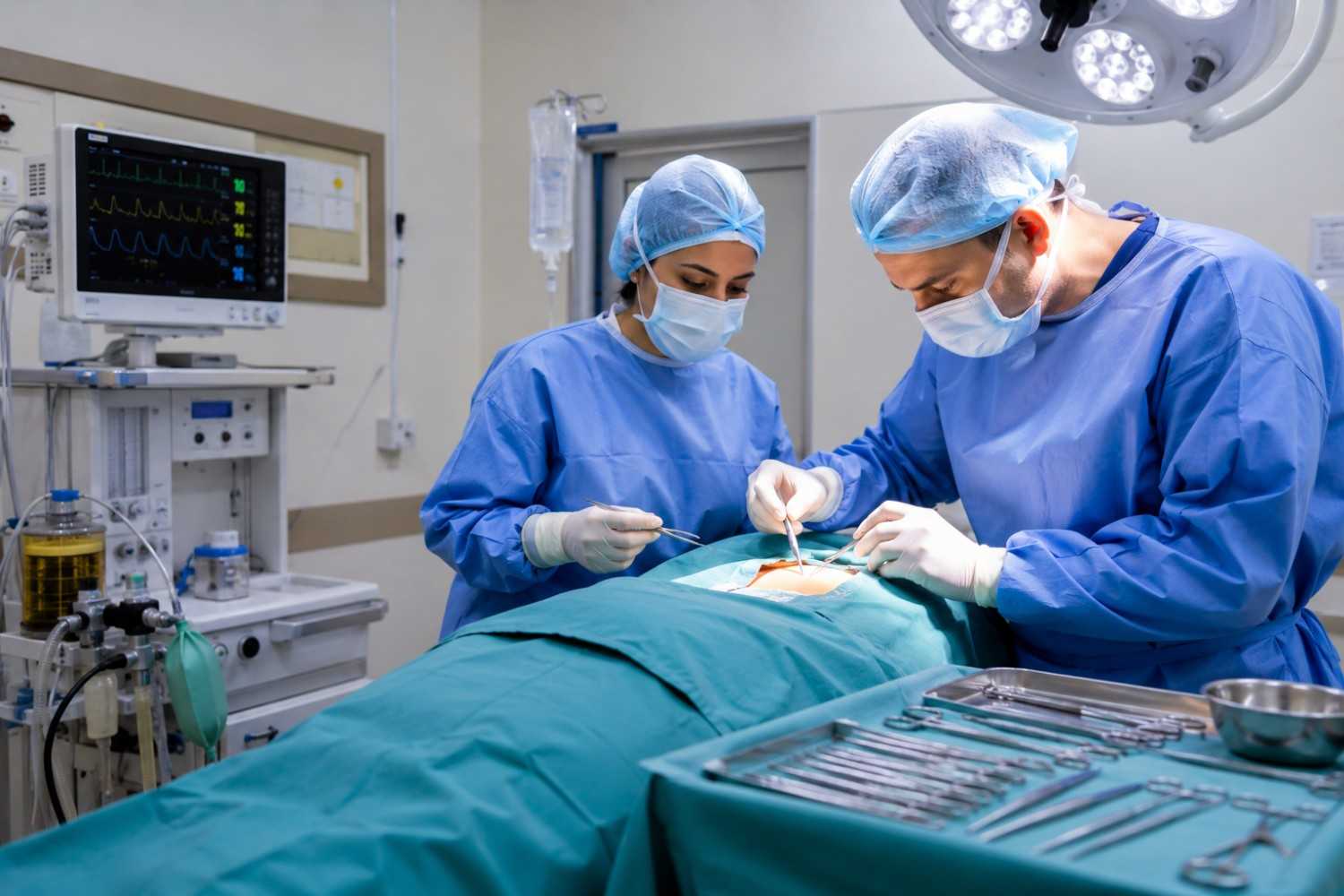
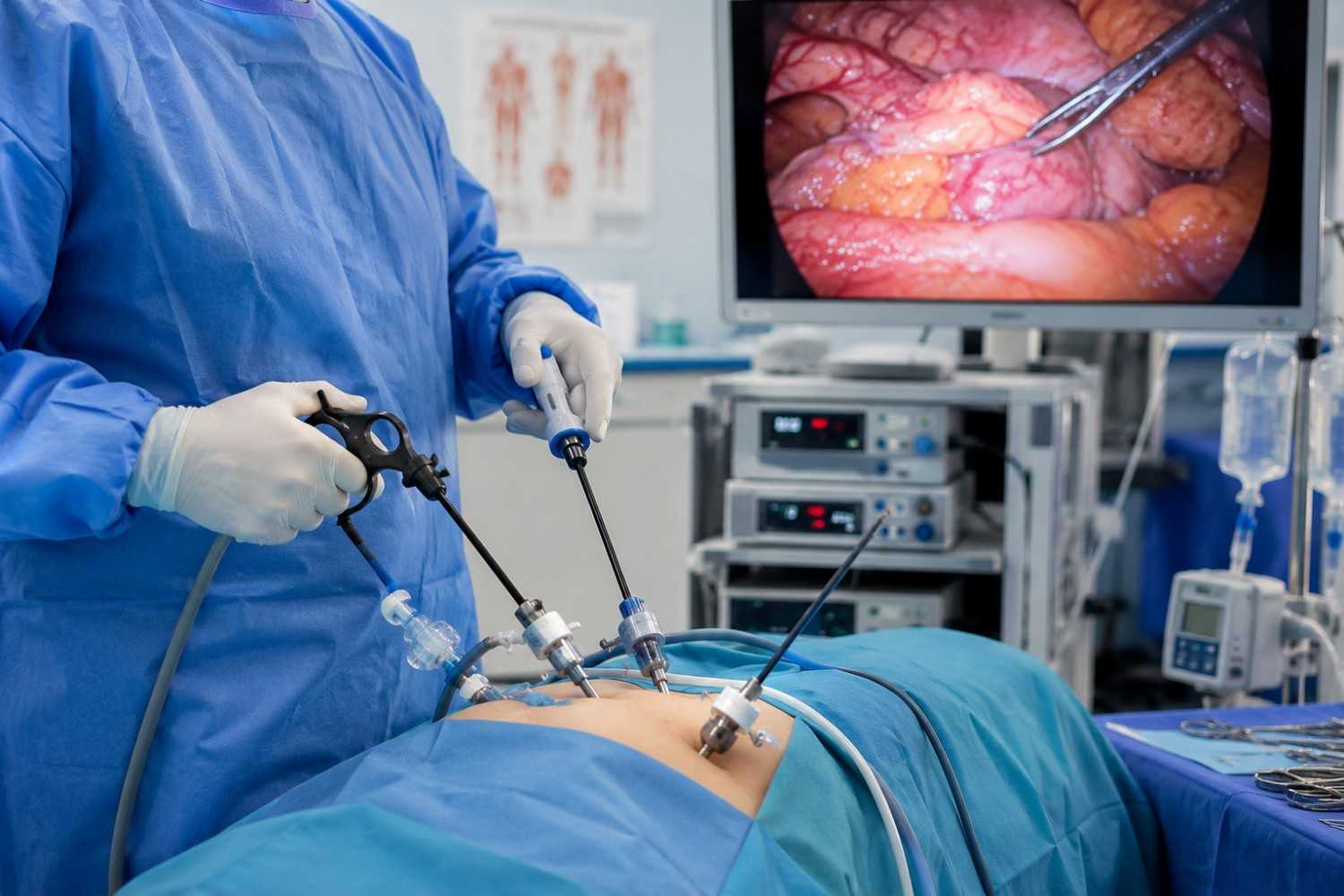
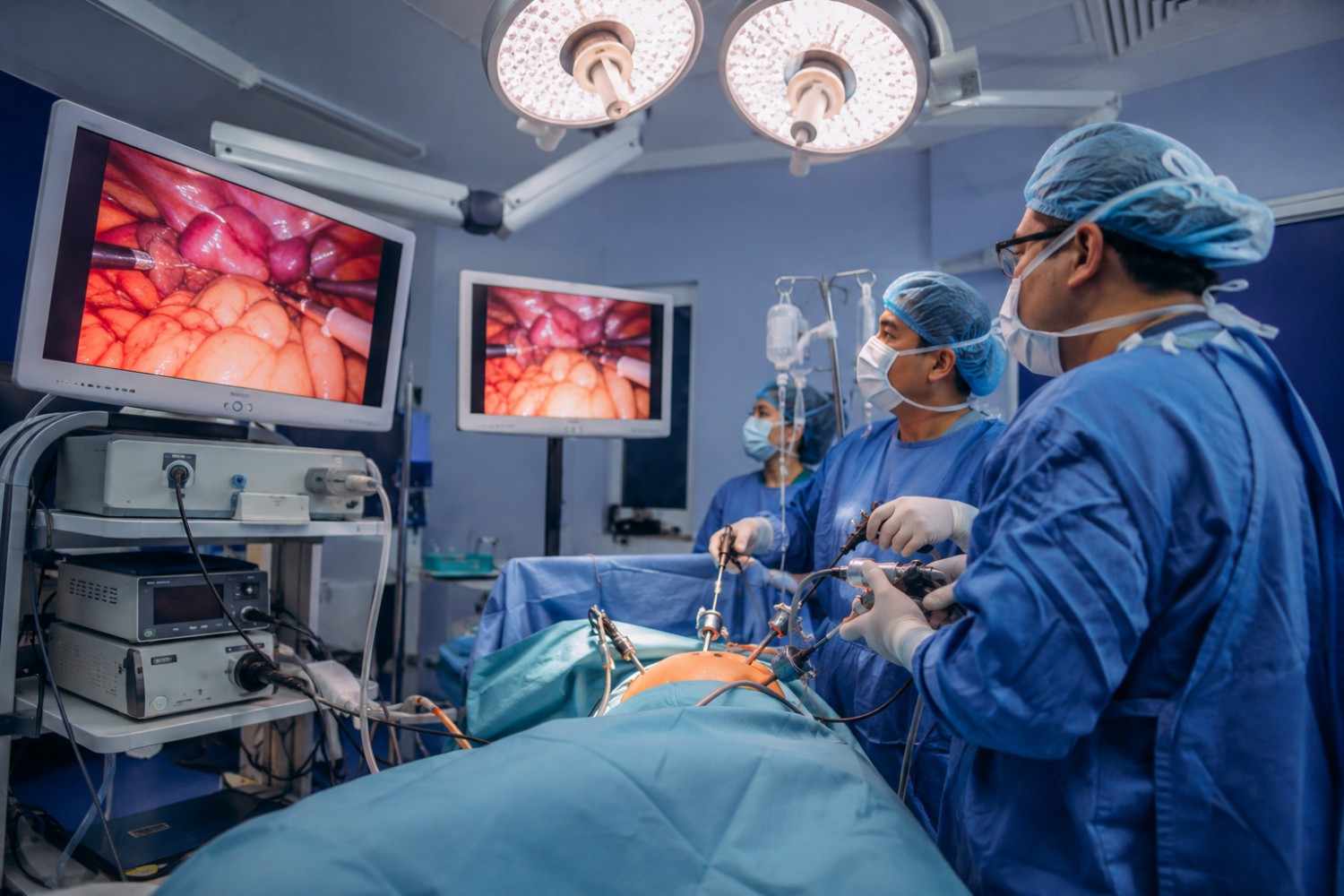
Abdominal surgery is any procedure performed on the organs inside your abdomen — the area between your chest and pelvis. This includes the stomach, small and large intestines, liver, gallbladder, pancreas, spleen, appendix, and the abdominal wall itself. The procedure may be done either through traditional open incisions or, increasingly, through laparoscopic (keyhole) and technology-assisted techniques.
In a modern abdominal surgery hospital, the focus has shifted from simply “fixing the problem” to fixing it with the smallest possible disruption to your body, your work life, and your family.
Conditions Treated at an Abdominal Surgery Hospital
Many people don’t realise how broad this specialty actually is. A well-equipped abdominal surgery hospital in Bangalore typically treats:
- Gallbladder disease — gallstones, biliary colic, acute and chronic cholecystitis
- Appendicitis — both acute (emergency) and recurrent
- Hernias — inguinal, umbilical, incisional, hiatus, femoral
- Stomach and intestinal disorders — peptic ulcers, gastric tumours, intestinal obstruction
- Liver and pancreatic conditions — cysts, benign tumours, certain cancers
- Colorectal disease — piles, fistulas, fissures, colon polyps, diverticular disease
- Abdominal trauma — internal bleeding, organ injury after accidents
- Obesity-related procedures — bariatric procedures for severe obesity
- Adhesions — scar tissue causing discomfort or obstruction after previous procedures
If you’ve been told “you may need surgery in the abdomen,” chances are it falls into one of the categories above.
Symptoms That Should Send You to an Abdominal Specialist
Stomach discomfort is so common that it gets dismissed all the time. But certain warning signs should never be ignored. Visit an abdominal surgery hospital quickly if you experience:
- Sudden, severe discomfort in the abdomen that won’t ease
- Discomfort that started near the navel and shifted to the lower right
- A bulge in the groin, navel, or near an old scar
- Vomiting blood or passing black, tar-like stools
- Persistent abdominal swelling or bloating
- Yellowing of the skin or eyes (jaundice)
- Difficulty passing stool or gas for more than 24 hours
- Unexplained weight loss with abdominal discomfort
- Right upper abdominal discomfort after fatty meals
The Cleveland Clinic resource on abdominal pain provides a clear breakdown of when stomach pain becomes a surgical emergency.
Open vs. Laparoscopic vs. Technology-Assisted Abdominal Procedures
A modern abdominal surgery hospital should offer all three approaches and recommend the one best suited to your specific case.
| Approach | When It’s Used | Recovery |
| Open procedure | Severe trauma, large tumours, dense adhesions | 4–6 weeks |
| Laparoscopic | Routine appendix, gallbladder, hernia, ovarian cysts | 1–2 weeks |
| Technology-assisted | Complex pelvic procedures, certain cancers, precision-demanding cases | 1–3 weeks |
A good specialist doesn’t favour one technique. The best technique is the one that gives you the safest outcome with the least disruption.
What Makes a Hospital a “Good” Abdominal Surgery Hospital?
If you’re shortlisting hospitals in Bangalore, here’s what genuinely matters — beyond marketing claims:
1. A Dedicated GI and General Surgery Team
You want specialists who do this work every single day, not occasionally between unrelated cases. At Ananya Hospitals, our general and laparoscopic surgery team focuses specifically on abdominal procedures, which translates to higher experience and more predictable outcomes.
2. 24/7 Emergency Response Capability
Abdominal emergencies don’t wait for office hours. A trustworthy hospital must have specialists, anaesthetists, and operation theatres available around the clock — including weekends and festivals.
3. Modern Imaging and Diagnostics
Accurate diagnosis is half the battle. CT scans, ultrasounds, MRIs, and endoscopy facilities should be in-house, so you don’t waste critical hours travelling between centres.
4. ICU and Critical Care Backup
Even routine procedures can occasionally throw up surprises. Hospitals with strong ICU support handle complications safely; hospitals without it transfer patients out — costing precious time.
5. Transparent Pricing and Insurance Support
Procedures are stressful enough without hidden costs. Reliable hospitals share estimates upfront and help you with cashless insurance approvals.
6. Patient-Friendly Recovery Protocols
Look for protocols like Enhanced Recovery After Surgery (ERAS), early mobilisation, multimodal discomfort control, and structured follow-up after discharge.
What Happens From Admission to Discharge
Many patients are anxious because the process feels mysterious. Here’s a typical journey at an abdominal surgery hospital:
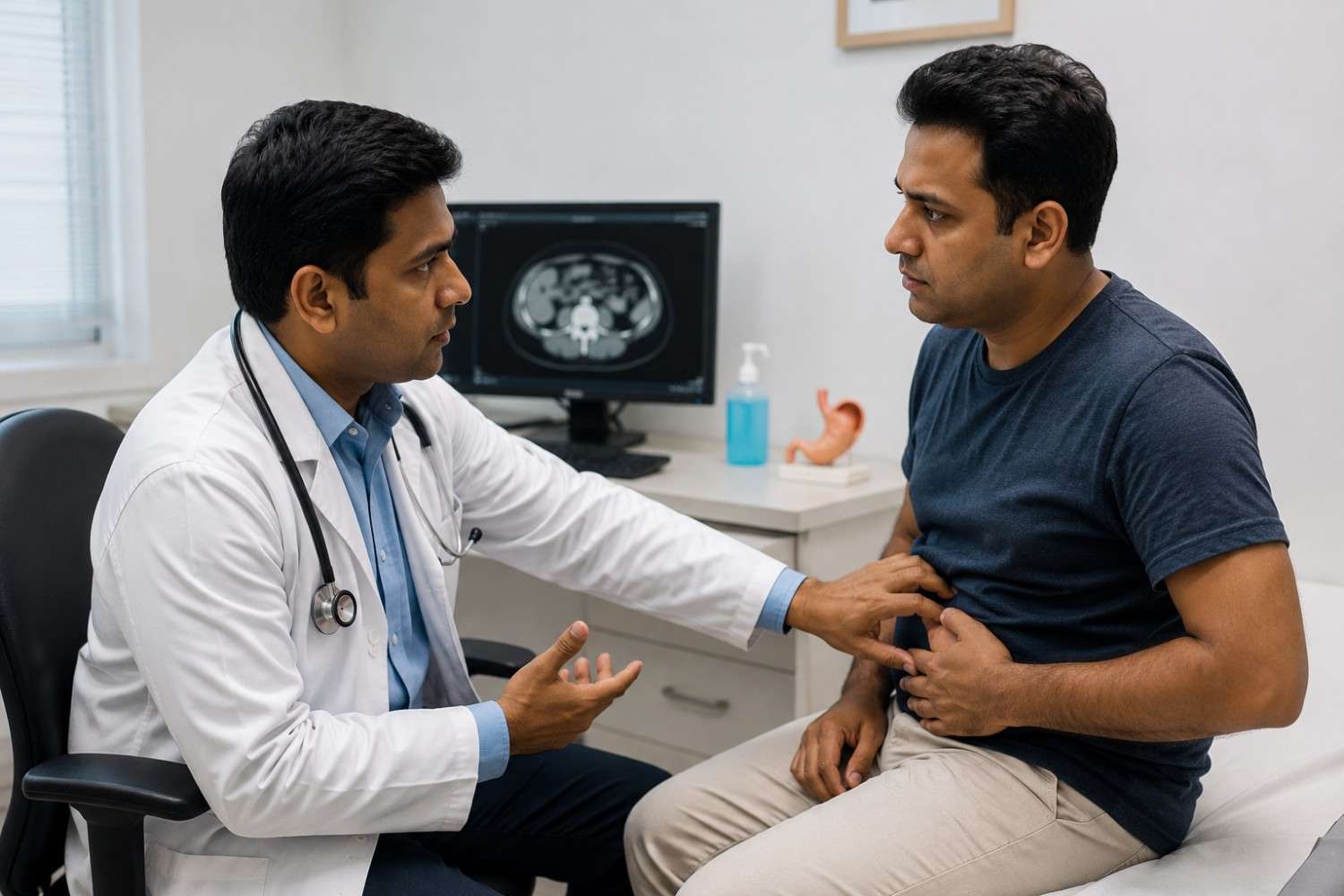
- Consultation — Detailed history, physical examination, and review of any prior reports.
- Investigations — Blood tests, imaging (USG/CT), endoscopy if needed.
- Pre-operative planning — Specialist explains the procedure, risks, and recovery; anaesthetist evaluates fitness; insurance pre-authorisation begins.
- Day of procedure — Admission, fasting, anaesthesia, procedure, recovery room.
- Post-op stay — Monitored for discomfort, vital signs, bowel function; gradual return to oral diet.
- Discharge — Clear written instructions, medication list, wound care, dietary advice, follow-up date.
- Follow-up — Suture removal (if applicable), report review, fitness clearance for normal activity.
Why Patients Across Karnataka Choose Ananya Hospitals
Patients come to us not just from Bengaluru but from Mysuru, Tumkur, Hassan, Mandya, and as far as Coastal Karnataka — and the reasons we hear most often are:
- Approachable senior specialists who explain things in plain language
- Strict adherence to laparoscopic techniques wherever clinically possible
- Clear, written cost estimates before procedures
- Round-the-clock emergency abdominal care
- Friendly nursing staff and clean wards
- Discharge protocols that genuinely prepare patients for home recovery
Our general and laparoscopic surgery department is structured to make each step — from consultation to follow-up — feel calm, predictable, and human.
When Is Abdominal Surgery Truly Necessary?
Not every abdominal complaint needs the operation theatre. Many gastric symptoms respond well to medication, dietary changes, or endoscopic procedures. Surgery becomes necessary when:
- The condition is causing repeated severe discomfort or complications
- There’s a structural problem (hernia, large stones, tumour)
- Medication has failed despite a fair trial
- There’s risk of rupture, obstruction, or cancer
- Quality of life is significantly affected
A trustworthy specialist will always offer the least invasive option first — and explain why surgery is the right choice if it comes to that. The Mayo Clinic guidance on abdominal surgery decisions supports this conservative-first approach.
Tips to Prepare for Abdominal Surgery
A bit of preparation reduces complications and speeds recovery:
- Stop smoking at least 2 weeks before surgery
- Inform your specialist about every medication you take, including ayurvedic and over-the-counter
- Maintain a healthy diet rich in protein in the week before
- Walk daily — better lung capacity helps you recover faster
- Arrange a calm recovery space at home with easy bathroom access
- Plan for someone to help with daily tasks for the first 48–72 hours
Frequently Asked Questions (FAQ)
Q1. Which is the best abdominal surgery hospital in Bangalore?
The “best” hospital is one with experienced laparoscopic specialists, 24/7 emergency capability, modern imaging, ICU backup, and transparent pricing. Ananya Hospitals is recognised across Bengaluru for all of the above.
Q2. Is abdominal surgery dangerous?
Modern abdominal procedures are very safe when performed by skilled hands in a well-equipped hospital. Complication rates for elective procedures are extremely low, and laparoscopic techniques have made procedures safer than ever.
Q3. How long does it take to recover from abdominal surgery?
For laparoscopic procedures, most patients return to routine activity in 1–2 weeks. Open procedures may need 4–6 weeks. Heavy lifting and gym work usually wait until the specialist clears you.
Q4. Will I have a big scar after abdominal surgery?
Only if open surgery is required. Most modern abdominal procedures are now laparoscopic, leaving 3–4 small marks of less than 1 cm.
Q5. What investigations are done before abdominal surgery?
Standard tests include blood counts, liver and kidney function, blood sugar, ECG, chest X-ray, ultrasound or CT scan, and sometimes endoscopy depending on the condition.
Q6. Does insurance cover abdominal surgery?
Yes. Most cashless insurance plans in India cover medically necessary abdominal procedures fully or substantially.
Q7. Can abdominal surgery be performed as a day-care procedure?
Some procedures — like uncomplicated hernia repair or laparoscopic gallbladder removal — can sometimes be done with same-day discharge if the patient is otherwise healthy.
Q8. How do I find the right abdominal surgery hospital near me?
Check for specialist experience, infrastructure, post-operative protocols, patient reviews, and clarity of communication. Booking a consultation is the best way to evaluate a hospital.
Q9. What should I avoid before abdominal surgery?
Avoid smoking, alcohol, blood-thinning medications (only on doctor’s advice), and heavy meals on the night before. Follow your specialist’s fasting instructions strictly.
Q10. When can I eat normally after abdominal surgery?
Most patients begin with sips of water within hours, advance to light fluids and soft food in 24–48 hours, and resume a normal diet within a week.
Conclusion
Choosing the right abdominal surgery hospital is one of the most important medical decisions you’ll make. Skill, infrastructure, transparency, and compassion matter as much as technology. The right team won’t just operate — they’ll explain, reassure, recover, and follow up with you. Whether you’re facing an unexpected diagnosis or a long-postponed condition, the goal is the same: a safe procedure, a smooth recovery, and a return to the life you actually want to live.
If your symptoms have been hanging on for too long, don’t wait until the situation becomes urgent. A timely consultation often turns what would have been a complicated procedure into a smooth, scheduled, minimally invasive one.
Book Your Consultation at Ananya Hospitals
Talk to our experienced abdominal surgery team in Bengaluru today. We’ll evaluate your condition carefully, explore non-surgical options where possible, and only recommend surgery when it’s truly the right choice for you.
Call us or book an appointment online. Visit: Ananya Hospitals, Bangalore Department: General & Laparoscopic Surgery
Your stomach health deserves the same care you’d give to any other vital part of you.