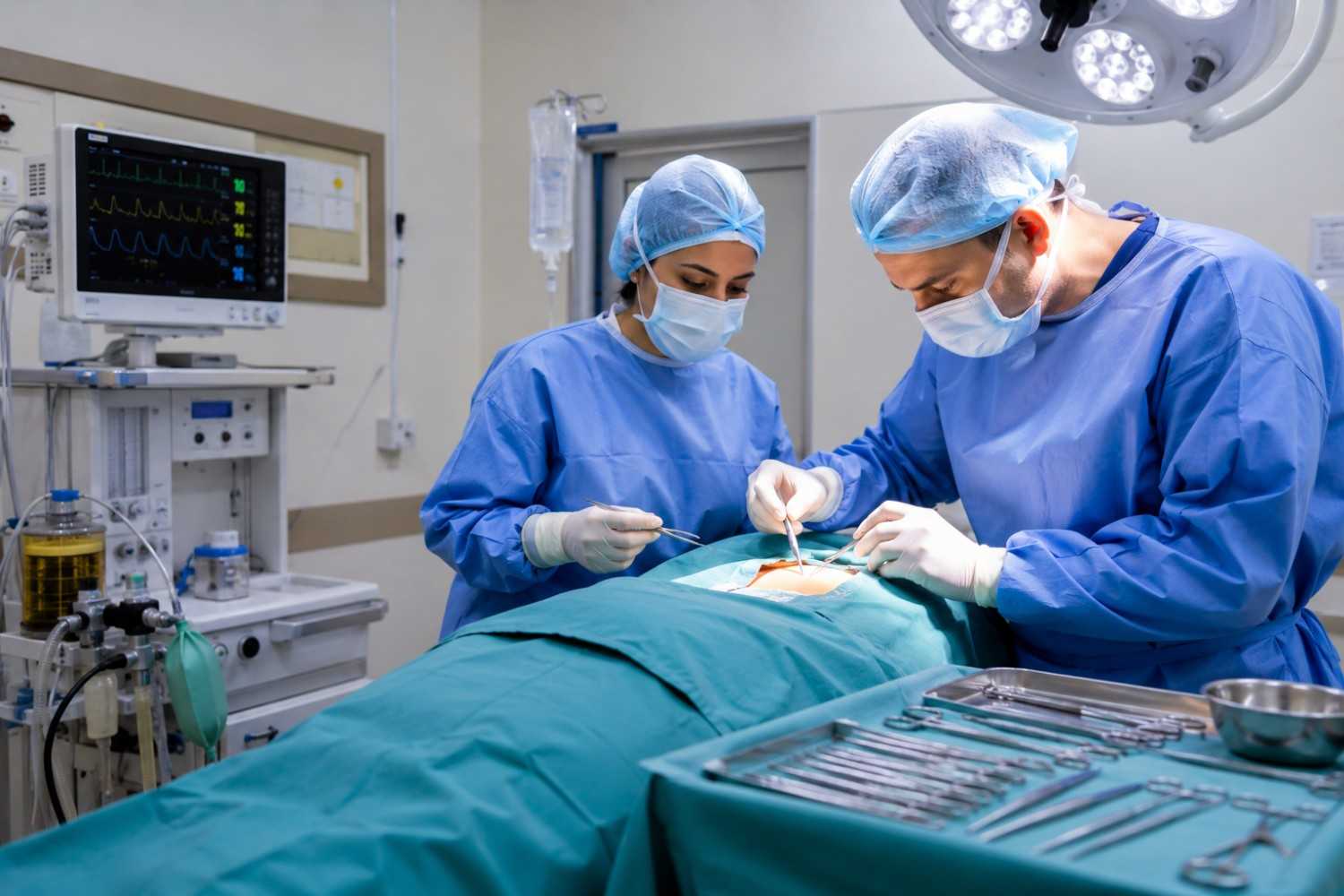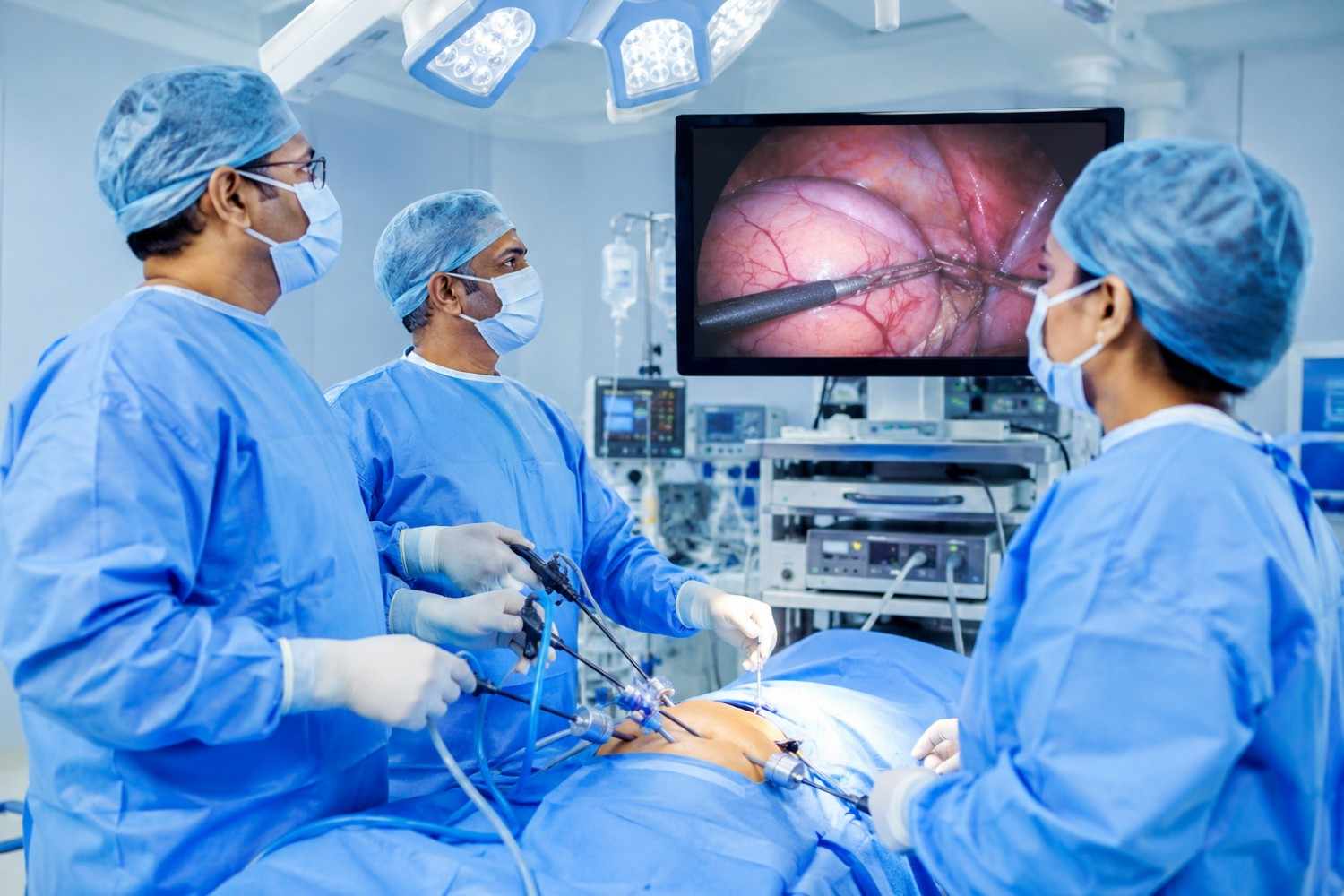
A generation ago, the word “surgery” carried unmistakable images: long incisions, week-long admissions, weeks of bed rest, and visible scars that reminded patients of their ordeal forever. Today, almost none of those images apply to most operations. Minimally invasive surgery in Bangalore has quietly transformed surgical care — replacing big cuts with small ones, long stays with day-care procedures, and prolonged recoveries with returns to work in days.
If your doctor has mentioned “laparoscopic,” “keyhole,” “endoscopic,” or surgery assisted with modern technology, this guide is your comprehensive walkthrough. We’ll cover what minimally invasive surgery actually means, which conditions it treats, how it compares to open surgery, and how to choose the right hospital for it in Bengaluru.
What Is Minimally Invasive Surgery?
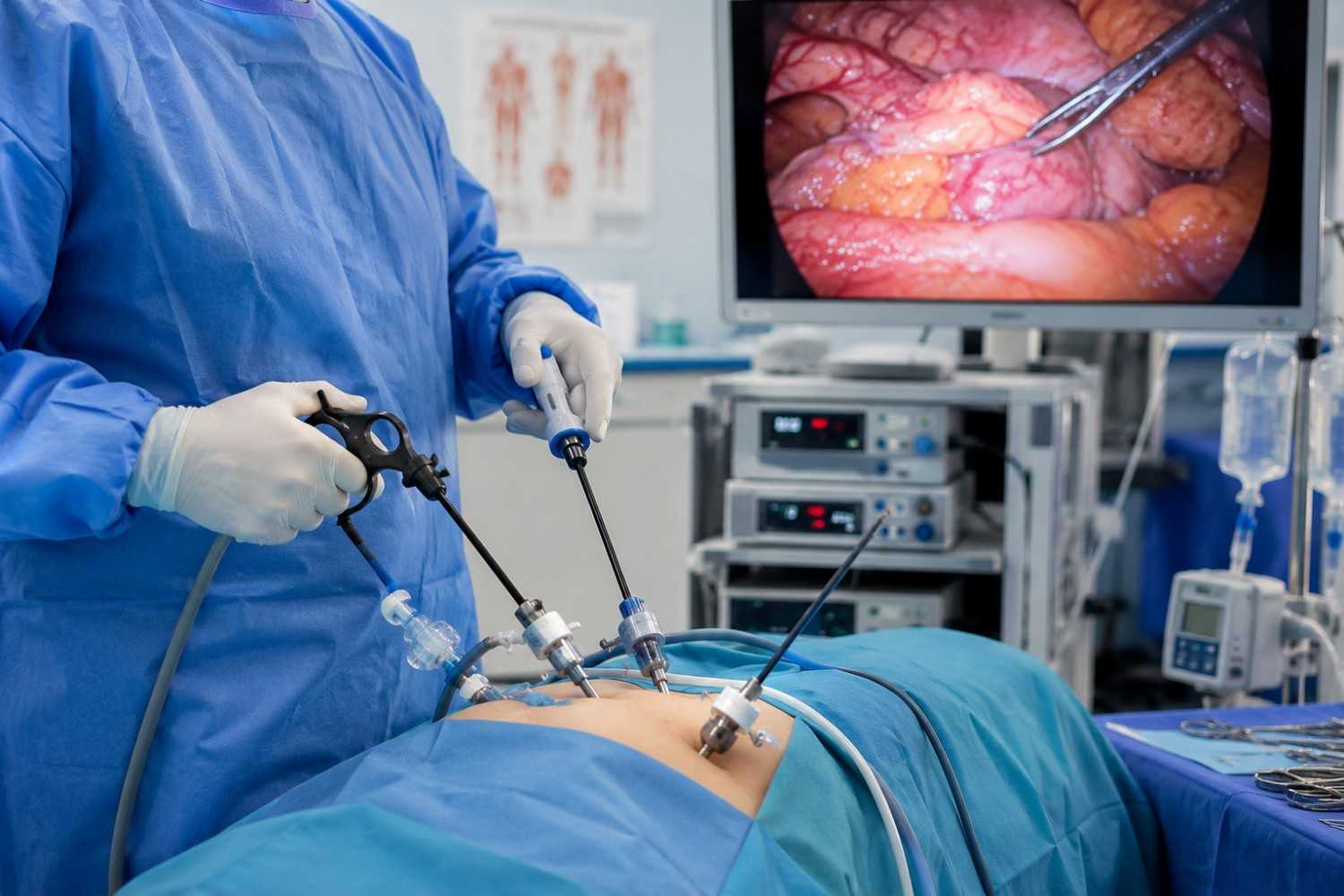
Minimally invasive surgery (MIS) is an umbrella term for any surgical procedure performed through small incisions or natural body openings, using long, slender instruments and high-definition cameras. It includes:
- Laparoscopic surgery — abdominal procedures via 3–4 small cuts
- Thoracoscopic surgery — chest procedures through small ports
- Endoscopic surgery — internal procedures via natural orifices (mouth, anus, urethra)
- Surgery assisted with enhanced precision systems
- Arthroscopic surgery — joint procedures through small portals
- Image-guided / percutaneous procedures — done through needle-sized openings
The goal is the same in all of these: achieve the surgical objective with the least possible disruption to your body.
Why Bangalore Has Become a Hub for Minimally Invasive Surgery
Bengaluru has steadily emerged as one of India’s leading centres for surgical care. Reasons include:
- A high concentration of fellowship-trained laparoscopic surgeons
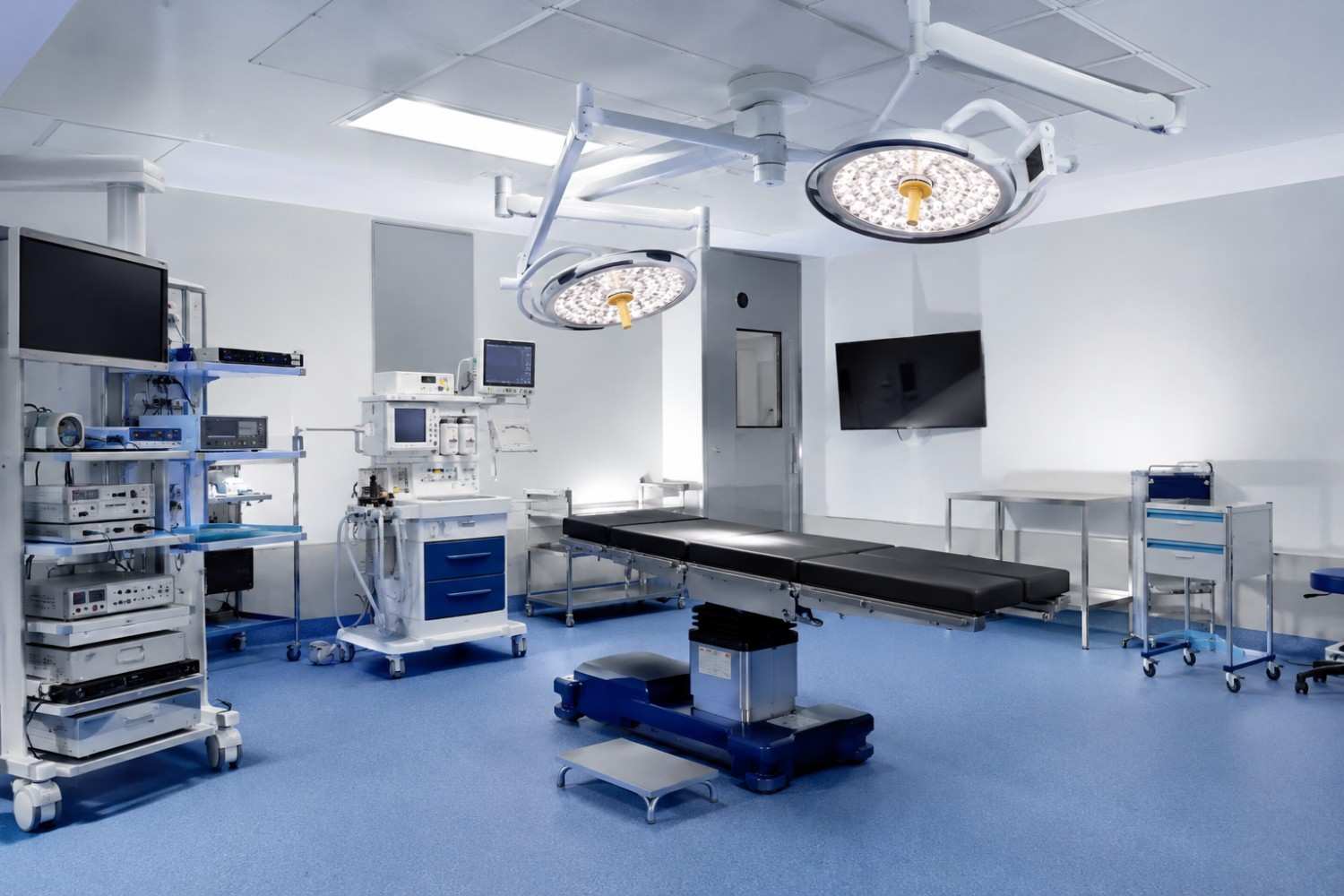
- Investment in modern operating theatres with HD/4K imaging
- Robust anaesthesia and ICU infrastructure
- Strong insurance and cashless ecosystem
- Reasonable pricing relative to other major Indian cities and overseas options
- Patient-friendly hospitals like Ananya Hospitals with dedicated MIS departments
Patients increasingly travel from across Karnataka, Andhra Pradesh, Tamil Nadu, and even abroad for surgery in Bengaluru.
Procedures Performed Using Minimally Invasive Techniques
| Specialty | Common MIS Procedures |
| General / GI | Appendix, gallbladder, hernia, hiatus hernia, anti-reflux |
| Bariatric | Sleeve gastrectomy, gastric bypass |
| Colorectal | Colon resections, rectopexy |
| Gynaecology | Hysterectomy, myomectomy, ovarian cystectomy, endometriosis |
| Urology | Adrenal, kidney, prostate, stone removal |
| Thoracic | Lung biopsy, lobectomy, pleural surgery |
| Orthopaedics | Arthroscopy of knee, shoulder, hip |
| ENT / Sinus | Endoscopic sinus surgery |
| Diagnostic | Diagnostic laparoscopy / thoracoscopy |
If you’ve been advised surgery, ask your doctor: “Can this be done with a minimally invasive approach?” In most cases, the answer today is yes.
Real Benefits Patients Notice
Beyond clinical advantages, here’s what MIS patients consistently say:
- “I walked the same evening.” Mobility is dramatically faster than open surgery.
- “I went home the next morning.” Most procedures are 1-day or day-care.
- “The discomfort was much less than I expected.” Smaller cuts mean less tissue damage.
- “I forgot which side they operated on.” Tiny scars often fade beyond recognition.
- “I was back at my desk in a week.” A huge benefit for working professionals.
The Cleveland Clinic resource on minimally invasive surgery and the Mayo Clinic guide provide additional patient-friendly background.
Minimally Invasive Surgery vs. Open Surgery
| Factor | Minimally Invasive | Open Surgery |
| Incision size | Several 0.5–1 cm cuts | One 10–25 cm cut |
| Blood loss | Minimal | Higher |
| Pain | Mild | Moderate to significant |
| Hospital stay | 1–2 days, often day-care | 5–7 days |
| Time off work | 1–2 weeks | 4–6 weeks |
| Scarring | Almost invisible | Visible |
| Infection risk | Lower | Higher |
| Cost | Slightly higher upfront | Lower upfront, higher indirect |
Technology-Assisted vs. Laparoscopic: Are They the Same?
Both are minimally invasive — but they’re different in execution.
- Laparoscopic surgery uses long hand-held instruments through small ports.
- Technology-assisted surgery uses enhanced systems controlled by the surgeon at a console, providing 3D vision and finer wristed motion.
For routine cases (gallbladder, appendix, simple hernia), laparoscopic surgery is sufficient and more cost-effective. For complex pelvic, oncologic, or recurrent cases, technology-assisted procedures may offer advantages.
A senior surgeon advises which approach is best for your specific case — not based on hype, but anatomy and clinical evidence.
Who Is a Good Candidate?
Most adult patients are eligible for minimally invasive surgery, especially:
- Those needing routine gallbladder, appendix, hernia, or gynaecological surgery
- Patients without severe heart or lung disease
- People with no extensive prior abdominal surgeries that could create dense adhesions
- Those who can tolerate general anaesthesia
- Patients seeking quick recovery and minimal scarring
There are situations — severe trauma, advanced cancers, hostile abdomen — where open surgery may be safer. A skilled team identifies these honestly.
Diagnostic Workup Before MIS
Standard pre-operative evaluation includes:
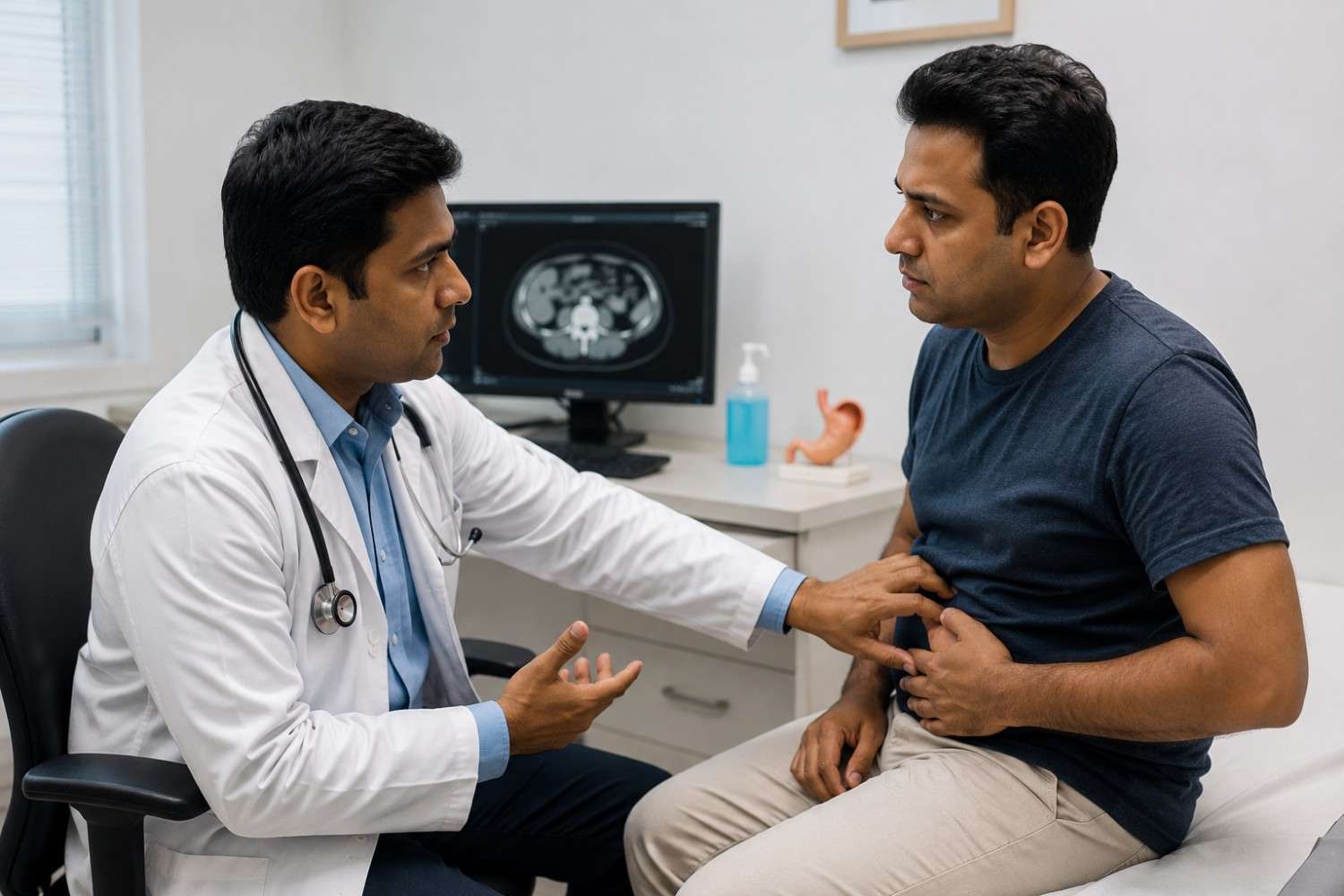
- Detailed medical history and physical examination
- Blood tests (CBC, sugar, kidney/liver function)
- ECG and chest X-ray
- Ultrasound, CT, or MRI as relevant
- Anaesthesia consultation
- Insurance pre-authorisation
A streamlined hospital completes most of this within a single day.
What Happens on Surgery Day
Patients often picture surgery as overwhelming. The reality is more orderly than dramatic:
- Admission and final paperwork
- Pre-op review by surgeon and anaesthetist
- Change into surgical gown; IV line started
- Family briefed
- Wheeled to operation theatre
- Anaesthesia administered (you fall asleep within seconds)
- Surgery performed
- Wheeled to recovery area
- Vitals stabilised; family informed by surgeon
- Shifted back to room
- Light fluids in evening; walking with assistance
- Discharge typically within 24 hours for routine cases
Recovery: A Realistic Timeline
| Time | What’s Possible |
| Day 0 | Walking with help, light fluids |
| Day 1 | Discharge, soft diet, normal home routine |
| Days 2–4 | Light activity at home |
| Days 5–10 | Office/desk work, gentle walking |
| Week 2 | Driving, light shopping |
| Week 3–4 | Gym, jogging — surgeon-cleared |
| Week 4–6 | Full activity, heavy lifting |
Why Choose Ananya Hospitals for MIS
Ananya Hospitals is built around minimally invasive surgical excellence. Patients across Bengaluru and Karnataka choose us because:
- Senior surgeons with extensive MIS experience
- Modern HD/4K laparoscopic theatres
- Day-care or short-stay protocols for eligible procedures
- Expertise in complex minimally invasive procedures when clinically indicated
- Transparent, written cost estimates
- Cashless insurance assistance
- Multi-language patient counselling
- Structured post-discharge follow-up
Our minimally invasive surgery department treats every patient with rigorous clinical protocols and unhurried, respectful communication.
How to Prepare for Minimally Invasive Surgery
- Follow fasting instructions strictly
- Inform the team of every medication, including ayurvedic and over-the-counter
- Stop smoking at least 2 weeks before
- Maintain good sugar and blood pressure control if applicable
- Arrange someone to accompany you home after discharge
- Plan a calm recovery space with easy bathroom access
- Take time off work to allow proper healing
FAQs
Q1. Is minimally invasive surgery safer than open surgery?
For most procedures, yes — less blood loss, fewer wound infections, and faster mobilisation. Safety also depends on surgeon experience and patient condition.
Q2. Is MIS painful?
Mild to moderate discomfort, easily managed with oral painkillers. Far less discomfort than open surgery.
Q3. How long does the surgery itself take?
Routine procedures take 30–90 minutes. Complex cases may take longer.
Q4. Will I have visible scars?
Only small marks (5–10 mm), which usually fade significantly within months.
Q5. Can elderly patients undergo MIS safely?
Yes — and often it’s safer than open surgery for them due to faster recovery and less risk of post-operative complications.
Q6. Is technology-assisted surgery always better than laparoscopic?
No. For routine cases, laparoscopy is excellent and more cost-effective. Technology-assisted procedures are valuable in selected complex situations.
Q7. Does insurance cover minimally invasive surgery?
Most major Indian health insurance plans cover MIS fully or substantially.
Q8. How soon can I return to work?
Most desk-job patients return within 5–10 days. Physically demanding jobs may need 3–4 weeks.
Q9. Are emergency surgeries also done minimally invasively?
Yes — appendix, perforated ulcer, and acute gallbladder problems are routinely handled laparoscopically in capable hospitals.
Q10. How do I find the right MIS hospital in Bangalore?
Look for senior MIS-trained surgeons, modern OTs, transparent pricing, and structured recovery protocols — all of which Ananya Hospitals offers.
Conclusion
Minimally invasive surgery in Bangalore has matured from a niche option to the everyday standard for most abdominal, pelvic, and joint procedures. With smaller cuts, shorter stays, and faster recovery, the only real question for most patients today isn’t whether MIS is right for them — it’s choosing the right team and hospital to deliver it well.
If you’ve been advised surgery, take the time to ask whether a minimally invasive approach is suitable for your case. In most cases, it is — and the experience is dramatically gentler than the surgery your parents may remember.
Book Your Consultation at Ananya Hospitals
Talk to our senior minimally invasive surgery team in Bengaluru. We’ll assess your case carefully and recommend the least disruptive, safest approach for you.
Call us today or book an appointment online. Visit: Ananya Hospitals, Bangalore Department: Minimally Invasive Surgery
Smaller cuts. Bigger outcomes. Faster lives back.