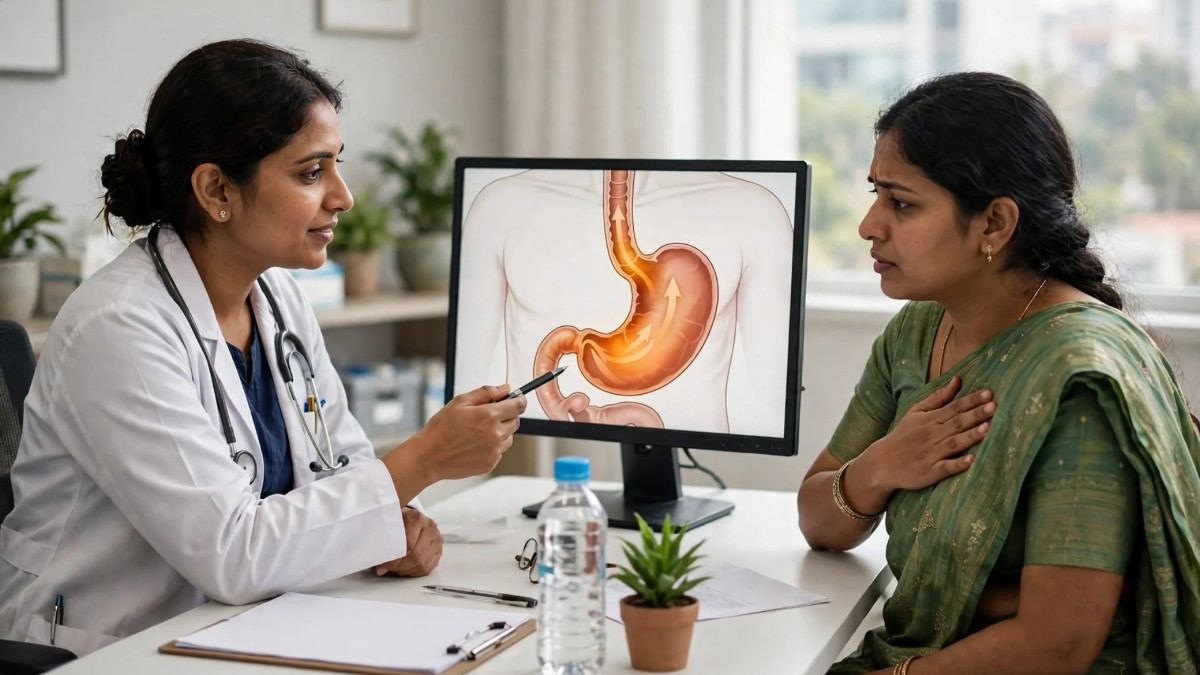
Diabetes is a long-term condition that affects how the body regulates blood sugar levels. While it is commonly associated with thirst, frequent urination, and fatigue, diabetes can also affect the digestive system. High blood sugar over time may damage the nerves that control digestion, leading to problems such as bloating, constipation, diarrhoea, and delayed stomach emptying. Understanding these changes can help people recognise symptoms and seek appropriate care. At Ananya Hospital, digestive health is an important part of comprehensive patient care, and Ananya Hospital provides access to healthcare services for individuals experiencing digestive concerns.
What Is the Connection Between Diabetes and Digestion?
The digestive system breaks down food, absorbs nutrients, and moves waste out of the body. Several nerves and hormones work together to control these processes, including the movement of food from the stomach into the intestines.
Diabetes can interfere with this system, particularly when blood sugar levels remain elevated for a long time. Persistent high blood sugar may damage the nerves that regulate stomach and intestinal movements. This type of nerve damage is known as diabetic neuropathy.
Diabetes may affect digestion in different ways:
- It can slow down the movement of food through the stomach.
- It may contribute to constipation or diarrhoea.
- It can affect the muscles and nerves responsible for bowel movements.
- It may increase the risk of certain gastrointestinal complications.
- Digestive problems can make blood sugar management more difficult.
Not everyone with diabetes develops digestive complications. The risk depends on factors such as blood sugar control, the duration of diabetes, medications, and other health conditions.
Common Digestive Problems Associated With Diabetes
People with diabetes may experience several digestive symptoms. Identifying recurring changes and discussing them with a healthcare professional can help determine the underlying cause.
Gastroparesis: Delayed Stomach Emptying
Gastroparesis is a condition in which the stomach empties food into the small intestine more slowly than normal, even when there is no physical blockage.
Diabetes can cause gastroparesis by damaging the vagus nerve, which helps control stomach muscle contractions. As a result, food may remain in the stomach for longer than expected.
Common symptoms include:
- Feeling full after eating only a small amount.
- Bloating or upper abdominal discomfort.
- Nausea and vomiting.
- Reduced appetite.
- Heartburn or acid reflux.
- Unexplained changes in blood sugar levels.
Gastroparesis can make diabetes management more challenging because the absorption of food may not match the timing of diabetes medication or insulin. Medical assessment is important when these symptoms occur frequently.
Constipation and Diabetes
Constipation is another digestive problem that may affect people with diabetes. Nerve damage can slow intestinal movement, making bowel movements less frequent or difficult.
Other contributing factors include inadequate fluid intake, reduced physical activity, dietary changes, and certain medications.
Signs of constipation may include:
- Passing stools less frequently than usual.
- Hard or dry stools.
- Straining during bowel movements.
- A feeling that the bowel has not emptied completely.
- Abdominal discomfort and bloating.
Drinking enough water, consuming fibre as appropriate, and staying physically active may help. However, people with diabetes should discuss persistent constipation with their doctor, particularly if they have kidney disease or other conditions that affect fluid and dietary recommendations.
Diarrhoea and Diabetes
Some people with diabetes experience recurring diarrhoea. It may be associated with nerve damage affecting intestinal function, medication side effects, infections, or other gastrointestinal conditions.
Diarrhoea can be particularly concerning because it may lead to dehydration and changes in electrolyte levels. These effects can also complicate blood sugar management.
If diarrhoea persists, occurs at night, or is accompanied by weight loss or blood in the stool, medical evaluation is recommended rather than assuming diabetes is the only cause.
Bloating, Gas, and Indigestion
Bloating and excessive gas can occur when food moves through the digestive tract more slowly or when intestinal bacteria break down certain carbohydrates.
People with diabetes may also experience indigestion because of gastroparesis, acid reflux, dietary factors, or other digestive conditions.
Common symptoms include:
- A feeling of fullness after meals.
- Abdominal pressure or swelling.
- Frequent burping.
- Excessive gas.
- Discomfort in the upper abdomen.
Eating smaller meals, chewing food thoroughly, and identifying personal food triggers may help reduce discomfort. Persistent symptoms should be assessed to identify the cause.
How Does Diabetes Affect the Gut and Intestinal Health?
The gut contains a diverse community of microorganisms known as the gut microbiome. These microorganisms play a role in digestion, nutrient processing, and the body’s interaction with the immune system.
Research suggests that diabetes, diet, medications, and changes in intestinal function may be associated with differences in the gut microbiome. However, these relationships are complex, and changes in gut bacteria do not explain every digestive symptom.
Diabetes may also affect intestinal movement and the normal function of the gastrointestinal tract through nerve damage and changes in blood sugar levels.
Maintaining good blood sugar control, eating a balanced diet, and following appropriate medical advice can support overall digestive health. People should avoid taking probiotics or supplements specifically for diabetes-related gut problems without discussing their suitability with a healthcare professional.
Can Diabetes Cause Acid Reflux?
Diabetes may contribute to acid reflux in some individuals, especially when stomach emptying is delayed. When food remains in the stomach longer, symptoms such as heartburn, regurgitation, and upper abdominal discomfort may become more noticeable.
Other factors, including large meals, lying down soon after eating, excess body weight, and certain foods, can also contribute to reflux.
To reduce symptoms, consider the following habits:
- Eat smaller meals if large meals cause discomfort.
- Avoid lying down immediately after eating.
- Identify foods and drinks that consistently trigger symptoms.
- Maintain a regular eating schedule.
- Seek medical advice if heartburn occurs frequently.
Frequent acid reflux should be assessed because it may require treatment beyond lifestyle changes.
How Are Diabetes-Related Digestive Problems Diagnosed?
Diagnosis begins with understanding the symptoms, medical history, blood sugar control, medications, and the pattern of digestive changes.
A doctor may ask when symptoms started, whether they occur after meals, and whether there have been changes in appetite, weight, or bowel movements.
Depending on the suspected condition, investigations may include:
- Blood tests: To assess blood glucose, long-term glucose control, electrolytes, and other relevant health markers.
- Stool tests: To investigate infections, inflammation, or other possible causes of diarrhoea when indicated.
- Upper gastrointestinal endoscopy: To examine the oesophagus, stomach, and upper part of the small intestine.
- Gastric emptying studies: To measure how quickly food leaves the stomach when gastroparesis is suspected.
- Imaging tests: To investigate structural abnormalities or other causes of abdominal symptoms.
- Other digestive investigations: Depending on the symptoms and findings during the medical examination.
A digestive system test is selected according to the patient’s symptoms and clinical needs. Not every person with diabetes requires all these investigations. The treating doctor determines which tests are appropriate.
How Can You Manage Digestive Problems Caused by Diabetes?
Treatment depends on the specific digestive condition, its severity, and how well blood sugar levels are controlled. A personalised plan can help manage symptoms and reduce the risk of complications.
Maintain Healthy Blood Sugar Levels
Keeping blood glucose within the target range recommended by your healthcare professional is important for reducing the risk of diabetes-related complications.
Follow your prescribed medication or insulin plan, monitor blood sugar as advised, and attend regular follow-up appointments. Do not change medication doses without medical guidance.
Make Appropriate Dietary Changes
Dietary adjustments can help manage certain digestive symptoms, but recommendations differ depending on the condition.
For example, people with gastroparesis may benefit from smaller, more frequent meals and foods that are easier to digest. Fibre intake may need to be adjusted according to the symptoms and medical advice.
General approaches include:
- Eating regular, appropriately sized meals.
- Chewing food thoroughly.
- Drinking adequate fluids, unless fluid restriction has been advised.
- Choosing balanced meals that support blood sugar management.
- Limiting foods that consistently worsen symptoms.
People with diabetes should avoid making major dietary changes without considering their medication, nutritional needs, and blood sugar targets.
Stay Physically Active
Regular physical activity supports blood sugar management and general health. Gentle walking after meals may also help some people with digestion.
Choose activities suited to your fitness level and medical condition. If you have complications affecting your heart, nerves, feet, or other organs, ask your healthcare professional which activities are appropriate.
Review Your Medications
Some diabetes medications can cause gastrointestinal side effects, including nausea, diarrhoea, constipation, or abdominal discomfort. Other medicines may also affect digestion.
If symptoms begin after starting a medication or changing its dose, discuss them with your doctor. Do not stop or alter prescribed treatment on your own.
When Should You Consult a Doctor?
Occasional digestive discomfort may have several causes, but recurring or worsening symptoms should not be ignored, particularly if you have diabetes.
Consider seeking medical advice if you experience:
- Persistent nausea or vomiting.
- Frequent bloating or abdominal pain.
- Ongoing constipation or diarrhoea.
- Feeling full after eating very small amounts.
- Unexplained weight loss.
- Difficulty maintaining stable blood sugar levels because of unpredictable eating or digestion.
Seek urgent medical attention for severe abdominal pain, vomiting blood, black or bloody stools, persistent vomiting with dehydration, or signs of a serious blood sugar emergency.
Digestive Health Evaluation at Ananya Hospital
People experiencing recurring digestive symptoms may benefit from a medical assessment to determine whether the problem is related to diabetes, medication, diet, or another gastrointestinal condition.
For those looking for a digestive health specialist, a gastroenterology consultation can help evaluate symptoms, recommend suitable investigations, and develop a treatment plan based on individual needs.
Patients seeking digestive problems treatment in Bangalore can explore gastroenterology services to discuss concerns such as persistent indigestion, acid reflux, constipation, diarrhoea, and suspected gastroparesis.
The appropriate approach depends on the patient’s medical history, blood sugar control, and examination findings. Early evaluation can help identify complications and guide treatment before symptoms become more difficult to manage.
Frequently Asked Questions
Can diabetes cause stomach problems?
Yes. Diabetes can contribute to digestive problems such as gastroparesis, constipation, diarrhoea, bloating, and acid reflux. However, these symptoms can also have other causes and may require medical evaluation.
What is diabetic gastroparesis?
Diabetic gastroparesis is delayed stomach emptying associated with diabetes-related nerve dysfunction. It may cause nausea, vomiting, bloating, early fullness, and unpredictable blood sugar levels.
Can high blood sugar affect bowel movements?
Persistently high blood sugar may damage nerves that control intestinal function, potentially contributing to constipation or diarrhoea. Medication effects and other health conditions may also play a role.
How can I improve digestion if I have diabetes?
Follow your prescribed diabetes treatment, eat balanced meals, stay physically active, drink appropriate amounts of water, and discuss persistent digestive symptoms with your doctor. Dietary changes should be tailored to your specific condition.
When should I see a gastroenterologist?
Consult a gastroenterologist if you experience persistent abdominal discomfort, recurring diarrhoea, constipation, nausea, vomiting, or unexplained changes in appetite or weight.
Conclusion
Diabetes can affect the digestive system in several ways, including delayed stomach emptying, constipation, diarrhoea, bloating, and acid reflux. These problems may result from nerve damage, medication side effects, changes in intestinal movement, or other underlying conditions. Maintaining appropriate blood sugar control, following a balanced diet, staying active, and seeking medical advice when symptoms persist can help support digestive health. Ananya Hospital encourages patients to take recurring digestive symptoms seriously and seek appropriate medical evaluation. With timely assessment and a personalised treatment plan, Ananya Hospital can be part of a patient’s journey towards better digestive health and overall well-being.
Follow us on Instagram : Stay connected with Ananya Hospital for digestive-health information, preventive-care tips, and healthcare updates.
Disclaimer: The information provided in this article is for educational and informational purposes only and should not be construed as professional medical advice, diagnosis, or treatment. Always seek the advice of your physician or qualified healthcare provider with any questions you may have regarding a medical condition.