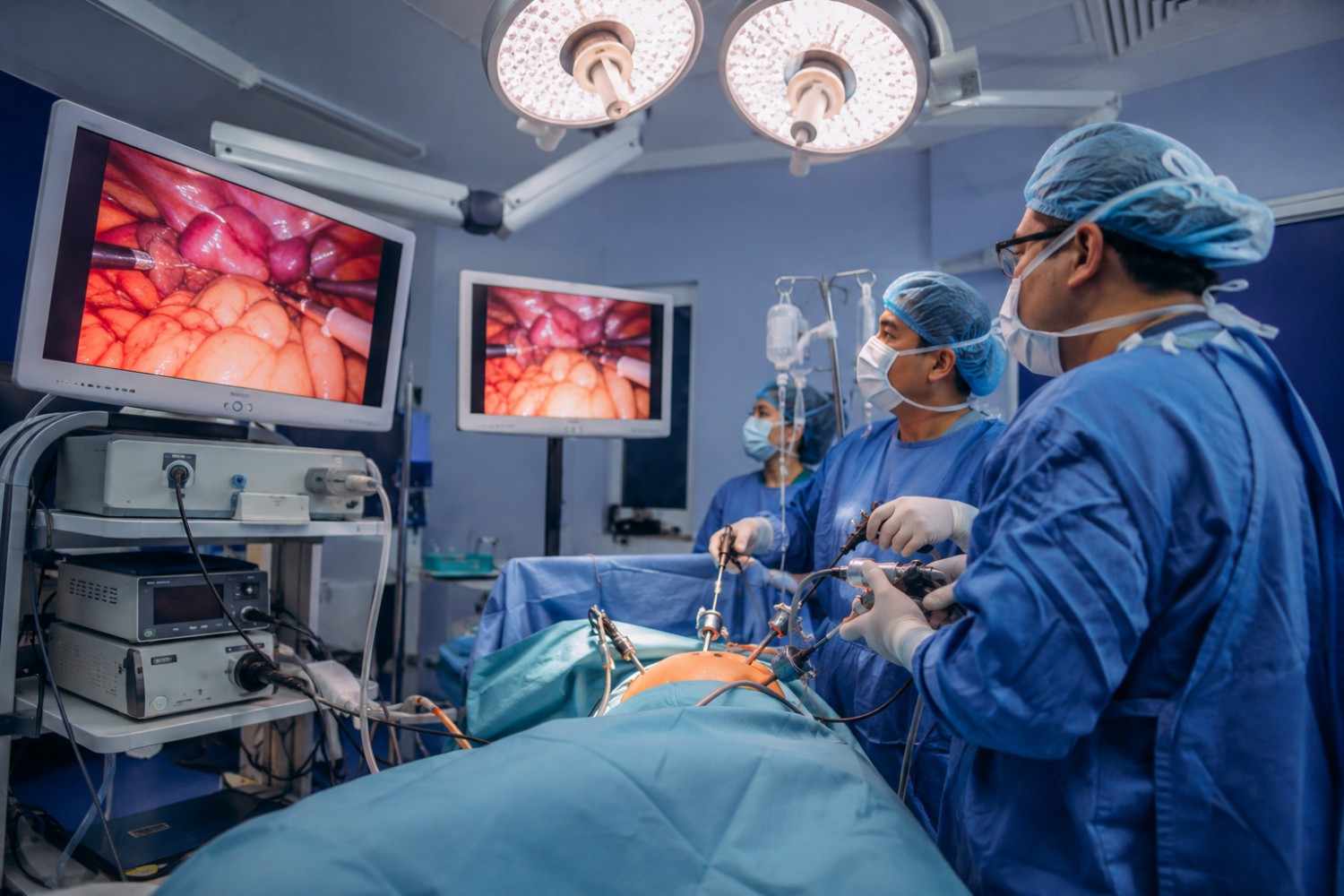
If you’ve recently been told you need laparoscopic surgery, you’re probably staring at a long list of hospitals and feeling unsure. Every brochure looks polished. Every website claims “advanced,” “expert,” and “world-class.” Marketing language has a way of blurring real differences. But the truth is, hospitals do differ — sometimes significantly — in surgical outcomes, technology, communication, and post-operative care.
This guide is intended for the patient who wants to make a calm, well-reasoned choice. It’s about how to identify the laparoscopic surgery hospital in Bengaluru based on what actually matters: surgeon experience, infrastructure, complication rates, and the quality of attention you receive before, during, and after your operation.
Why Hospital Selection Matters in Laparoscopic Surgery
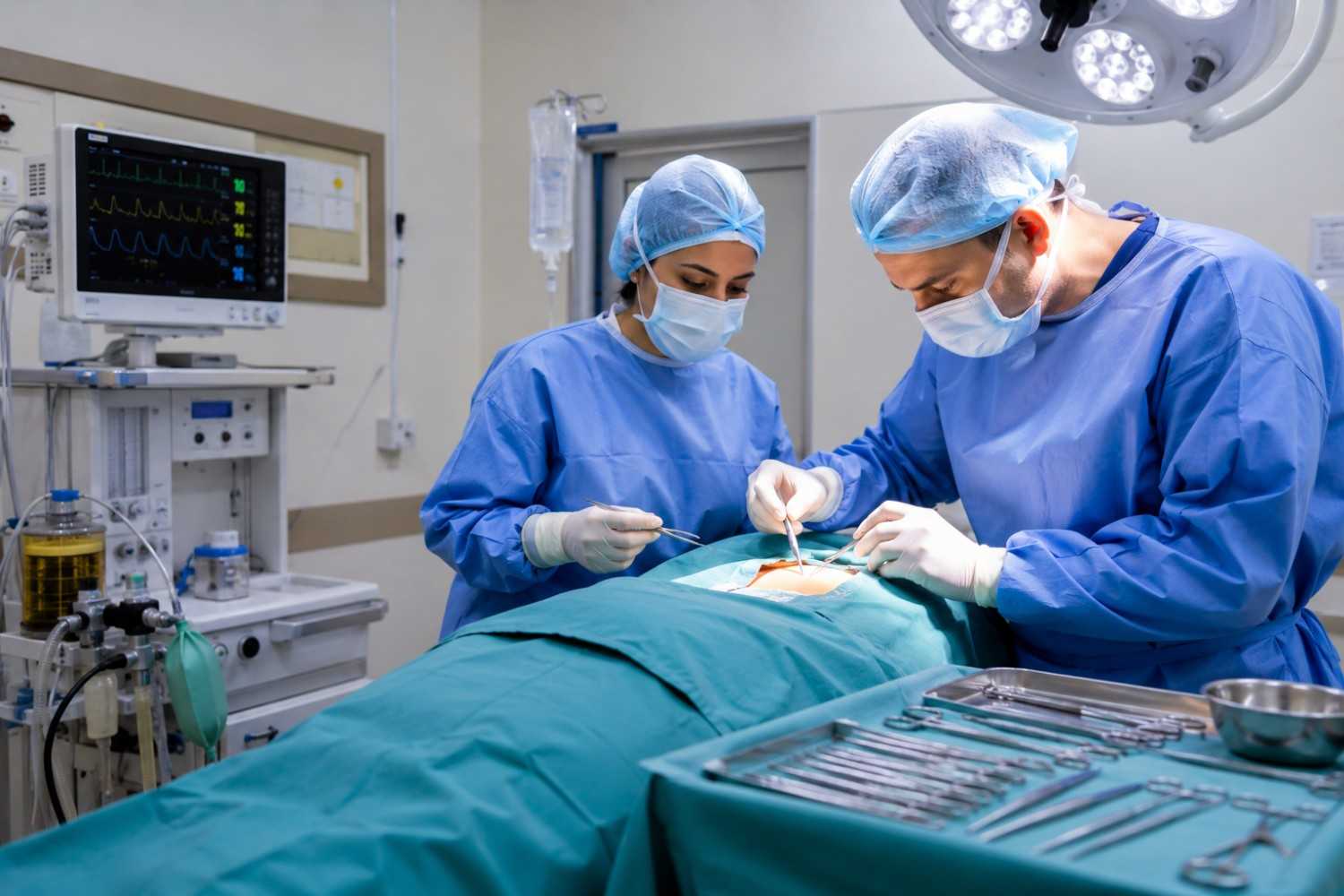
Laparoscopic surgery looks identical from the outside — small cuts, short recovery, modern technology. What you don’t see is what makes the difference: the surgeon’s hand-eye coordination through camera-only vision, the team’s ability to convert smoothly to open surgery if needed, the calibre of the anaesthesia team, the speed of imaging if a complication arises, and the depth of post-operative protocols.
A 2019 review by the American College of Surgeons showed that for many minimally invasive abdominal procedures, hospital and surgeon volume directly correlate with reduced complications, shorter stays, and lower readmission rates. In simple terms: where you have surgery affects how well you recover.
The Core Qualities of a Top Laparoscopic Surgery Hospital
Below is the criteria patients and referring physicians actually use when ranking hospitals — beyond glossy advertising.
1. Senior Laparoscopic Surgeons With Verified Experience
You want surgeons who have personally performed thousands of laparoscopic procedures, not departments where junior trainees are unsupervised. Ask:
- How many laparoscopic surgeries does the operating surgeon perform each year?
- What percentage are converted to open surgery? (Very low rates indicate experience.)
- Are surgeons fellowship-trained in minimally invasive surgery?
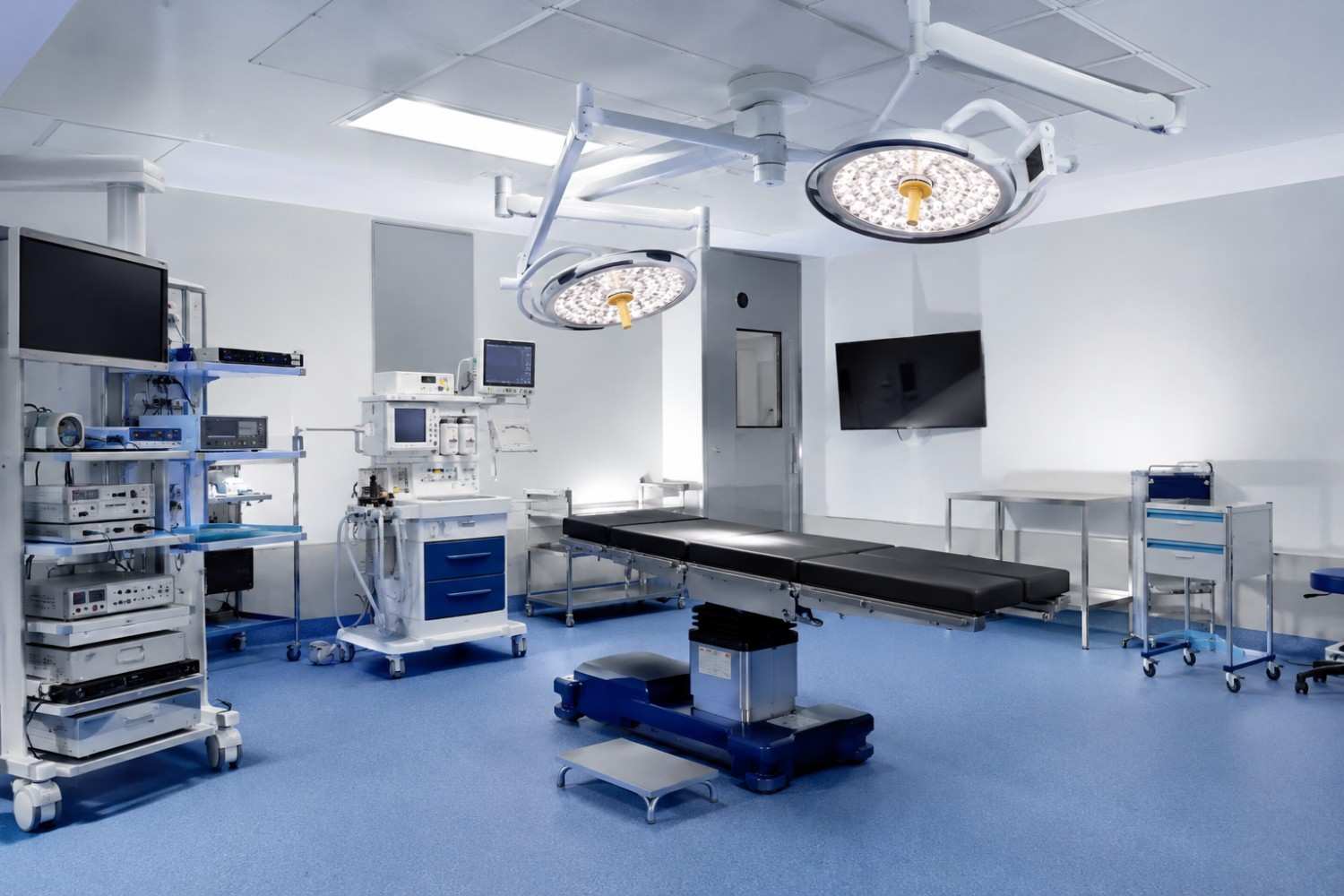
2. Dedicated Laparoscopic Operation Theatres
A modern minimally invasive OT looks very different from a standard one:
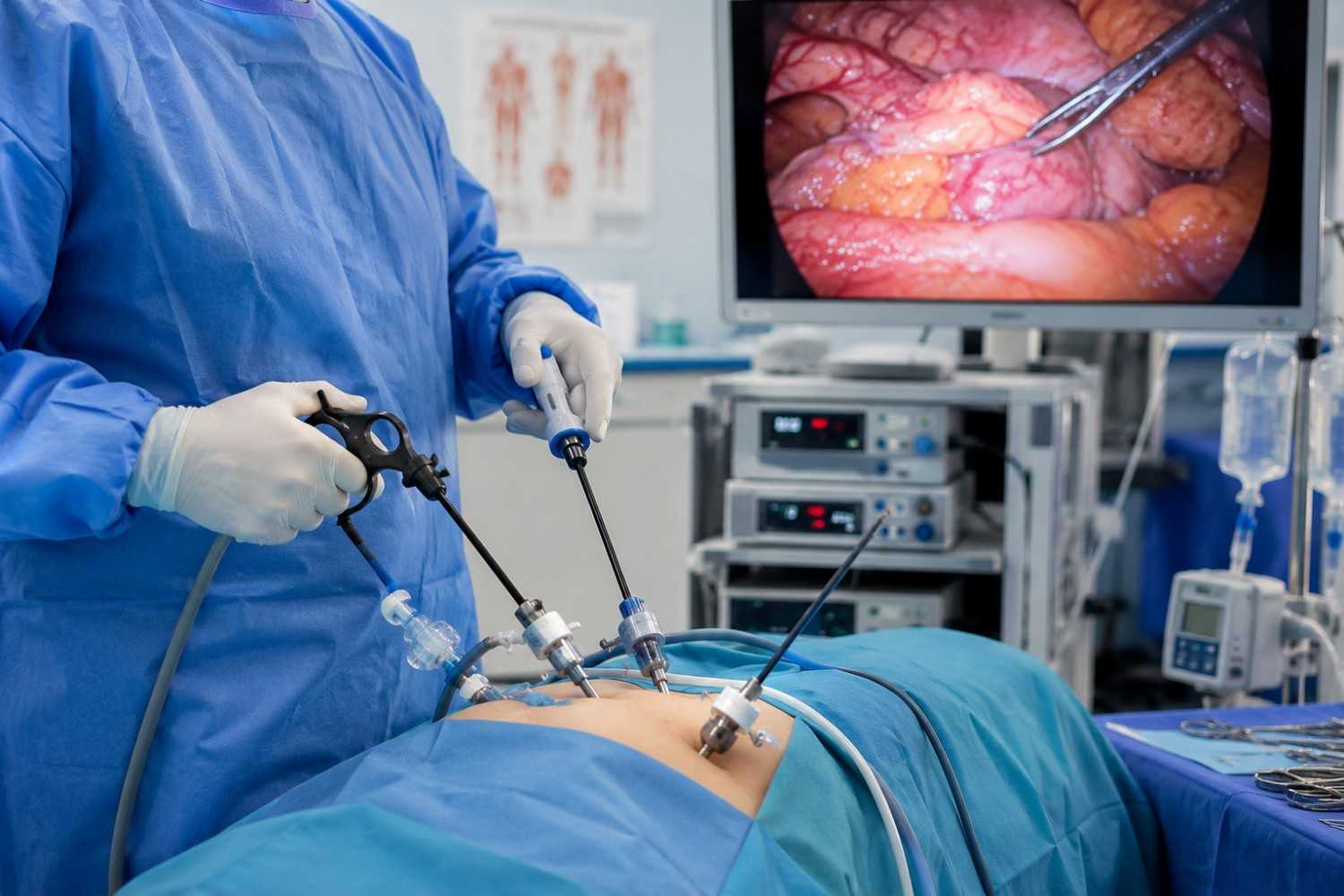
- 4K or full-HD laparoscopic vision systems
- Energy devices like ultrasonic shears and bipolar sealers
- Integrated fluid and CO₂ management
- Image-capable monitors with archiving
- Surgical workflow optimised for laparoscopy
3. Technology-Assisted Capability (Where Relevant)
Not every patient needs technology-assisted procedures, but having the option matters for complex pelvic, hernia, or oncologic cases. Top hospitals either have an in-house technology-assisted platform or work with one regularly.
4. Strong Anaesthesia and Critical Care Teams
Laparoscopy requires precise anaesthesia management — controlled CO₂ insufflation, careful blood pressure control, and rapid recovery from sedation. A high-quality anaesthesia department is one of the most under-discussed but most impactful elements of safe laparoscopic care.
5. 24/7 Imaging, Endoscopy, and Pathology
Surprises happen. Top hospitals have ultrasound, CT, MRI, and endoscopy available within minutes — not hours.
6. Transparent, Itemised Pricing
Reputable hospitals share clear, written estimates, explain inclusions and exclusions, and assist with cashless insurance approvals.
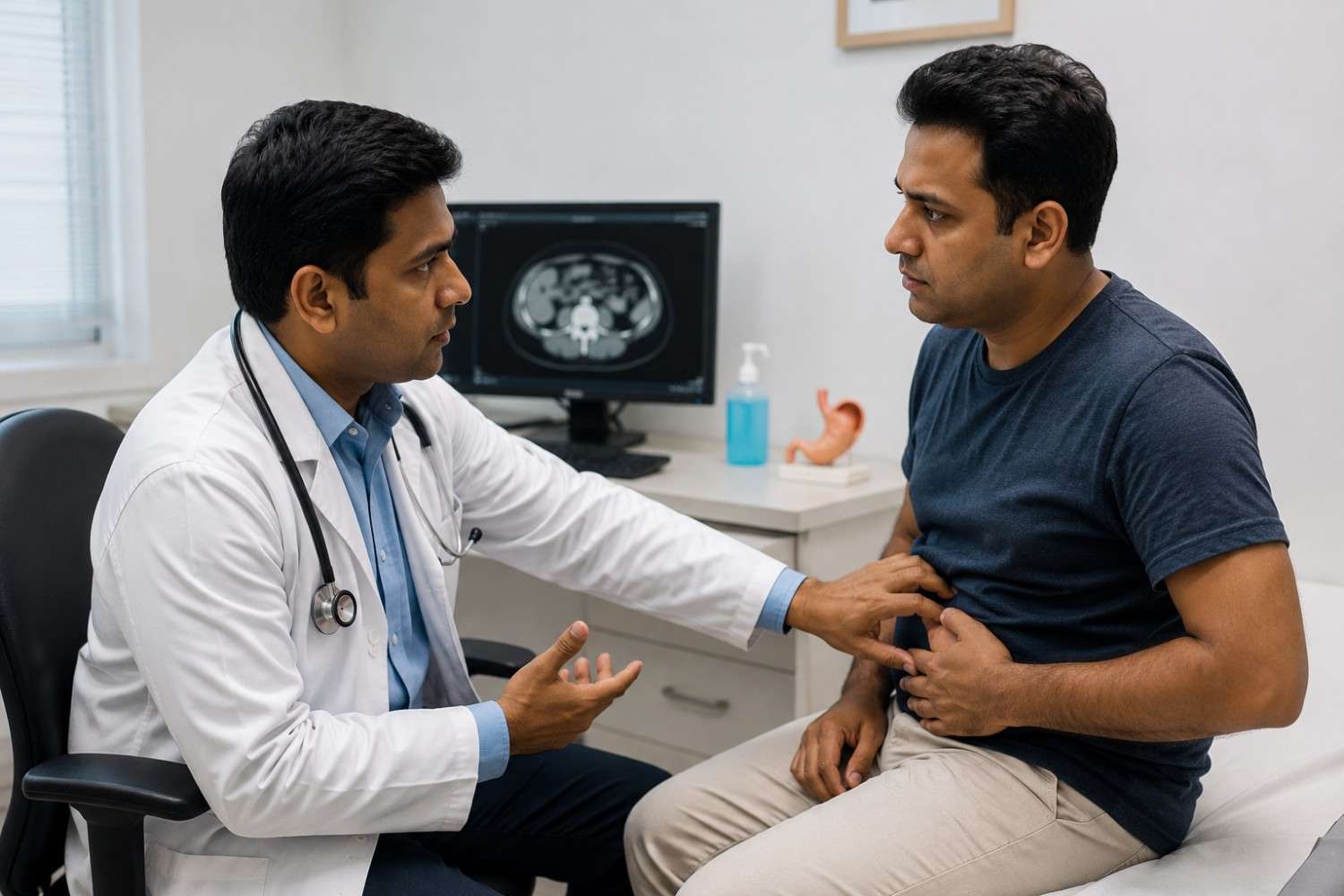
7. Patient Communication That Actually Communicates
You should leave a consultation knowing your diagnosis, your options, the recommended approach, and the expected recovery in plain language. If you walk out feeling more confused than when you walked in, that’s a warning sign.
8. ERAS and Modern Recovery Protocols
Enhanced Recovery After Surgery (ERAS) is a global gold standard that includes early feeding, multimodal discomfort control, early walking, and structured discharge planning. Top laparoscopic hospitals follow it routinely.
9. Strong Post-Discharge Support
Recovery doesn’t end at discharge. The best hospitals provide:
- Written discharge summaries
- Direct access to a coordinator for any concerns
- Scheduled follow-up appointments
- Clear instructions on diet, mobility, wound care, and warning signs
What “Top” Doesn’t Necessarily Mean
It’s worth dispelling some myths:
- Top doesn’t mean biggest. A 1,000-bed hospital may have less personalised attention than a 100-bed boutique surgical hospital.
- Top doesn’t mean most expensive. Premium pricing doesn’t guarantee premium outcomes.
- Top doesn’t mean most marketed. Heavy advertising and surgical excellence are independent variables.
- Top doesn’t mean closest to home. Sometimes a slightly longer drive to the right place is the better choice — especially for non-emergency surgery.
The Range of Procedures You Should Expect
A top laparoscopic surgery hospital in Bengaluru should comfortably handle:
| Category | Procedures |
| General | Appendix, gallbladder, hernia, splenectomy |
| GI | Bariatric, anti-reflux, hiatus hernia, achalasia |
| Colorectal | Colon resections, rectopexy, fissure / fistula procedures |
| Gynaecological | Hysterectomy, ovarian cystectomy, fibroid surgery, endometriosis |
| Urology | Adrenalectomy, prostate procedures, kidney stone procedures |
| Bariatric | Sleeve gastrectomy, gastric bypass |
| Diagnostic | Diagnostic laparoscopy for unexplained discomfort or infertility |
A hospital limited to just one or two of these categories may not be the right fit for complex or unusual cases.
How Top Hospitals Handle Emergencies
Quality of emergency response separates good hospitals from great ones. The hallmarks:
- Surgeon and OT team available within 60 minutes
- 24/7 anaesthesia coverage
- ICU beds for post-op observation if needed
- Blood bank availability around the clock
- Strong sepsis and bleeding protocols
Acute appendicitis, perforated ulcer, strangulated hernia, or acute cholecystitis require this level of preparedness.
Comparing Hospitals: Questions Worth Asking
When you visit a hospital for consultation, here’s a short checklist that genuinely helps:
- How many laparoscopic procedures does this hospital perform monthly?
- Who specifically will perform my surgery? Will they be present throughout?
- What’s your conversion-to-open-surgery rate for my procedure?
- What’s your average length of stay?
- What’s your readmission rate?
- Do you follow ERAS or similar recovery protocols?
- What’s the total cost, and what’s not included?
- Who will I contact if I have questions after discharge?
A hospital that answers these openly is one you can trust.
Why Patients Across Karnataka Choose Ananya Hospitals
Ananya Hospitals has built its laparoscopic surgery department around the principles outlined above — not as marketing, but as everyday practice. Patients consistently mention:
- Senior, fellowship-trained surgeons present at every procedure
- High-volume practice in gallbladder, appendix, hernia, and gynaecological laparoscopy
- Dedicated minimally invasive surgery theatres with full HD systems
- Insurance-friendly cashless treatment with major TPAs
- Calm, unhurried consultations — surgeons explain in everyday Kannada, English, Hindi, and Telugu
- Fast pre-operative scheduling — many patients are operated within 24–72 hours of decision
- Personal post-operative coordinator to handle questions after discharge
Our laparoscopic surgery department is structured around the patient experience, not procedural shortcuts.
Patient Experience: What the First 48 Hours Look Like
At a quality laparoscopic hospital, your first two days follow a clear rhythm:
- Hour 0: Admission, paperwork, room allotment, brief surgeon and anaesthetist visit.
- Hour 1–2: Pre-operative tests verified; family briefed; fasting begins (if not already).
- Hour 3–6: Procedure, often shorter than the family expects.
- Hour 6–10: Recovery in post-operative observation, light fluids, gentle walking.
- Day 1 morning: Soft diet; physiotherapist visit; final discharge briefing.
- Discharge: Written instructions, prescriptions, and follow-up date in hand.
Patients typically describe this rhythm as “much smoother than I expected.”
Red Flags That Suggest a Hospital Isn’t Right for You
If during your initial visit you notice any of the following, consider another opinion:
- The surgeon won’t directly confirm who will perform the operation
- Pricing isn’t shared in writing
- Pre-operative tests are pushed without explanation
- Conversation feels rushed or sales-driven
- No discussion of non-surgical alternatives
- Hospital can’t tell you basic outcome metrics
- Post-discharge support is vague or unclear
Trust your instinct — and your second opinion.
Authority Resources Worth Reading
Patients who like to research before choosing a hospital may find these resources helpful:
- Cleveland Clinic — Laparoscopic Surgery
- Mayo Clinic — Minimally Invasive Surgery
- MedlinePlus — Laparoscopy
These sites provide unbiased, internationally validated information.
FAQs
Q1. What makes a hospital “top” for laparoscopic surgery?
Senior surgeons, high case volumes, modern OTs, strong anaesthesia teams, transparent pricing, and excellent post-operative support — all combined.
Q2. Should I choose a multi-specialty hospital or a focused surgical hospital?
Either can work. What matters is the laparoscopic surgery team’s experience, infrastructure, and outcomes — not just the hospital’s overall size.
Q3. Does a top hospital always cost more?
Not necessarily. Many highly experienced laparoscopic centres in Bengaluru offer excellent value because their volume and efficiency keep package costs reasonable.
Q4. How important is technology–assisted procedures for routine cases?
For routine appendix, gallbladder, and hernia procedures, technology-assisted procedures aren’t essential. They’re most valuable for complex pelvic, oncologic, or anatomically difficult cases.
Q5. How can I verify a surgeon’s experience?
Ask directly during consultation, check hospital profiles, look for fellowship training in minimally invasive surgery, and read genuine patient reviews.
Q6. Do top hospitals accept insurance?
Yes. Most reputable laparoscopic hospitals — including Ananya Hospitals — work with all major insurance providers and offer cashless treatment.
Q7. Can I get a second opinion before deciding?
Absolutely — and you should. A confident hospital welcomes second opinions.
Q8. Are emergency laparoscopic procedures handled differently?
The same standards apply, but timing matters. Top hospitals operate within 1–4 hours of a confirmed surgical emergency.
Q9. What if my procedure turns out more complex than expected?
Top hospitals are prepared. They have the experience, anaesthesia support, and theatre flexibility to convert smoothly to open or technology-assisted procedures if needed.
Q10. How do I book a consultation at Ananya Hospitals?
Call us directly or book an appointment online — both options are quick and easy.
Conclusion
Selecting the top laparoscopic surgery hospital in Bengaluru isn’t about chasing the longest brochure or the loudest advertisement. It’s about identifying the place where experienced surgeons, well-equipped operating theatres, transparent communication, and respectful patient care come together. When those elements line up, treatment stops being a frightening event and becomes a brief, well-managed step toward better health.
If you’re weighing your options, take your time. Ask the questions in this guide. Visit, observe, and trust the place that treats you the way you’d want a family member to be treated.
Book Your Consultation at Ananya Hospitals
Talk to our senior laparoscopic surgery team in Bengaluru. We’ll explain your options, share honest cost estimates, and help you make a confident decision — without any pressure.
Call us or book an appointment online. Visit: Ananya Hospitals, Bangalore Department: Laparoscopic Surgery
Choosing well is half the recovery.