For someone living with diabetes, a non-healing wound isn’t a small problem to be managed at the nearest clinic. It’s a complex medical situation that needs the right team, the right facilities, and the right protocols — all in one place. Choosing a diabetic wound care hospital in Bangalore is one of those decisions that quietly shapes outcomes: whether the wound heals in weeks or months, whether the limb is saved or lost, whether one wound becomes the last one or the first of many. This guide is built to help you make that decision with clarity.
Many hospitals offer “wound dressing.” Far fewer offer genuine diabetic wound care — the structured, multidisciplinary approach that combines medicine, surgery, vascular support, endocrinology, and rehabilitation under one roof. Knowing the difference matters.
Why Diabetic Wounds Need Hospital-Level Expertise
Unlike ordinary wounds, diabetic wounds rarely heal in a straight line. They involve multiple body systems simultaneously:
• Vascular system — circulation often compromised, especially in the lower limbs
• Neurological system — sensation reduced, allowing wounds to worsen unnoticed
• Endocrine system — high blood sugar slows healing biology
• Immune system — bacterial defence is impaired
• Musculoskeletal system — altered foot mechanics create pressure ulcers
• Skin and soft tissue — fragile, prone to breakdown and infection
A clinic with one or two of these capabilities can treat the surface. Only a hospital with all of them under one roof can treat the patient.
Conditions Treated at a Diabetic Wound Care Hospital
| Condition | What’s Involved |
| Diabetic foot ulcers | Most common; multi-disciplinary management |
| Charcot foot | Bone and joint deformity from neuropathy |
| Diabetic gangrene | Wet or dry tissue death; often emergency |
| Osteomyelitis | Bone infection extending from wound |
| Cellulitis | Spreading skin and tissue infection |
| Post-surgical non-healing wounds | Often complicated by diabetes |
| Diabetic peripheral arterial disease | Underlying cause of many ulcers |
| Pressure sores | In bed-bound or immobile patients |
| Burn injuries in diabetic patients | Often unnoticed due to neuropathy |
| Trauma-related diabetic wounds | Need urgent comprehensive care |
What Makes a Hospital Genuinely Equipped
1. Multi-Specialty Team Under One Roof
A real diabetic wound care hospital coordinates:
• Internal medicine / diabetologist — for sugar control
• General / vascular surgeon — for surgical debridement and circulation issues
• Orthopaedic surgeon — for foot deformity and bone involvement
• Plastic surgeon — for skin grafts and reconstructive flaps
• Infectious disease specialist — for complex infections
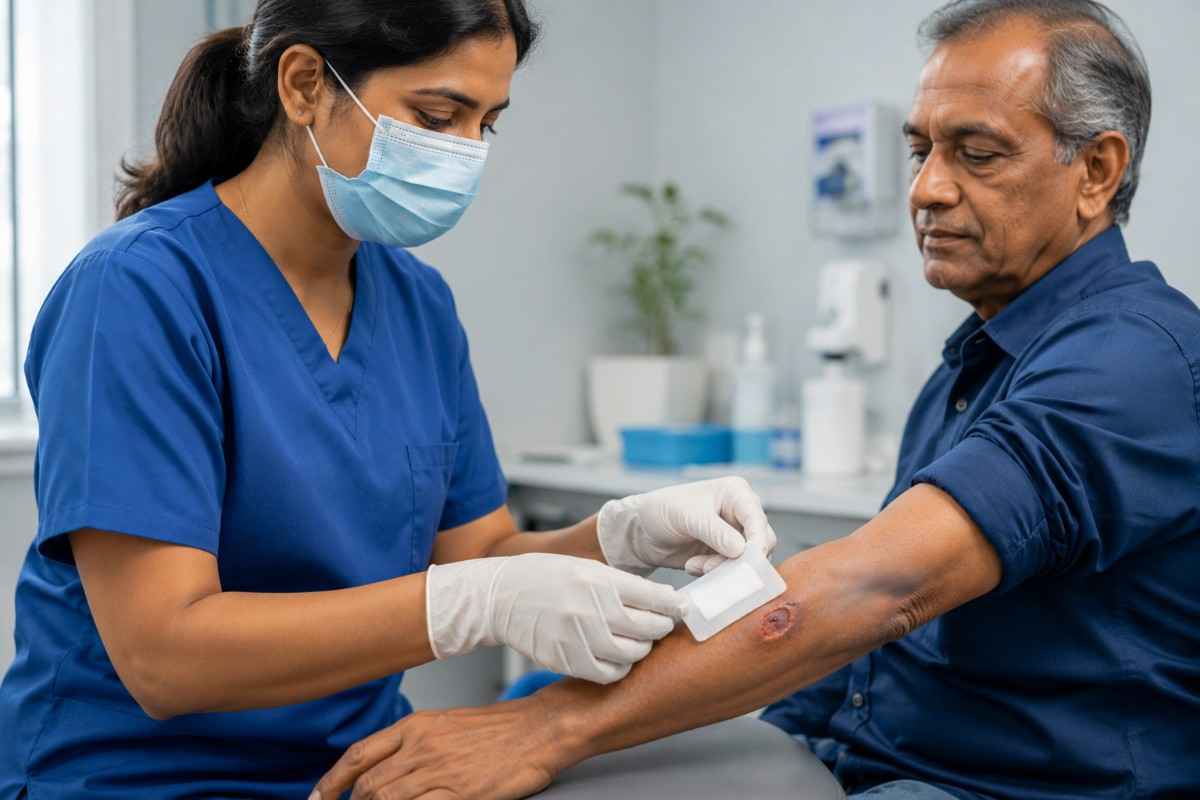
• Podiatrist / wound care nurse — for daily dressings and education
• Physiotherapist — for mobility and offloading
• Nutrition specialist — for diet support during healing
2. Advanced Wound Care Modalities
• Silver and alginate antimicrobial dressings
• Hydrocolloid and foam dressings
• Negative Pressure Wound Therapy (NPWT / VAC)
• Hyperbaric oxygen therapy (HBOT) — where indicated
• Bioengineered skin substitutes
• Growth factor and PRP applications
• Modern offloading solutions (total contact casts, custom footwear)
3. In-House Imaging and Vascular Assessment
• Doppler ultrasound
• Ankle-Brachial Index (ABI) measurement
• CT angiography
• MRI for soft tissue and bone evaluation
• Plain X-rays
• Wound microbiology and culture
4. Surgical Capability
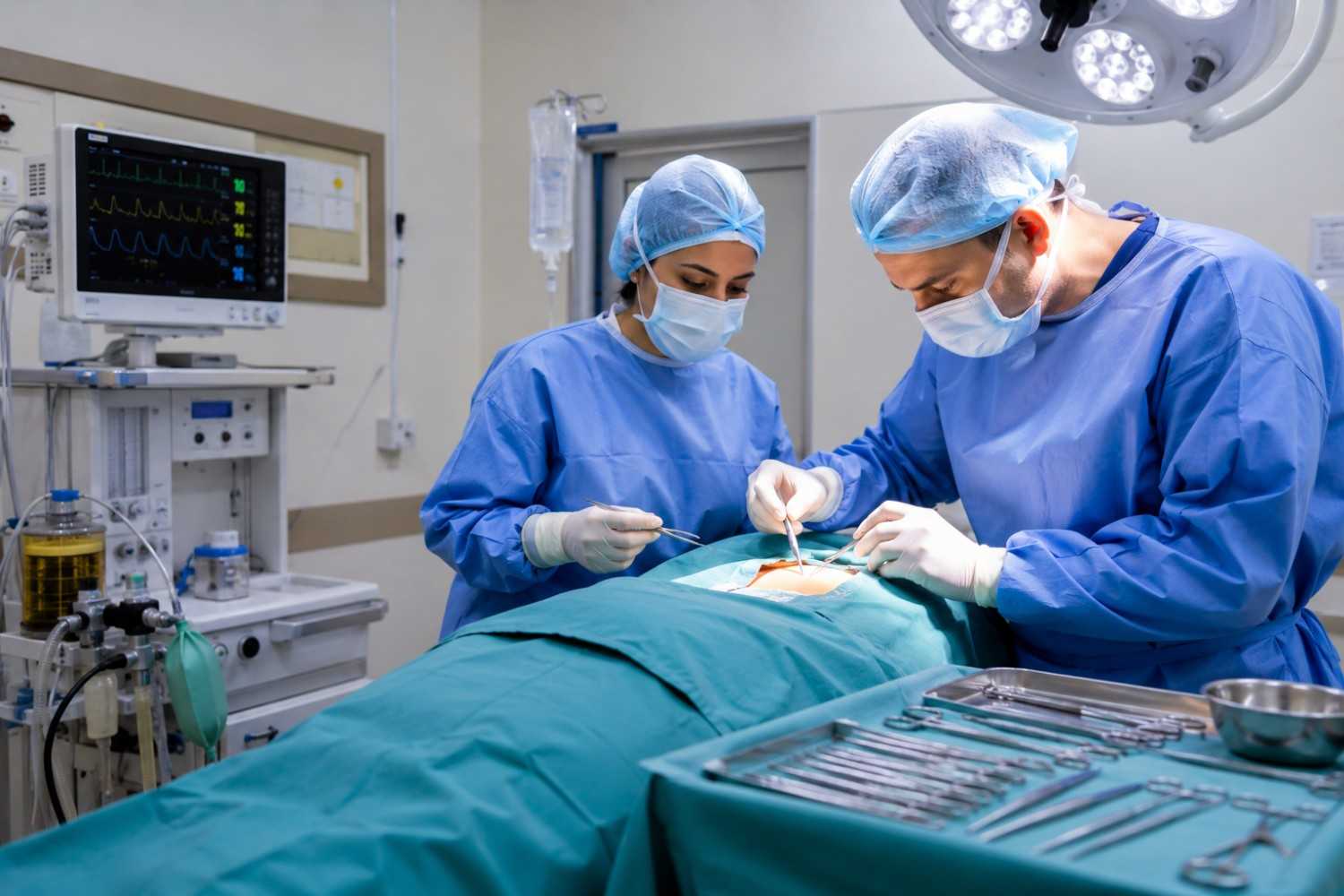
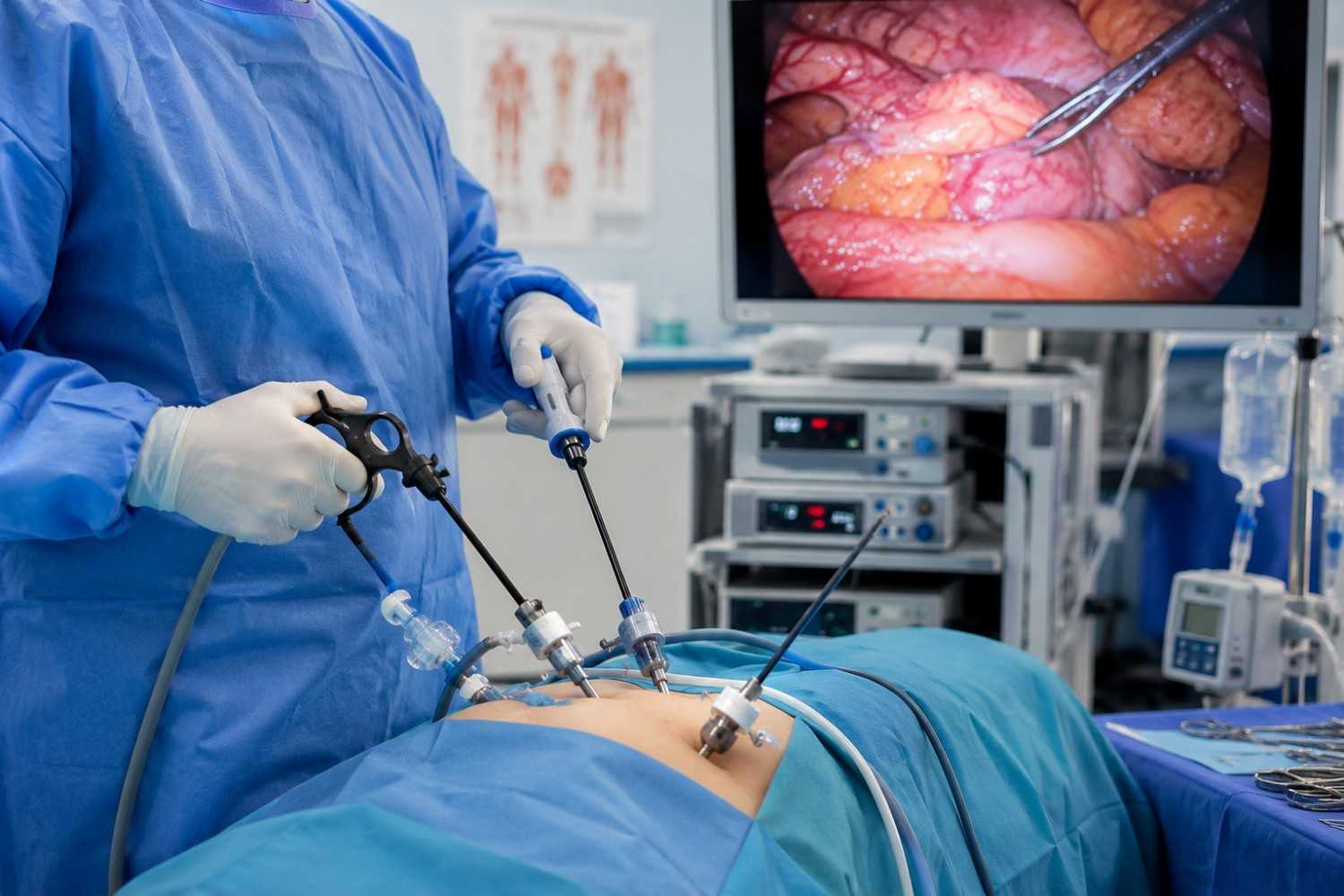
• Operating theatres for surgical debridement
• Vascular intervention (angioplasty, bypass)
• Reconstructive surgery (flaps, grafts)
• Limb salvage expertise
• Targeted, minimal amputation only when essential
5. 24/7 Emergency Capability
Diabetic wound complications often arrive as emergencies — sepsis, wet gangrene, sudden deterioration. A real hospital handles these any time of day or night.
6. Structured Follow-up Protocols
Healing is a long road. The right hospital ensures:
• Regular dressing reviews
• Tracking of wound healing progression
• Long-term foot care education
• Recurrence prevention
• Family training on home care
The Cleveland Clinic guide on diabetic foot care and the American Diabetes Association resource provide further reading on what comprehensive diabetic wound care should include.
Why Choose Ananya Hospitals for Diabetic Wound Care
Ananya Hospitals is built on the principle that diabetic wound care is a multi-specialty challenge — and treats it that way. Patients across Bengaluru and Karnataka choose us because:
• Senior multi-specialty teams including diabetologist, vascular surgeon, orthopaedic surgeon, plastic surgeon, and infectious disease support
• Coordinated wound care protocols — not fragmented department-to-department care
• Modern dressing options — silver, alginate, hydrocolloid, foam, hydrogel
• Negative pressure wound therapy for complex deep wounds
• In-house Doppler, MRI, X-ray, microbiology
• Surgical debridement and reconstructive capability
• Vascular intervention support for ischaemic wounds
• Endocrinologist-led glycaemic optimisation
• 24/7 emergency response for diabetic wound complications
• Long-term follow-up and prevention programmes
• Cashless insurance support with all major TPAs
• Multi-language counselling for Karnataka patients and families
Our hospital treats every diabetic wound patient with the rigour, planning, and humanity that this complex condition deserves.
What Your First Visit Should Look Like
A high-quality diabetic wound care hospital handles the first consultation systematically:
1. Detailed history — when wound started, blood sugar trends, prior treatments
2. Comprehensive physical examination of the wound and surrounding tissues
3. Vascular and neurological assessment
4. Photography of the wound for tracking
5. Wound classification and staging
6. Necessary investigations — blood tests, imaging, microbiology
7. Multi-specialty input where warranted
8. Written treatment plan with realistic timelines
9. Cost estimate and insurance facilitation
10. Education for patient and family
A confident hospital welcomes your questions and explains its approach in detail.
When Hospitalisation Becomes Necessary
Some diabetic wound situations need inpatient management:
• Spreading cellulitis or systemic infection
• Wet gangrene
• Osteomyelitis
• Sepsis or unstable vitals
• Need for IV antibiotics
• Wounds requiring frequent surgical debridement
• Severe ischaemia needing vascular intervention
• Patients with very high blood sugar alongside infection
• Failed outpatient treatment
In these cases, hospitalisation typically lasts 4–14 days, depending on complexity.
Recovery and Healing Timeline
| Stage | What’s Happening |
| Week 1–2 | Acute management, infection control, surgical debridement if needed |
| Week 2–6 | Active wound bed preparation, advanced dressings |
| Week 6–12 | Continued healing, possible skin grafting or reconstruction |
| Month 3–6 | Wound closure, scar maturation |
| Beyond 6 months | Long-term prevention, footwear, regular reviews |
Healing time depends heavily on initial wound severity, underlying circulation, blood sugar control, and patient compliance.
Red Flags: Hospitals to Avoid
Be cautious if a hospital:
• Doesn’t offer multi-specialty consultation
• Skips vascular assessment for foot ulcers
• Recommends amputation as a first option
• Doesn’t share written cost estimates
• Uses only basic gauze dressings without considering alternatives
• Doesn’t address blood sugar control alongside wound care
• Lacks surgical or reconstructive capability
• Has no structured follow-up after discharge
A trustworthy hospital welcomes scrutiny and explains its approach in detail.
How to Prepare for Your First Hospital Visit
• Bring all previous medical records, including blood sugar readings, HbA1c reports
• List all current medications, including diabetes medications and insulin
• Note any allergies, previous surgeries, or hospitalisations
• Photograph the wound at home before the visit (helps tracking)
• Bring a family member who can support care decisions
• Wear footwear that’s easy to remove for examination
• Prepare a list of questions about diagnosis, treatment, costs
Lifestyle Habits That Support Healing
• Maintain blood sugar within recommended targets
• Stop smoking — significantly impairs wound healing
• Eat a high-protein, balanced diet
• Stay well-hydrated
• Wear prescribed offloading footwear
• Inspect feet daily
• Don’t apply home remedies to wounds
• Walk only as instructed by your specialist
• Attend all scheduled dressing reviews
• Manage blood pressure, cholesterol, and weight
FAQs
Q1. What makes a hospital a “diabetic wound care hospital”?
A genuine diabetic wound care hospital combines multi-specialty teams, advanced dressing options, surgical and vascular capability, and structured follow-up — all under one roof.
Q2. Should I go to a general hospital or a specialist wound care centre?
A multi-specialty hospital with strong diabetic wound expertise typically offers better outcomes than a single-specialty wound clinic.
Q3. How long is the hospital stay for diabetic wound care?
Outpatient dressings often suffice. For infected or complex wounds, hospitalisation typically lasts 4–14 days.
Q4. Will I need surgery?
Many diabetic wounds heal without surgery. Surgical input is needed for deep infections, gangrene, large defects, or non-healing wounds.
Q5. Are amputations really preventable?
Yes — in most cases. Modern hospital-based diabetic wound care has dramatically reduced amputation rates through early intervention and multi-specialty teams.
Q6. Will my insurance cover diabetic wound care?
Most major insurance plans cover hospitalisation, surgery, advanced dressings, and consultations. Coverage for outpatient dressings varies.
Q7. Can I switch hospitals if I’m not satisfied with care elsewhere?
Yes. A second opinion is your right and often valuable. Bring all reports for review.
Q8. How often do I need follow-up after my wound heals?
Initially weekly or biweekly, then monthly, then every 3–6 months long-term. Regular foot screening prevents recurrence.
Q9. Are home dressings okay between hospital visits?
Yes, when done correctly under guidance. Home care is part of the overall treatment plan.
Q10. How do I find the best diabetic wound care hospital near me in Bangalore?
Look for multi-specialty teams, advanced dressing capabilities, surgical and vascular support, and structured follow-up — exactly what Ananya Hospitals offers.
Conclusion
A genuine best diabetic wound care hospital in Bangalore combines medical expertise, surgical capability, vascular support, endocrinology coordination, and structured follow-up — all backed by experienced teams and modern protocols. For diabetic patients, choosing the right hospital isn’t just about convenience. It’s about giving your wound — and often your limb — the best possible chance of healing fully and not coming back.
If you or a family member is dealing with a diabetic wound, please don’t settle for routine clinic-based care. The right hospital makes all the difference, especially in the early weeks.
Book Your Consultation at Ananya Hospitals
Talk to our senior diabetic wound care team in Bengaluru. We’ll evaluate your wound thoroughly, coordinate the right specialists, and design a treatment plan that gives the best chance of complete healing.
Call us today or book an appointment online. Visit: Ananya Hospitals, Bangalore Service: Diabetic Wound Care
Comprehensive care. Coordinated specialists. Lasting healing.