Most people who walk into our orthopaedic clinic with knee pain don’t lead with the word “pain.” They lead with what the pain has taken away from them. “I can’t walk to the market anymore.” “I had to stop my morning walks.” “I can’t keep up with my grandchildren.” “Climbing stairs has become a slow process.” When difficulty walking due to knee pain becomes the dominant complaint, it’s a clear signal that the knee is no longer just sore — it’s starting to dictate your life.
This guide is for that exact moment. We’ll explore why knee pain limits walking, how a thorough evaluation works, what conservative treatments help, and when surgery genuinely brings back mobility. Most importantly, we’ll explain why early action almost always means better outcomes.
Why Knee Pain Affects Walking So Much
Your knees absorb 3 to 5 times your body weight with every step. They’re crucial joints for:
• Walking on flat ground
• Climbing stairs (4–7 times body weight)
• Sitting and standing
• Squatting
• Running and sports
When something hurts inside the knee — cartilage, ligament, meniscus, bone, or joint lining — the body reflexively limits motion to prevent worsening damage. The result: limping, shorter steps, reluctance to bend the knee, and progressive weakness in surrounding muscles.
Over time, the muscles around the knee — quadriceps, hamstrings, glutes — also weaken. This creates a vicious cycle: pain leads to disuse, disuse leads to weakness, weakness worsens stability, instability worsens pain.
Common Reasons Knee Pain Limits Walking
| Cause | Pattern |
| Knee arthritis (osteoarthritis) | Slow-progressive stiffness and pain, worse with walking |
| Meniscal tear | Sudden pain, locking, giving-way sensation |
| Ligament injury (ACL/MCL) | Instability, especially on uneven ground |
| Cartilage damage | Sharp catching pain, swelling |
| Bursitis / tendinitis | Localised pain near the kneecap |
| Patellofemoral syndrome | Pain in front of knee, worse on stairs |
| Knee deformity (varus/valgus) | Bowleg or knock-knee with mechanical pain |
| Iliotibial band syndrome | Outer knee pain, common in runners |
| Severe quadriceps weakness | Knee gives way during walking |
| Septic arthritis | Hot, severely painful knee — emergency |
Each requires a different treatment approach.
When Difficulty Walking Becomes Concerning
Some warning signs suggest you should see a knee specialist soon:
• You can no longer walk comfortably for 10–15 minutes
• You hesitate before climbing stairs
• You feel the knee “giving way” or buckling
• You’re avoiding outings because of the knee
• You’re using furniture or walls for support indoors
• Pain wakes you up at night
• Swelling lasts hours after walking
• You’ve started limping noticeably
The MedlinePlus resource on knee pain provides a simple language background.
How a Thorough Evaluation Works
A skilled orthopaedist combines clinical and imaging information:
1. History — when symptoms started, what makes them worse, what helps
2. Walking observation — gait pattern, alignment, weight transfer
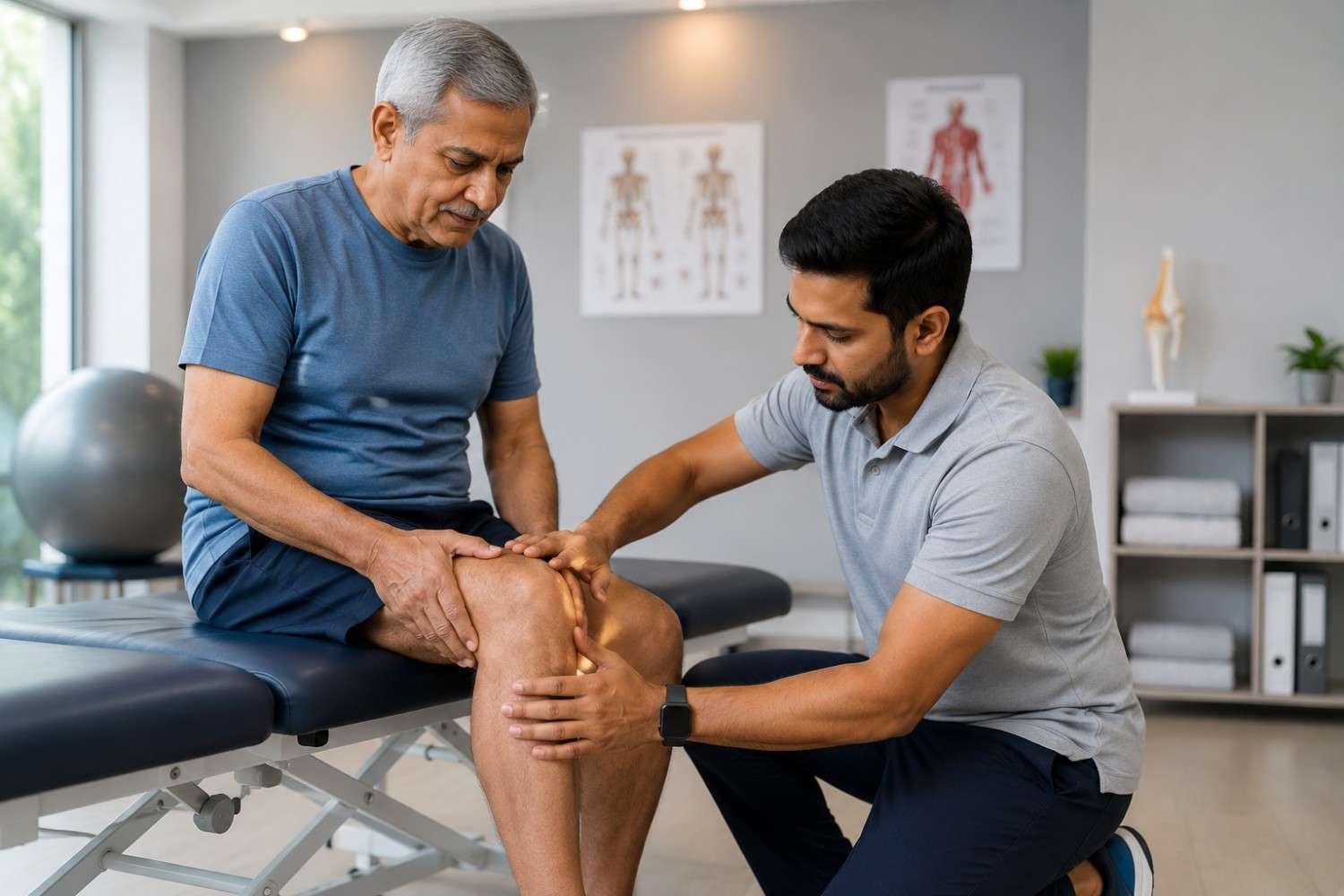
3. Physical examination — range of motion, ligament stability, muscle strength, alignment
4. X-rays in standing position — shows cartilage loss, bony alignment
5. MRI — for ligament, meniscus, cartilage detail
6. Blood tests — to rule out inflammatory or infectious causes
7. Joint fluid analysis — selectively, when warranted
A confident specialist often arrives at a working diagnosis on examination alone — imaging confirms and quantifies it.
Conservative Treatments That Genuinely Help
In most cases, surgery is not the first answer. The following often restore meaningful walking ability:
1. Targeted Physiotherapy
A structured 6–8 week programme can:
• Strengthen the quadriceps (the most important knee-stabilising muscle)
• Improve hip and core support
• Correct gait abnormalities
• Reduce pain through specific exercises
• Build endurance gradually
Skipping physiotherapy is the most common reason for poor recovery.
2. Weight Management
Every kilo lost reduces 3–4 kilos of force on the knee. Gradual, sustainable weight loss is one of the single most effective treatments for arthritic knee pain.
3. Activity Modification
Temporarily avoiding deep squats, sitting cross-legged, climbing many stairs, or running on hard surfaces — while staying active in low-impact ways like swimming and stationary cycling.
4. Pain Management
• Anti-inflammatory medication (short courses)
• Topical pain relievers
• Hot/cold packs
• Knee braces or sleeves for stability
5. Injections
• Steroid injections — for arthritis flare-ups
• Hyaluronic acid (viscosupplementation) — moderate arthritis
• Platelet-rich plasma (PRP) — selected cases
• Genicular nerve blocks — for chronic arthritis pain
The Mayo Clinic resource on knee pain treatment provides further reading.
When Surgery Becomes the Right Choice
Surgery is typically considered when:
• Conservative treatment over months hasn’t restored walking ability
• Quality of life is significantly limited
• X-rays confirm advanced structural damage
• Mechanical symptoms persist (locking, giving-way)
• Pain is severe enough to disturb sleep regularly
Surgical options vary:
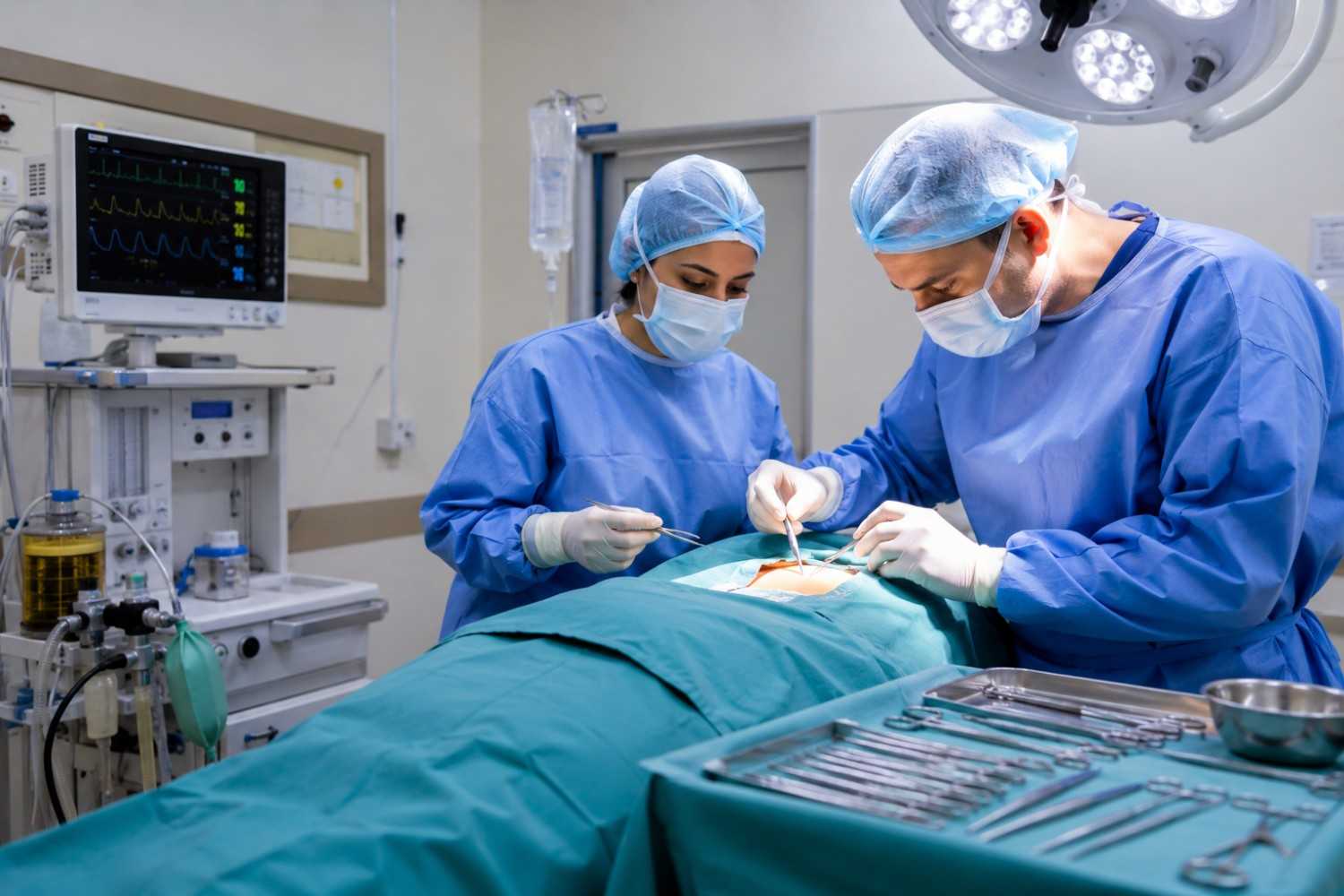
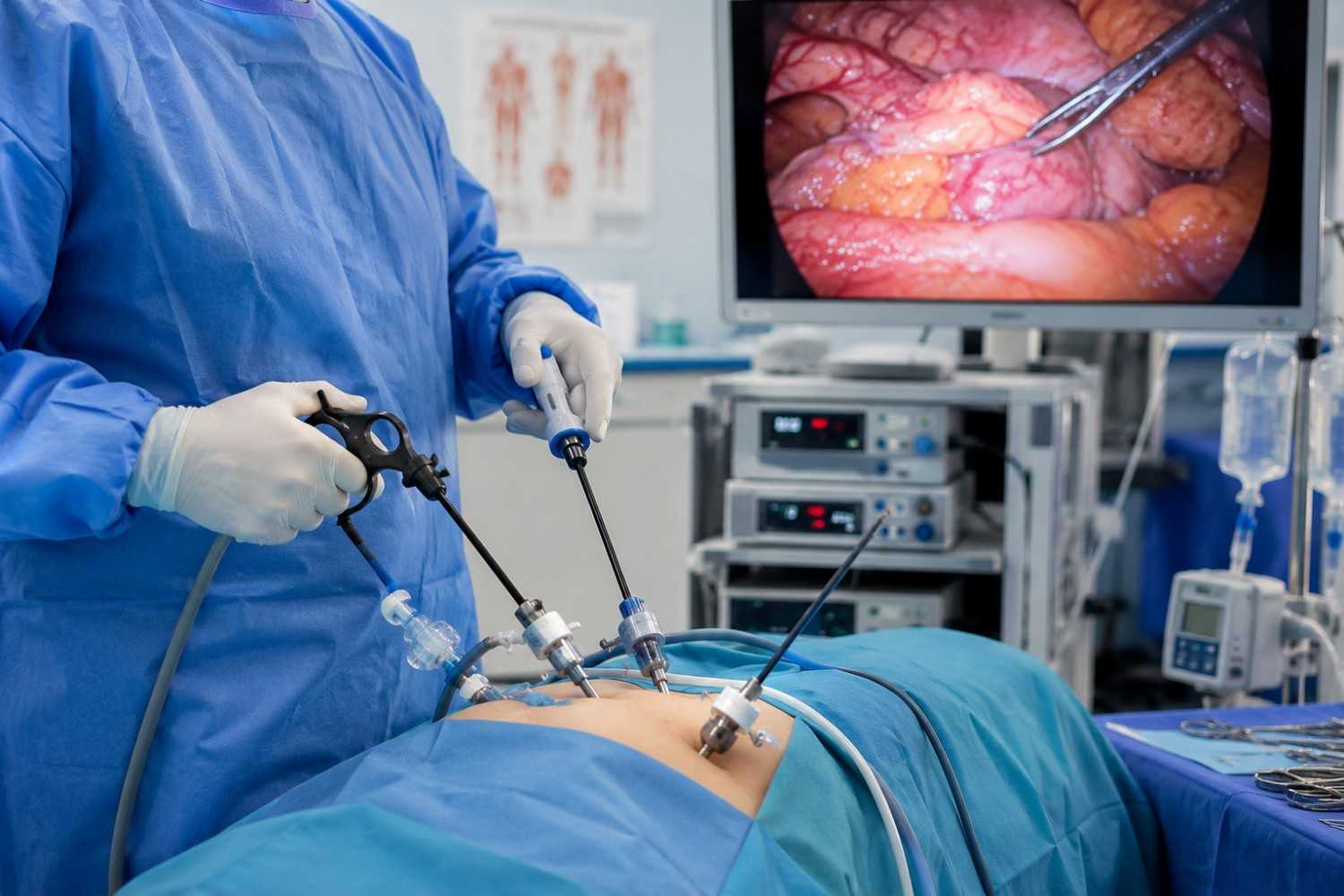
• Knee arthroscopy — for meniscal tears, ligament injuries, cartilage problems
• Realignment surgery (osteotomy) — for younger patients with one-sided arthritis
• Partial knee replacement — when only one compartment is affected
• Total knee replacement — for advanced bone-on-bone arthritis
What Knee Replacement Restores
For patients who have lost mobility due to severe arthritis, modern total knee replacement can be life-changing. Patients typically:
• Walk with support the next day
• Climb stairs by week 2–3
• Drive by week 4–6
• Resume routine life by week 6–8
• Continue to improve up to 6–12 months
Most return to comfortable walking, gardening, social events, and travel. Modern implants typically last 15–25 years.
Why Choose Ananya Hospitals for Knee Mobility Issues
Ananya Hospitals is built around the principle that knees should be preserved when possible, and replaced skilfully when necessary. Patients across Bengaluru choose us because:
• Senior orthopaedic and joint replacement surgeons
• Comprehensive in-house physiotherapy team
• Conservative-first approach — surgery only when truly needed
• Modern arthroscopy and joint replacement expertise
• Robotic-assisted joint replacement option for selected cases
• Multi-disciplinary rehab teams for elderly patients
• Cashless insurance assistance
• Transparent implant choice and pricing
Our orthopedics department provides end-to-end care — from first evaluation to full mobility recovery.
Daily Habits That Help
• Keep walking — but on flat surfaces, in supportive shoes
• Avoid deep squatting and sitting cross-legged on floor
• Strengthen quadriceps daily — even 10 minutes makes a difference
• Lose excess weight gradually
• Use stairs carefully (handrail, lead with stronger leg going up)
• Wear good supportive footwear
• Treat vitamin D and calcium deficiencies
• Manage diabetes, thyroid, and other contributing conditions
When to Seek Urgent Care
Visit a hospital quickly for:
• Sudden inability to bear weight
• Visible deformity after injury
• Hot, red, severely painful knee with fever (possible infection)
• Severe locking — knee won’t bend or straighten
• Numbness or weakness below the knee
FAQ
Q1. Can I walk normally again after severe knee pain?
In most cases, yes — with the right treatment. Even patients with advanced arthritis often regain comfortable walking after appropriate surgery and rehab.
Q2. Is knee replacement worth it for elderly patients?
Absolutely. Restoring mobility in older adults reduces falls, depression, and dependency. Many patients say it transformed their quality of life.
Q3. Can knee pain return after physiotherapy ends?
Strength gains need maintenance. Continuing strengthening exercises long-term is essential to prevent recurrence.
Q4. Are knee injections safe?
Yes, when performed appropriately. Steroid injections are limited to a few per year; hyaluronic acid is well tolerated.
Q5. How long after knee replacement can I drive?
Most patients drive comfortably 4–6 weeks after surgery, depending on which knee was operated and overall recovery.
Q6. Will I be able to climb stairs after knee replacement?
Yes — most patients climb stairs comfortably within 3–6 weeks of surgery.
Q7. What’s the success rate of knee replacement?
Modern knee replacement has a success rate over 95%. Most patients are highly satisfied with the outcome.
Q8. Can I avoid knee replacement?
For early to moderate arthritis, yes — through weight management, physiotherapy, and selective injections. Severe end-stage arthritis usually needs surgery.
Q9. Does insurance cover knee surgery?
Yes — most major plans cover knee replacement, arthroscopy, and related treatment.
Q10. How do I find a knee specialist near me in Bangalore?
Choose an orthopaedic surgeon with sub-specialty interest in knees, strong physiotherapy support, and transparent communication — exactly what Ananya Hospitals offers.
Conclusion
Difficulty walking due to knee pain is one of those problems that quietly shrinks your life. The market trips become shorter, the morning walks stop, the family outings feel exhausting. The good news is that modern orthopaedics offers a complete spectrum of treatments — most conservative, some interventional, a few surgical — that almost always restore meaningful mobility. The key is early evaluation, structured treatment, and a hospital that takes long-term outcomes seriously.
Don’t wait until walking becomes impossible. The earlier you act, the more options you have, and the better your knees will respond.
Book Your Consultation at Ananya Hospitals
Talk to our senior orthopaedic specialists in Bengaluru. We’ll examine your knees thoroughly, recommend the least invasive treatment, and help you walk confidently again.
Call us or book an appointment online. Visit: Ananya Hospitals, Bangalore Department: Orthopedics & Joint Care
Walk better. Live freely. Reclaim your independence.