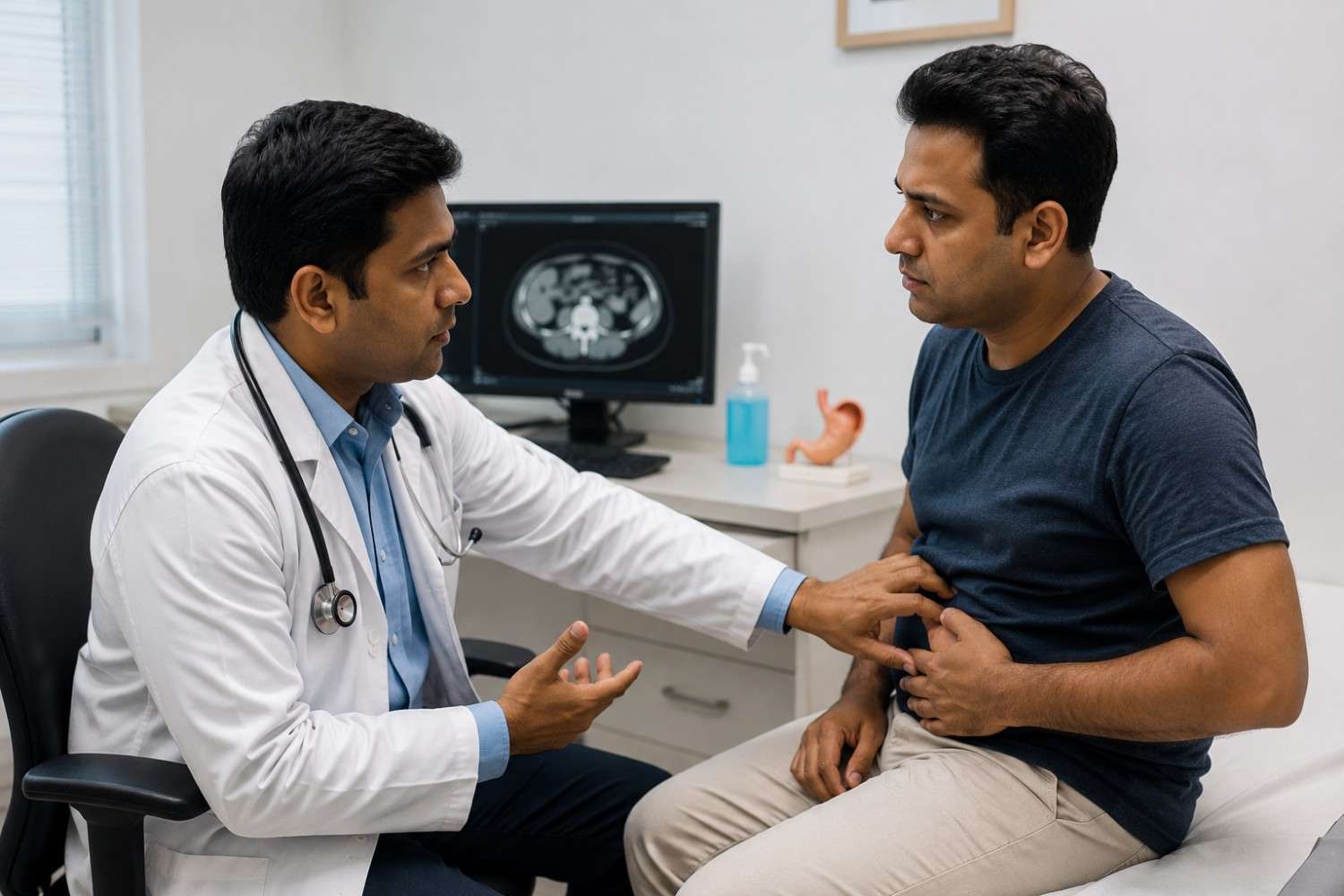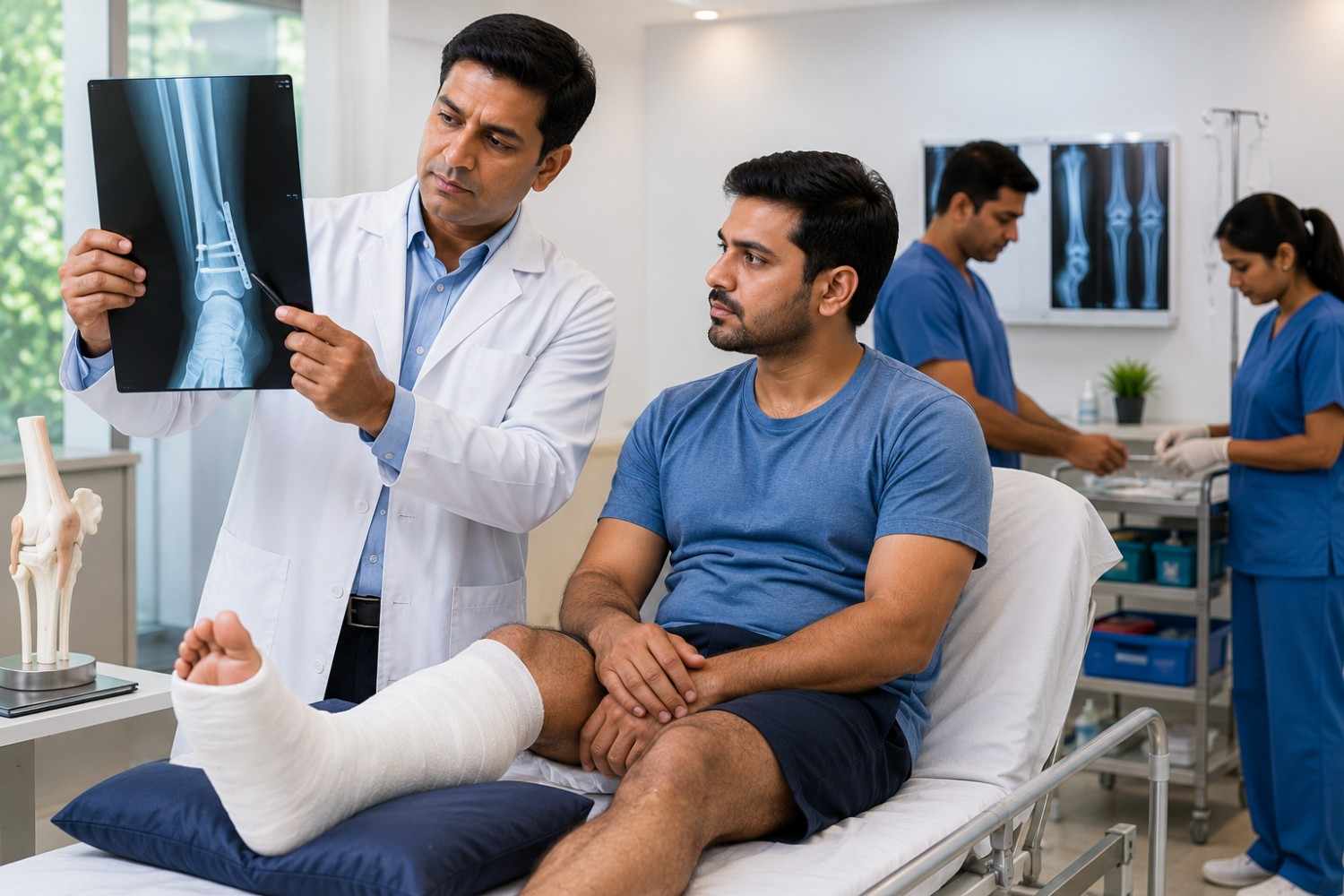
A fracture rarely happens at a convenient time. A bad step on a wet floor, a fall during morning walk, a road traffic accident on the way home, a sports injury, or an awkward landing during a Zumba class — and suddenly you’re in pain, unable to move a limb, and trying to figure out which hospital to head to. The decisions made in the next few hours often shape how well — and how completely — that bone heals. That’s why understanding fracture treatment in Bangalore matters before the injury, not just after it.
This guide walks you through everything: what to do immediately after a fracture, how diagnosis works, what modern surgery involves, why rehab matters as much as the surgery itself, and how to choose the right hospital. Whether the patient is a child, an athlete, a working professional, or an elderly family member — the principles remain the same.
What Is a Fracture?
A fracture is, simply, a break in a bone. Fractures vary widely in severity:
• Hairline fracture (stress fracture) — small crack in the bone
• Closed fracture — bone is broken but skin intact
• Open (compound) fracture — bone exposed through broken skin
• Comminuted fracture — bone shattered into multiple pieces
• Greenstick fracture — partial break (common in children)
• Displaced fracture — bone fragments are misaligned
• Pathological fracture — break through diseased bone (e.g., tumour, osteoporosis)
• Avulsion fracture — small bone piece pulled away by tendon/ligament
The treatment approach changes depending on the type and location of the fracture.
Common Fracture Locations
| Bone | Common Cause |
| Wrist (radius/ulna) | Fall on outstretched hand |
| Hip (femoral neck) | Falls in elderly |
| Femur (thigh bone) | High-energy trauma, road accidents |
| Tibia / fibula (leg) | Sports injuries, falls, accidents |
| Ankle | Twist injuries |
| Clavicle (collar bone) | Direct fall on shoulder |
| Vertebral compression | Osteoporosis in elderly |
| Skull | Major trauma |
| Ribs | Direct blow, falls |
| Foot bones | Drop injuries, twists |
The Cleveland Clinic resource on fractures provides detailed information on each type.
First Aid: What to Do Right After a Fracture
Calm action in the first 30 minutes can significantly improve outcomes:
1. Stop any bleeding with clean cloth pressure
2. Don’t try to “set” the bone yourself — splint it where it lies
3. Immobilise the limb using rolled magazines, sticks, or splint material
4. Apply ice indirectly (wrapped in cloth) to reduce swelling
5. Elevate the limb if possible
6. Don’t give food or water if the patient may need surgery
7. Avoid moving the patient unnecessarily, especially for spine/pelvis injuries
8. Get to a hospital with trauma capability as soon as possible
For open fractures, cover the wound with sterile cloth and seek emergency care immediately.
How Fractures Are Diagnosed
A proper diagnosis usually involves:
• Clinical examination — looking for swelling, deformity, tenderness
• X-ray — first-line imaging for most fractures
• CT scan — for complex fractures (pelvis, spine, joint surfaces)
• MRI — for occult fractures, ligament tears, and stress fractures
• Blood tests — for surgical planning if needed
A capable hospital completes diagnosis within an hour of arrival.
Treatment: From Plaster Casts to Modern Fixation
Conservative Treatment
Many simple, non-displaced fractures heal beautifully with:
• Plaster casts or fibreglass casts
• Functional braces
• Slings
• Walker boots / fracture boots
Healing typically takes 4–8 weeks for most upper limb fractures and 8–12 weeks for lower limb.
Surgical Treatment
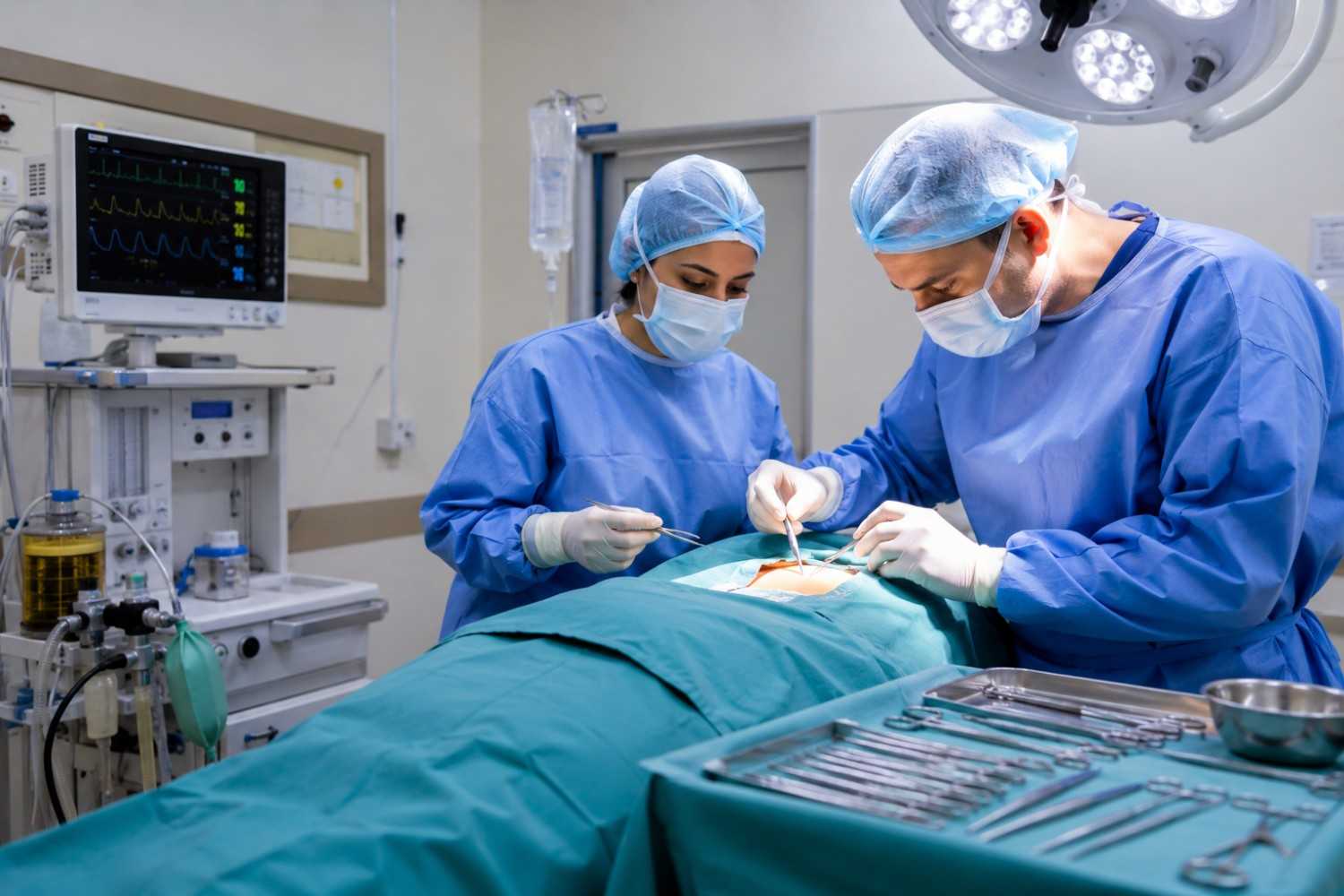
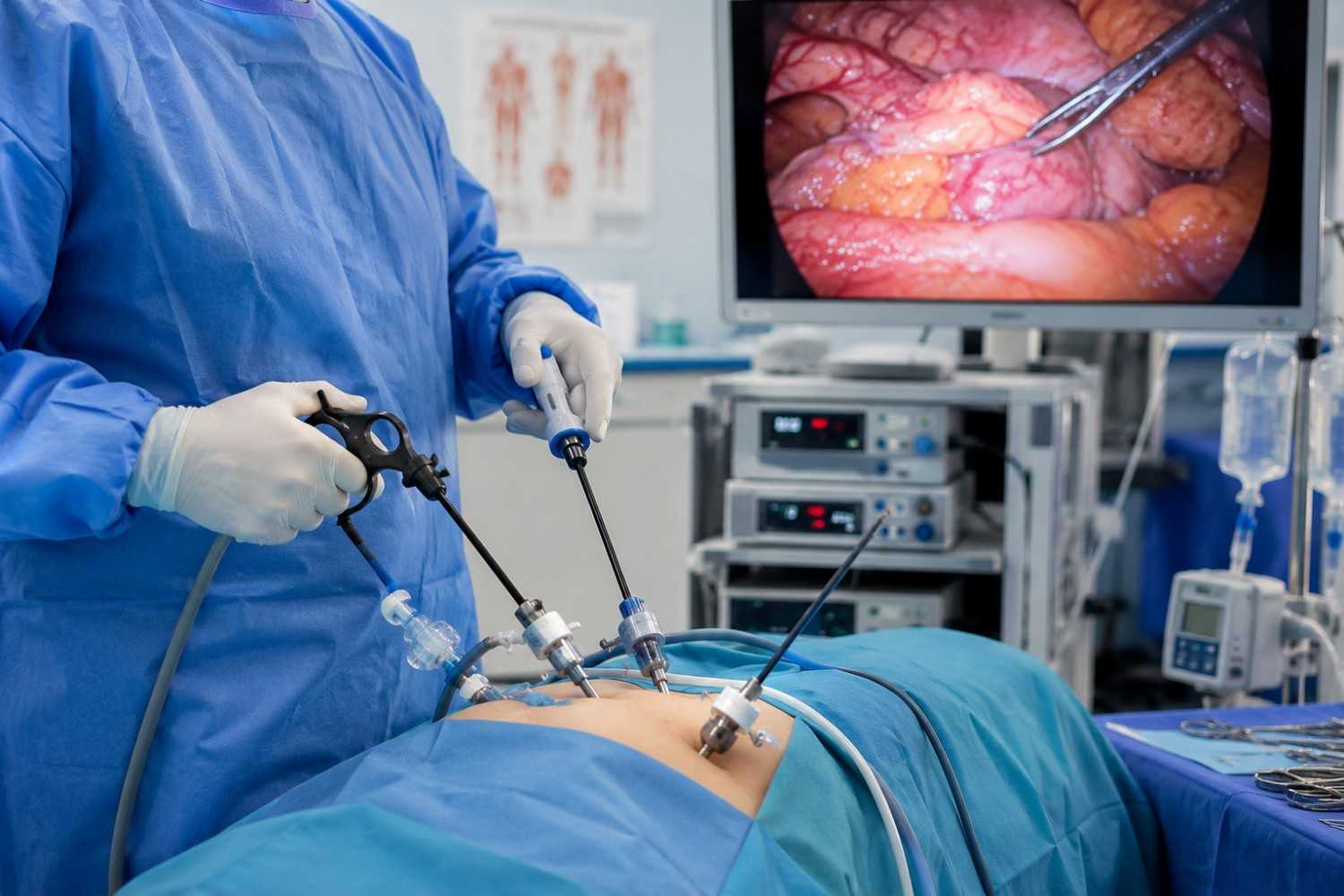
When fractures are displaced, unstable, or involve a joint, surgery often delivers far better outcomes. Modern options include:
• Open Reduction and Internal Fixation (ORIF) — plates, screws, wires
• Intramedullary nailing — long nail through the centre of the bone
• External fixation — for complex open fractures (temporary, then converted)
• Joint replacement — for severe hip fractures in elderly
• Percutaneous pinning — minimal incision in selected fractures
• Spinal fixation — for unstable spine fractures
MedlinePlus provides clear, simple explanations of each approach.
Special Considerations: Hip Fractures in Elderly
Hip fractures in older adults are a serious matter. Without prompt surgery, mortality rates rise significantly. Modern recommendations:
• Surgery within 24–48 hours of admission
• Multi-disciplinary care (orthopaedics, anaesthesia, physician)
• Early mobilisation post-surgery
• Bone health workup (osteoporosis treatment)
• Structured rehabilitation
• Fall-prevention counselling
A capable hospital handles all of this seamlessly.
Pediatric Fractures: Different from Adults
Children’s bones heal faster and differently:
• More flexible — often partial breaks (greenstick)
• Growth plate involvement requires careful evaluation
• Most uncomplicated fractures heal with cast alone
• Surgery is reserved for displaced or growth-plate involving fractures
• Pediatric orthopaedic expertise is important
Recovery and Rehabilitation
Rehabilitation begins within days of surgery — and it’s as important as the surgery itself.
| Phase | Goals |
| Phase 1 (Week 1–2) | Pain control, swelling reduction, gentle motion |
| Phase 2 (Week 3–6) | Range of motion, gentle strengthening |
| Phase 3 (Week 7–12) | Strength, balance, gradual loading |
| Phase 4 (3+ months) | Sports-specific or functional return |
Skipping rehab is the most common reason for poor outcomes after fracture surgery.
Why Choose Ananya Hospitals for Fracture Treatment
Ananya Hospitals provides 24/7 trauma and fracture care backed by senior orthopaedic surgeons. Patients across Bengaluru choose us because:
• 24/7 emergency trauma capability with rapid orthopaedic response
• Senior trauma and joint surgeons for complex cases
• Modern OTs with high-precision C-arm imaging
• Multi-disciplinary teams for elderly hip fractures
• In-house ICU for major trauma patients
• Dedicated physiotherapy for structured rehabilitation
• Pediatric orthopaedic expertise for children’s fractures
• Transparent pricing and cashless insurance
Our orthopedics department handles fractures from simple wrist breaks to complex multi-trauma cases with the same disciplined, evidence-based approach.
Warning Signs After Fracture Treatment
Contact your hospital immediately if you experience:
• Severe, increasing pain despite medication
• Numbness or tingling in the limb
• Cold, pale, or bluish fingers/toes
• Loss of movement in fingers/toes
• High fever with redness/warmth around the wound
• Pus or unusual discharge from the surgical site
• Sudden chest pain or shortness of breath (rare but serious — clot risk)
Early action prevents complications.
Bone Healing: Factors That Affect It
• Age — younger bones heal faster
• Nutrition — protein, calcium, vitamin D essential
• Smoking — major delayer of bone healing
• Diabetes control — directly affects healing
• Blood supply at fracture site
• Compliance with cast / weight-bearing instructions
• Quality of physiotherapy
• Infection prevention
Tips for a Smooth Recovery
• Stop smoking immediately
• Maintain a protein-rich, balanced diet
• Take prescribed calcium and vitamin D supplements
• Keep the cast / wound dry
• Attend all follow-up appointments
• Do physiotherapy as prescribed
• Don’t bear weight earlier than instructed
• Watch for warning signs and report promptly
FAQs
Q1. How long does it take for a fracture to heal?
Simple upper limb fractures: 4–6 weeks. Lower limb fractures: 8–12 weeks. Complex fractures may take longer. Healing varies with age, nutrition, and adherence to instructions.
Q2. Do all fractures need surgery?
No. Many simple, non-displaced fractures heal well with cast or brace. Surgery is reserved for displaced, unstable, or joint-involving fractures.
Q3. Are implants permanent?
Most modern implants are designed to stay permanently and don’t usually need removal. In children or special cases, they may be removed later.
Q4. Will I have a permanent limp?
Most patients regain full function with proper surgery and rehab. A few cases — especially complex hip or knee fractures in elderly — may have residual limitations.
Q5. Is fracture surgery painful?
Modern anaesthesia and post-op pain management keep discomfort minimal. Pain is well-controlled with oral medication after the first 1–2 days.
Q6. Can I drive after a fracture?
Not until your surgeon clears you. For lower limb fractures, this is usually 6–12 weeks. For the upper limb, sometimes earlier.
Q7. How urgent is fracture surgery?
Open fractures and hip fractures in elderly need surgery within 24–48 hours. Most other fractures can be operated within a few days, after preparation and swelling reduction.
Q8. Does insurance cover fracture treatment?
Yes — emergency admission, surgery, implants, and hospital stay are all covered under most policies.
Q9. Are children’s fractures handled differently? Yes. Pediatric orthopaedic care is more specialised, accounting for growth plates and faster healing.
Q10. How do I find the best fracture hospital near me in Bangalore?
Look for 24/7 trauma capability, senior orthopaedic surgeons, modern imaging, and structured rehab — exactly what Ananya Hospitals offers.
Conclusion
A fracture is sudden, painful, and disruptive — but with the right hospital, it doesn’t have to be life-changing. Modernbest fracture treatment in Bangalore combines fast diagnosis, advanced surgical techniques, and structured rehabilitation to deliver outcomes that were impossible a generation ago. Whether the injury is a simple wrist break or a complex hip fracture in an elderly parent, the right team makes all the difference.
If you or a family member has been injured, don’t waste time wondering whether to come in. The first 24 hours often determine the next 12 months.
Book Your Consultation at Ananya Hospitals
For acute fractures, walk in directly to our emergency. For follow-up evaluation or chronic fracture-related concerns, schedule a calm, planned consultation.
Call us or book an appointment online. Visit: Ananya Hospitals, Bangalore Department: Orthopedics & Trauma Strong bones. Strong recovery. Steady steps back to normal life.