For most patients, a knee ligament injury arrives suddenly. A wrong landing during a basketball game. A twist while jogging on uneven pavement. A tackle during a casual football match. A sharp pivot during badminton. There’s often a “pop” sensation at the moment of injury, followed within minutes by swelling and an unsettling feeling that something inside the knee is no longer right. By the next morning, walking is difficult, the knee feels unstable, and stairs feel suddenly daunting. Welcome to the world of knee ligament injuries — a category of orthopaedic problems where the right ligament injury treatment for the knee can mean the difference between a full athletic comeback and years of recurring instability.
This guide is built for athletes, weekend warriors, gym-goers, and active adults who’ve sustained a knee ligament injury or suspect they have one. We’ll cover what each ligament does, how injuries are evaluated, when surgery genuinely helps, and what modern rehabilitation looks like.
The Four Knee Ligaments — and What Each One Does
The knee is stabilised by four major ligaments, each with a distinct role:
| Ligament | Location | Function |
| ACL (Anterior Cruciate Ligament) | Front centre of knee | Prevents forward sliding of the tibia; key for pivoting sports |
| PCL (Posterior Cruciate Ligament) | Back centre of knee | Prevents backward sliding of the tibia |
| MCL (Medial Collateral Ligament) | Inner side | Prevents inward buckling |
| LCL (Lateral Collateral Ligament) | Outer side | Prevents outward buckling |
The ACL is the most commonly injured. The PCL is the strongest but injuries are usually severe when it does tear. The MCL is the most commonly sprained side ligament. The LCL is the least commonly injured but its tears are often serious.
How Knee Ligament Injuries Happen
| Injury Mechanism | Common Ligament Involved |
| Sudden pivot or change of direction | ACL |
| Direct blow to outer side of knee | MCL |
| Direct blow to inner side of knee | LCL |
| Dashboard injury (knee hits dashboard in car accident) | PCL |
| Hyperextension of knee | ACL, PCL, posterolateral corner |
| Awkward landing from a jump | ACL |
| High-energy sports tackle | Multiple ligaments together |
The Cleveland Clinic resource on ACL injury and the Mayo Clinic guide on knee ligament injuries provide excellent further reading.
Symptoms That Suggest a Ligament Injury
• A “pop” or “snap” sound at the moment of injury
• Sudden severe pain in the knee
• Rapid swelling (often within 1–2 hours, indicating bleeding into the joint)
• Inability to bear weight comfortably
• Feeling of the knee “giving way”
• Limited range of motion
• Visible bruising over the next few days
• Persistent instability — knee buckling on uneven ground
If any of these match your story, you should see a sports orthopaedist promptly.
How Ligament Injuries Are Diagnosed
A proper workup includes:
1. Detailed history — exact mechanism of injury, sound, sensation, swelling timeline
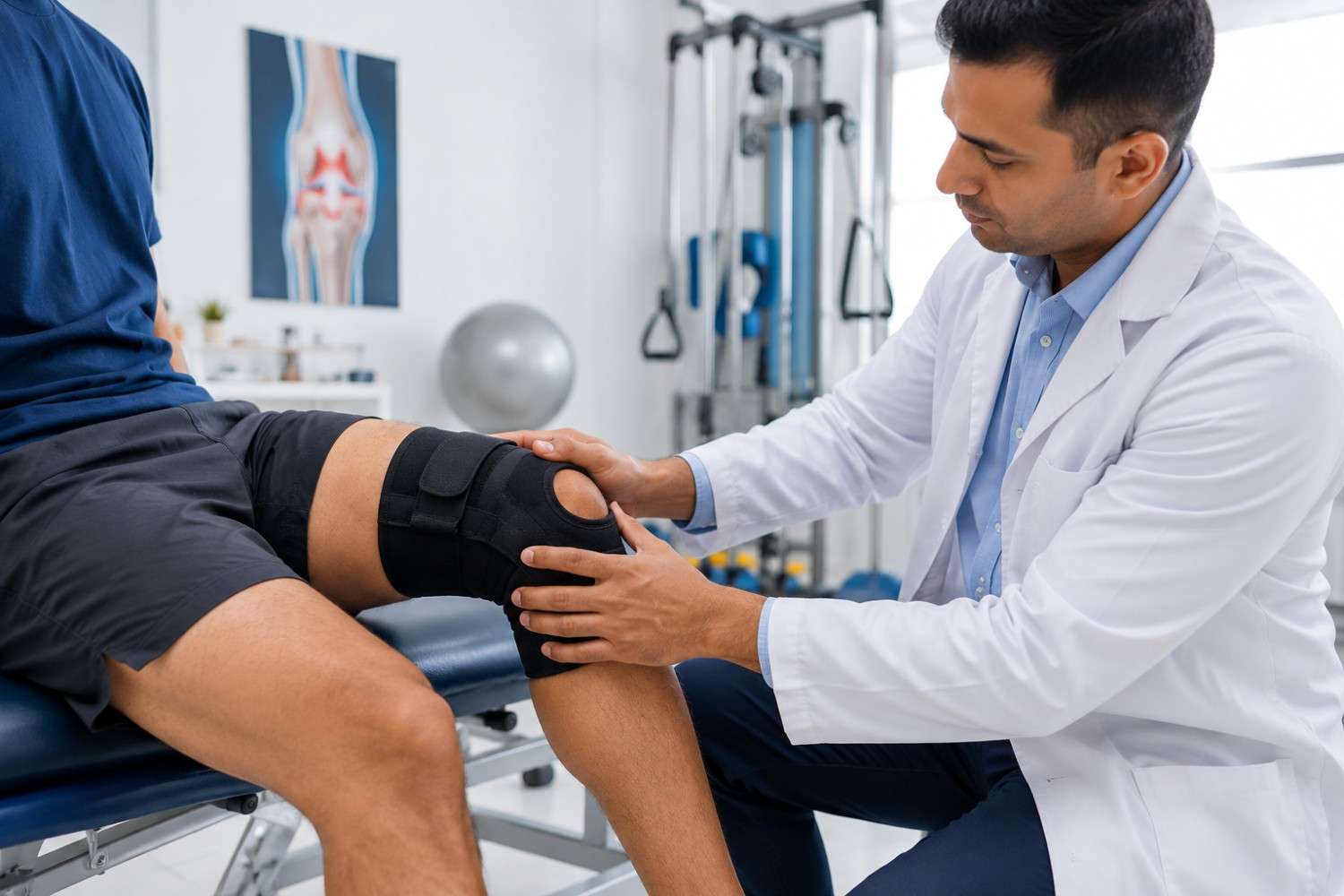
2. Physical examination — special ligament stability tests:
• Lachman’s test (ACL)
• Anterior drawer test (ACL)
• Posterior drawer test (PCL)
• Valgus stress test (MCL)
• Varus stress test (LCL)
• Pivot shift test (ACL)
3. X-rays — to rule out fractures, especially avulsion fractures
4. MRI — gold standard for ligament evaluation, shows complete vs partial tears, associated meniscal damage, and bone bruises
5. Sometimes diagnostic arthroscopy — for unclear cases
A skilled sports orthopaedist often arrives at a working diagnosis on examination alone. MRI confirms and quantifies it.
Treatment Options — Tailored to the Specific Ligament
MCL Injuries
Most MCL sprains heal without surgery:
• Rest, ice, compression, elevation
• Hinged knee brace for 4–6 weeks
• Structured physiotherapy
• Gradual return to activity
Surgery is reserved for:
• Complete grade III tears in athletes
• Combined injuries (ACL + MCL)
• Tears with associated bony avulsion
LCL Injuries
LCL injuries are less common but more often need surgery, especially when:
• Complete tears occur
• Posterolateral corner is involved
• Ligament is significantly displaced
PCL Injuries
PCL tears can often heal with bracing and rehab, especially:
• Isolated grade I or II injuries
• Recreational athletes
Surgery is considered for:
• Complete tears
• Combined ligament injuries
• High-demand athletes
ACL Injuries
The ACL doesn’t heal on its own. For active people, ACL reconstruction is the standard of care:
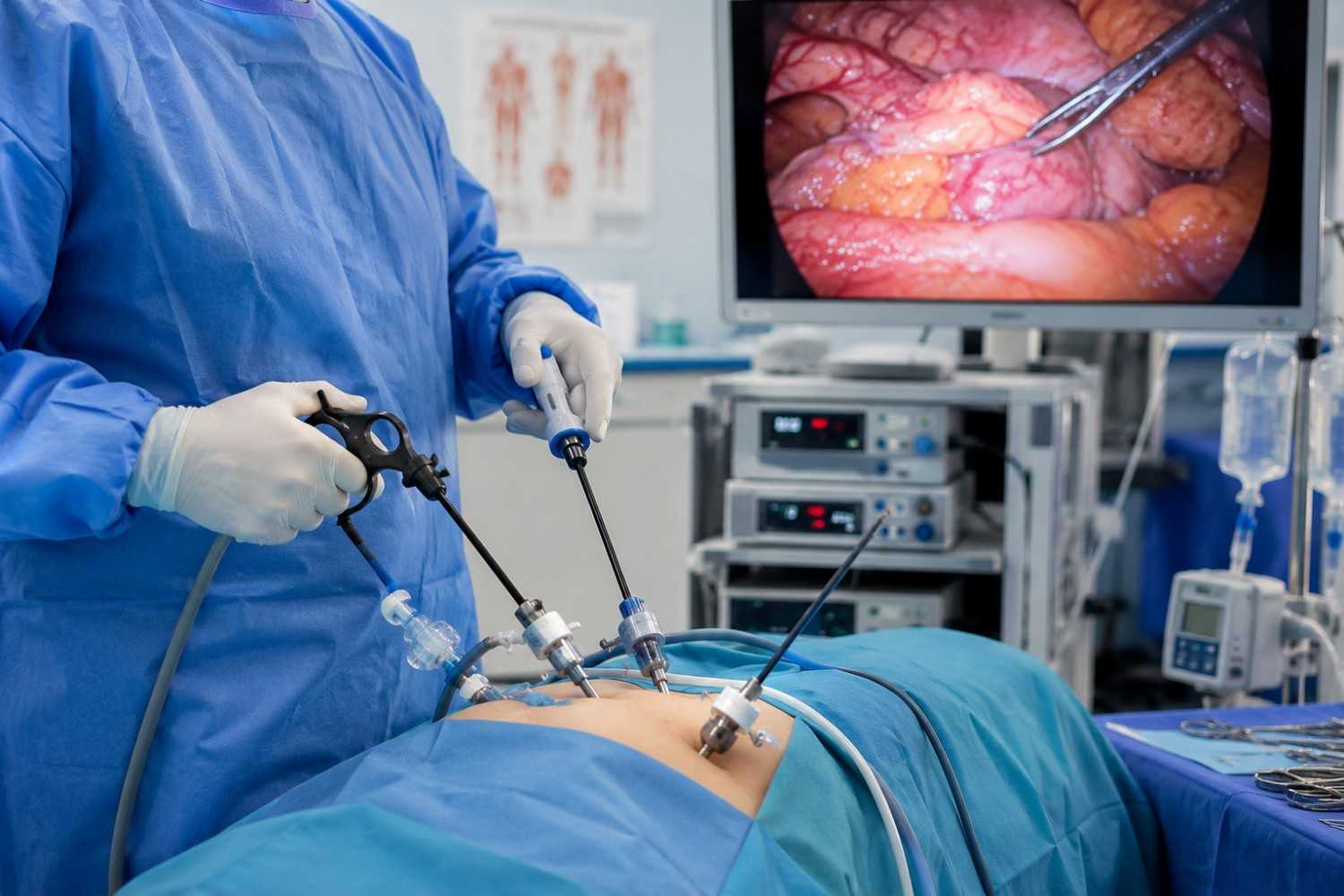
• Arthroscopic procedure
• Graft taken from your own body (hamstring, patellar tendon, or quadriceps)
• Tunnels drilled in the bone, graft passed through, and fixed
• Same-day or 1-day discharge possible
• Walking with support next day
For older, less active patients with low-demand lifestyles, conservative management with bracing and rehab can sometimes be considered.
Modern ACL Reconstruction: What’s New
• All-arthroscopic technique — no large incisions
• Anatomic single-bundle and double-bundle techniques
• Better graft fixation devices
• Bone preservation methods
• Augmented reconstruction with internal brace
• Robotic / navigation-assisted techniques for selected cases
• Faster, more structured rehab protocols
Outcomes for ACL reconstruction in experienced hands are excellent — over 90% of athletes return to their previous level of sport.
The Role of Rehabilitation
Surgery is just the beginning. Rehab is what actually returns you to performance.
| Phase | Focus | Duration |
| Phase 1 | Pain control, swelling reduction, full extension | 0–2 weeks |
| Phase 2 | Range of motion, gentle strengthening | 2–6 weeks |
| Phase 3 | Strength, proprioception, balance | 6–12 weeks |
| Phase 4 | Plyometrics, agility, sport-specific drills | 3–6 months |
| Phase 5 | Return-to-play testing and clearance | 6–9 months |
Skipping or rushing phases is the leading cause of re-injury after ACL reconstruction.
When Multiple Ligaments Are Injured
A “multi-ligament knee injury” — where two or more ligaments are torn together — is a serious orthopaedic problem requiring sub-specialty expertise. These often follow:
• Knee dislocations
• High-energy trauma
• Severe sports collisions
Treatment typically involves staged or single-stage reconstruction of all damaged structures, often with longer rehab.
Why Choose Ananya Hospitals for Knee Ligament Treatment
Ananya Hospitals treats knee ligament injuries with the rigour they deserve — not as routine cases, but as career- and lifestyle-defining moments. Patients across Bengaluru choose us because:
• Senior orthopaedic surgeons with sports medicine sub-specialty experience
• Modern arthroscopic surgical capability
• In-house MRI and digital X-ray
• Sports-focused physiotherapy with structured return-to-play protocols
• Multi-disciplinary rehab for complex multi-ligament cases
• Personalised graft selection based on patient profile and sport
• Honest counselling on conservative vs surgical care
• Transparent, written cost estimates
• Cashless insurance support
Our orthopedics & sports medicine department is built for athletes and active adults who want to return stronger than before.
Realistic Expectations After Surgery
• Return to office work — 1–2 weeks
• Driving — 4–6 weeks (depending on operated knee)
• Light gym training — 8–12 weeks
• Running — 4–6 months
• Cutting / pivoting sports — 6–9 months (after clearance)
• Full athletic return — 6–9 months for most patients
Patience is part of the treatment. Returning too early dramatically increases re-injury risk.
Tips for a Strong Recovery
• Attend every physiotherapy session
• Avoid weight-bearing earlier than instructed
• Use the brace as recommended
• Maintain a high-protein diet
• Address vitamin D and calcium deficiencies
• Don’t skip strengthening exercises after the painful phase ends
• Avoid alcohol and smoking during healing
• Keep follow-up appointments diligently
• Pass return-to-play testing before resuming sport — not just based on time
FAQs
Q1. Can a torn ACL heal without surgery?
No. The ACL doesn’t heal on its own. Active people typically need surgical reconstruction; older, less active individuals may manage conservatively with bracing and rehab.
Q2. How soon after injury should ACL surgery be done?
Usually 2–4 weeks after injury, once swelling settles and motion returns. Operating too early can risk stiffness.
Q3. Which graft is best for ACL reconstruction?
There’s no single “best” graft — the choice depends on the patient’s age, sport, and surgical situation. Hamstring, patellar tendon, and quadriceps grafts are all excellent options.
Q4. Will I be able to play sports again after ligament surgery?
Yes — most athletes return to their previous level after proper surgery and structured rehab.
Q5. Are ligament repair and ligament reconstruction the same?
No. Repair sutures the torn ligament back together; reconstruction replaces it with a graft. ACL injuries usually need reconstruction; MCL injuries often heal without either.
Q6. How long is the hospital stay?
Most ligament surgeries are day-care or 1-day stay procedures.
Q7. Is ligament surgery painful?
Mild to moderate pain in the first 2–3 days, well-controlled with medication. Most patients are surprised by how manageable it is.
Q8. Can I avoid ACL surgery if I’m not a sportsperson?
Selectively yes — but recurrent instability and early arthritis are real risks. A specialist evaluation is essential before deciding.
Q9. Does insurance cover ACL surgery in Bangalore?
Yes — most major plans provide cashless coverage.
Q10. How do I find the right knee ligament specialist in Bangalore?
Look for a sports medicine sub-specialised orthopaedic surgeon with arthroscopic expertise and a strong rehab team — exactly what Ananya Hospitals offers.
Conclusion
A knee ligament injury isn’t just a sprain that “needs rest.” It’s a structural problem inside one of the most important joints in your body — and the right best ligament injury treatment for the knee determines whether you return to full athletic life or live with chronic instability. Modern arthroscopic ligament surgery, combined with structured rehabilitation, delivers outcomes today that would have been unimaginable two decades ago.
Don’t accept a wobbly, unstable knee as your new normal. The right specialist team can almost always restore confidence, strength, and full performance.
Book Your Consultation at Ananya Hospitals
Talk to our senior knee and sports medicine specialists in Bengaluru. We’ll examine your knee carefully, identify the exact injury, and recommend the right treatment plan — surgical or non-surgical — based on your goals.
Call us or book an appointment online. Visit: Ananya Hospitals, Bangalore Department: Orthopedics & Sports Medicine
Stable knees. Confident movement. Sport at full strength.