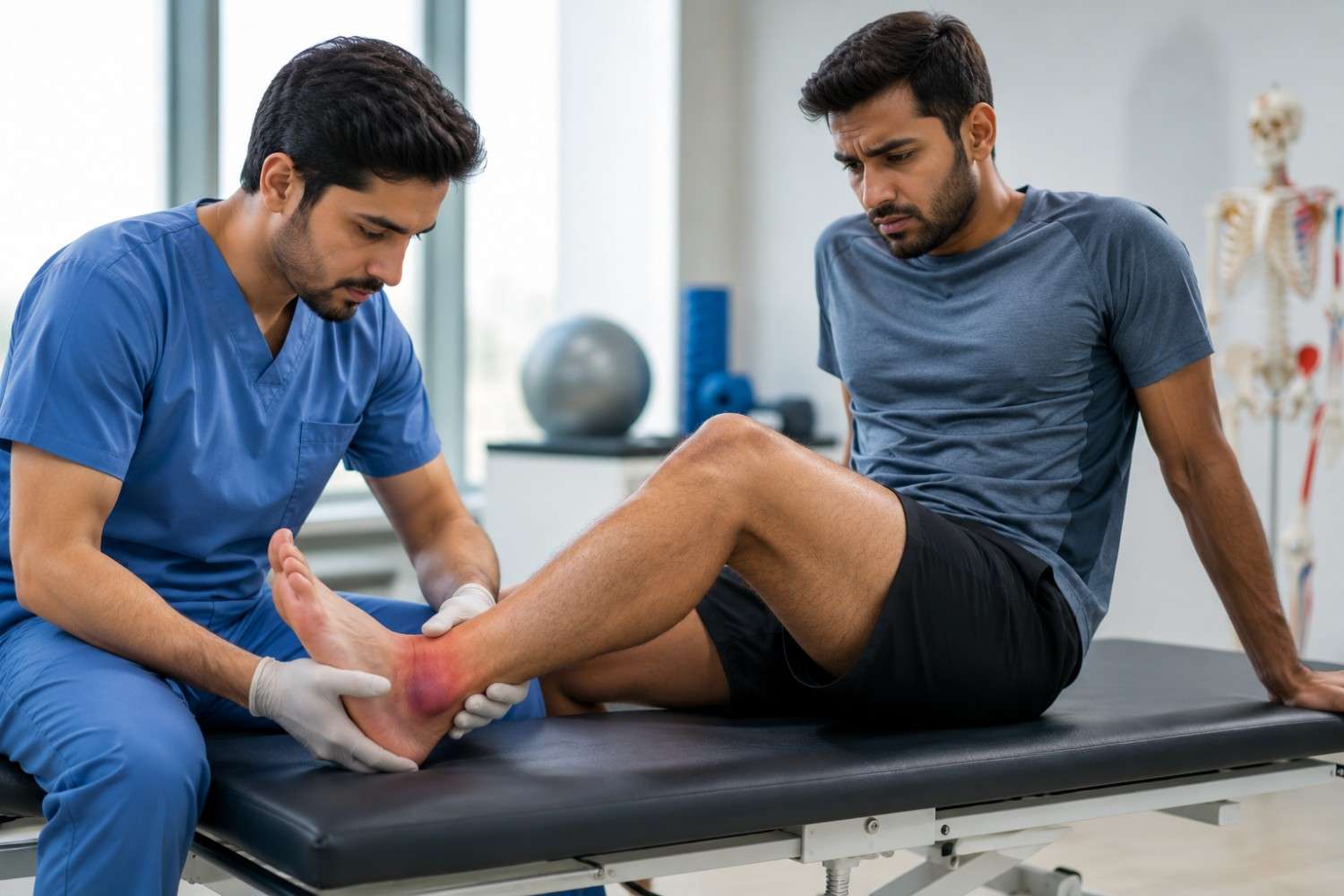
It happens in a moment. A bad landing during a basketball game, a twist on uneven ground while running, an awkward tackle on the football field, a wrong foot placement during badminton — and within minutes, the affected joint or limb starts to swell. The pain may be tolerable initially. The swelling, however, is the body’s way of waving a red flag: something inside has been injured. Sports injury swelling treatment isn’t just about reducing the swelling — it’s about understanding what’s underneath, treating it correctly, and rebuilding stronger than before.
This guide is written for athletes, weekend players, gym-goers, and active individuals — and equally for parents whose kids play sports. We’ll walk through what swelling means, what to do in the first 48 hours, when to see a specialist, and how modern sports medicine restores athletes to their previous level of performance.
What Causes Swelling After a Sports Injury?
Swelling after injury isn’t random. It usually means one or more of the following:
| Cause of Swelling | What’s Inside |
| Inflammation | Body’s response to soft tissue damage |
| Bleeding into joint (haemarthrosis) | Often from ligament tear or fracture |
| Synovial fluid build-up | Due to cartilage or meniscus injury |
| Ligament tear (ACL/MCL/lateral) | Acute swelling with instability |
| Meniscal tear | Slower-developing swelling, locking |
| Bone bruise / occult fracture | Painful swelling, sometimes with bruising |
| Tendon rupture | Localised swelling and weakness |
| Bursitis | Localised, often visible bulge |
Understanding which type matters because treatment differs significantly.
Common Sports Injuries Causing Swelling
• ACL (anterior cruciate ligament) tear — knee swelling, instability
• Meniscal tear — knee swelling, locking, catching
• MCL/LCL (collateral ligament) sprains — side-of-knee pain and swelling
• Ankle sprain — most common sports injury overall
• Achilles tendon rupture — sudden calf pain, swelling, inability to push off
• Hamstring strain — back-of-thigh swelling
• Rotator cuff injury — shoulder pain and swelling
• Wrist injuries — falls, gymnastics
• Stress fractures — gradual swelling with overuse
MedlinePlus provides excellent foundational reading on common sports injuries.
Immediate First Aid: The R.I.C.E. Method
Within the first 48 hours after a sports injury with swelling, follow the classic R.I.C.E. protocol:
• Rest — Stop the activity immediately; avoid weight-bearing if it’s a leg injury
• Ice — Apply wrapped ice for 15–20 minutes every 2 hours
• Compression — Use an elastic bandage to reduce swelling
• Elevation — Raise the limb above heart level when possible
Modern updates to RICE include POLICE (Protection, Optimal Loading, Ice, Compression, Elevation), emphasising that complete rest may not always be best — gentle, controlled movement under guidance often speeds recovery.
What to avoid in the first 48 hours:
• Heat application
• Massage of the injured area
• Alcohol (increases bleeding)
• Vigorous stretching
When to See a Sports Injury Specialist
Some injuries can be self-managed; others need urgent expert care. Visit a specialist if you experience:
• Severe swelling within 1–2 hours of injury (often indicates ligament tear or bleeding)
• Inability to bear weight or move the joint
• Visible deformity
• A “pop” or “snap” sensation at the moment of injury
• Locking or giving-way of the joint
• Numbness or tingling below the injured area
• Persistent swelling beyond 5–7 days
• Pain not improving with rest and ice
How Sports Injuries Are Diagnosed
A sports medicine evaluation typically includes:
1. Detailed history — mechanism of injury, exact movement, sound or sensation at the time
2. Clinical examination — range of motion, special tests for ligament/meniscus, swelling assessment
3. X-rays — to rule out fractures
4. MRI — gold standard for soft tissue injuries (ligaments, menisci, tendons, cartilage)
5. Ultrasound — useful for tendon and muscle injuries
6. Diagnostic arthroscopy — selectively, for unclear cases
A skilled sports orthopaedist often diagnoses the injury accurately on examination — imaging confirms the picture.
Treatment Approaches
1. Conservative Management
For partial tears, mild sprains, and many strains:
• Structured physiotherapy
• Targeted strengthening
• Gradual return-to-sport protocol
• Bracing for support
• Anti-inflammatory medication
• Sometimes injections (PRP, viscosupplementation)
2. Arthroscopic / Surgical Treatment
For complete ligament tears, displaced meniscal tears, or unstable injuries:
• ACL reconstruction — using your own tendon graft
• Meniscal repair / meniscectomy — preserving meniscal tissue when possible
• Cartilage restoration procedures — for focal cartilage defects
• Tendon repair — Achilles, patellar, biceps, quadriceps
• Shoulder arthroscopy — for rotator cuff and labral injuries
• Ankle ligament repair — for chronic ankle instability
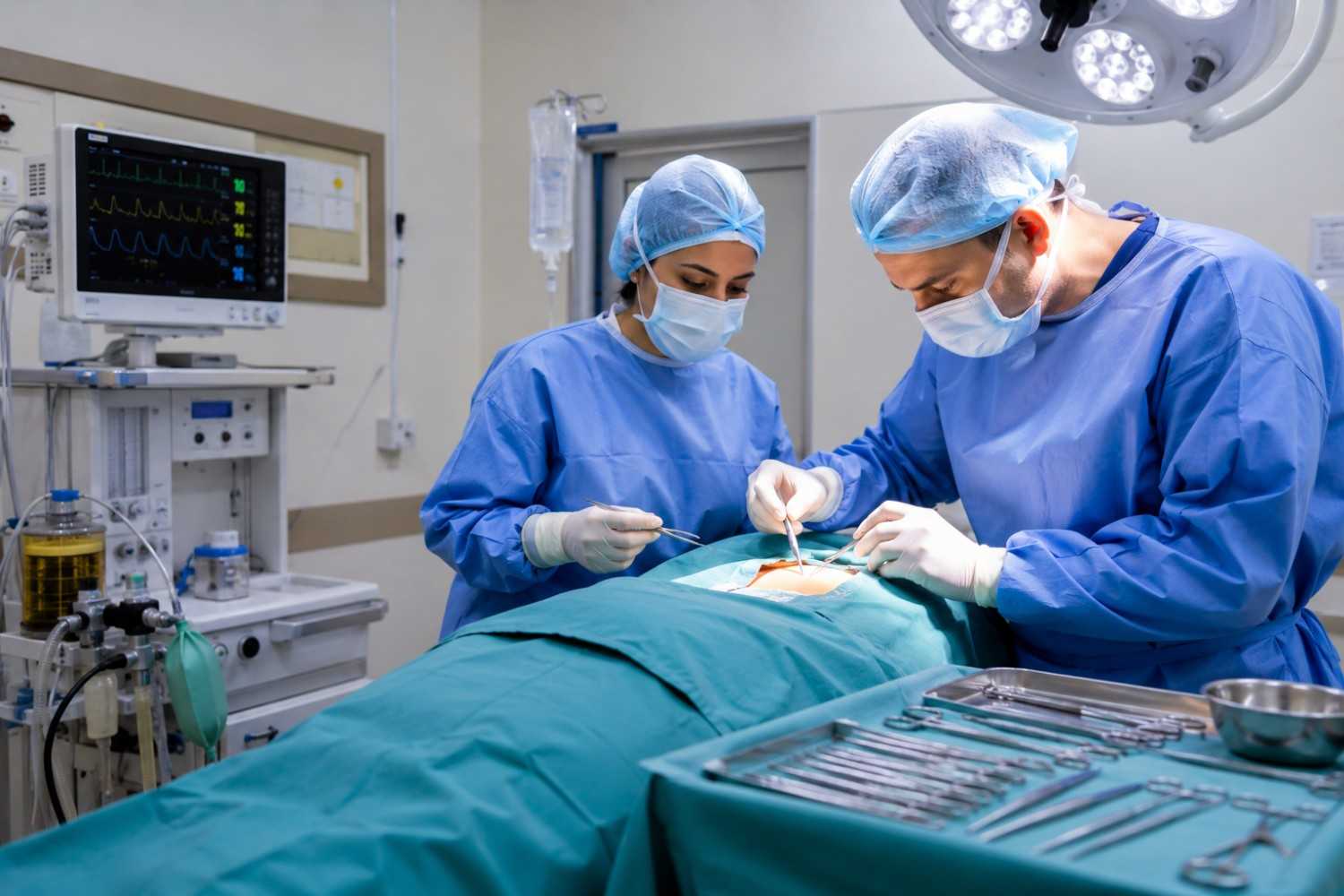
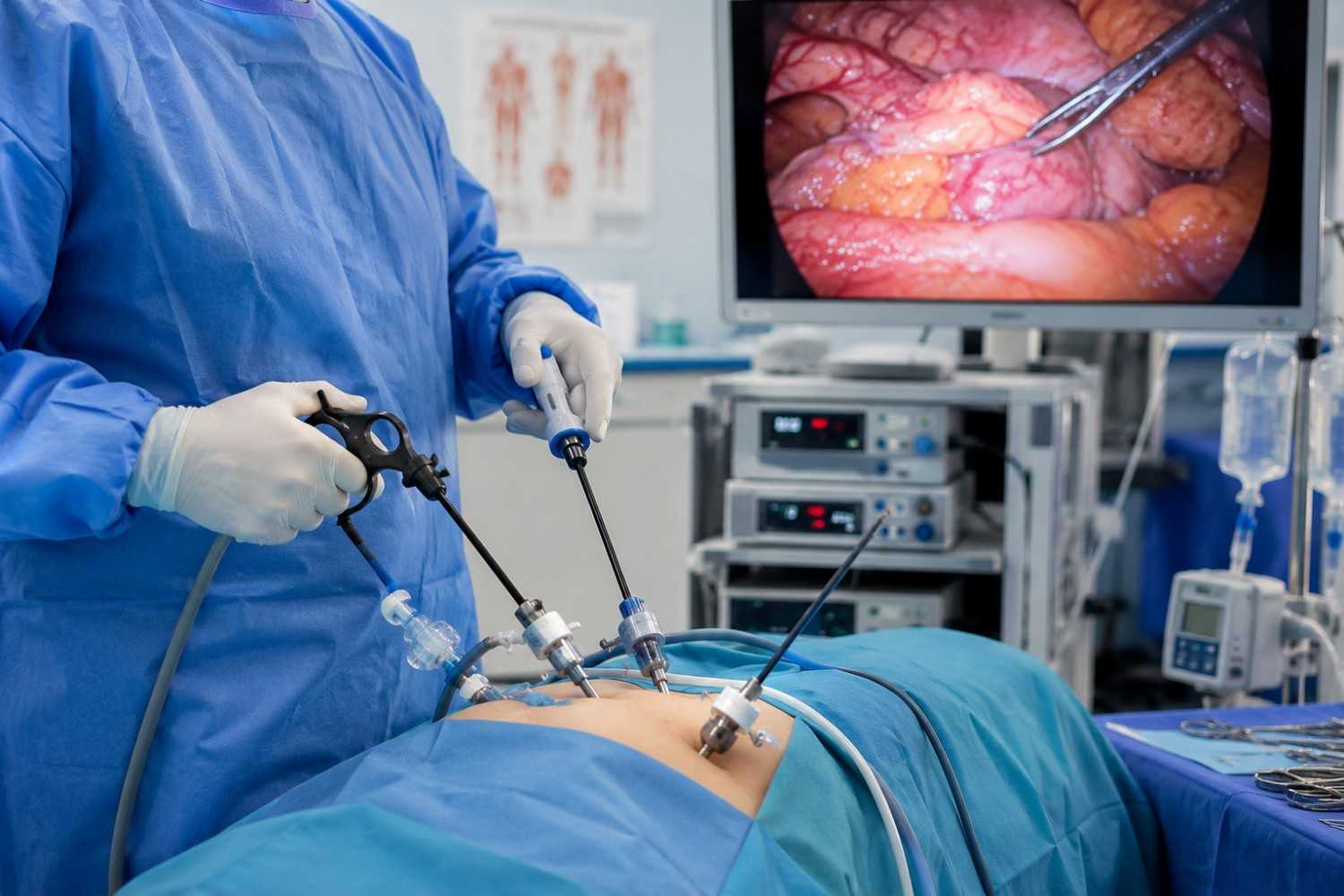
Modern arthroscopic surgery uses small portals, special instruments, and a camera — offering minimal scarring, faster recovery, and excellent outcomes.
The Cleveland Clinic resource on ACL injury and the Mayo Clinic guide on sports injuries provide detailed reading.
Recovery and Return-to-Sport Protocols
Sports injury recovery isn’t just about healing — it’s about returning safely to performance. Modern protocols include:
| Phase | Goals | Duration |
| Phase 1: Acute | Pain control, swelling reduction | 1–2 weeks |
| Phase 2: Range of motion | Restore full movement | 2–6 weeks |
| Phase 3: Strength | Rebuild muscle around the joint | 6–12 weeks |
| Phase 4: Sport-specific | Plyometrics, agility, neuromuscular training | 3–6 months |
| Phase 5: Return-to-play | Gradual full participation | 6–9 months for ACL |
Skipping or rushing phases is the leading cause of re-injury.
Why ACL Injuries Deserve Special Attention
The ACL (anterior cruciate ligament) is the most commonly torn knee ligament in sports. Key facts:
• A torn ACL doesn’t heal on its own
• Without reconstruction, the knee remains unstable, leading to recurrent injuries and early arthritis
• ACL reconstruction uses an arthroscopic technique with a graft from your own body
• Recovery and return to sport: 6–9 months
• Outcomes are excellent with proper rehab
Why Choose Ananya Hospitals for Sports Injury Care
Ananya Hospitals treats sports injuries with the rigour they deserve — not as casual cases, but as career-defining moments for athletes. Patients across Bengaluru choose us because:
• Senior orthopaedic surgeons with sports injury sub-specialty experience
• Modern arthroscopic surgical capability
• Sports-focused physiotherapy team with structured return-to-play protocols
• In-house MRI and ultrasound for fast diagnosis
• Multi-disciplinary rehab including sports trainers when relevant
• Cashless insurance support
• Transparent treatment plans
• Personalised follow-up through full recovery
Our orthopedics department treats athletes, weekend warriors, and active adults with the same long-term, performance-focused approach.
Preventing Sports Injuries
Most sports injuries are preventable with the right habits:
• Proper warm-up and cool-down
• Sport-specific strength training (don’t just play — train)
• Adequate hydration and rest
• Correct technique under coach supervision
• Appropriate gear and footwear
• Listening to early pain signals
• Cross-training to avoid overuse
• Adequate protein, calcium, vitamin D
FAQs
Q1. How long should I wait before seeing a doctor after a sports injury?
If swelling is severe, you can’t bear weight, you heard a “pop,” or pain is intense — see a specialist within 24 hours. Mild injuries can be observed for a few days with RICE.
Q2. Should I apply heat or ice on a fresh sports injury?
Ice for the first 48 hours. Heat may worsen swelling early on. Heat is helpful later, during the rehab phase.
Q3. Can a torn ligament heal without surgery?
Most complete ACL tears don’t heal on their own. Some partial tears and MCL injuries can heal with rehab. A specialist evaluation determines the right path.
Q4. How soon can I return to sports after surgery?
ACL reconstruction: 6–9 months. Meniscal repair: 3–6 months. Shoulder surgery: 3–6 months. Each follows specific milestones, not just a calendar.
Q5. Are PRP injections useful?
For selected injuries (tendinitis, partial tears, joint inflammation), they can offer real benefits. They’re not a cure-all and aren’t suitable for every injury.
Q6. How do I know if my sprain is serious?
Severe swelling, inability to bear weight, persistent instability, or visible deformity suggest a more serious injury that needs evaluation.
Q7. Will I be able to play at my previous level?
With proper surgery and rehab, most athletes return to their previous level. Some even improve due to better strength and biomechanics.
Q8. How effective is arthroscopic sports surgery?
Excellent — it’s the gold standard for most sports-related joint injuries. Smaller incisions, faster recovery, and outcomes equal or better than open surgery.
Q9. Does insurance cover sports injury surgery?
Yes, when medically indicated. Cashless coverage is standard.
Q10. How do I find the right sports injury specialist in Bangalore?
Look for an orthopaedic surgeon with sub-specialty interest in sports medicine, arthroscopic capability, and a strong rehab team — exactly what Ananya Hospitals offers.
Conclusion
A sports injury with swelling is not just an inconvenience — it’s information. The body is telling you that something inside has been damaged, and how you respond in the next few days often shapes whether you return to your sport at full strength or not. Modern best sports injury swelling treatment — combining accurate diagnosis, conservative care, arthroscopic surgery when needed, and structured rehabilitation — delivers outcomes that would have been unimaginable even 15 years ago.
Don’t wait for the swelling to “settle on its own” if it’s significant. Early evaluation by a sports orthopaedist often saves months of wasted recovery and prevents long-term joint damage.
Book Your Consultation at Ananya Hospitals
Talk to our senior orthopaedic and sports medicine team in Bengaluru. We’ll evaluate your injury thoroughly, treat it precisely, and rehabilitate you back to your full active life.
Call us or book an appointment online. Visit: Ananya Hospitals, Bangalore Department: Orthopedics & Sports Medicine
Stronger than before. Faster than expected. Back in the game.